
Reviewed · FIREFLY WATCHING
Bohol: SUSTAINABLE Mangrove Tunnels & Firefly Kayaking trail
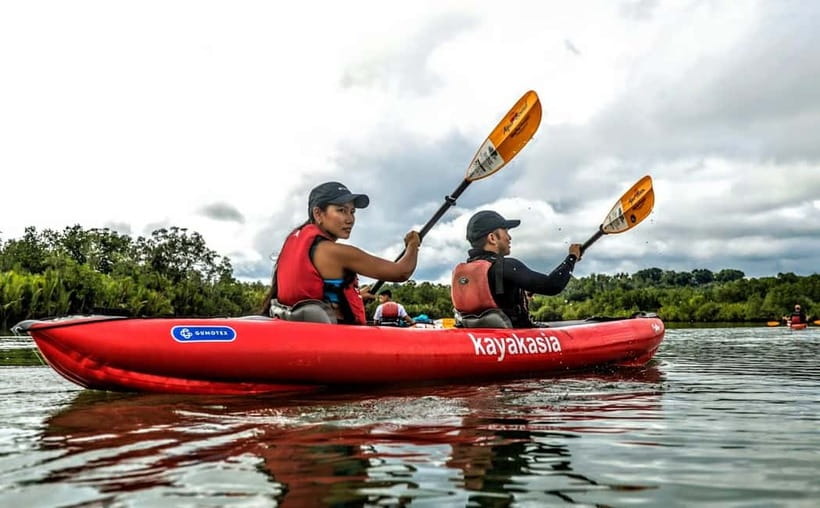
Fireflies turn the river into a starry theater. This five-hour Abatan River trip combines quiet paddling, mangrove tunnels, local ecology, and a Filipino meal in one carefully paced evening. I especially like the motor-free kayaking, which keeps the river calm, and the strong conservation focus, with guides explaining how mangroves support wildlife and nearby communities.
The synchronous fireflies are the main event, but the daylight paddle gives the evening real substance. You will see narrow waterways, nipa palms, forest channels, and birdlife before darkness arrives. The main consideration is physical: paddling for several hours takes effort, and the river transfer can take about an hour from Panglao or Loboc. From Tagbilaran City, the drive is much shorter.
In This Review
- Quick reasons to consider this Bohol eco-adventure
- Why the Abatan River is worth your evening
- Getting from Bohol’s resort areas to the river
- The safety briefing and first paddle
- Through mangrove tunnels, nipa palms, and forest channels
- Snacks and a useful pause at the river station
- Firefly kayaking under the stars
- Guides who make the difference
- Filipino dinner after the night paddle
- Is $85 a fair price?
- What to bring and what to expect
- Should you book the Abatan River tour?
- FAQ
- How long does the Bohol mangrove and firefly kayaking experience last?
- Where does the tour provide pick-up?
- How long is the drive to the Abatan River?
- Do I need previous kayaking experience?
- What kind of fireflies will I see?
- Is dinner included?
- What should I bring?
Quick reasons to consider this Bohol eco-adventure
- Synchronous fireflies after dark: Watch Philippine fireflies blink together above the river, with their lights reflected on the water.
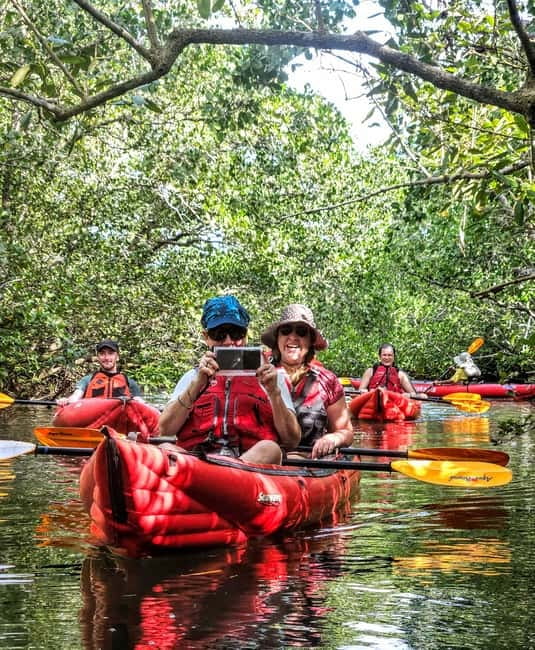
- Mangrove tunnels by kayak: Paddle through narrow channels and flooded forest areas that motorboats cannot enter as quietly.
- Local guides with a conservation mission: Guides such as Vince, Jeremy, Raymark, and MacMac explain the river’s plants, birds, wildlife, and community value.
- Home-cooked Filipino dinner: End the outing with a fresh, locally sourced meal, often described as generous and excellent.
- A genuinely low-noise experience: There is no motorboat engine during the kayak route, only paddles, water, insects, and forest sounds.
- Beginner-friendly setup: A safety briefing, basic instruction, life jackets, and guide support are included.
Why the Abatan River is worth your evening
Bohol has plenty of famous sights, but the Abatan River offers a slower kind of pleasure. You are not rushing from one photo stop to another. You are moving at river speed, close to the water, with time to notice small changes in the surroundings.
The river’s mangroves and nipa palms are not just pretty scenery. They provide shelter for marine life, support birds and other wildlife, and help protect communities from natural hazards. The guides explain these links in plain language, so the scenery becomes easier to understand and appreciate.
The conservation message also feels connected to the activity itself. Kayaking creates less noise and disturbance than a motorized river trip. The local ecotourism partners work with residents and environmental stewards, and the activity helps support families connected to the Abatan River.
That matters if you want your money to do more than buy a short photo opportunity. You are paying for transport, equipment, guide time, food, and a conservation-minded local operation.
More Firefly Watching in Bohol
- Shared Firefly Watching Cruise on Bohol’s Scenic Loboc River
★ 3.1 · 29 reviews - Bohol: Firefly Watching River Cruise (Nature-Dependent)
★ 3.9 · 24 reviews - Private Firefly Watching Night Cruise on Bohol Abatan River
★ 4.0 · 15 reviews
Getting from Bohol’s resort areas to the river
Round-trip transfers are included from accommodations in Panglao, Tagbilaran City, and Loboc. The drive takes roughly 30 minutes each way in the stated itinerary, though the fuller trip description gives an approximate travel time of one hour from Panglao or Loboc and about 15 minutes from Tagbilaran City.
That difference is worth checking when you book. Pick-up timing depends on your exact location, so allow a good part of the afternoon and evening rather than treating this as a quick two-hour activity.
Panglao is the most common base for a Bohol holiday, but it is also the least convenient of the three locations listed. From Tagbilaran, the short transfer gives you more time at the river and less time in a van. From Loboc, the outing pairs naturally with a stay in the island’s interior.
The transfer is useful because you do not have to arrange a separate driver for an evening return. It also lets you enjoy dinner and the firefly viewing without worrying about finding your way back after dark.
The safety briefing and first paddle
At the river station, you receive a safety briefing and a short lesson in basic kayaking. No previous kayaking experience is required, and life jackets plus the necessary equipment are provided.
This is good news for first-timers, families, and solo visitors who may feel unsure about handling a kayak. The guides focus on getting you comfortable before setting off, and the activity is designed around the gentle flow of the river.
Still, do not mistake beginner-friendly for effortless. Several hours on the water can be a decent workout, especially if you are not used to paddling. One person specifically described the experience as good muscle work. Wear clothes you can move in, and bring a change of clothes in case rain or splashing catches you.
The group may also change between the afternoon and nighttime sections. One account described three guides joining the firefly session once the group became larger. That suggests useful guide coverage, but the exact group size is not provided, so you should not expect a private trip unless that is specifically arranged.
Through mangrove tunnels, nipa palms, and forest channels
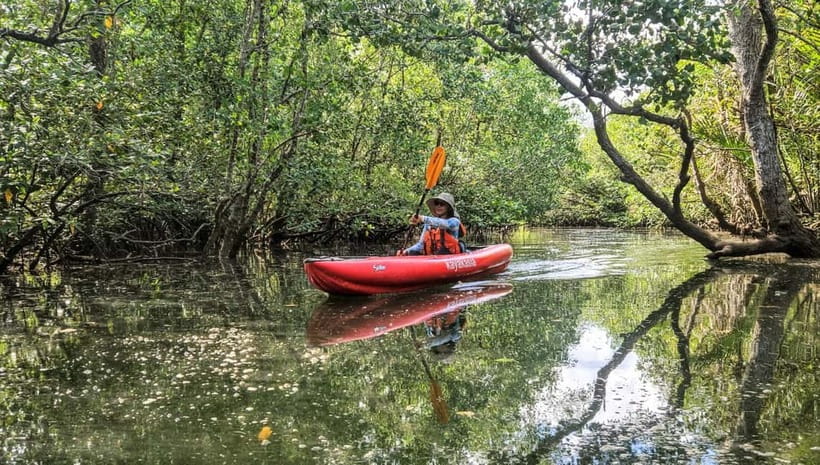
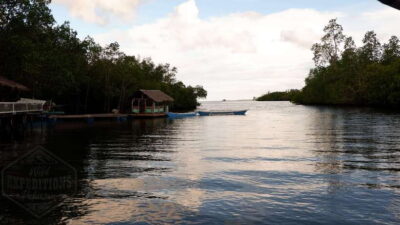
The first main paddle takes about two hours. You move through the Abatan River’s mangrove tunnels, narrow channels, nipa palm areas, and flooded forest sections.
This is the part that rewards patience. The route is not about speed. You may need to steer carefully through tight passages, and the small channels make the outing feel more personal than a broad river cruise. The waterway opens a close view of roots, branches, palms, and the quiet life along the banks.
The guides explain the different mangrove species and their role in the ecosystem. They also connect the plants to local communities and natural disaster prevention. That context gives the paddle more meaning than simply taking photographs of greenery.
Birdwatching is another pleasant surprise. One participant saw many birds and said the activity would suit people interested in birding. No bird list is supplied, so you should not book this as a specialized birding tour. But keep your eyes open, especially during the calmer daylight section.
The river can also bring changing weather. Rain does not automatically ruin the experience. One person found paddling in a downpour especially enjoyable, calling it nature at its most immediate. Even so, rain means you should protect phones and cameras and bring dry clothes.
A completely different kind of day out:
- Bohol: Premium Chocolate Hills, Tarsiers & River Experience
★ 4.7 · 804 reviews - Cebu City: Bohol Countryside Tour with Loboc Cruise Lunch
★ 4.5 · 488 reviews - Bohol: Boat Tour to Sandbar and Snorkeling with Turtles
★ 4.3 · 186 reviews - Bohol: Chocolate Hills and Countryside Tour
★ 4.6 · 175 reviews
Snacks and a useful pause at the river station
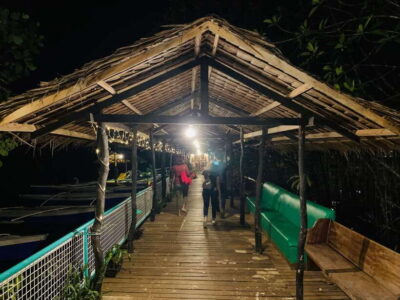
After the first paddle, you stop for about 45 minutes for local snacks and refreshments. This break is practical as well as enjoyable. It gives your arms time to recover before the nighttime session and lets you dry off or adjust your clothing if the weather changes.
The food is part of the appeal. The snacks are described as homemade and delicious, rather than a packaged convenience stop. This is a small detail, but it helps the outing feel tied to the local community.
Use the pause wisely. Drink water, apply insect repellent again, and make sure anything you carry into the kayak is secure. The supplied guidance recommends a sun hat, sunscreen, water, outdoor clothing, and a change of clothes. Insect repellent is especially sensible once daylight fades.
Firefly kayaking under the stars
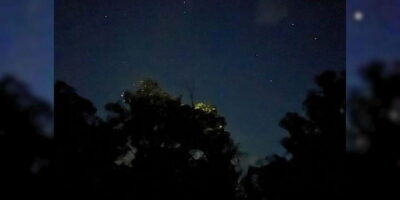
The second two-hour paddle begins as twilight disappears. This is when the Abatan River changes character. The daylight views give way to darkness, stars, and the soft glow of synchronous fireflies along the banks.
Synchronous fireflies are the special feature here. Instead of blinking at random, they flash together, creating a pulsing effect that can look like a natural light display. The experience is especially striking from a kayak because you are low on the water, away from engine noise, and able to see reflections on the river.
The guides explain the fireflies and the pressures they face. Their approach is deliberately low-impact. You are asked not to touch plants, and smoking and littering are not allowed. These rules are simple, but they matter in a sensitive habitat.
Nature does not follow a timetable, so the firefly display cannot be treated like a stage show. Clouds, rain, water conditions, and wildlife activity can affect what you see. Clear skies produced a particularly memorable display for one person, while the same outing also showed how weather can shift quickly.
Bring a camera if you like, but keep your expectations realistic. Night photography from a moving kayak is difficult, and flash photography would work against the quiet mood. The best memory may be the view you simply watch rather than capture.
Guides who make the difference
The guide team is one of the strongest parts of this experience. Vince is praised for clear instruction, safety, and detailed explanations of mangrove life. Jeremy is noted for an informative afternoon paddle and for helping make the firefly portion feel special. Raymark handles the welcome and explains the conservation purpose, while MacMac is described as friendly, helpful, and deeply informed about mangroves and fireflies.
Those details matter because a river trip can easily become a silent paddle with a few scenic stops. Here, the guides add the local connection. They explain how the river supports people, why mangroves matter, and what threats face the plants and fireflies.
I also like the apparent respect shown toward living things. The guides are not simply pointing out wildlife for entertainment. They encourage careful observation and explain why less invasive, quieter tourism helps protect the area.
English is the stated tour language. If you want a highly technical ecology lecture, this may not be that. It is better understood as an accessible nature lesson combined with outdoor activity.
Filipino dinner after the night paddle
The final stop is a home-cooked Filipino dinner, served after the evening kayaking. The meal is made with fresh, locally sourced ingredients, and the supplied schedule allows about 30 minutes.
Several accounts give the food unusually strong praise. The meal is described as delicious, generous, homemade, and one of the best Filipino meals experienced in Bohol. One person specifically described a three-course dinner, though the exact menu is not provided and should not be assumed.
This is a welcome finish. After paddling in the afternoon and evening, you will likely want something substantial rather than another quick snack. Eating at the river base also keeps more of your spending within the local operation.
Do not expect a formal restaurant service or a long dining session. The dinner is part of a half-day activity, and the stated timing is brief. Think of it as a warm, satisfying local meal and a chance to talk about the evening before the return transfer.
The team also makes upcycled items from old kayak materials and refuse collected during river cleanups, including wallets, card holders, slippers, tires, and keychains. These are optional purchases, not part of the tour price, but they show how the conservation work extends beyond the water.
Is $85 a fair price?
At $85 per person, this is not the cheapest way to see fireflies in Bohol. The value depends on what you want included.
You receive round-trip accommodation transfers, kayak equipment, life jackets, safety instruction, local guides, two substantial paddling periods, snacks, refreshments, firefly viewing, conservation interpretation, and dinner. If you had to arrange transport, rent gear, find a guide, and buy a meal separately, the total cost would rise quickly.
The strongest value comes from the combined day-to-night format. A short firefly cruise might show you glowing insects, but it would not provide the same daylight look at mangrove channels, the same exercise, or the same amount of time with the guides.
The price makes less sense if you dislike physical activity, want a guaranteed wildlife spectacle, or prefer a short and simple excursion. You are paying for a full five-hour outing, not just a few minutes of firefly watching.
Free cancellation up to 24 hours before the activity and a reserve-now, pay-later option also make planning easier. Check the available starting time carefully, since the outing needs to begin in the afternoon and continue after dark.
What to bring and what to expect
Wear comfortable outdoor clothing suitable for kayaking. A sun hat, sunscreen, water, insect repellent, and a full change of clothes are specifically recommended.
You should also protect electronics from rain and splashes. The river can be peaceful, but weather may change, and even careful paddling can produce water on your belongings.
Smoking and littering are not permitted, and you should not touch plants. These restrictions are sensible in a mangrove habitat and fit the conservation purpose of the activity.
This is best for couples, families with active children, solo visitors, and small groups who enjoy nature at a quiet pace. Children aged seven and ten were reported to have enjoyed paddling, but the tour data does not provide a formal minimum age or child policy, so confirm that before booking with younger children.
Should you book the Abatan River tour?
Book it if you want a quiet, active nature outing rather than a quick sightseeing stop. The mix of mangrove passages, birdlife, local ecology, synchronous fireflies, and homemade Filipino food gives you a fuller picture of Bohol than a single attraction usually can.
I would be especially inclined to choose it if sustainability is important to you. The motor-free route, local guide team, conservation education, and community links are not decorative claims. They are built into how the experience works.
Think twice if you are uncomfortable paddling for several hours, dislike insects or changing weather, or need a guaranteed clear-sky firefly display. The river is a natural setting, and nature keeps the final say.
For most active visitors staying in Bohol, $85 is a reasonable price for the transport, equipment, instruction, food, and long evening program. The fireflies may be the image that sells the trip, but the mangroves, guides, and conservation work are what make it worth your time.
FAQ
How long does the Bohol mangrove and firefly kayaking experience last?
The activity lasts about five hours, including transfers, safety instruction, two kayaking sessions, a snack break, and dinner.
Where does the tour provide pick-up?
Round-trip transfers are provided from accommodations in Panglao, Tagbilaran City, or Loboc.
How long is the drive to the Abatan River?
Travel time is approximately one hour from Panglao or Loboc and about 15 minutes from Tagbilaran City. The stated itinerary also lists roughly 30 minutes for each van journey, so confirm the timing for your exact accommodation.
Do I need previous kayaking experience?
No. The tour includes a safety briefing and basic kayaking instruction, and it is described as beginner-friendly.
What kind of fireflies will I see?
The experience features synchronous fireflies, which blink together. They are described as endemic to the Philippines and are viewed from kayaks on the river after dark.
Is dinner included?
Yes. A home-cooked Filipino dinner made with fresh, locally sourced ingredients is included, along with light local snacks and refreshments before the evening session.
What should I bring?
Bring a sun hat, sunscreen, water, insect repellent, comfortable outdoor clothing, and a change of clothes. A camera is also recommended, though night photography can be difficult from a kayak.
More Kayaking Trips in Bohol
- From Tagbilaran City/Panglao Island: Bohol Mangrove Kayaking
★ 5.0 · 7 reviews - El Nido: Big Lagoon Kayaking & Island Adventure
★ 4.4 · 132 reviews - Boracay: Crystal Kayak Photo-op Experience
★ 4.7 · 72 reviews - Puerto Princesa: Firefly Watching Paddle Boat Tour & Dinner
★ 4.6 · 47 reviews
Just added in Bohol
- Bohol: Bilar – Night Safari Tour★ 3.0 · 1 review
- Kalanggaman Island Day Tour Package from Cebu City or Mactan★ 3.0 · 6 reviews
- Kawasan Canyoneering Adventure Package from Cebu★ 5.0 · 11 reviews
- Bohol: Private Firefly Watching Cruise★ 5.0 · 1 review
- Kawasan Falls and Mantayupan Falls in One Day from Cebu★ 5.0 · 5 reviews
- One-Way Private Van Transfer Bohol-Panglao Area★ 5.0 · 2 reviews
- BOHOL ATV Tour★ 4.0 · 9 reviews
- Cebu Safari Adventure★ 5.0 · 1 review
Firefly Watching, compared.
Shared Firefly Watching Cruise on Bohol’s Scenic Loboc River
Read our review →Firefly Watching River Cruise (Nature-Dependent)
Read our review →
Private Firefly Watching Night Cruise on Bohol Abatan River
Read our review →Browse the lists this tour appears in