
Reviewed · CEBU CITY TOURS
Cebu City and Mactan Tour – Private
Two islands, one compact day. This private Cebu tour makes it easy to connect Cebu City’s religious landmarks with Mactan’s battle memorials and guitar makers without arranging separate rides. I like the air-conditioned vehicle with hotel pickup, and I like the mix of major sights, local craft, and a Filipino lunch. The main drawback is value: at $106 per person, a short six-hour outing can feel expensive if much of your day is spent driving or waiting over lunch.
Plan your clothing before you leave. Long pants are essential for the Basilica Minore del Santo Niño, according to the tour feedback, and the booking information does not highlight this plainly. The tour is private, so your group gets the vehicle and guide to itself, but the schedule is still tight and some stops last only a few minutes.
In This Review
- Key points at a glance
- What this six-hour Cebu tour is really designed to do
- Mactan Shrine and the Battle of 1521
- Alegre Guitar Factory and Cebu craftsmanship
- Taoist Temple in Beverly Hills Subdivision
- Heritage of Cebu Monument and the city’s story in sculpture
- Yap Sandiego Ancestral House, one of Cebu’s oldest homes
- Basilica Minore del Santo Niño and the clothing rule
- Magellan’s Cross, a three-minute historical marker
- Lunch, driving, and the real value of $106
- Timing, transport, and group size
- Who should book this private Cebu outing?
- Should you book the Cebu City and Mactan Tour?
- FAQ
- How long does the Cebu City and Mactan Tour last?
- What is included in the tour price?
- Is the tour private?
- Where is pickup available?
- Do I need to wear pants for the basilica?
- Can children join the tour?
Key points at a glance
- Mactan Shrine links three names: Lapu-Lapu, Ferdinand Magellan, and the Battle of Mactan.
- Alegre Guitar Factory offers a look at Cebu craftsmanship, with free admission and a short visit.
- The Taoist Temple provides a change of pace from Cebu’s Catholic landmarks and colonial-era sites.
- Yap Sandiego Ancestral House is the only listed stop with an admission charge included, and it gives the tour its strongest domestic-history stop.
- Lunch, bottled water, transport, and hotel transfers are included, but the meal can take a large share of a six-hour schedule.
- The route works best for first-time visitors who want a private overview rather than long visits at every attraction.
What this six-hour Cebu tour is really designed to do
This is a sampler, not a slow cultural walk. In about six hours, you move between Mactan Island and Cebu City, covering religious sites, memorials, a historic home, a temple, and a guitar workshop.
That variety is the tour’s best feature. You can see how Cebu brings together Catholic devotion, Chinese influence, precolonial resistance, Spanish-era events, and modern local production. You will not have much time to study each place in depth, though. The listed visits range from three to 15 minutes, and the day also includes lunch and road time.
The private format matters. Your party is the only group on the activity, which gives you more control than a large coach excursion. Still, private does not mean leisurely. The route covers two busy urban areas, so traffic can affect how long you stay at each stop.
Pickup begins at 9:00 a.m. Hotel pickup and drop-off are offered for Cebu City hotels, and the additional information also lists Cebu City or Mactan resort pickup and drop-off. If your hotel is outside those areas, confirm the meeting arrangement before paying.
More City Tours in Cebu
- Cebu City: Whale Shark Swimming & Kawasan Falls Canyoneering
★ 4.7 · 665 reviews - Cebu City: Bohol Countryside Tour with Loboc Cruise Lunch
★ 4.5 · 488 reviews - Private Cebu & Lapu-Lapu City Tour with Uphill Spots & Lunch at House of Lechon
★ 4.5 · 168 reviews
Mactan Shrine and the Battle of 1521
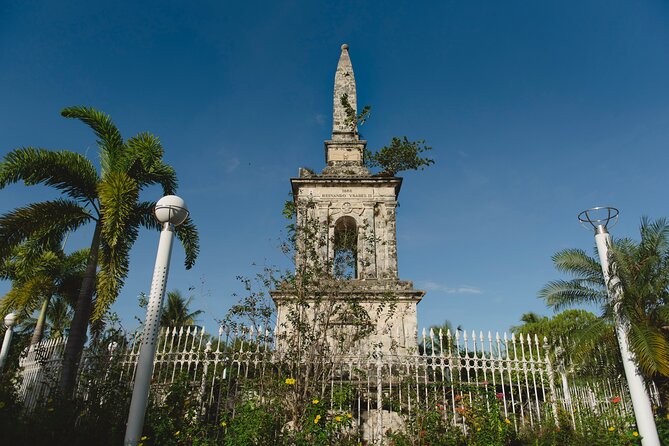
The first stop is Mactan Shrine, with about 15 minutes set aside and no admission charge. This memorial area honors Lapu-Lapu, Ferdinand Magellan, and the Battle of Mactan.
The site gives you a useful starting point for understanding Cebu’s place in Philippine history. Magellan arrived in Cebu in 1521, but Lapu-Lapu resisted the Spanish-led expedition. The memorial honors the local leader remembered for defeating the foreign soldiers.
You should expect an outdoor visit rather than a museum-style presentation. Fifteen minutes is enough to see the main monument and hear the basic story, but not enough for a long historical discussion. If this event matters to you, ask the guide to explain the roles of Lapu-Lapu and Magellan while you are there.
This stop is especially useful because it presents a local point of view. The story is not only about European exploration. It is also about resistance, leadership, and the way national memory is shaped.
Alegre Guitar Factory and Cebu craftsmanship
Next comes Alegre Guitar Factory, another 15-minute stop with free admission. Cebu is known in the Philippines for handmade guitars, and the factory visit introduces you to that part of the island’s working culture.
The appeal here is practical and tangible. Instead of only looking at monuments, you see a local product associated with Cebu’s name. The guitars are described as carefully made, durable, affordable, and high quality.
Do not expect a long workshop session in 15 minutes. The schedule suggests a quick look at the factory, its instruments, and the work behind them. If you are interested in buying, you can ask about prices and shipping, but the supplied tour details do not promise a purchase stop or special discount.
I like this inclusion because it breaks up the historical sightseeing. A short craft visit helps you see Cebu as a place where people make things, not simply a place where old buildings and statues are displayed.
Taoist Temple in Beverly Hills Subdivision
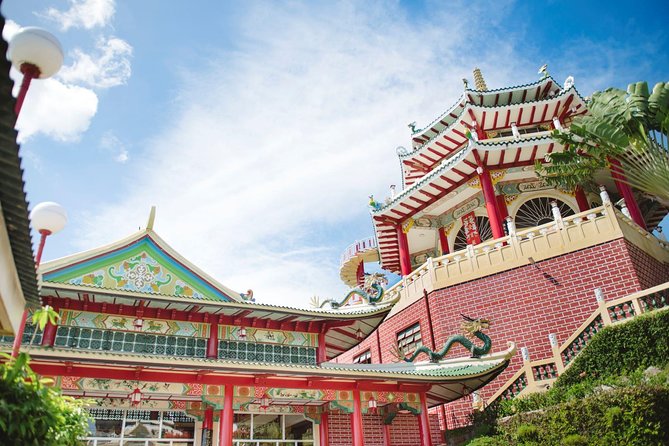
The Taoist Temple sits in Cebu City’s Beverly Hills Subdivision. The temple was built in 1972 by Cebu’s substantial Chinese community, and the visit is scheduled for about 15 minutes with no admission charge.
This is an important contrast to the Catholic sites later in the day. Cebu’s religious life is not one-note, and the Taoist Temple gives you a brief look at the Chinese community’s influence on the city.
The short stop is enough to take in the setting and basic design, but you should not expect an extended religious lesson. Dress and behavior should be respectful, as they should be at every place of worship on this route.
Because this tour moves quickly, you may want to listen closely when the guide explains the temple’s background. The supplied details do not promise a formal ceremony, extended access, or a private explanation from temple staff.
More Cebu City trips:
- Bohol Countryside Day Tour From Cebu City | Lunch at Loboc River Cruise
★ 4.5 · 157 reviews - Cebu City: City and Mountain Highlights Tour
★ 4.6 · 85 reviews - The Original Cebu City Historical and Food Walking Tour
★ 4.5 · 81 reviews - Cebu: Exploring Cebu City’s rich history and Uphill Tour
★ 4.5 · 68 reviews
Heritage of Cebu Monument and the city’s story in sculpture
The Heritage of Cebu Monument is scheduled for only five minutes. That is the shortest substantial sightseeing stop, aside from the three-minute visit to Magellan’s Cross.
The monument is a large tableau made from concrete, bronze, brass, and steel. Its scenes represent events and structures connected with Cebu’s past. Think of it as a visual summary of the city rather than a single statue with one story.
Five minutes is very brief. You can see the work and take photographs, but you will need the guide’s explanation to get much from it. If you are taking pictures, do so quickly and then focus on the scenes themselves.
This stop works well beside the nearby historic and religious sites. On its own, it may feel rushed. As part of the larger route, it helps connect Cebu’s different periods and public symbols.
Yap Sandiego Ancestral House, one of Cebu’s oldest homes
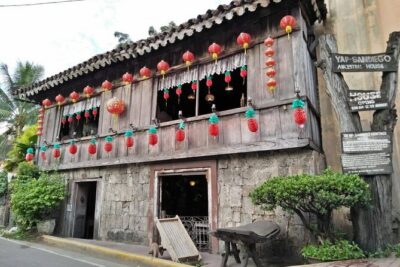
The Yap Sandiego Ancestral House receives about 15 minutes, and admission is included. The house was built sometime between 1675 and 1700 and was first owned by the Chinese merchant Don Juan Yap and his wife, Dona Maria Florido.
This is one of the most distinctive stops because it shifts the focus from public monuments to family life. An old home can show you how history affected ordinary domestic spaces, not just churches, battlefields, and government buildings.
The house also reflects Cebu’s long Chinese connection. That makes it a useful companion to the Taoist Temple, though the two sites offer very different experiences. One is a place of worship built in the 20th century; the other is an old family residence.
Fifteen minutes gives you a quick look rather than a full house tour. You may find the visit most rewarding if you pay attention to the age of the structure and its connection to a Chinese merchant family. Since admission is included, there is no separate fee to budget for this stop.
Basilica Minore del Santo Niño and the clothing rule
The Basilica Minore del Santo Niño de Cebu is described as the oldest Roman Catholic church in the Philippines. It was built on the spot where an image of the Santo Niño was found during Miguel Lopez de Legazpi’s expedition.
The tour allows about 15 minutes, with free admission. For many visitors, this is one of the most important stops because the church is both a major religious site and a central part of Cebu’s public identity.
Here is the key practical warning: wear long pants or otherwise dress appropriately for entry. The tour feedback specifically reports that pants are required to enter the basilica. Since this is one of the primary stops, arriving in unsuitable clothing could mean waiting outside or missing part of the visit.
Fifteen minutes is enough to enter, look around, and hear the basic story. It is not enough for a quiet, detailed examination of the church. Be respectful during services or prayer, and follow any instructions given at the entrance.
This stop is also where the schedule can feel compressed. The church matters, but the tour still has to reach Magellan’s Cross and complete the rest of the route. I would treat the basilica as a meaningful quick visit, not as a full church tour.
Magellan’s Cross, a three-minute historical marker
Magellan’s Cross receives only three minutes. The cross was planted by Portuguese and Spanish explorers under Ferdinand Magellan’s orders when they arrived in Cebu on March 15, 1521.
That short timing tells you exactly what to expect. You will have time to see the cross and take in its importance, but not to linger. It is a quick historical marker at the end of the Cebu City religious sequence.
The cross is valuable because it connects the tour’s major themes: Spanish arrival, Catholic conversion, and the beginning of a new chapter in Cebu’s history. Its meaning is larger than the few minutes spent at the site.
If you want a thoughtful visit, listen to the guide’s explanation rather than treating it as a photo stop only. The route places several major landmarks close together, but the time allowed at each one varies sharply.
Lunch, driving, and the real value of $106
The price is $106 per person. That includes taxes, fees, bottled water, all listed activities, an air-conditioned vehicle, a driver-guide, hotel transfers in the stated pickup areas, and lunch at a local restaurant.
For a private tour, that price may be reasonable if you value convenience. You avoid arranging separate taxis, comparing admission costs, and working out a route between Mactan and Cebu City. A private vehicle is also useful if your group wants to stay together and avoid a large tour bus.
The value becomes less convincing if you expect six hours of continuous sightseeing. One piece of tour feedback estimates about two hours of driving and about two hours for lunch at 700 pesos per person. That leaves a relatively small amount of time for seven listed stops.
The lunch inclusion is helpful, but the length of the meal matters. If you prefer a quick meal and longer visits, ask how much flexibility the guide can offer. The tour description calls it a buffet at a local restaurant, but it does not name the restaurant or specify the exact menu.
At $106, I would book this mainly for the private transport and broad coverage. If your priority is spending a long time inside the basilica, ancestral house, or temple, you may find the schedule too rushed for the cost.
Timing, transport, and group size
The tour starts at 9:00 a.m. and lasts approximately six hours. Air-conditioned transport is included, which is a practical benefit in Cebu’s warm climate and for a route that moves between Mactan and Cebu City.
Pickup and drop-off are included for Cebu City hotels, with the additional information also covering Mactan resorts. Confirm your exact hotel location in advance. A clear pickup plan can save time at the beginning and end of a short tour.
Only your group participates. This is the strongest operational advantage of the experience. You can ask questions directly, keep your party together, and possibly discuss the pace with the driver-guide.
The tour is described as suitable for most people, and children must be accompanied by an adult. A child rate applies only when the child shares with two paying adults. The supplied information does not give a minimum age or specific mobility details, so families should confirm those points before booking.
Who should book this private Cebu outing?
I would recommend it to first-time visitors who want a quick introduction to both Cebu City and Mactan. It suits couples, families, and small groups that place a high value on private transport and do not want to plan the day themselves.
It also works for people with limited time in Cebu. You get major landmarks, a memorial, a temple, a historic house, local guitar production, and lunch in one organized outing.
I would be more cautious if you are a serious museum visitor, a slow-paced photographer, or someone who wants extended time at religious sites. The five-minute monument visit and three-minute cross visit are especially brief, and the total schedule may be affected by traffic.
Pack respectful clothing, especially long pants for the basilica. Bring curiosity for the guitar factory and ancestral house, since those stops add a more local, everyday side to a route otherwise dominated by famous landmarks.
Should you book the Cebu City and Mactan Tour?
Book it if private transport, hotel pickup, and broad coverage are worth paying for. The combination of Lapu-Lapu’s memorial, Cebu’s Catholic landmarks, the Taoist Temple, the Yap Sandiego house, and Cebu guitar making gives you a useful first look at the area.
Skip it if $106 feels high for a day with substantial driving and a long lunch. You should also skip it if your main goal is a slow visit inside the basilica or a detailed look at each historic site.
The best way to approach this tour is as an organized orientation. Wear the right clothes, keep your expectations realistic, and ask about the lunch timing. With those points in mind, the private format can make a complicated Cebu route simple, even if it does not give every stop the time it deserves.
FAQ
How long does the Cebu City and Mactan Tour last?
The tour lasts approximately six hours and begins at 9:00 a.m.
What is included in the tour price?
The $106 price includes taxes, fees, handling charges, lunch at a local restaurant, bottled water, all listed activities, an air-conditioned vehicle, a driver-guide, and hotel pickup and drop-off in the stated service areas.
Is the tour private?
Yes. Only your group participates in this private tour or activity.
Where is pickup available?
Pickup and drop-off are offered for Cebu City hotels. The additional information also lists Cebu City or Mactan resort pickup and drop-off. Confirm your exact accommodation when booking.
Do I need to wear pants for the basilica?
Yes. Wear pants or other suitable clothing for entry to the Basilica Minore del Santo Niño de Cebu. The tour feedback specifically warns that pants are required.
Can children join the tour?
Children must be accompanied by an adult. A child rate applies only when the child shares the tour with two paying adults.
Just added in Cebu
- Whole Day and Private Car and Van Rental to Oslob from Cebu City or Mactan★ 5.0 · 1 review
- Whaleshark & Sumilon Is and Moalboal Sardines & Turtle Tour★ 5.0 · 2 reviews
- Whale Shark Watching & Tumalog Falls & Kawasan Falls★ 5.0 · 16 reviews
- Whale Shark Watching with Sumilon Sandbar and Kawasan Falls Tour★ 5.0 · 8 reviews
- Cebu Whale Shark Encounter, Moalboal Sardines & Tumalog Falls★ 4.0 · 18 reviews
- Whale Shark Watching and Sumilon Sandbar Private Tour Package★ 5.0 · 17 reviews
- Full Day Shark Watching and Canyoneering in Cebu★ 5.0 · 15 reviews
- Group Tour of Moalboal Sardines Run & Kawasan Canyoneering★ 4.5 · 9 reviews
Cebu City Tours, compared.
Whale Shark Swimming & Kawasan Falls Canyoneering
Read our review →
Bohol Countryside Tour with Loboc Cruise Lunch
Read our review →
Bohol Countryside Day Tour From Cebu City | Lunch at Loboc River Cruise
Read our review →
The Original Cebu City Historical and Food Walking Tour
Read our review →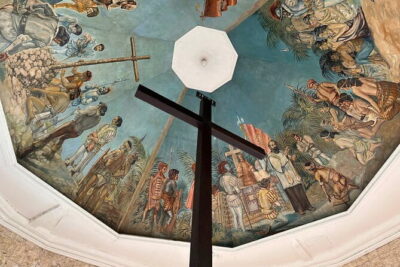
Exploring Cebu City’s rich history and Uphill Tour
Read our review →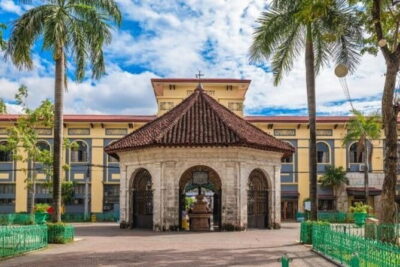
Browse the lists this tour appears in