
Reviewed · CEBU CITY TOURS
Cebu: Simala Shrine Visit and Cebu City Tour
Sacred sites meet Cebu’s best views. This 10-hour tour combines the ornate Simala Shrine with Cebu City landmarks, uphill roads, a Carcar food market, and two popular photo stops. It gives you a broad look at Cebu in one day, from Catholic devotion to grand statues and flower-filled gardens.
I like the unusual mix of places, especially the chance to see Simala’s gothic towers and candle-lit interior before visiting Fort San Pedro and Magellan’s Cross. I also like that transportation, a driver, and entrance fees are included. The main drawback is the pace: a 6 a.m. start, long drives, uphill roads, and many stops make this a tiring day.
In This Review
- Key points to know before booking
- Why Simala Shrine deserves the first visit
- The 6 a.m. start and the long road south
- Carcar City and the food market stop
- Fort San Pedro and the older Cebu City core
- Magellan’s Cross and a major Cebu landmark
- Sirao Garden on Cebu’s uphill roads
- Temple of Leah and Cebu’s grandest photo stop
- Is $114 a fair price?
- Who should take this tour?
- Practical advice for a smoother day
- Should you book the Cebu Simala and city tour?
- FAQ
- How long does the tour last?
- What time is hotel pickup?
- Is transportation included?
- Are entrance fees included?
- Is food included?
- What language does the driver speak?
- What places does the tour visit?
- Are there mass times at Simala Shrine?
- Is there a dress code at Simala Shrine?
- Is the tour suitable for wheelchair users?
Key points to know before booking
- Simala Shrine is the emotional center of the day: Expect gothic-style towers, stained glass, ornate details, candles, and an active place of worship.
- The tour covers a wide stretch of Cebu: You visit Simala, Carcar City, central Cebu, Sirao Garden, and Temple of Leah in about 10 hours.
- An early hotel pickup matters: Pickup is recommended around 6 a.m., helping fit the many stops into one day.
- The price includes the basics: At $114 per person, transportation, the driver, and entrance fees are covered, but food and drinks are extra.
- Dress properly for the shrine: The dress code is strictly observed, and mass times may affect your visit.
- This is not an easy-access outing: The experience is not suitable for wheelchair users or people with mobility, heart, altitude, or motion problems.
Why Simala Shrine deserves the first visit
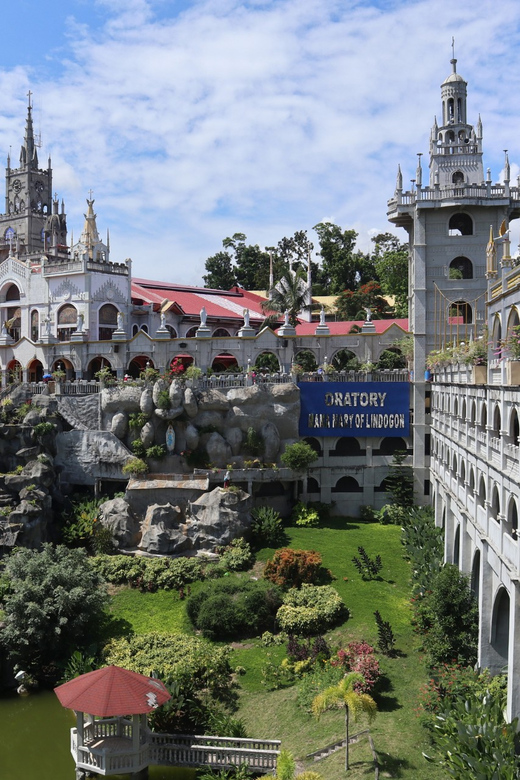
The Monastery of the Holy Eucharist, commonly called Simala Shrine, is more than a quick sightseeing stop. It is a sacred Catholic place where many people come to pray, light candles, and take part in religious activities.
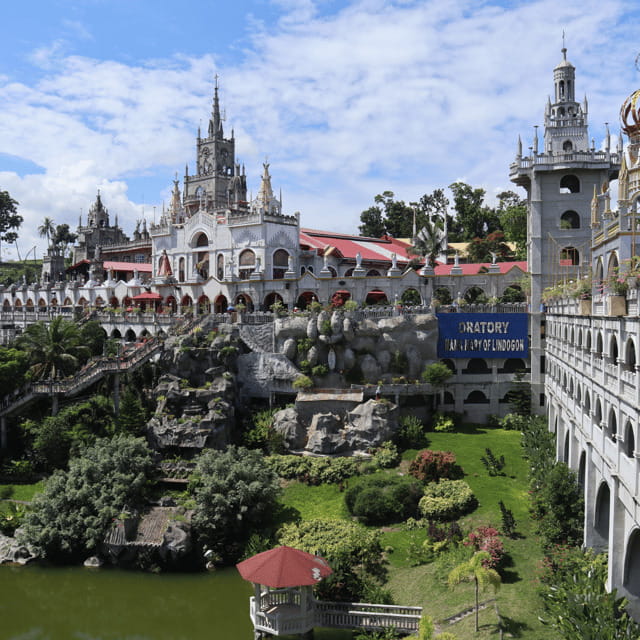
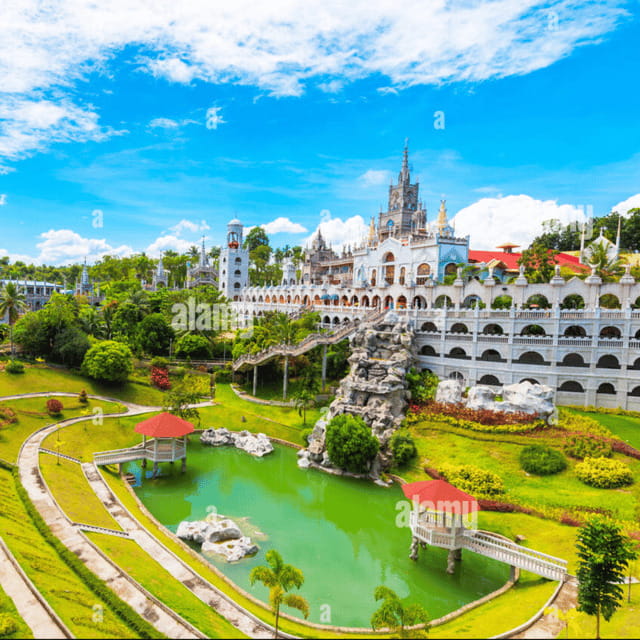
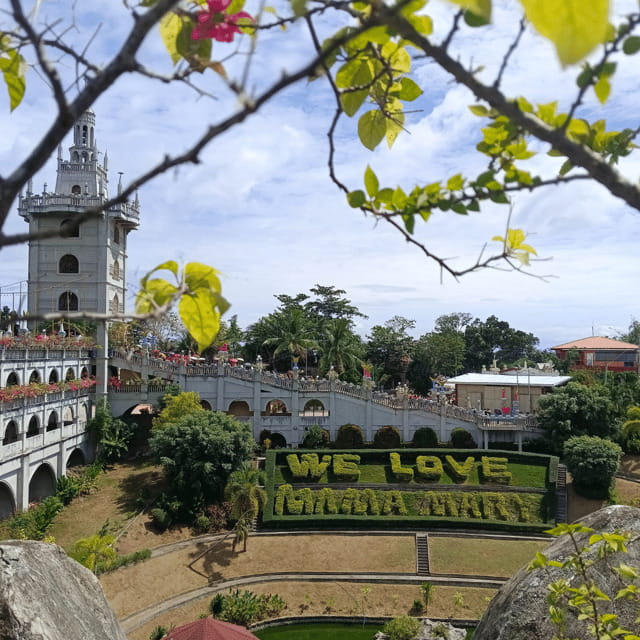
The building catches your eye before you enter. Its gothic-style towers, carved details, stained-glass windows, and carefully decorated interior give it the look of a European castle adapted to Cebu’s green hill country. The setting feels peaceful, though the shrine is also an active place of worship rather than a museum built only for tourists.
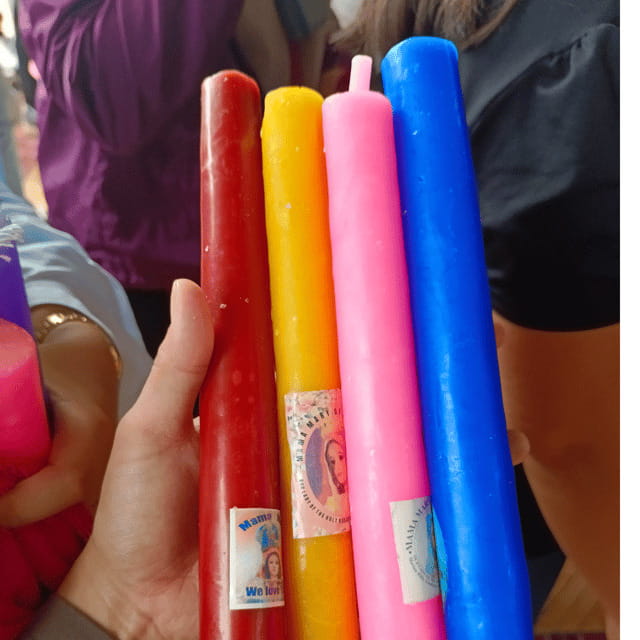
Inside, hundreds of candles create the most memorable detail. Devotees light them as a sign of faith, and the candlelight adds a quiet, human touch to the grand architecture. I would give this stop time and respect. Walk slowly, keep your voice down, and remember that people may be praying nearby.
The site also includes a museum that explains the shrine’s story. This adds useful context to what you see, particularly if you are interested in Catholic traditions and the role of pilgrimage in the Philippines.
Dress carefully. The shrine strictly observes its dress code, so modest clothing is essential. The listed mass times are Sundays at 12 p.m. and 3:30 p.m., Monday through Friday at 12 p.m., and Saturdays at 10:30 a.m. If your visit overlaps with mass, the atmosphere may be especially active, and sightseeing may need to give way to worship.
More City Tours in Cebu
- Cebu City: Whale Shark Swimming & Kawasan Falls Canyoneering
★ 4.7 · 665 reviews - Cebu City: Bohol Countryside Tour with Loboc Cruise Lunch
★ 4.5 · 488 reviews - Private Cebu & Lapu-Lapu City Tour with Uphill Spots & Lunch at House of Lechon
★ 4.5 · 168 reviews
The 6 a.m. start and the long road south
The recommended pickup is around 6 a.m. in your hotel lobby in Cebu City. The driver contacts you when arriving, so keep your phone available and be ready in the lobby rather than making the group wait.
That early start is not just a suggestion for early risers. The tour includes several far-flung stops and lasts roughly 10 hours. Starting early gives you a better chance of completing the full route without cutting stops short.
Transportation is included, which is useful here. You do not need to arrange separate rides to Simala, Carcar, the historic center, or the uphill attractions. The tradeoff is time in the vehicle. You should expect a full road day, not a relaxed walk through one compact part of Cebu.
The tour is conducted in English, and the listed provider is TravelExplr Travel and Tours. The driver is part of the included service, but the information provided does not promise a separate specialist guide. If you want detailed commentary at every landmark, keep that distinction in mind.
Carcar City and the food market stop
After Simala, the route includes a visit to Carcar City and its food market. This is a useful change of mood after the quiet religious setting.
A food market gives you a more ordinary view of local life than a major monument does. You can see the kind of place where food and daily errands shape the rhythm of the city. It is also the natural point in the day to look for something to eat, since food and drinks are not included in the price.
The tour information does not specify which dishes or snacks are available, so I would treat this as a chance to browse rather than a guaranteed tasting program. Bring money for your own purchases and do not assume a meal is provided.
The schedule is busy, so your time here may be limited. If you enjoy local food, this stop could be one of the more appealing parts of the route, but you may need to choose quickly rather than linger over a long meal.
Fort San Pedro and the older Cebu City core
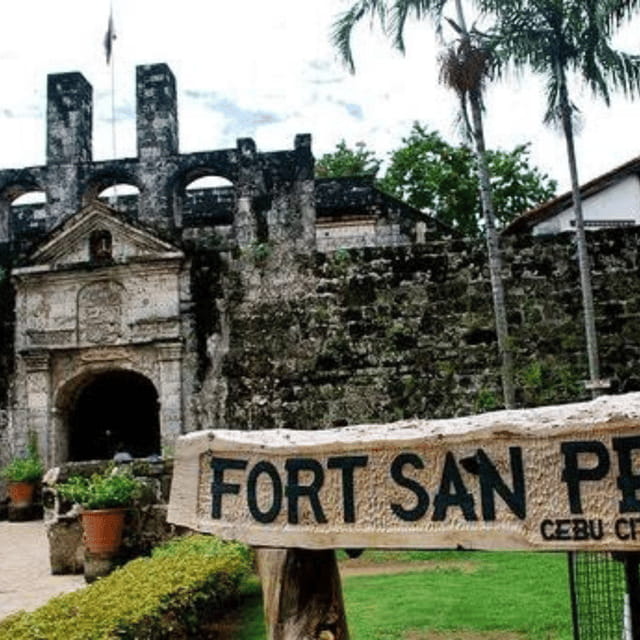
Fort San Pedro brings you back into Cebu City’s historic center. The tour allows time for a visit and photos, making it a good stop for people who want a clear landmark rather than another scenic overlook.
The fort provides a change from Simala’s religious architecture and Sirao’s gardens. Here, the focus is on Cebu’s colonial-era setting and the city’s past as an important port and settlement. The stop is short enough to fit the larger route, but it gives your day a useful historical anchor.
I like the balance in this sequence. You begin with a living religious site, pass through a food market, and then reach a fort in the city center. Each stop shows Cebu from a different angle instead of repeating the same type of attraction.
The itinerary lists Fort San Pedro as both a photo stop and a visit. That wording suggests you should expect a compact stop, not hours of detailed exploration. Keep your camera ready, but do not count on a slow museum-style visit.
More Cebu City trips:
- Bohol Countryside Day Tour From Cebu City | Lunch at Loboc River Cruise
★ 4.5 · 157 reviews - Cebu City: City and Mountain Highlights Tour
★ 4.6 · 85 reviews - The Original Cebu City Historical and Food Walking Tour
★ 4.5 · 81 reviews - Cebu: Exploring Cebu City’s rich history and Uphill Tour
★ 4.5 · 68 reviews
Magellan’s Cross and a major Cebu landmark
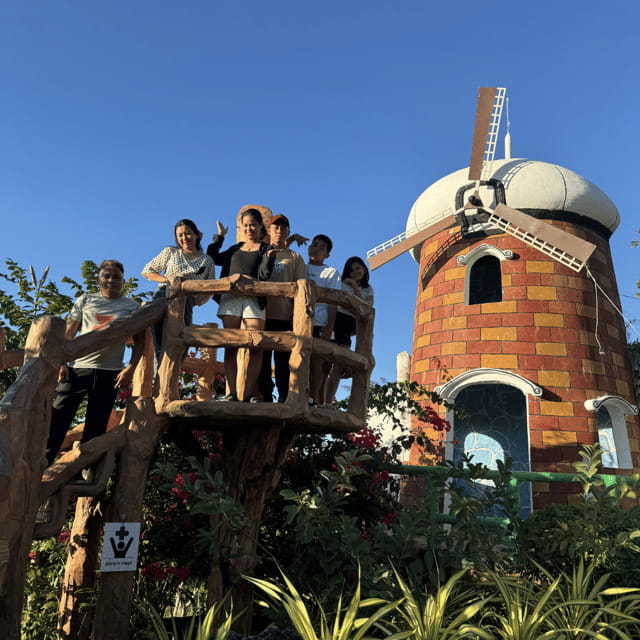
Magellan’s Cross is another central Cebu stop, listed for photos and a visit. It is one of the city’s best-known religious and historical landmarks, so it makes sense for a first-time overview tour.
The site also works well after Fort San Pedro because both are in the central historic area. You can see two important places without having to arrange another ride across town.
Like the fort, this is not presented as a long guided lecture. The stop is designed to fit a day that also includes Simala, Carcar, Sirao Garden, and Temple of Leah. I would use the time to take in the setting, make your photos, and pay attention to the religious importance of the site.
If you prefer a slow, detailed visit at every attraction, this schedule may feel rushed. If you want to cover several major Cebu sights in one outing, the compact timing is the point.
Sirao Garden on Cebu’s uphill roads
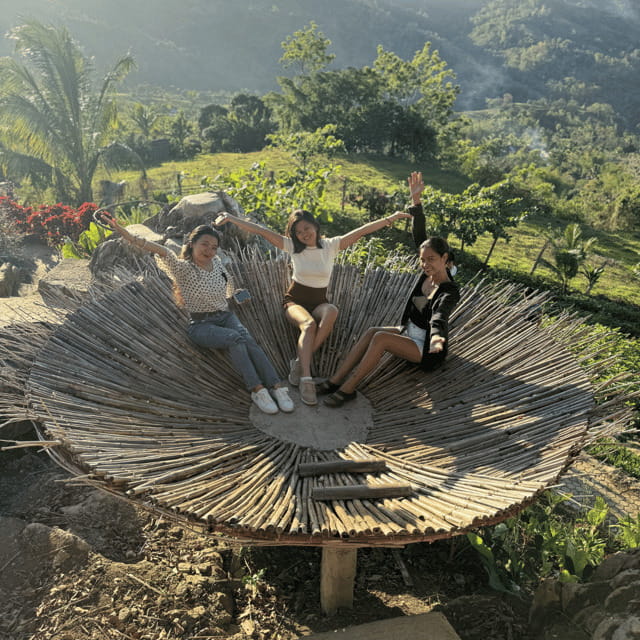
The road then climbs toward Sirao Garden, one of the tour’s scenic stops. The itinerary includes a break and a visit, giving you a chance to step out of the vehicle and enjoy a more open setting.
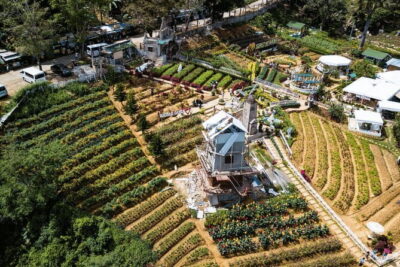
Sirao is best understood as a photo-friendly garden attraction. Its flowers and elevated setting provide a visual contrast to the stone buildings and city landmarks visited earlier. The tour description also points to wide views of Cebu City and the surrounding area from the uphill regions.
This stop may be the most relaxing part of the afternoon. You can take a break, walk through the garden, and enjoy a different view of the city. Still, the tour does not promise a long stay, so keep your visit within the allotted time.
The uphill roads are part of the appeal, but they may not suit everyone. The experience is specifically not recommended for people with motion sickness or altitude sickness. If winding roads are difficult for you, this is an important concern, not a minor footnote.
Temple of Leah and Cebu’s grandest photo stop
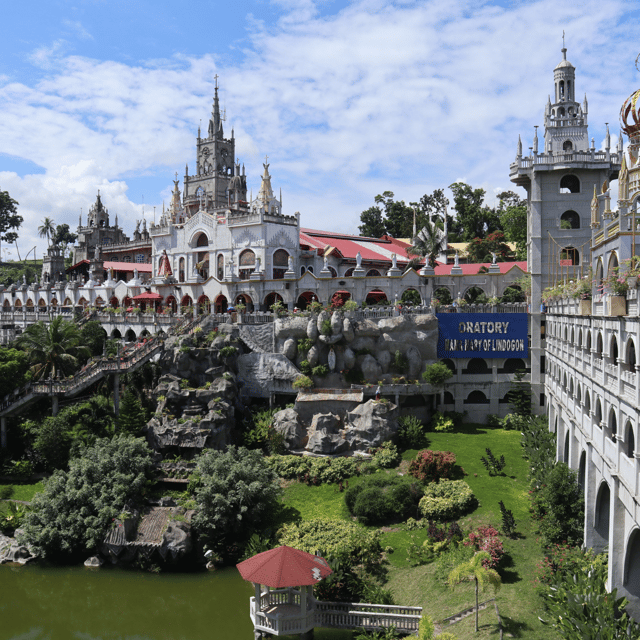
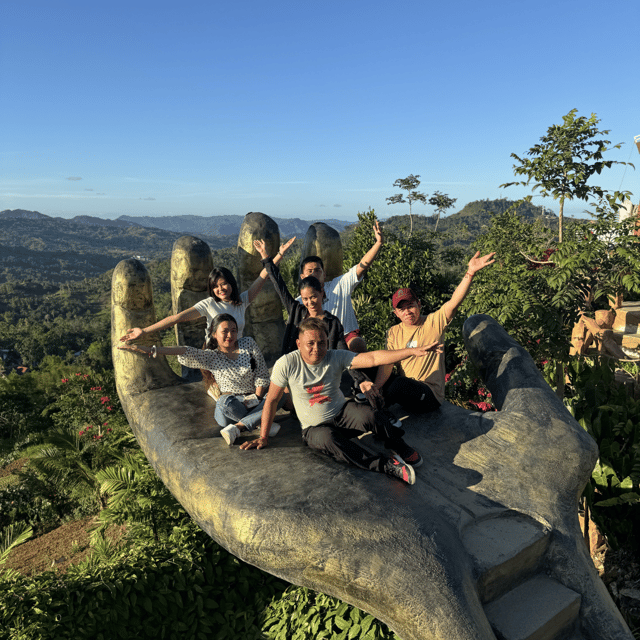
Temple of Leah is the final major attraction before returning to Cebu City. The tour lists it as a photo stop and visit, and the site is known for its large-scale, classical-style design and commanding uphill setting.
After the devotional feel of Simala and the more historic atmosphere around Fort San Pedro and Magellan’s Cross, Temple of Leah offers something theatrical. The architecture is designed to impress from a distance, and the elevated location adds broad views over the city and surrounding countryside.
I would bring a wide-angle camera setting if you have one. The scale of the site and the views are part of the experience, while the visit itself is likely structured around photos and a short walk rather than a long cultural program.
As with Sirao Garden, getting there means using Cebu’s uphill roads. This can be enjoyable if you like viewpoints and winding drives, but uncomfortable if you are prone to motion sickness.
Is $114 a fair price?
The cost is $114 per person. That is not a budget-priced city outing, but the tour covers a lot of ground and includes transportation, a driver, and entrance fees.
The value depends on how you would otherwise reach these places. Simala Shrine is outside the central Cebu sightseeing cluster, and the itinerary also adds Carcar, Fort San Pedro, Magellan’s Cross, Sirao Garden, and Temple of Leah. Booking separate transport for all those stops would require planning, time, and several rides.
The included entrances also make the price easier to judge. You are not paying $114 and then facing a long list of required admission charges. You still need to budget for food and drinks, and the market stop is a good opportunity to buy them.
I think the price makes the most sense for a first visit, a short stay, or anyone who values convenience over independent timing. It is less attractive if you only want the central Cebu landmarks, since several stops require the long ride to Simala and the uphill areas.
Who should take this tour?
I would recommend it to you if you want a broad introduction to Cebu and prefer one organized day rather than several separate outings. It suits visitors who enjoy religious sites, viewpoints, architecture, markets, and photo stops in the same package.
It is also a good match if you are comfortable with an early start and a full day on the road. The English-speaking driver, included transportation, and covered entrance fees reduce the number of practical details you need to arrange.
I would think twice if you want a slow pace. The route contains many major stops, and the day begins around 6 a.m. You may enjoy each place, but you will not have unlimited time at any one of them.
The tour is not suitable for wheelchair users or people with mobility impairments. It is also not recommended for people with heart problems, altitude sickness, or motion sickness. Those limits matter because the route includes uphill areas and winding roads, not simply flat city streets.
Practical advice for a smoother day
Wear modest clothing from the start, since the shrine’s dress code is strictly enforced. Comfortable clothing and shoes will also help at the outdoor stops, though the tour details do not specify the exact walking distance.
Bring money for food and drinks. Nothing to eat is included, and the Carcar market is a natural place to purchase something during the day.
Keep your phone charged. The driver will contact you when heading to your hotel, and you may also want it for photos at Simala, Fort San Pedro, Magellan’s Cross, Sirao Garden, and Temple of Leah.
Do not bring alcohol, drugs, fireworks, or explosive substances. These items are not allowed.
Finally, build your expectations around variety, not depth. You will see religious architecture, a museum, a food market, historic Cebu landmarks, a flower garden, and an elaborate hilltop site. That range is the tour’s strength, but it also explains the early start and brisk schedule.
Should you book the Cebu Simala and city tour?
Book it if you want to cover Cebu’s major contrasts in one day and value having transport and entrance fees handled for you. Simala Shrine is the strongest reason to go, while Carcar, Fort San Pedro, Magellan’s Cross, Sirao Garden, and Temple of Leah make the day feel like a full overview rather than a single-site excursion.
Skip it if you need an easy-access outing, dislike long drives, or prefer spending several hours at one attraction. For everyone else, $114 is a reasonable convenience price for a demanding but varied Cebu day, especially during a short visit.
FAQ
How long does the tour last?
The tour lasts 10 hours and returns to Cebu City.
What time is hotel pickup?
Pickup is recommended around 6 a.m. from your hotel lobby. The driver will contact you when heading to the hotel.
Is transportation included?
Yes. Transportation and a driver are included in the price.
Are entrance fees included?
Yes. Entrance fees are included.
Is food included?
No. Food and drinks are not included, so you should budget separately for them.
What language does the driver speak?
The driver speaks English.
What places does the tour visit?
The route includes the Monastery of the Holy Eucharist at Simala Shrine, Carcar City’s food market, Fort San Pedro, Magellan’s Cross, Sirao Garden, and Temple of Leah.
Are there mass times at Simala Shrine?
Yes. Mass is scheduled at 12 p.m. on Sundays, 3:30 p.m. on Sundays, 12 p.m. Monday through Friday, and 10:30 a.m. on Saturdays.
Is there a dress code at Simala Shrine?
Yes. The dress code is strictly observed at the shrine, so you should dress modestly.
Is the tour suitable for wheelchair users?
No. The tour is not suitable for wheelchair users or people with mobility impairments. It is also not suitable for people with heart problems, altitude sickness, or motion sickness.
Just added in Cebu
- Whole Day and Private Car and Van Rental to Oslob from Cebu City or Mactan★ 5.0 · 1 review
- Whaleshark & Sumilon Is and Moalboal Sardines & Turtle Tour★ 5.0 · 2 reviews
- Whale Shark Watching & Tumalog Falls & Kawasan Falls★ 5.0 · 16 reviews
- Whale Shark Watching with Sumilon Sandbar and Kawasan Falls Tour★ 5.0 · 8 reviews
- Whale Shark Watching and Sumilon Sandbar Private Tour Package★ 5.0 · 17 reviews
- Cebu Whale Shark Encounter, Moalboal Sardines & Tumalog Falls★ 4.0 · 18 reviews
- Full Day Shark Watching and Canyoneering in Cebu★ 5.0 · 15 reviews
- Group Tour of Moalboal Sardines Run & Kawasan Canyoneering★ 4.5 · 9 reviews
Cebu City Tours, compared.
Whale Shark Swimming & Kawasan Falls Canyoneering
Read our review →
Bohol Countryside Tour with Loboc Cruise Lunch
Read our review →
Bohol Countryside Day Tour From Cebu City | Lunch at Loboc River Cruise
Read our review →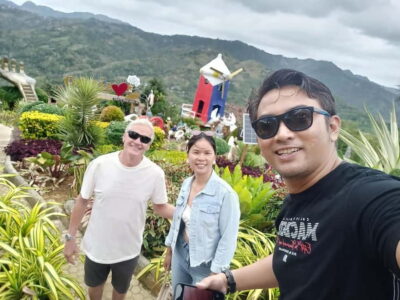
The Original Cebu City Historical and Food Walking Tour
Read our review →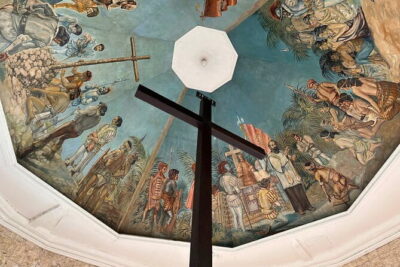
Exploring Cebu City’s rich history and Uphill Tour
Read our review →
Browse the lists this tour appears in