Reviewed · SIARGAO TOURS
Siargao: Hayahay Ritual – Short Version for Soul Alignment
Siargao offers more than surf and island hopping. This private Hayahay ritual uses chanting, coconut oil, breath, and guided visualization to create a quiet Filipino ceremony focused on self-honoring. I like its clear connection to pre-colonial animist traditions, and I like that the experience welcomes people of all identities rather than presenting itself as a religious service. The main consideration is that the ritual includes anointing intimate areas, so you need to feel comfortable with a private, body-focused practice.
Kimberly Macatangay leads the session in English, Italian, or Tagalog, with the exact location arranged by WhatsApp after booking. The short format is listed as about 1 hour 30 minutes, though the general booking information gives a possible duration of 1 minute to 2 hours. Come prepared to participate, not simply watch. You will chant, apply oil, listen, breathe, and follow visualizations.
In This Review
- Key points to know before booking
- What Hayahay means in this Siargao setting
- Beginning with pausok and a change of pace
- The short lecture on Filipino animism
- Chanting the sacred syllable three times
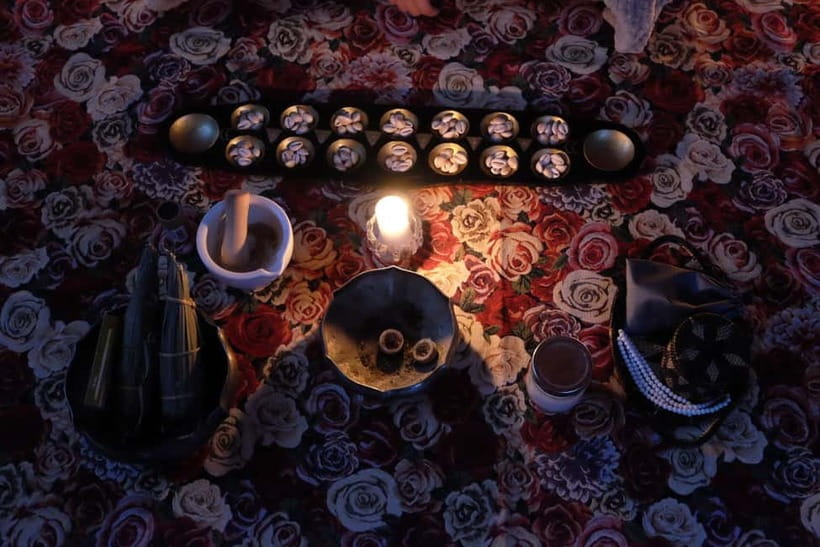
- Self-honoring through seven-vessel anointing
- Final chanting and energetic alignment
- What the $80 price means
- Practical preparation for a comfortable session
- The personal meaning some people may take away
- Who should book this Hayahay ritual
- Should you book it?
- FAQ
- Where does the Hayahay ritual take place?
- How long does the short Hayahay ritual last?
- How much does the ritual cost?
- What languages does Kimberly speak?
- What happens during the ritual?
- What are the seven soul vessels?
- What should I bring?
- Is ritual oil included?
- Can I shower immediately after the ritual?
- Are children allowed to join?
- Can I take photographs or record the session?
- Can I book on the same day?
- What is the cancellation policy?
Key points to know before booking
- The ritual centers on seven soul vessels: Your head, eyes, nose, mouth, ears, arms, and legs each receive attention during the self-anointing practice.
- It begins with pausok: Herbal smoke made with kamangyan and bunot is used as a blessing for the space and body.
- This is a private booking: The stated price is $80 for a group of up to one person, so confirm the final cost if your party includes more than one participant.
- The ritual uses lana: Virgin coconut oil is provided for body anointing, but you need to bring a towel, sarong, bikini, or large cloth for privacy.
- It is framed as modern animism: You receive a short explanation of Filipino animism, usbong energy, and the meaning of Hayahay.
- The only published rating is highly positive: A verified booking from Laura of Spain gave five stars, and she said the experience meant enough to her friend that she later had Hayahay tattooed.
What Hayahay means in this Siargao setting
Hayahay is described as a Filipino word connected with exhaling, softening, and resting into life. That gives you a useful clue about the mood. This is not a fast sightseeing activity or a performance where you sit quietly while someone else does all the work. It asks you to slow your breathing, listen inward, and take part in a sequence of simple actions.
The practice is presented as a modern adaptation of pre-colonial Filipino animist traditions. Kimberly says it was passed to her by a Babaylan mentor, a Filipino shaman from a lineage that preserved ancestral wisdom. The experience therefore aims to offer cultural context as well as personal reflection.
I appreciate the care taken to explain that Hayahay is not a religious ceremony. That matters if you are curious about Filipino spiritual traditions but do not want to join a faith-based service. At the same time, the ritual does have sacred language, prayer, smoke, chanting, and symbolic body work. You should arrive with respect and an open mind, not with the expectation of a conventional spa treatment.
The idea of kapwa, described here as the shared self, also shapes the welcome. In practical terms, that means the ritual is intended for people from different backgrounds and identities. The tone is personal and reflective rather than doctrinal.
More Siargao trips:
- Siargao Tri-Island with Drone & Mermaid Tail
★ 4.2 · 89 reviews - Siargao:Tri Island Hopping Naked Island, Daku, Guyam w/Lunch
★ 3.9 · 47 reviews - Luna: Siargao Tri-Island Tour with Drone, GoPro Shots, Lunch
★ 4.2 · 22 reviews
Beginning with pausok and a change of pace
The session opens with pausok, an herbal smoke blessing at the entrance of the land. Kamangyan and bunot are used to clear the space and body. The smoke is part of the Filipino animist teaching included in the session, not just a decorative opening.
This first step helps mark a boundary between ordinary activity and the ritual itself. Siargao days can be noisy and busy, with plans, transport, meals, weather checks, and phone messages filling the hours. Pausok gives you a clear moment to stop and pay attention.
You should know that this is an aromatic smoke practice. The information does not specify how much smoke is used or how long this part lasts, so anyone sensitive to smoke should ask Kimberly before booking. Smoking by participants is not allowed, and the activity also prohibits indoor smoking.
The exact setting is arranged privately. You can agree on a location with Kimberly by WhatsApp, or hold the session in her area in Don Paulino, Dapa Guiwan. Do not assume a standard meeting point. Contact her soon after booking so the place can be settled in advance.
The short lecture on Filipino animism
After the opening blessing, Kimberly gives a short explanation of Filipino pre-colonial animism. The talk covers pausok, the seven soul vessels, and usbong, described as a natural energetic field.
This teaching adds useful structure to what might otherwise feel like a collection of unrelated actions. You learn why the head, eyes, nose, mouth, ears, arms, and legs are treated as separate vessels, then recognize those ideas as the ritual continues.
The concept of usbong is especially important because it gives the session its language for personal energy and growth. The details provided do not present usbong as a medical idea, and you should not treat the ritual as medical care. It is better understood as a symbolic and spiritual framework for noticing how you feel in your body.
The lecture is short, so do not book this expecting a full academic course in Philippine anthropology. The value is in receiving enough cultural background to take part with understanding. If you want to ask detailed questions, you can use the private setting to clarify what the terms mean to Kimberly and how she learned the practice.
Chanting the sacred syllable three times
The first main module uses a sacred syllable chanted three times. Kimberly guides you through visualization while you focus on the breath and the seven vessels.
Chanting gives you something specific to do. Instead of trying to force your mind to become quiet, you repeat a sound and follow the direction of the guide. The visual element also shifts your attention through the body, helping connect the ritual’s teaching with your own physical awareness.
You do not need to arrive as an experienced meditator. The description presents this as accessible, and the emphasis is on listening inward rather than performing correctly. Still, participation requires a willingness to use your voice. If chanting in front of another person makes you uncomfortable, ask about the process before you reserve.
The three repetitions are part of the ritual design. The supplied information does not identify the syllable itself, so you should not expect to prepare a chant in advance. Kimberly guides the practice during the session.
A completely different kind of day out:
- Siargao Tour A (shared tour)
★ 4.0 · 20 reviews - Siargao Tour G (Private Tour)
★ 4.9 · 12 reviews - Siargao Island Hopping & land Tour
★ 3.5 · 12 reviews - Siargao:Lagoon,Cave Rock Pool, w/Lunch & Transfer
★ 4.5 · 11 reviews
Self-honoring through seven-vessel anointing
The central section is a seven-vessel body anointing with lana, ritual virgin coconut oil. A prayer accompanies the anointing, and the seven areas are the head, eyes, nose, mouth, ears, arms, and legs.
This is the point where the activity becomes most personal. The ritual asks you to honor your body rather than judge it or rush past it. The body work is symbolic and self-directed, with the participant applying the oil. It is not described as a massage, beauty treatment, or service performed by someone else.
Privacy matters here. You are asked to bring a bikini, sarong, towel, or large cloth to cover yourself. The cloth supports privacy while you anoint areas such as the chest, belly, and inner legs. You can also use it to remove excess oil afterward.
That detail is important for deciding if this suits you. The session may be gentle, but it is not casual. You should feel comfortable following instructions that involve intimate areas of your own body in a private ritual setting. If you have concerns about boundaries, clothing, or the level of guidance, contact Kimberly before booking.
The ritual oil is included for use during the session. A small bottle to take home is not included. A handmade, blessed bottle of lana is separately offered at ₱1300, with limited availability and a stated release date of October 7. Treat that as an optional extra, not part of the $80 experience.
Final chanting and energetic alignment
The third module returns to chanting. You repeat the sacred syllable three times, this time with another visualization intended to bring the energy into alignment.
The return to the opening chant gives the session a simple shape: clear the space, learn the ideas, open the breath and vessels, honor the body, then close with another round of sound and visualization. That structure can make the experience easier to follow, especially if you have never taken part in an animist ritual before.
The words energy alignment describe the intended spiritual result, not a measurable treatment. I would approach this as a reflective practice that may help you feel calmer or more focused, while keeping expectations realistic. The experience does not promise medical, psychological, or therapeutic outcomes.
Time permitting, Kimberly may also offer one intuitive Gabaybayin message. This is similar to a rune-style symbolic reading and is not guaranteed. A separate Gabaybayin divination service is not included, so ask about availability if this part interests you.
What the $80 price means
The stated price is $80 per group of up to one person. That wording is unusual, so confirm the booking details if you are traveling with another participant. The experience is private, and the price includes the guide, the pausok opening, the lecture, the three ritual modules, and the ritual oil used during the session.
For a solo visitor who wants a personal ceremony rather than a group activity, the cost may feel reasonable. You are paying for preparation as well as the time spent guiding the ritual. Kimberly explains that she does not accept same-day bookings because she performs a ritual for the space and prepares herself to offer the service effectively.
That preparation is part of the value for people who care about cultural and spiritual intention. It also means this is not a flexible, last-minute activity you can fit into a spare hour after checking the surf forecast. Book ahead and send the WhatsApp message promptly.
The price does not include drinking water, Filipino incenses, a take-home bottle of lana, or Gabaybayin divination. Bring your own water. The ritual is listed as eligible for a full refund if canceled at least 24 hours ahead, and reserve-now-pay-later booking is available.
Practical preparation for a comfortable session
Wear loose, breathable clothing. Avoid jeans, high heels, and shoes indoors. Bring drinking water and a towel, sarong, bikini, or large cloth.
Do not shower immediately afterward. The guidance is to let the oil integrate into the body, so plan the ritual at a time when you do not need to wash off at once. The cloth can help remove excess oil gently when the session ends.
Cameras, photography, video, and audio recording are not allowed. Food, alcohol, drugs, chewing gum, smoking, and littering are also prohibited. These rules fit the private and ceremonial nature of the activity, but they may feel strict if you are used to documenting every part of a holiday.
The experience is not considered suitable for children under 18 or people with mobility impairments. Electric wheelchairs and crutches are specifically listed among the restrictions. If you have any access concern, ask Kimberly before making plans rather than relying on the general description.
The language choices are English, Italian, and Tagalog. That makes the ritual more accessible for many international visitors, though the precise level of language support will depend on the language you choose and your comfort with spiritual vocabulary.
The personal meaning some people may take away
The most striking result attached to this experience is not a sightseeing view or a souvenir. Laura from Spain booked it as a gift for her best friend, who enjoyed it so much that she had the word Hayahay tattooed afterward.
That is one person’s response, not a promise of the same result for you. Still, it shows the kind of impact the ritual aims for. This is designed to be memorable through meaning, symbolism, and personal reflection. If you want an activity that gives you a story to tell about a place, Hayahay may stay with you longer than another short commercial stop.
It also explains why the ceremony may appeal to someone marking a birthday, friendship, personal transition, or period of rest. The supplied information does not promise a specific outcome, so I would choose it because you value the process itself, not because you expect a dramatic revelation.
Who should book this Hayahay ritual
I would recommend it most strongly to adults who are curious about Filipino animist ideas and comfortable with guided self-anointing. It suits solo visitors particularly well because the booking is private and the work is inward-looking.
You may also like it if you have spent your Siargao holiday in a very active way and want a slower counterpoint. The session offers a deliberate pause, with a beginning, middle, and end. It is not a replacement for a cultural museum visit or a formal history lesson, but it gives you a personal way to consider Filipino spiritual traditions.
I would hesitate if you dislike chanting, prayer, smoke, symbolic language, or partial undressing. I would also skip it if you want a conventional massage, a group social activity, or a quick drop-in experience. The short format still requires attention and preparation.
The single available rating is five stars from Laura of Spain, and the tattoo story suggests a strong emotional response. Because only one rating is provided, I would treat it as an encouraging sign rather than a broad measure of consistency.
Should you book it?
Book the short Hayahay ritual if you want a private, culturally rooted pause in Siargao and are ready to participate fully. The combination of pausok, the seven soul vessels, chanting, body anointing, and visualization gives the session a clear purpose rather than a vague wellness label.
Before paying, confirm the exact duration, location, and price if more than one person will attend. Message Kimberly through WhatsApp after booking, bring water and a covering cloth, and leave enough time afterward to avoid showering immediately.
Skip it if you want sightseeing, entertainment, or a hands-off treatment. But if the idea of exhaling, softening, and listening to your body feels useful, this unusual Siargao experience offers a thoughtful way to do that.
FAQ
Where does the Hayahay ritual take place?
The location is arranged with Kimberly by WhatsApp after booking. It can also take place in her area in Don Paulino, Dapa Guiwan.
How long does the short Hayahay ritual last?
The short version is described as 1 hour 30 minutes. General activity information gives a possible duration of 1 minute to 2 hours, so confirm the exact timing when checking availability.
How much does the ritual cost?
The listed price is $80 per group of up to one person. If you want more than one participant, confirm the applicable price before booking.
What languages does Kimberly speak?
The activity is offered in English, Italian, and Tagalog.
What happens during the ritual?
You take part in a pausok herbal smoke blessing, listen to a short lecture, chant a sacred syllable three times, practice guided visualization, anoint the seven soul vessels with ritual oil, and finish with another three chants and visualization.
What are the seven soul vessels?
They are the head, eyes, nose, mouth, ears, arms, and legs. Each is treated as carrying a distinct energetic imprint during the ritual.
What should I bring?
Bring drinking water and a towel, sarong, bikini, or large cloth. Wear loose, breathable clothing.
Is ritual oil included?
Ritual lana, described as virgin coconut oil, is provided for the body anointing. A small bottle to take home is not included and may be available separately for ₱1300.
Can I shower immediately after the ritual?
The guidance is to avoid showering immediately afterward so the oil can absorb and integrate.
Are children allowed to join?
No. The activity is not suitable for children under 18. It is also not considered suitable for people with mobility impairments.
Can I take photographs or record the session?
No. Photography, cameras, video recording, and audio recording are not allowed.
Can I book on the same day?
No. Same-day bookings are not accepted because Kimberly needs time to prepare herself and the ritual space.
What is the cancellation policy?
You can cancel up to 24 hours in advance for a full refund. Reserve-now-pay-later booking is also available.
Just added in Siargao
- Waves & Wonders: Siargao Private Tour M Adventure★ 5.0 · 1 review
- Siargao: SeaScooter Activity – Experience Flying Underwater★ 5.0 · 1 review
- Siargao Sunset Paddle Board and Firefly Watching★ 5.0 · 1 review
- Siargao Surfing Lesson for Beginner with Certified Instructor★ 5.0 · 1 review
- Siargao Trio Islands All Inclusive Day Tour★ 5.0 · 1 review
- Siargao Sohoton + Club Tara + Tiktikan Lagoon★ 5.0 · 1 review
- Siargao Private Sohoton Bucas Grande Tour with Lunch★ 5.0 · 1 review
- Siargao Land Tour★ 4.0 · 1 review
Siargao Tours, compared.

Tri Island Hopping Naked Island, Daku, Guyam w/Lunch
Read our review →