
Reviewed · CORREGIDOR ISLAND TOURS
2 Days Private Bataan Tour with Corregidor
War history becomes personal here. This two-day private tour links the Bataan Death March memorials with Corregidor Island, giving you a clear route through some of the Philippines’ most important Second World War sites. I like the private car and guide arrangement, which lets your group spend more time at places that matter most. I also like the strong focus on battlefield discussion, especially on Corregidor.
The main drawback is the price: $1,150 per person is a serious expense, particularly for a small group. You also need an early start, a full day on the road, and good weather for the island crossing. For a history buff, though, this is far more focused than a quick sightseeing trip.
In This Review
- Key Points Before You Book
- Why This Tour Matters
- Day One: Capas National Shrine and Camp O’Donnell
- Bamban Museum and Its Private Collection
- April 9 and the Bataan Surrender
- Zero Kilometer: Starting the Death March Route
- Day Two: Corregidor Starts at 7:00 am
- Mount Samat and the Final Battle of Bataan
- San Fernando and the Prisoner Route
- The Private Guide and Driver Setup
- Is $1,150 Per Person a Fair Price?
- Who Should Book This Experience?
- Final Verdict: A Serious History Tour With Personal Value
- FAQ
- Where does the tour start?
- How long does the experience last?
- Is this a private tour?
- Is pickup available?
- How long is the boat ride to Corregidor?
- How long do you spend on Corregidor Island?
- Is admission included at Capas National Shrine?
- Is there an admission fee for the Bamban Museum of History?
- Does the tour visit the starting point of the Death March?
- What happens if bad weather cancels the tour?
Key Points Before You Book
- The tour follows the Death March story: You visit Capas National Shrine, the Bamban Museum, the Bataan World War II Museum, the Zero Kilometer marker, and San Fernando.
- Corregidor gets seven hours: A 20-minute boat ride leads to a bus tour of the island, with extended battlefield discussion.
- It is fully private: Only your group takes part, with a private car, guide, and driver.
- The guide can adjust the day: One booking was praised because the guide accommodated specific requests for additional sites.
- The route carries real family meaning: One participant followed the path taken by a grandfather who survived the Death March.
- You must plan around timing: The Corregidor day begins at the pier at 7:00 am, while the tour itself lasts about two days.
Why This Tour Matters
The Philippines was a major Pacific battleground in the Second World War, and Bataan was central to that story. The fighting ended with the surrender of American and Filipino forces in April 1942, followed by the forced movement of prisoners toward Camp O’Donnell. The route was marked by hunger, disease, exhaustion, and abuse.
This experience helps you connect those events to real places. You are not only looking at a monument or reading a plaque. You are following the sequence from the final battle at Bataan, to surrender, to imprisonment, to the sea fortress of Corregidor.
I especially like the way the tour combines formal memorials with smaller collections. The national shrines explain the public story, while the Bamban Museum adds the physical evidence of war through its collection of Second World War artifacts. That mix gives the two days more texture.
The private format also matters. You are not tied to a large group’s pace, and you can ask questions as the story develops. One participant specifically praised the guide for adjusting the visit around personal interests. That flexibility can be valuable when you have a family connection to the Death March or want to spend extra time at one battlefield.
More Corregidor Island trips:
- Full-Day Tour in Corregidor and Bataan War Memorial from Manila
★ 4.5 · 17 reviews - Corregidor daytour Via Manila to Bataan
★ 5.0 · 5 reviews - Corregidor day tour via Manila to Bataan
★ 5.0 · 1 review
Day One: Capas National Shrine and Camp O’Donnell
The first stop is Capas National Shrine, also known as Camp O’Donnell. This was the former concentration camp for Filipino and American prisoners of war after the Battle of Bataan.
You have about one hour here, with admission included. The visit sets the emotional tone for the day. After seeing where the prisoners were held, the later stops along the route become easier to understand. This is not simply a military site. It is a place connected to the suffering that followed the surrender.
Give yourself time to take in the memorial grounds and listen closely to the guide’s explanation. The tour description does not promise a specific style of memorial presentation, so the value here depends heavily on the discussion. That is one reason the private format works well for people who want to ask direct questions.
The drive between stops is part of the experience. You are tracing the geography of the campaign, not hopping randomly between attractions. I would treat the day as a moving lesson, with each site adding another piece to the same story.
Bamban Museum and Its Private Collection
The Bamban Museum of History is a private Second World War museum maintained by a war historian. You have about one hour here, and there is no admission charge, though donations are appreciated.
This stop gives the tour a more personal feel. A private collection can show the war through objects and artifacts rather than only through large monuments. The collection is described as extensive, but you should expect the guide to help explain why individual objects matter and how they fit into the wider campaign.
I like the fact that this is not treated as a quick photo stop. An hour gives you enough time to look carefully, ask questions, and compare what you see with the story presented at Capas. If you enjoy military equipment, documents, or material history, this may be one of the day’s most rewarding visits.
The museum’s donation request is modest, but it is worth carrying some flexibility in your budget. Since the tour price is high, small optional costs still matter less than the quality of the explanation. Ask the guide to connect the museum’s artifacts with the specific sites you have already visited.
April 9 and the Bataan Surrender
The Bataan World War II Museum marks the surrender site of American general Edward King to Japanese forces in April 1942. You spend about one hour here, and admission is included.
This stop gives you a direct point of reference for the collapse of the Bataan defense. The date is important, but the setting is just as useful. You can understand the surrender as a moment in a larger chain of events, not as an isolated fact from a textbook.
The museum may appeal most to visitors who want the military sequence explained clearly. You can ask about the final battle, the condition of the troops, and what happened immediately after the surrender. The guide’s battlefield discussion should help tie those questions together.
I would not rush this stop. The tour covers a lot in two days, and it can be tempting to treat each museum as another item to check off. Instead, use this hour to clarify the turning point of the Bataan campaign before visiting the Death March marker.
A few more Manila days worth comparing
- Intramuros, Manila: Historical Bamboo Bike Tour
★ 4.8 · 583 reviews - Experience Intramuros with Bamboo Bicycle – Ecotours
★ 5.0 · 508 reviews - Manila: Intramuros, Chinatown, and Old Manila Half-Day Tour
★ 4.8 · 475 reviews - Manila: Old & New 4-Hour City Tour
★ 4.5 · 458 reviews
Zero Kilometer: Starting the Death March Route
The Zero Kilometer Death March Marker marks the beginning of the Death March. The stop lasts about 30 minutes and has no admission charge.
Short visits can still carry great weight. This marker gives the route a precise beginning, which helps you grasp the scale of the journey that followed. After learning about the surrender and the prison camp, seeing the starting point brings the story into a physical sequence.
Thirty minutes should be enough for a brief explanation and reflection, but it is not a long stop. If you have a family connection to the Death March, tell the guide early in the day. One participant with a grandfather who walked the route found the experience deeply emotional, and the private setup is better suited to that kind of personal response than a large group schedule.
The day includes four stops, so expect driving between them and a steady amount of historical discussion. Comfortable clothing and sensible shoes are practical choices, but the supplied details do not specify walking distances or special access conditions.
Day Two: Corregidor Starts at 7:00 am
The second day begins at the pier at 7:00 am. You take a boat for about 20 minutes to Corregidor Island, then use a tour bus to travel around the island. The Corregidor portion lasts about seven hours.
That early meeting time is not a minor detail. You need to be ready for a full day before the island visit even begins. Pickup is offered, but the exact pickup arrangement should be confirmed when booking, since the listed meeting information specifies the pier and a 7:00 am start.
Corregidor is the centerpiece for many people on this tour. The island’s position made it important to the defense of Manila Bay, and the tour is designed around battlefield explanation rather than a quick scenic visit. You should expect the bus to handle the island’s main route while the guide explains the military events connected to the sites.
A private group can make a major difference here. One participant described having Corregidor almost to the group alone and receiving a VIP-style experience. That does not guarantee a quiet island on your date, but it shows how the private format can feel more personal when conditions are favorable.
The tour description promises extensive battlefield discussions on Corregidor. That is the strongest reason to choose this experience over a basic island outing. You are paying for context, not only transportation and views. If your interest is mainly sightseeing, seven hours may feel long. If you want to understand the campaign, the extra time is useful.
Mount Samat and the Final Battle of Bataan
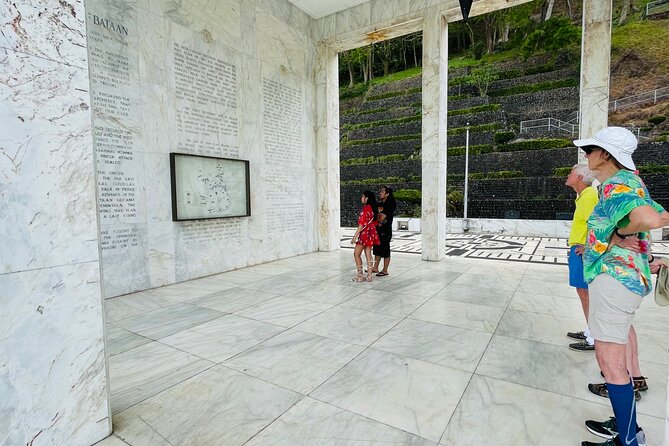
Mount Samat National Shrine, also called Dambana ng Kagitingan, receives about two hours of the second day. The site marks the mountain where the final battle of Bataan took place before the American surrender. Admission is included.
Two hours gives this stop more weight than a brief roadside visit. The mountain is tied directly to the final stage of the Bataan defense, so it works as a strong companion to the surrender museum from day one.
I would use the guide’s explanation here to connect terrain with military decisions. The tour is designed for battlefield discussion, and Mount Samat is the kind of place where location matters. You can ask how the final battle fits into the wider defense and why the mountain became such a powerful memorial site.
The schedule places Corregidor before Mount Samat and San Fernando on the second day. That is a long day, and the order may feel unusual if you expect the Bataan route to unfold in a straight line. Still, it allows you to devote most of the morning and afternoon to Corregidor before returning to the mainland sites.
San Fernando and the Prisoner Route
San Fernando is the final listed stop, with about 30 minutes at the train station where prisoners of war were loaded before continuing to the concentration camp.
The short visit works because the station represents a clear link in the route. You have already seen Camp O’Donnell and the Zero Kilometer marker. San Fernando helps fill in the movement between those points.
Do not expect a long museum visit here. The schedule allows half an hour, so the stop is mainly about location and explanation. Its value comes from placing the prisoner journey on a map and in a real setting.
I find this kind of stop useful because it prevents the history from becoming a collection of disconnected memorials. Capas, the starting marker, and San Fernando each represent a different stage. Together, they show the route as a process.
The Private Guide and Driver Setup
The tour uses a private car with a guide and driver, and only your group participates. That is a strong match for this subject. You can ask questions without worrying about slowing down a busload of people, and you can tell the guide if a particular family story or military topic matters to you.
JB is named as the guide praised for the overall trip. The feedback points to a guide who was both warm and highly informed, and who helped create a personalized experience. Another booking praised the guide and driver combination, along with the willingness to accommodate requested sites.
Do keep your expectations sensible. A private tour does not mean every part of the schedule can change. Corregidor depends on the boat departure, and the 7:00 am start leaves little room for delay. The tour is flexible within a planned structure, not an entirely free-form day.
The mobile ticket and pickup option make the booking simple, while confirmation is provided at the time of booking. Since this is a private activity, you do not share the experience with other groups arranged by the provider.
Is $1,150 Per Person a Fair Price?
At $1,150 per person, this is not a budget tour. The price needs to be judged against the format: two days, a private vehicle, a guide and driver, Corregidor transportation, multiple historic sites, and a private schedule.
For a solo visitor or a couple, the cost may feel hard to justify. For a family group or a small party with a strong interest in the Second World War, the value becomes easier to see. The private arrangement saves you from arranging several long transfers and trying to connect Bataan with Corregidor on your own.
The price also reflects the depth of the subject. You are not buying a simple ride to one attraction. You are paying for a guide who can explain a complicated campaign across several locations and respond to your questions.
Still, ask what is included before you commit. The data confirms admission at several sites, the boat and bus arrangement for Corregidor, private transport, pickup offered, and a mobile ticket. It does not spell out every possible meal, hotel, or incidental cost, so clarify those points directly.
Who Should Book This Experience?
I would recommend this tour to you if you have a serious interest in the Second World War, a family connection to the Bataan Death March, or a strong desire to see Corregidor with detailed battlefield discussion.
It also suits visitors who value privacy and a custom pace. The ability to request specific sites is important if you have a personal research goal or want to focus on Filipino and American military history.
I would hesitate if you want a relaxed two-day holiday with plenty of free time. The schedule is packed, the second day begins early, and the subject is often solemn. This is a purposeful trip, not a light sightseeing excursion.
Book at least six full days before the start time if you want the stated full-refund option. Cancelling two to six full days ahead allows a 50 percent refund, while cancelling less than two full days ahead means no refund. Bad weather can also affect the experience, but a weather cancellation offers a different date or a full refund.
Final Verdict: A Serious History Tour With Personal Value
This is a strong choice for the right audience. I like its clear connection between Bataan, the Death March, prisoner sites, Mount Samat, and Corregidor. I also like the private format, the long Corregidor visit, and the chance to shape parts of the day around your interests.
The cost, early start, and packed schedule are real concerns. But if you want more than a quick look at monuments, this tour gives you time, transport, and guided context across the major sites. For history-minded visitors, especially those with family ties to the Death March, it can turn a difficult chapter into a route you can finally understand.
FAQ
Where does the tour start?
The listed start time is 7:00 am. On the Corregidor day, you go to the pier at 7:00 am for the boat to the island.
How long does the experience last?
The experience lasts approximately two days.
Is this a private tour?
Yes. Only your group participates, and the tour uses a private car with a guide and driver.
Is pickup available?
Yes. Pickup is offered.
How long is the boat ride to Corregidor?
The boat ride takes about 20 minutes.
How long do you spend on Corregidor Island?
The Corregidor portion lasts about seven hours, including travel around the island by tour bus.
Is admission included at Capas National Shrine?
Yes. Admission to Capas National Shrine is included.
Is there an admission fee for the Bamban Museum of History?
Admission to the Bamban Museum is free. Donations are appreciated.
Does the tour visit the starting point of the Death March?
Yes. The Zero Kilometer Death March Marker marks the starting point, and the visit lasts about 30 minutes.
What happens if bad weather cancels the tour?
You will be offered a different date or a full refund if the experience is cancelled because of poor weather.
Just added in Manila
- Underground River with Lunch★ 3.6 · 5 reviews
- Manila Night market and Street Food Tour★ 5.0 · 2 reviews
- Cruise Shore Excursion of Taal Volcano with Lunch★ 4.5 · 4 reviews
- Ultimate 8-Day Palawan Island Tour Package from Manila City★ 5.0 · 1 review
- Unforgettable Manila Fishing Village Day Excursion 2024★ 5.0 · 4 reviews
- Tagaytay + Hidden Valley Springs: A Scenic Escape w/ Transfers★ 4.0 · 4 reviews
- Tagaytay Day Tour sightseeing with Panoramic Taal volcano view★ 5.0 · 6 reviews
- 3 Days Private Tour in Banaue Ifugao visiting Batad Rice Terraces★ 3.5 · 3 reviews
Corregidor Island Tours, compared.
Full-Day Tour in Corregidor and Bataan War Memorial from Manila
Read our review →
Corregidor Island Guided Tour w/Hotel Pick up & Drop
Read our review →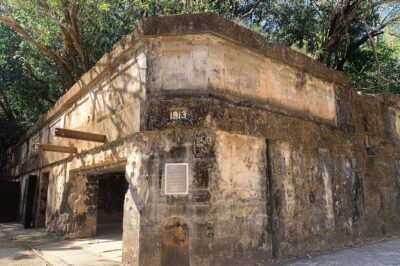

Browse the lists this tour appears in