Reviewed · MANILA TOURS
Bataan Death March memorial tour
History hits harder when it has a family voice. This private Bataan Death March memorial tour links important World War II sites with personal stories from guides such as JB Quemado, whose grandfather survived the march and POW imprisonment. I especially like the private format and the chance to hear Filipino wartime history from someone with a direct family connection. The main drawback is the distance: expect about 10 hours, with a great deal of that time spent on the road.
I also like the mix of formal memorials and the small Bamban Museum of History, where local relics and stories add detail that larger sites may miss. You should know, though, that the day can feel rushed at some stops, and the exact order may run in reverse to reduce the long drive to Bataan.
In This Review
- Key points at a glance
- Why the Bataan Death March still matters
- Starting from Manila at 7:00 in the morning
- Mount Samat and the Shrine of Valor
- The Bataan World War II Museum and the 1942 surrender
- Capas National Shrine and the memory of Camp O’Donnell
- Bamban Museum of History, the day’s surprise
- The guide makes or breaks the experience
- Understanding the long drive
- What the price includes in practical terms
- Who should book this day trip
- Small details to settle before you go
- Should you book the Bataan Death March memorial tour?
- FAQ
- How long does the Bataan Death March memorial tour last?
- What time does the tour start?
- Is hotel pickup available?
- Is this a private tour?
- Which places are visited?
- Is Mount Samat open every day?
- Are admission fees included?
- Can I cancel for a full refund?
Key points at a glance
- A full-day private trip from Manila: Pickup is available from hotels in the Manila area, and only your group of up to four takes part.
- Mount Samat’s Shrine of Valor: This major memorial offers the strongest visual setting of the day and honors Filipino and American forces who fought in World War II.
- Personal family history: Guides including JB Quemado and Vincent have connected the tour to family experiences of the march and imprisonment.
- Four important stops: The route includes Mount Samat, the Bataan World War II Museum, Capas National Shrine, and Bamban Museum of History.
- Long but meaningful transport: The farthest sites require substantial road time, so this works best for people who want depth, not a relaxed sightseeing day.
- Good value for a small group: At $350 per group of up to four, the cost becomes more reasonable when shared by two, three, or four people.
Why the Bataan Death March still matters
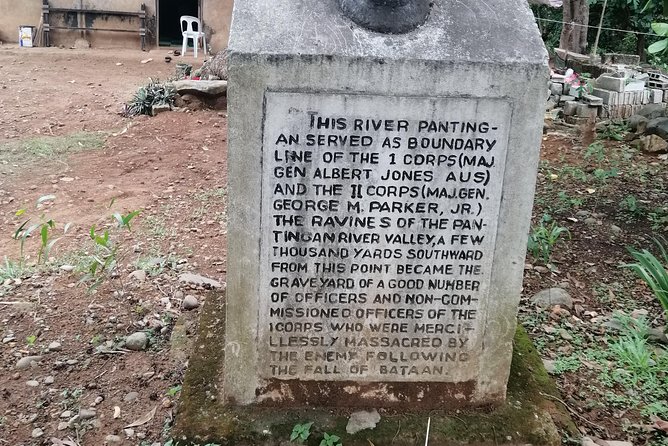
The Bataan Death March began after the surrender of USAFFE forces in 1942. Filipino and American prisoners were forced to travel under brutal conditions before reaching prison camps, including Camp O’Donnell, now remembered at Capas National Shrine.
A visit to these places gives you more than a timeline. It helps connect the surrender, the forced march, imprisonment, and later remembrance. The subject is painful, and the tour does not turn it into light sightseeing. You should allow room for quiet moments.
I find the personal element especially important. Guides have shared stories about grandfathers who took part in the march or endured POW conditions. That family link can make the history feel immediate without needing theatrical presentation. Ask your guide questions, and give them time to explain how Filipino families remember the war.
This is also a useful tour for people who already know the broad outline of World War II. The museums and memorials fill in local details, while the guide helps connect places that can otherwise feel scattered across central Luzon.
A few more Manila days worth comparing
- Intramuros, Manila: Historical Bamboo Bike Tour
★ 4.8 · 583 reviews - Experience Intramuros with Bamboo Bicycle – Ecotours
★ 5.0 · 508 reviews - Manila: Intramuros, Chinatown, and Old Manila Half-Day Tour
★ 4.8 · 475 reviews
Starting from Manila at 7:00 in the morning
The day begins early, with a 7:00 a.m. start and pickup available from hotels in the Manila area. That early departure matters. Bataan and the other sites are far enough from Manila that a late start would leave less time for the memorials.
The tour is private for your group, with a maximum of four people. That makes it easier to discuss sensitive subjects, adjust the pace where possible, and ask direct questions. It also means you are not waiting for a large coach group at every stop.
The $350 price is per group, not per person. For four people, that works out to $87.50 each. For two people, it becomes $175 each, so the value is much better when shared by a small family or group of friends. The price includes transfers from the Manila area and admission tickets where listed, which removes some of the planning work involved in reaching several distant sites in one day.
The tradeoff is simple: this is a road-heavy day. One poor rating focused on planning, missing locations, and the amount of travel. The operator explained that the route may run in reverse because reaching Mariveles or Bagac can take roughly four hours. I would confirm the order of stops before departure so your expectations match the actual driving plan.
Mount Samat and the Shrine of Valor
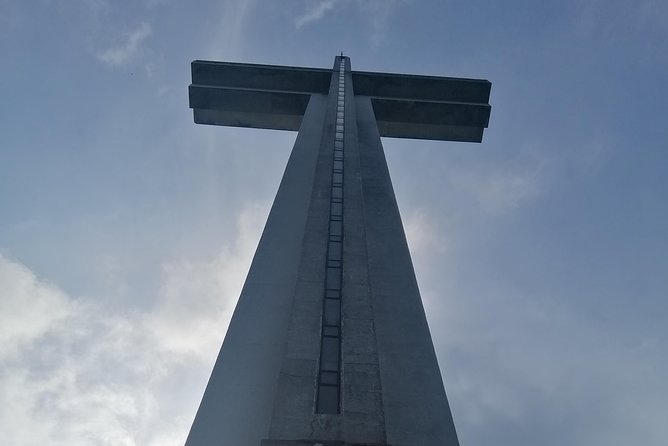
Mount Samat National Shrine, also called Dambana ng Kagitingan, is the emotional and visual centerpiece for many people. It was built as a shrine to those who fought in World War II, and its hilltop setting gives the visit a strong sense of place.
You have about an hour here, and admission is included. The setting helps you grasp the scale of the fighting and the importance of the Bataan campaign. Several people have found the views and the monument especially memorable, and I can see why this stop carries more weight than a simple museum visit.
The site is closed on Mondays, an important point when choosing your date. The tour also depends on suitable weather, so poor conditions can lead to a different date or a full refund.
Give this stop your full attention. It is easy to focus on photographs from a high memorial, but the real purpose is remembrance. Your guide can help explain the shrine’s role and place it within the wider story of the surrender and march.
The Bataan World War II Museum and the 1942 surrender
The Bataan World War II Museum is scheduled for about 30 minutes. It marks the surrender site of USAFFE forces in 1942, making it a key stop for understanding how the march began.
Half an hour is not a long time. I would use it to focus on the displays most closely tied to the surrender and the local experience of the campaign. A guide adds value here by pointing out what matters, especially if the museum’s presentation feels brief or uneven.
That short visit is also one reason to ask questions throughout the day rather than waiting until the end. The tour is not built around long museum sessions. Instead, it uses several locations to form a wider story.
Some people may wish for more time at this museum. If you have a serious interest in military details, tell the guide early. The tour is described as customizable, so your group may be able to adjust emphasis, although the long distances limit how much extra time is available.
A completely different kind of day out:
- Manila: Old & New 4-Hour City Tour
★ 4.5 · 458 reviews - Manila Old and New: Sightseeing Tour Including Intramuros and Fort Santiago
★ 4.5 · 377 reviews - Spectacular Manila to Tagaytay: Full-Day Sightseeing Tour
★ 5.0 · 349 reviews - Makati Nightlife: VIP Access to Clubs, Rooftops & Go-Go Bars
★ 4.9 · 278 reviews
Capas National Shrine and the memory of Camp O’Donnell
Capas National Shrine recalls Camp O’Donnell, the former concentration camp for Filipino POWs in 1942. The visit lasts about 30 minutes and admission is included.
This stop gives the march a grim continuation. The story does not end when prisoners leave Bataan. Capas helps you understand the imprisonment that followed and the suffering associated with the camp.
The brief time here calls for a respectful, focused visit. I would listen closely to the guide’s account rather than expecting a large museum experience. The emotional force comes from the site’s meaning and the connection to POW history.
The tour operator has explained that Capas may be visited early in the day, particularly when the route runs in reverse to avoid the longest drive at the end. That can make practical sense, even if it differs from the order you first expect. Again, confirm the sequence before setting out.
Bamban Museum of History, the day’s surprise
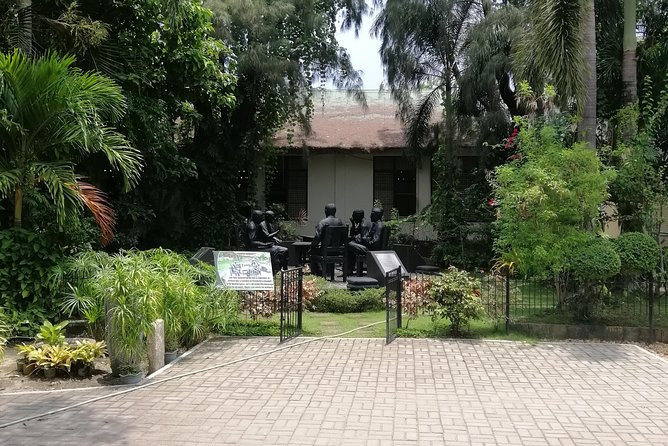
The Bamban Museum of History is a private museum with relics from the area. It is free to enter, and you spend about an hour with the curator, who shares stories about local places and people connected to World War II.
This may be the most distinctive stop. Large national memorials provide official remembrance, while Bamban offers a more personal and local presentation. The museum has been praised for its collection and for the way the curator explains the objects and events tied to them.
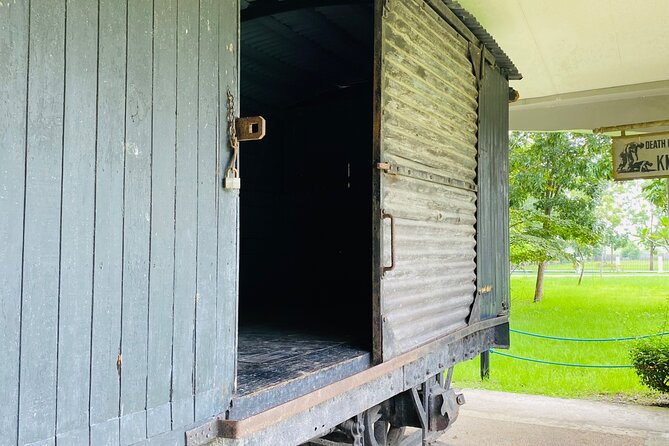
I like this kind of small museum because it can show the human scale of war. A replica cart used to transport American prisoners during the march has made a particularly strong impression on visitors. Seeing an object associated with the march can make the account feel less abstract.
The museum’s private nature also means the experience may depend heavily on the curator and the time available. That is not a flaw, but it is different from visiting a formal national institution. Treat the hour as a guided conversation rather than a polished, large-scale exhibition.
The guide makes or breaks the experience
The strongest part of this tour is the guide’s storytelling. JB Quemado has been praised for sharing his grandfather’s experience as a participant in the march and POW system. That kind of family connection adds feeling and context without replacing the historical sites.
Other guides have also received warm praise. Vincent is described as friendly and communicative, while Ferdinand Contreras has been noted for giving a clear overview of the march and the wartime locations. Since the assigned guide can vary, the exact style of the day may differ.
I would make the most of this by preparing a few questions. Ask how Filipino families remember the march, what happened at each location, and which parts of the story are often missed. A good private tour lets you shape the conversation more than a fixed group excursion.
There is one practical caution. One visitor felt that important locations were not clearly pointed out and that detailed questions were not fully answered. The operator later clarified that 0 Kilometer and San Fernando were not part of the available route, with San Fernando Station under construction since December 2022. If those places matter to you, ask about them before booking rather than assuming they are included.
Understanding the long drive
The tour covers a wide area, so the vehicle time is unavoidable. Some people find the travel tiring, while others consider it worthwhile because the sites are difficult to connect independently in one day.
The private vehicle and hotel pickup make the day easier than arranging separate transport to Bataan, Capas, and Bamban. You are not changing buses or trying to coordinate several remote stops. Still, this is not a leisurely tour with long breaks and an easy pace.
Bring patience and use the road time well. The guide can explain the sequence of events between stops, answer questions, and help you understand why the route may be arranged in reverse. If you are prone to tiring on long drives, think carefully before booking a 10-hour day.
The route can also be customized to suit your needs, within the limits of time and distance. Raise priorities at the beginning. If your main interest is memorials, say so. If you want more museum time or military detail, say that too.
What the price includes in practical terms
At $350 per group of up to four, this is not a cheap short excursion. It is a full-day private service with Manila-area pickup, a driver, a guide, and included admission at Mount Samat, the Bataan World War II Museum, and Capas National Shrine. Bamban Museum of History is free.
I see the value most clearly for four people. The group rate lowers the per-person cost and gives you a private vehicle for a difficult day of sightseeing. For a solo visitor, the same price is harder to justify unless this subject is a major reason for visiting the Philippines.
The tour also saves research time. You do not need to build a route across several locations or work out how to reach each one from Manila. The guide supplies the historical thread, which is important because the sites do not all present one continuous story on their own.
The weak point is that value depends on your tolerance for driving. If you want a quick introduction to Bataan, this may feel too long. If you want a serious day devoted to the march, surrender, and POW history, the distance is part of the bargain.
Who should book this day trip
I would recommend it most strongly to:
- People with a serious interest in World War II or military history
- Families who want a private and educational day
- Visitors who value personal stories alongside monuments and museums
- Small groups of up to four who can share the $350 price
- Anyone willing to spend a full day on the road for important historic sites
I would hesitate if you dislike long drives, need a relaxed schedule, or want every famous Bataan location included. I would also avoid booking on a Monday if Mount Samat is central to your plans, since it is closed that day.
The subject matter can be upsetting. The tour deals with surrender, forced marching, imprisonment, and wartime brutality. Go because you want to understand and pay respects, not because you expect a light day out.
Small details to settle before you go
Confirmation is provided at booking, and the activity is private, with only your group participating. Most people can take part, and service animals are allowed.
Ask for the planned order of stops before the morning begins. The route may start at Capas National Shrine and continue toward Bataan because the drive to the Bataan sites can take about four hours. Also ask directly about 0 Kilometer and San Fernando Station, since San Fernando was under construction and was not included in the available route described by the operator.
The cancellation policy is generous if you keep track of the deadline. You can receive a full refund by canceling at least 24 hours before the local start time. Changes or cancellations inside that window are not accepted, and poor weather may result in a new date or full refund.
Should you book the Bataan Death March memorial tour?
I would book it if you want the most meaningful World War II day trip available from Manila and you can share the cost with a small group. The family stories from guides such as JB Quemado, the solemn Mount Samat setting, and the physical reminder of the prisoner cart at Bamban give the day real emotional force.
I would not book it expecting a perfectly fixed route or a short, efficient outing. Confirm the stops, ask about the order, and accept that much of the day will pass on the road. With those expectations, this is a serious, worthwhile visit to places that deserve more attention.
FAQ
How long does the Bataan Death March memorial tour last?
The tour lasts approximately 10 hours.
What time does the tour start?
The stated start time is 7:00 a.m.
Is hotel pickup available?
Yes. Pickup is offered from hotels in the Manila area.
Is this a private tour?
Yes. Only your group participates, with a maximum group size of four people.
Which places are visited?
The tour visits Mount Samat National Shrine, the Bataan World War II Museum, Capas National Shrine, and Bamban Museum of History.
Is Mount Samat open every day?
Mount Samat National Shrine is closed on Mondays.
Are admission fees included?
Admission is included for Mount Samat National Shrine, the Bataan World War II Museum, and Capas National Shrine. Bamban Museum of History has no admission fee.
Can I cancel for a full refund?
Yes, if you cancel at least 24 hours before the experience start time. Cancellations or changes made less than 24 hours in advance are not refunded or accepted.
Just added in Manila
- Underground River with Lunch★ 3.6 · 5 reviews
- Manila Night market and Street Food Tour★ 5.0 · 2 reviews
- Cruise Shore Excursion of Taal Volcano with Lunch★ 4.5 · 4 reviews
- Unforgettable Manila Fishing Village Day Excursion 2024★ 5.0 · 4 reviews
- Ultimate 8-Day Palawan Island Tour Package from Manila City★ 5.0 · 1 review
- Tagaytay + Hidden Valley Springs: A Scenic Escape w/ Transfers★ 4.0 · 4 reviews
- Tagaytay Day Tour sightseeing with Panoramic Taal volcano view★ 5.0 · 6 reviews
- 3 Days Private Tour in Banaue Ifugao visiting Batad Rice Terraces★ 3.5 · 3 reviews
Manila Tours, compared.

Intramuros, Manila: Historical Bamboo Bike Tour
Read our review →
Experience Intramuros with Bamboo Bicycle – Ecotours
Read our review →Intramuros, Chinatown, and Old Manila Half-Day Tour
Read our review →
Manila Old and New: Sightseeing Tour Including Intramuros and Fort Santiago
Read our review →
Spectacular Manila to Tagaytay: Full-Day Sightseeing Tour
Read our review →
Makati Nightlife: VIP Access to Clubs, Rooftops & Go-Go Bars
Read our review →
Discover Tagaytay’s Countryside: Half-Day Sightseeing Tour
Read our review →