
Reviewed · CEBU CITY TOURS
BEST OF CEBU: Cebu City Heritage with Uphill Tour | Joiners
Cebu’s past meets its hilltop views. This 4 to 5-hour small-group tour links the city’s key heritage sights with the Taoist Temple, Sirao Pictorial Garden, and Temple of Leah. I especially like the mix of old Cebu and newer attractions, plus the air-conditioned vehicle, bottled water, entrance fees, and guide assistance included in the $63.50 price.
I also like the personal touch reported from guides such as Rix and Tyler, who made the history lively rather than stiff. The main drawback is traffic. Cebu City can slow the schedule, and the hill attractions can feel more photo-oriented than cultural. Temple of Leah may also be less rewarding if grand buildings and staged photo spots are not your thing.
In This Review
- Key points to know before booking
- What this Cebu tour is trying to show you
- Cebu Heritage Monument and Yap-Sandiego Ancestral House
- Fort San Pedro, Magellan’s Cross, and Santo Niño
- The Taoist Temple and the road uphill
- Sirao Pictorial Garden and its photo-first appeal
- Temple of Leah: grand, personal, and not for everyone
- Guides, drivers, and the feel of a small group
- Traffic, timing, and what you should carry
- Is $63.50 good value for Cebu?
- Who should book this half-day route?
- Final verdict: book it for range, not slow exploration
- FAQ
- How long does the Best of Cebu tour last?
- How much does the tour cost?
- Is hotel pickup available?
- How many people can join the tour?
- Is transportation included?
- Are entrance fees included?
- What should I wear for the Basilica of Santo Niño?
- What is the cancellation policy?
Key points to know before booking
- The route covers nine major sights in one half-day, from the Cebu Heritage Monument and Fort San Pedro to Sirao and Temple of Leah.
- The Taoist Temple is a strong stop for architecture and city views, but access can depend on whether it is open that day.
- Sirao Pictorial Garden has colorful flowers and an Amsterdam-style windmill, though some displays may feel dated or overly made for photos.
- Rix, Tyler, and Olivier have each made a strong impression as guides, with humor, history, flexibility, and even music adding personality to the ride.
- Heavy traffic can cut into sightseeing time, especially when moving between downtown Cebu and the hill sites.
- Dress modestly for the Basilica of Santo Niño, since improper clothing can prevent entry.
What this Cebu tour is trying to show you
This is not a quiet museum tour or a slow walking day. It is a compact road trip through several sides of Cebu City, with a driver handling the difficult movement between scattered sights.
The first part focuses on Cebu’s Spanish, Chinese, Filipino, and Catholic influences. Later, the road climbs into the hills for temple architecture, flower displays, and broad views over the city. That variety is the tour’s greatest strength. You can see a military fort, an old family home, a major religious site, a Taoist temple, and modern tribute architecture without arranging separate rides.
The group is capped at 10 people. That is small enough to make questions and guide conversation practical, though this is still a shared tour rather than a private outing. A professional guide, air-conditioned vehicle, bottled water, entrance fees, and a Cebu souvenir are included.
At $63.50 per person, the value depends on how much you want to cover. If you would otherwise hire transport to each hilltop and pay separate admission charges, the price is reasonable. If you prefer to spend an hour at each location, the schedule may feel rushed.
More City Tours in Cebu
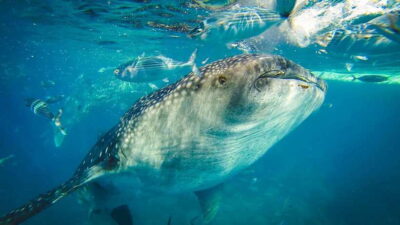
- Cebu City: Whale Shark Swimming & Kawasan Falls Canyoneering
★ 4.7 · 665 reviews - Cebu City: Bohol Countryside Tour with Loboc Cruise Lunch
★ 4.5 · 488 reviews - Private Cebu & Lapu-Lapu City Tour with Uphill Spots & Lunch at House of Lechon
★ 4.5 · 168 reviews
Cebu Heritage Monument and Yap-Sandiego Ancestral House
The Cebu Heritage Monument is a good opening stop because it gives you a visual introduction to the city’s past. Sculptures show important people and events in Cebu, creating a large public history scene rather than a traditional museum display.
You get about 30 minutes here, with no admission charge. That is enough time to look closely, take photographs, and listen to the guide explain the figures and scenes. I would pay attention to the guide’s explanation rather than treating this as a quick photo stop. The monument makes more sense when you understand what the sculpted scenes represent.
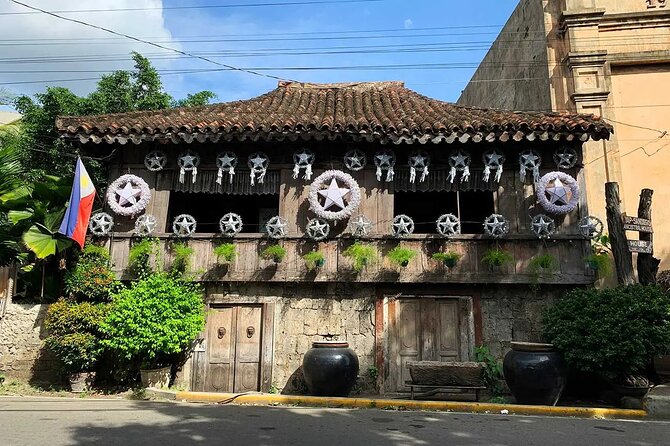
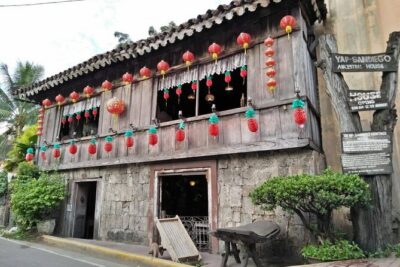
The nearby Yap-Sandiego Ancestral House shifts the mood. Built in the 17th century, it is one of the Philippines’ oldest preserved houses. Its Spanish and Chinese influences reflect the layered trading and colonial connections that shaped Cebu.
The house is also a useful contrast to the monument. Instead of seeing history arranged in sculpture, you enter an old domestic space with furniture, objects, and architectural details. The scheduled 30 minutes will not allow a long, unhurried visit, but it gives you a clear sense of how different Cebu’s past looks inside a family home.
If you enjoy old houses and everyday history, this may be one of the most satisfying stops. If you prefer sweeping views or grand buildings, it may feel modest. I would still keep it on the route because it adds texture to a day otherwise filled with large public attractions.
Fort San Pedro, Magellan’s Cross, and Santo Niño
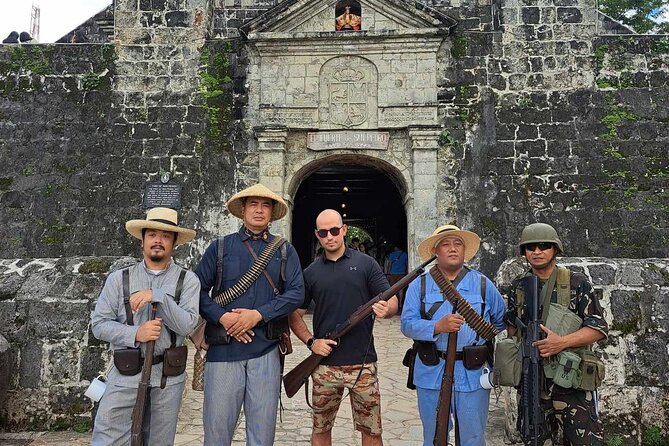
Fort San Pedro is a compact military site built in 1738 during the Spanish colonial period. Its triangular design and stone defensive walls make it easy to understand as you walk around. It is described as the oldest and smallest fort in the Philippines, so the appeal is not size. The interest comes from its age, purpose, and location within modern Cebu City.
You have about 30 minutes here. That is enough for the main walls and grounds, though not for a long historical study. A good guide can turn the fort into more than old stone by explaining how it served Spanish defense needs.
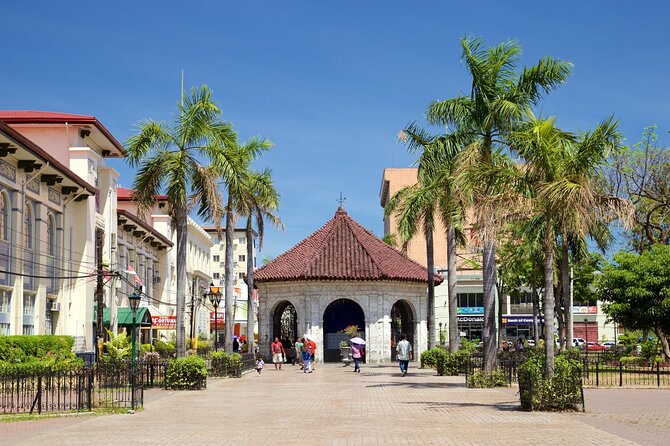
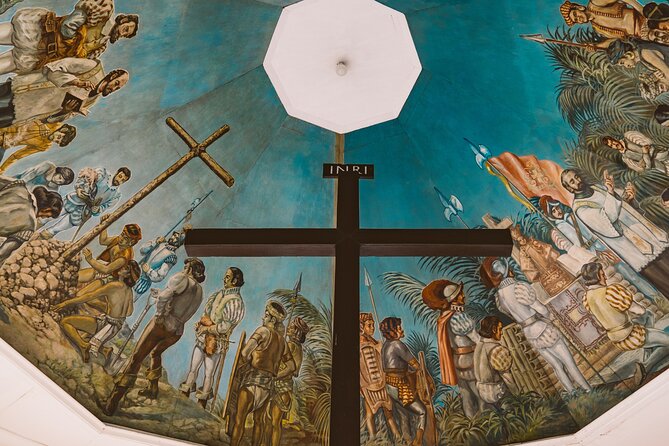
Magellan’s Cross is a shorter stop, around 20 minutes. The cross marks the arrival of Ferdinand Magellan in 1521 and the introduction of Christianity to the Philippines. It sits inside a protective chapel, and the original cross is associated with the painted ceiling and religious setting.
This is a busy, symbolic place, so your time here is mainly for seeing the chapel, understanding its importance, and taking in the religious activity around it. It is not a large site. The meaning matters more than the amount of physical space.
The Basilica Minore del Santo Niño is given about 30 minutes. Founded in 1565, it is the oldest Roman Catholic church in the Philippines and home to the Santo Niño de Cebu statue. For many people, this is the emotional center of the city portion of the tour.
Dress code matters here. The tour information specifically warns that you may not be allowed inside the church if you are dressed improperly. I would choose covered shoulders and knees rather than risk missing the visit. This is one of the few practical details that can directly affect your experience.
Fuente Osmeña and the Cebu Capitol Building are also included as city landmarks along the route. Fuente Osmeña centers on a historic fountain and public park named after President Sergio Osmeña. The Cebu Capitol Building, inaugurated in 1938, has a neoclassical design with large columns and a dome. These appear to be passing or brief viewing points rather than full interior visits, so keep your expectations modest.
The Taoist Temple and the road uphill
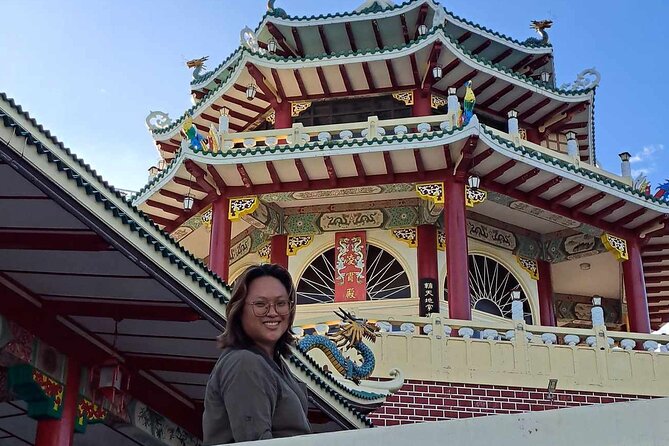
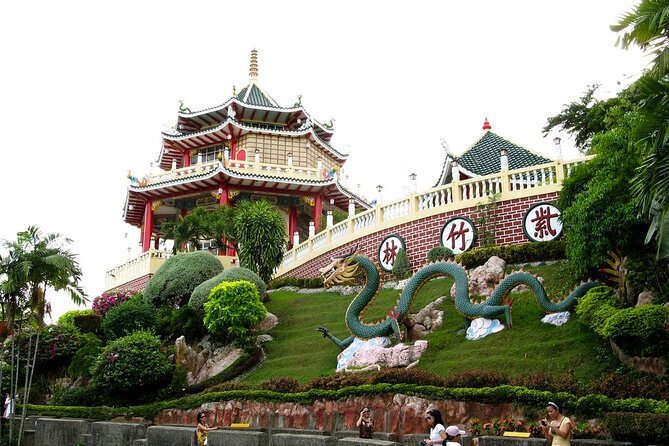
The Cebu Taoist Temple is one of the tour’s strongest visual changes. Built in 1972 on a hillside, it uses Chinese architectural forms, colorful details, gardens, and a replica of the Great Wall. Its elevated position also gives you a chance to look back toward Cebu City and the surrounding mountains.
The scheduled visit lasts about 45 minutes, making it the longest stop on the route. That extra time helps because the temple grounds offer more to see than a single façade. You can look at the architecture, walk through the gardens, and enjoy the change from crowded downtown streets.
The temple may be especially rewarding if you want a cultural site that is different from Cebu’s Spanish and Catholic landmarks. At the same time, access is not guaranteed in every circumstance. One tour day found the Taoist Temple closed to visitors, so you should treat this as a possible change rather than an absolute promise. A good guide can explain the situation and adjust the timing, but no tour can control a site closure.
The road up the hill is also part of the experience. You get time to rest in the van while the driver handles the climb and traffic. This is useful after several historic stops, especially on a warm day.
More History Tours in Cebu
- The Original Cebu City Historical and Food Walking Tour
★ 4.5 · 81 reviews - Cebu: Exploring Cebu City’s rich history and Uphill Tour
★ 4.5 · 68 reviews - Cebu City: Historical Street and Food Tour
★ 4.9 · 31 reviews - CEBU: Cebu City Heritage and Uphill Guided Tour
★ 4.2 · 31 reviews
Sirao Pictorial Garden and its photo-first appeal
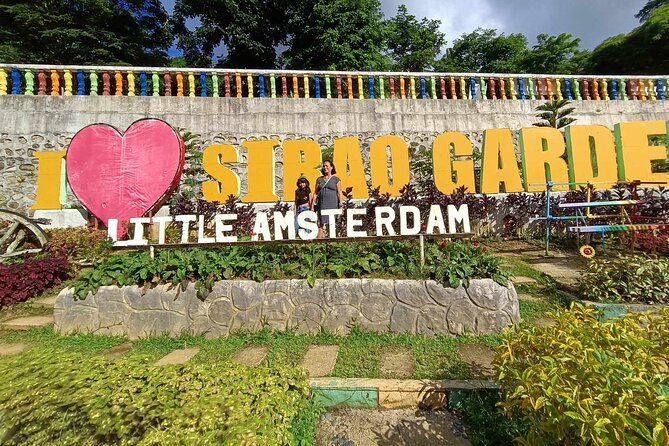
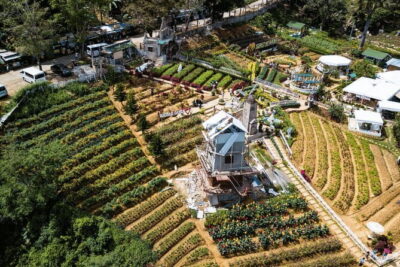
Sirao Flower Garden, also called the Little Amsterdam, is known for fields of celosia and other flowers in the mountain area of Sirao. Its bright colors, decorative structures, and Amsterdam-style windmill make it an easy place to photograph.
You have about 30 minutes, which is enough to walk through the main areas and take pictures. The garden is not presented as a botanical study. Its appeal is visual, playful, and built around posed photos.
That can be fun, especially if you enjoy colorful backgrounds and unusual hilltop settings. I would not expect a peaceful countryside garden, though. One useful caution is that some displays may look dated or too designed for tourism. The windmill and themed areas can feel more like photo props than authentic Dutch scenery.
Still, Sirao gives the route a welcome change of pace. After forts, churches, and historic houses, the flowers make the day lighter. You also get hill views that help explain why the uphill portion is included.
Temple of Leah: grand, personal, and not for everyone
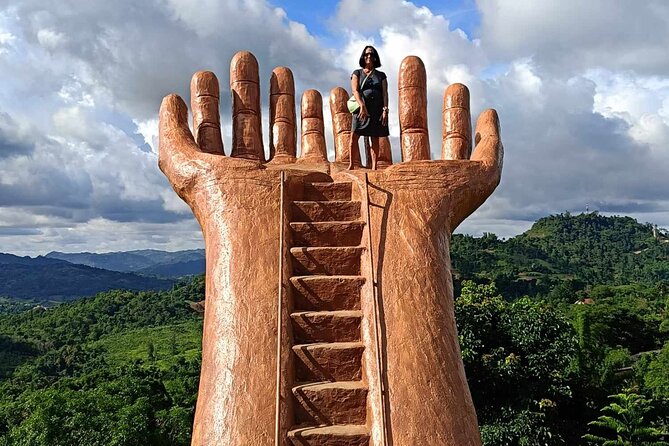
Temple of Leah is a large tribute to love and devotion, built in 2012. Its design draws on ancient Roman architecture, with columns, sculptures, halls, and displays connected to Leah and her family.
The site is dramatic. If you like ornate architecture, oversized statues, and panoramic hill settings, you may enjoy walking around with a camera. The 30-minute stop is enough to see the main structure without turning the visit into a long architectural study.
I would keep your expectations in check. This is not an ancient Roman monument, and the building’s age is part of the point: it is a modern memorial designed to look classical. Some people find that romantic and impressive. Others may find it excessive or less meaningful than the older Cebu sites.
For me, its value depends on your taste. The Temple of Leah is a pleasant final stop for photos and views, but it may be the easiest attraction to skip if your interests lean toward authentic historic buildings. One direct account of the tour felt the Temple of Leah could have been left out, while another considered it one of the unexpected highlights. That split tells you exactly what to expect.
Guides, drivers, and the feel of a small group
The human side of this tour appears to be one of its best features. Rix is described as friendly, funny, flexible, and especially good at explaining Cebu’s past. He also adjusted well to a solo participant, which matters if you are booking alone and worry about feeling out of place.
Tyler is praised for combining useful information with wit. Olivier is described as talkative, cheerful, and a good singer. The guide you receive will shape the day, but these examples suggest the operator values conversation rather than simply reciting facts.
The driver matters just as much in Cebu. You will spend a fair amount of time in the vehicle, and busy roads can be demanding. A careful driver who knows how to move through crowded areas makes the tour more relaxing. The air-conditioning and bottled water are small but valuable comforts in a half-day city outing.
The tour is also flexible in practice. Guides have adjusted time and responded to questions, which is helpful when a site is closed or traffic disrupts the plan. Still, flexibility does not mean unlimited time. With nine listed sights in 4 to 5 hours, you should expect short visits and a quick rhythm.
Traffic, timing, and what you should carry
Traffic is the main threat to the schedule. Moving from downtown heritage sites to the hill attractions takes time, and delays can shorten visits later in the day. You may see every location on the route, but you may not get equal time at each one.
Wear comfortable shoes and bring a phone or camera. The tour includes a Cebu souvenir and bottled water, but you should dress for warm conditions and bring anything else you personally need for several stops.
Most people can participate, and the stated information lists no restrictions. The group maximum is 10 people, and pickup is offered. Confirmation arrives at booking, while mobile ticketing keeps the arrangement simple.
If you want a slow religious visit, a long look at the ancestral house, or extended time in the gardens, a private tour may suit you better. If you want a broad first look at Cebu without arranging several taxis, this shared format makes more sense.
Is $63.50 good value for Cebu?
At $63.50, you are paying for coverage and convenience more than luxury. The tour includes an air-conditioned vehicle, all listed taxes and fees, bottled water, a professional guide, and a souvenir. Entrance is included for the Yap-Sandiego Ancestral House, Fort San Pedro, Sirao Pictorial Garden, and Temple of Leah, while the other listed attractions have no admission charge.
The strongest value comes from the route itself. These sights are spread across Cebu City and the hills, so arranging them independently would require planning and transport. The guide also gives context that you may miss if you simply arrive, take photographs, and leave.
The weaker value appears if traffic reduces the time at each stop, or if you are not interested in the photo-oriented attractions. Sirao and Temple of Leah are the most taste-dependent parts of the day. You are paying to see them as part of a broad package, not to spend a full afternoon at either one.
The tour has a 4.7 rating from 22 ratings and a 95 percent recommendation figure, but one serious issue is worth noting: a same-day cancellation left one person scrambling for another plan. The cancellation terms allow a full refund if you cancel at least 24 hours before the start time. Cancellations within 24 hours are not refunded, and changes in that period are not accepted. Keep that timing in mind when making other arrangements.
Who should book this half-day route?
I would recommend it to a first-time visitor who wants Cebu’s main sights in one organized outing. It works particularly well for solo visitors, couples, and small groups who value a friendly guide and do not want to negotiate city traffic themselves.
You will probably enjoy it if you like:
- A mixture of colonial, Chinese, Catholic, and modern attractions
- Short visits at many locations
- Hilltop views and photo stops
- Guides who explain, joke, and answer questions
- Air-conditioned transport between distant sights
I would think twice if you prefer quiet places, long museum visits, or strictly historical attractions. You may find Sirao too staged and Temple of Leah too grand for its age. Also, heavy traffic can make the schedule feel compressed.
Final verdict: book it for range, not slow exploration
Book this tour if your priority is to get your bearings and see a wide slice of Cebu in half a day. The combination of heritage sites, the Taoist Temple, Sirao, and Temple of Leah is varied enough to keep the route interesting, and the guides can add real warmth to the experience.
Skip it if you want every stop explored at length or if modern photo attractions do not appeal to you. My practical advice is to wear modest clothing for Santo Niño, accept that traffic may change the timing, and view the Taoist Temple and Temple of Leah as valuable possibilities rather than guaranteed highlights. For a first Cebu overview with transport and a personable guide, the price is fair.
FAQ
How long does the Best of Cebu tour last?
The tour lasts approximately 4 to 5 hours.
How much does the tour cost?
The listed price is $63.50 per person.
Is hotel pickup available?
Pickup is offered as part of the experience.
How many people can join the tour?
The maximum group size is 10 people.
Is transportation included?
Yes. An air-conditioned vehicle is included.
Are entrance fees included?
All fees and taxes are included. Admission is specifically listed as included for the Yap-Sandiego Ancestral House, Fort San Pedro, Sirao Pictorial Garden, and Temple of Leah.
What should I wear for the Basilica of Santo Niño?
You should follow a proper dress code. Improper clothing may prevent you from entering the church.
What is the cancellation policy?
You can receive a full refund if you cancel at least 24 hours before the experience start time. Cancellations or changes made within 24 hours are not accepted for a refund.
More Cebu City Trips
- Bohol Countryside Day Tour From Cebu City | Lunch at Loboc River Cruise
★ 4.5 · 157 reviews - Cebu City: City and Mountain Highlights Tour
★ 4.6 · 85 reviews - Cebu Group Tour: Best Cebu City Tour
★ 4.0 · 63 reviews - Small Group Cebu City And Uphill Mountain Tour
★ 4.1 · 59 reviews
Just added in Cebu
- Whole Day and Private Car and Van Rental to Oslob from Cebu City or Mactan★ 5.0 · 1 review
- Whaleshark & Sumilon Is and Moalboal Sardines & Turtle Tour★ 5.0 · 2 reviews
- Whale Shark Watching & Tumalog Falls & Kawasan Falls★ 5.0 · 16 reviews
- Whale Shark Watching with Sumilon Sandbar and Kawasan Falls Tour★ 5.0 · 8 reviews
- Cebu Whale Shark Encounter, Moalboal Sardines & Tumalog Falls★ 4.0 · 18 reviews
- Whale Shark Watching and Sumilon Sandbar Private Tour Package★ 5.0 · 17 reviews
- Full Day Shark Watching and Canyoneering in Cebu★ 5.0 · 15 reviews
- Group Tour of Moalboal Sardines Run & Kawasan Canyoneering★ 4.5 · 9 reviews
Cebu City Tours, compared.
Whale Shark Swimming & Kawasan Falls Canyoneering
Read our review →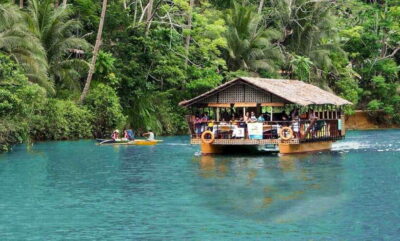
Bohol Countryside Tour with Loboc Cruise Lunch
Read our review →
Bohol Countryside Day Tour From Cebu City | Lunch at Loboc River Cruise
Read our review →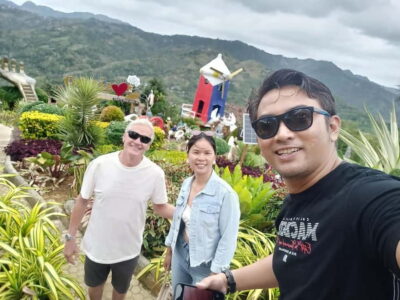
The Original Cebu City Historical and Food Walking Tour
Read our review →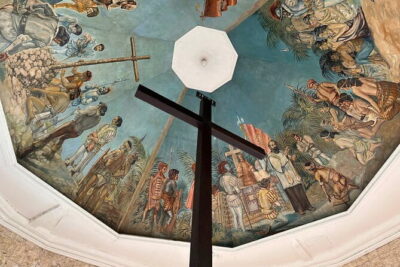
Exploring Cebu City’s rich history and Uphill Tour
Read our review →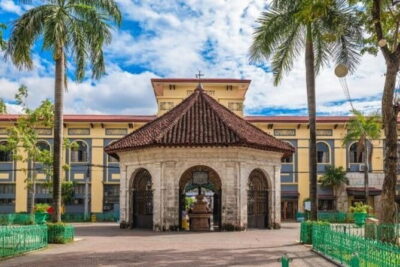
Browse the lists this tour appears in