
Reviewed · CEBU CITY TOURS
Cebu City: Historical Street and Food Tour
Cebu’s past is served with salt. This three-hour walking tour ties street food to the city’s oldest churches, markets, and Spanish-era landmarks. You taste balut, examine coral-stone architecture, and follow Cebu from its precolonial trading days through Spanish rule and wartime rebuilding.
I like the small group, limited to 10 people, and the chance to visit places such as Yap Sandiego Ancestral House, a 1680 home with Chinese and Spanish design. I also like the human touch from guides such as Philip, Philipe, Nacien, Kyle, and Nescian, who have been praised for clear English, good energy, and helping solo participants get home safely. The main concern is price: at $90 per person, you are paying for guidance and convenience, while some of the food and sights can be visited independently for less.
In This Review
- Key points at a glance
- Why this Cebu walk is more than a sightseeing list
- Starting with Cebu Farmers Market
- Reading the metal sculptures at the Heritage of Cebu Monument
- Entering the 1680 Yap Sandiego Ancestral House
- The 1565 Basilica Minore del Sto. Niño de Cebu
- Carbon Market and Cebu’s working city
- Magellan’s Cross and the 1521 landing
- Cebu Metropolitan Cathedral after wartime destruction
- What the $90 price really buys you
- Who should book this walking tour?
- Should you book Cebu’s historical street and food tour?
- FAQ
- How long does the Cebu historical street and food tour last?
- What language is the tour conducted in?
- How large is the tour group?
- Is hotel transfer included?
- What food can I try on the tour?
- Which historic buildings are included?
- What should I bring?
- Can I cancel the booking?
Key points at a glance
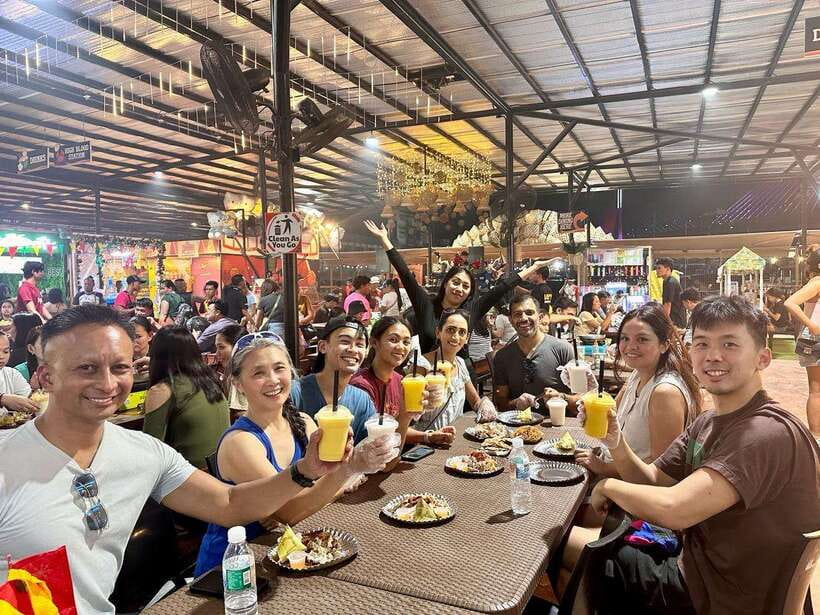
- Balut and local snacks: Try Cebu street food, including the boiled salted duck egg known as balut.
- Cebu’s oldest landmarks: Visit the 1565 Basilica Minore del Sto. Niño de Cebu and the site of Magellan’s Cross from 1521.
- A rare old house: Enter the Yap Sandiego Ancestral House, built from coral stone in 1680.
- Markets with a purpose: See Cebu Farmers Market and Carbon Market while learning how food and trade shaped the city.
- Personal guiding: The group is capped at 10, and guides are praised for answering questions and caring for solo participants.
- A full three hours: Expect history, food, churches, and city walking at a fairly quick pace.
Why this Cebu walk is more than a sightseeing list
Cebu City is often treated as a jumping-off point for beaches and island trips. That is a mistake if you have even half a day free. Cebu is the oldest city in the Philippines, the first Spanish settlement and capital, and the place where Spanish-led exploration first made a major mark on the country.
This tour gives you a useful route through that story. Instead of visiting one church, taking a photo, and moving on, you connect several sites across the old center. Markets explain what people eat today. Churches and ancestral houses show how different cultures shaped the city. The guide supplies the links between them.
That explanation matters because the historic center is not a single preserved quarter. You will walk through working city streets, market areas, religious sites, and ordinary urban surroundings. The appeal is not polished scenery. It is the contrast between daily Cebu life and landmarks tied to events from 1521, 1565, and later centuries.
The experience is conducted in English and uses a small group of no more than 10 people. That is a good size for a walking tour. You can ask questions without holding up a large crowd, and the guide can keep an eye on the group in busy areas.
More City Tours in Cebu
- Cebu City: Whale Shark Swimming & Kawasan Falls Canyoneering
★ 4.7 · 665 reviews - Cebu City: Bohol Countryside Tour with Loboc Cruise Lunch
★ 4.5 · 488 reviews - Private Cebu & Lapu-Lapu City Tour with Uphill Spots & Lunch at House of Lechon
★ 4.5 · 168 reviews
Starting with Cebu Farmers Market
The tour begins at Cebu Farmers Market, where your guide introduces local food and explains what you are seeing. This is a smart opening because food gives you an immediate way into Cebu culture. You are not only looking at produce or prepared dishes. You are learning what local people buy, cook, and eat.
Bring cash. It is specifically recommended, and it is useful for a food-focused outing in market settings. Comfortable clothes and shoes are just as important. The tour runs for three hours, and the route includes walking through several parts of the city.
Food preferences can shape your enjoyment here. Filipino street food is known for strong flavors and unusual combinations, and the guide helps explain what you are trying. You should arrive ready to sample rather than expecting a restaurant-style tasting menu.
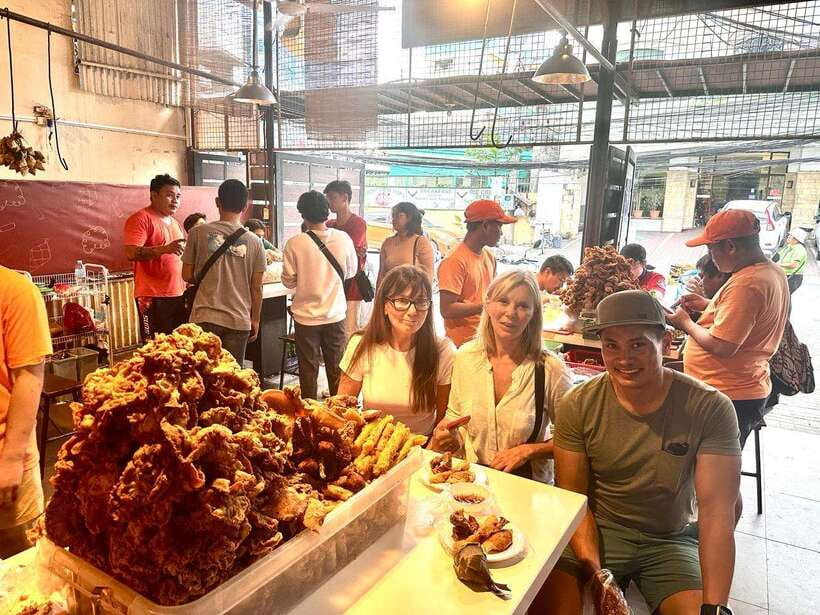
The most famous challenge is balut, a boiled duck egg traditionally eaten with salt. It is a real part of Filipino food culture, not a novelty added only for sightseeing. Still, it is not for everyone. If the idea bothers you, you can treat it as an optional taste and focus on the other snacks and drinks offered along the route.
One practical point: the food quality may feel uneven. Some participants have found the food generous and worthwhile, while another considered it only average for the price. I would book this for the combination of food and history, not as a dedicated culinary tour.
Reading the metal sculptures at the Heritage of Cebu Monument
The Heritage of Cebu Monument provides a visual introduction to the city’s story. Its metal sculptures present important scenes and figures in one place, making it easier to understand the broad sweep of Cebu’s past before you visit the individual sites.
This is where a good guide earns the fee. A monument can look like a crowded collection of figures if you do not know what to look for. The guide’s job is to point out the events represented and explain how they fit into Cebu’s development.
You will also get a better sense of the tour’s pace here. Three hours is enough for a strong introduction, but not enough for long stops at every landmark. Expect short explanations, time for photographs, and steady movement to the next location.
Entering the 1680 Yap Sandiego Ancestral House
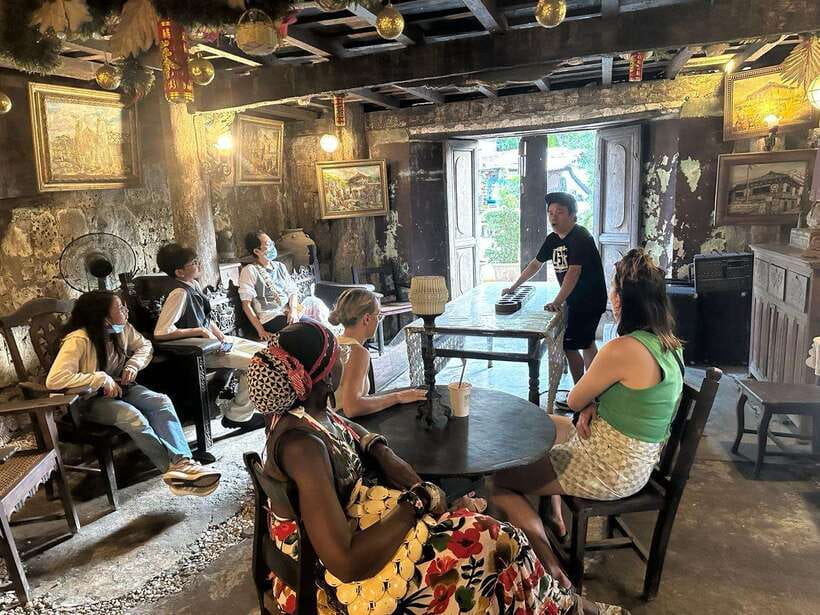
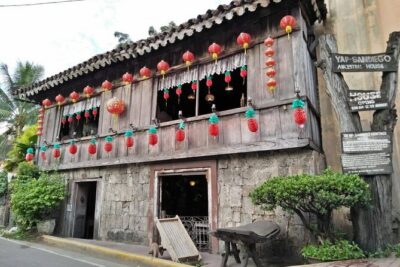
The Yap Sandiego Ancestral House is one of the most appealing stops because it gives you a chance to see an old domestic building rather than only public monuments. Built from coral stone in 1680, it reflects Chinese and Spanish architectural influences.
That mix is important. Cebu’s story is not simply Spanish. Chinese trade and settlement also shaped the city, and this house offers a physical reminder of that connection. Its age also changes the mood of the tour. After the open streets and large public sites, you get a closer look at how an earlier Cebu household was built.
Do not expect a large museum complex. The value is in the preserved structure and the guide’s explanation. You will get more from this stop if you ask about the coral stone, the building’s Chinese and Spanish features, and how it fits into the city’s trading past.
For me, this is one of the tour’s strongest stops because it adds texture to the larger historical story. Churches and monuments tell you about institutions and major events. An ancestral home shows how architecture carries several cultures at once.
More Food Tours in Cebu
- The Original Cebu City Historical and Food Walking Tour
★ 4.5 · 81 reviews - Cebu Steet food, historical and mountain tour
★ 5.0 · 15 reviews - The Ultimate Cebu Food Tour: Local Tastes & Cultural Journey
★ 4.5 · 10 reviews - Food, Historical and Mountain Tour in Cebu City
★ 4.5 · 8 reviews
The 1565 Basilica Minore del Sto. Niño de Cebu
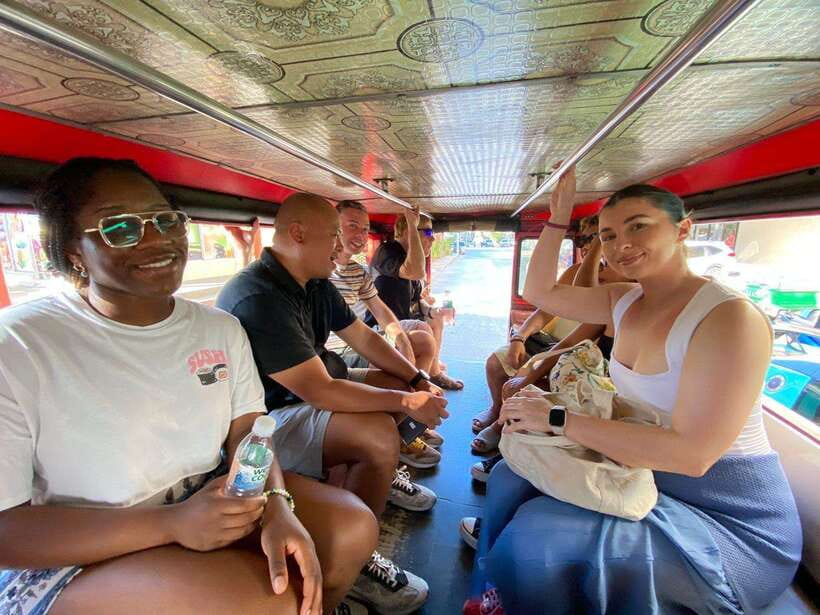
The next major landmark is Basilica Minore del Sto. Niño de Cebu, identified as the oldest Roman Catholic church in the Philippines. Its foundation dates to 1565, the year associated with the beginning of Spanish settlement in Cebu.
The church matters for both religious and national history. It is connected to the Santo Niño image and to the lasting influence of Catholicism in the Philippines. Even if you are not religious, the site helps explain why Cebu became such an important center of Spanish power and Catholic life.
Your guide can give the church context that a quick solo visit might miss. You will learn why this particular building matters, rather than simply seeing another old church facade. The tour also places it after the ancestral house, allowing you to compare private Chinese-Spanish architecture with a major Catholic institution.
The site is still a functioning place of worship. Keep your clothing comfortable but respectful, and follow any instructions given at the church. The provided information does not specify a formal dress code, so your guide is the best source for what is suitable on the day.
Carbon Market and Cebu’s working city
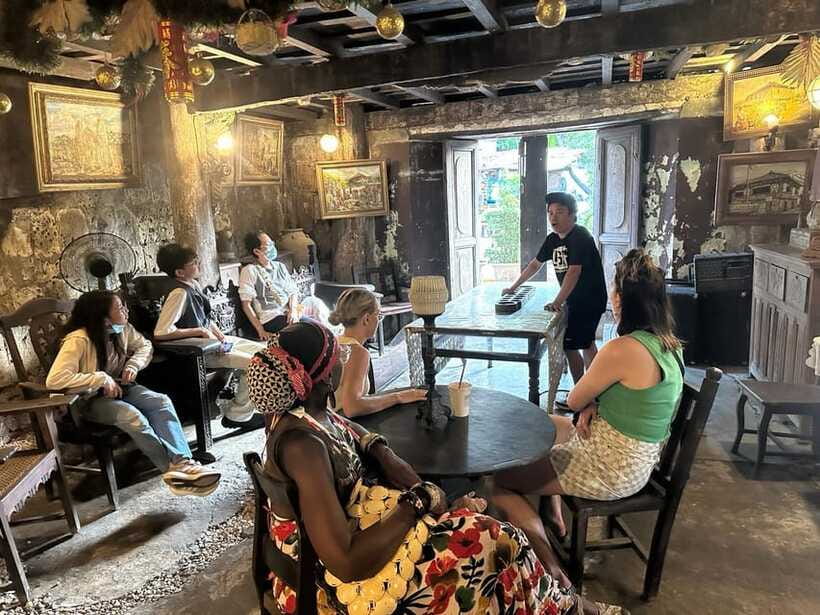
Carbon Market gets its name from the Spanish word for coal. It was once a coal depot, and the stop links Cebu’s earlier transport and trade activity with the market life you see today.
This is not a decorative historical stop. It is part of the working city. You may find the surroundings more crowded and less orderly than the preserved house or church, which is precisely why a guide can be useful. You are moving through an active urban setting, not a quiet museum.
The tour’s small size helps here. A group of 10 is easier to keep together than a large busload, and you can stay close to the guide while listening to explanations. One solo participant was also helped with getting a taxi home, a detail worth noting if you are exploring Cebu alone.
The route is best for you if you want to see more than postcard Cebu. Carbon Market may not be the prettiest stop, but it gives the history a working, present-day setting. You see how the old city continues to function rather than being sealed away for sightseeing.
Magellan’s Cross and the 1521 landing
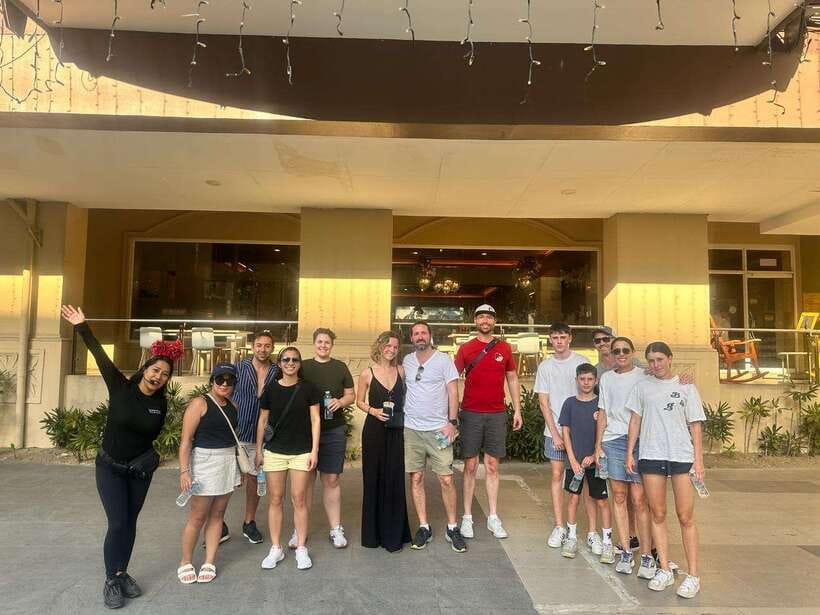
Magellan’s Cross marks the site where a Christian cross was placed in 1521 by explorers led by Ferdinand Magellan. It is one of Cebu’s best-known historical symbols and a key point in the tour’s timeline.
The date comes before the Spanish settlement of 1565, so the stop helps explain the difference between first contact and permanent colonial rule. Your guide can connect the cross to the larger story of Spanish exploration, Christianity, and Cebu’s place in Philippine history.
This is also a busy, high-interest site, so you should expect a short visit rather than a quiet moment alone. The attraction is compact, and the real value comes from understanding what the cross represents. If you only take a photograph, you miss the point.
The sequence works well: after seeing markets and Carbon Market, you arrive at a symbol tied to the earliest Spanish-led expedition. The tour moves between ordinary city life and national historical markers without pretending they are separate worlds.
Cebu Metropolitan Cathedral after wartime destruction
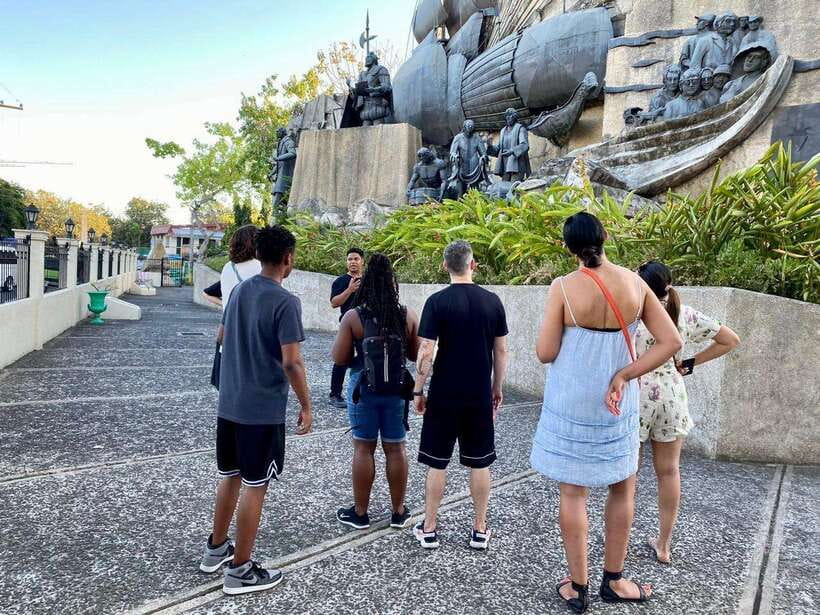
The final major church is Cebu Metropolitan Cathedral. The building was destroyed during the Second World War and rebuilt in the 1950s, giving you a later chapter in Cebu’s story.
This stop keeps the tour from presenting history as something that ended centuries ago. Cebu’s historic buildings have also faced war, damage, rebuilding, and change. The cathedral lets you think about preservation in practical terms: sometimes an old city protects original structures, and sometimes it must rebuild them.
You will likely appreciate this stop if you want a broader timeline. The tour begins with early Spanish contact and sixteenth-century sites, then moves through older homes and markets before reaching twentieth-century destruction and reconstruction.
By the end, you have seen several kinds of historical evidence: sculpture, a private home, religious buildings, a market, a coal depot site, and a commemorative cross. That variety is the tour’s main strength.
What the $90 price really buys you
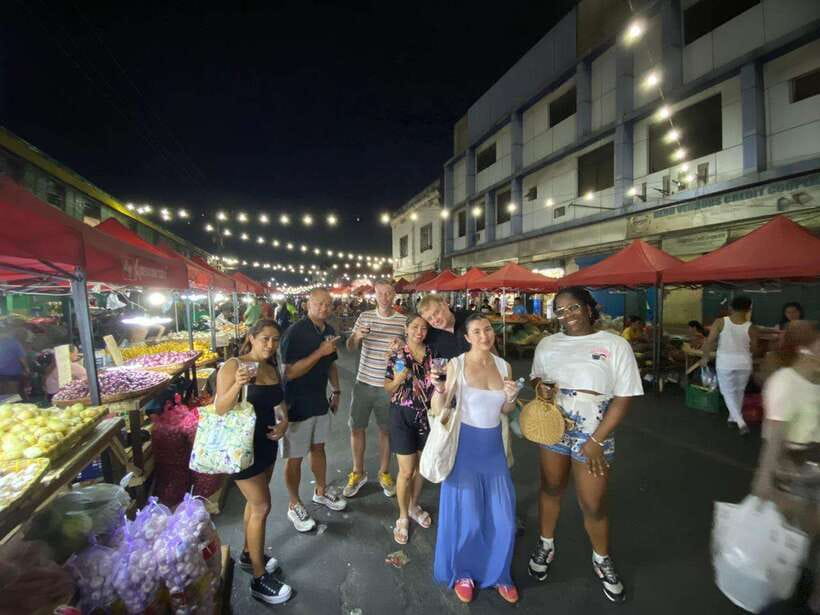
At $90 per person, this is not a cheap way to see Cebu’s old center. You could visit several landmarks on your own for less, and one participant felt the tour could easily be done independently. That criticism is fair, especially if you are comfortable navigating cities, arranging your own route, and researching the historical sites beforehand.
The price makes more sense if you value interpretation and company. You get an English-speaking live guide, a planned three-hour route, food and drinks during the outing, and a small group capped at 10. You also avoid having to work out how the Farmers Market, ancestral house, churches, Carbon Market, Magellan’s Cross, and cathedral fit together.
Guiding quality seems to be the biggest reason people rate the experience highly. Philip, Philipe, Nacien, Kyle, and Nescian are all praised for friendly service, clear English, energy, and helpfulness. One guide gave a solo participant his full attention, while another helped a solo guest arrange a safe taxi home.
That level of care is valuable if you are alone, visiting Cebu for the first time, or unsure about walking through unfamiliar market areas. It is less valuable if you already know the city and mainly want a low-cost food crawl.
The booking terms also reduce some risk. You can cancel up to 24 hours before the tour for a full refund, and you can reserve now and pay later. The tour runs rain or shine, so pack with that in mind and do not plan it around perfect weather.
Who should book this walking tour?
I would recommend it to first-time Cebu visitors who want a quick orientation with real historical substance. It also suits solo participants, couples, and small groups who prefer asking questions to following a guide with dozens of people.
It is a good fit if you enjoy trying local food but want the meal stops tied to place and culture. You should also book it if old churches, colonial-era sites, and architecture interest you more than resort activities.
I would hesitate if you are highly price-sensitive, dislike walking in active city areas, or want a polished food tour with carefully selected dishes. The food is part of the experience, but it is not the sole reason to pay $90.
Wear comfortable shoes, carry cash, bring a camera, and leave jewelry at home because it is not allowed. Also confirm the meeting details carefully. A designated pickup area is provided, but hotel transfer is not included, so do not assume the guide will collect you from your room. You can message the tour team through its Facebook page, Cebu City Historical Street and Food Tour, if you need to clarify where to meet.
Should you book Cebu’s historical street and food tour?
Book it if you want Cebu’s major old-city sights explained in one compact outing, with a guide who can help you navigate markets, answer questions, and make the experience feel personal. The small group and strong guide feedback are the best reasons to choose it.
Skip it if your main goal is saving money or eating as much as possible. You can visit many of the same places independently, and the food may not satisfy someone expecting a standout culinary tour.
For most first-time visitors, I see this as a useful first or second day activity. It gives you names, dates, neighborhoods, and food traditions that make the rest of your Cebu stay easier to understand. The $90 price is high, but the personal guidance can justify it when you value context and confidence more than the lowest possible cost.
FAQ
How long does the Cebu historical street and food tour last?
The tour lasts three hours.
What language is the tour conducted in?
The live tour guide speaks English.
How large is the tour group?
The tour is a small-group experience limited to 10 participants.
Is hotel transfer included?
Hotel transfer is not included. You should wait in the designated meeting area and look for a guide holding a paper with your name.
What food can I try on the tour?
You can sample Filipino street food and local delicacies, including balut, a boiled salted duck egg traditionally eaten with salt.
Which historic buildings are included?
The route includes the Yap Sandiego Ancestral House, Basilica Minore del Sto. Niño de Cebu, Magellan’s Cross, Cebu Metropolitan Cathedral, and the Heritage of Cebu Monument.
What should I bring?
Bring comfortable shoes, comfortable clothes, a camera, and cash.
Can I cancel the booking?
You can cancel up to 24 hours in advance for a full refund. You can also reserve the tour and pay later.
More Cebu City Trips
- Bohol Countryside Day Tour From Cebu City | Lunch at Loboc River Cruise
★ 4.5 · 157 reviews - Cebu City: City and Mountain Highlights Tour
★ 4.6 · 85 reviews - Cebu Group Tour: Best Cebu City Tour
★ 4.0 · 63 reviews - Small Group Cebu City And Uphill Mountain Tour
★ 4.1 · 59 reviews
More History Tours in Cebu
- Cebu: Exploring Cebu City’s rich history and Uphill Tour
★ 4.5 · 68 reviews - CEBU: Cebu City Heritage and Uphill Guided Tour
★ 4.2 · 31 reviews - Cebu Historic and Views Tour Pickup Dropoff and Lunch (private)
★ 5.0 · 26 reviews - BEST OF CEBU: Cebu City Heritage with Uphill Tour | Joiners
★ 4.5 · 22 reviews
Just added in Cebu
- Whole Day and Private Car and Van Rental to Oslob from Cebu City or Mactan★ 5.0 · 1 review
- Whaleshark & Sumilon Is and Moalboal Sardines & Turtle Tour★ 5.0 · 2 reviews
- Whale Shark Watching & Tumalog Falls & Kawasan Falls★ 5.0 · 16 reviews
- Whale Shark Watching with Sumilon Sandbar and Kawasan Falls Tour★ 5.0 · 8 reviews
- Whale Shark Watching and Sumilon Sandbar Private Tour Package★ 5.0 · 17 reviews
- Cebu Whale Shark Encounter, Moalboal Sardines & Tumalog Falls★ 4.0 · 18 reviews
- Full Day Shark Watching and Canyoneering in Cebu★ 5.0 · 15 reviews
- Group Tour of Moalboal Sardines Run & Kawasan Canyoneering★ 4.5 · 9 reviews
Cebu City Tours, compared.

Whale Shark Swimming & Kawasan Falls Canyoneering
Read our review →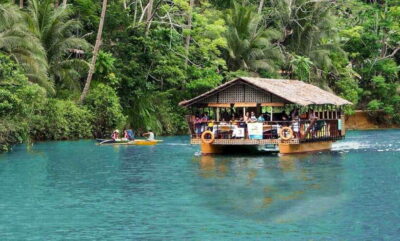
Bohol Countryside Tour with Loboc Cruise Lunch
Read our review →
Bohol Countryside Day Tour From Cebu City | Lunch at Loboc River Cruise
Read our review →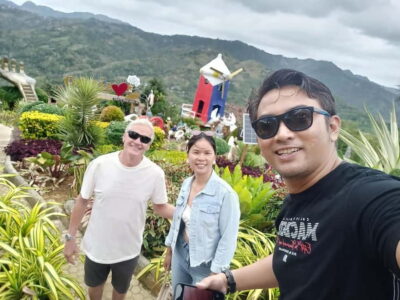
The Original Cebu City Historical and Food Walking Tour
Read our review →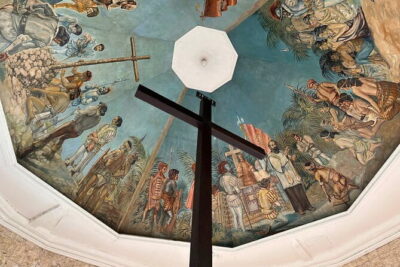
Exploring Cebu City’s rich history and Uphill Tour
Read our review →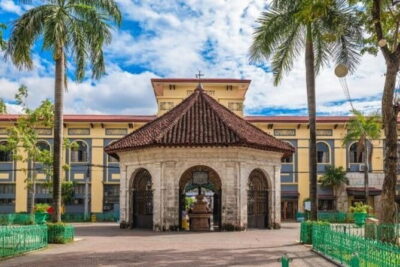
Browse the lists this tour appears in