Reviewed · DUMAGUETE TOURS
Dumaguete Foodie Tours in English
Food tells Dumaguete’s story. This private six-hour tour connects Filipino dishes with farms, markets, coffee, cacao, and local daily life, giving you much more than a string of restaurant stops.
I like the custom food plan, which can be shaped around vegetarian, vegan, meat, seafood, cautious, or adventurous eaters. I also like the working farm, public market, and wet market visits, since they show where Filipino cooking begins. The main consideration is cost: $199 covers up to four people, but you pay separately for every snack and drink.
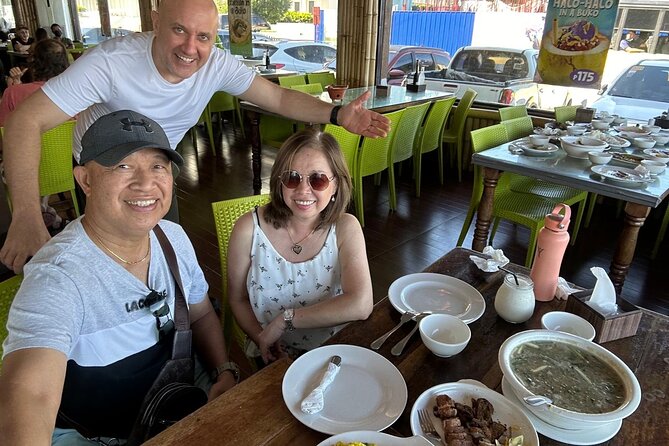
The guide, James, brings a useful personal angle. He is a permanent resident of the Philippines with roots in Los Angeles, and the tour is designed to help newcomers try unfamiliar food without feeling lost. A family with children aged 11 and 13 found the day easy, informative, and safe for first-time Filipino food explorers.
In This Review
- Five things to know before booking
- Why Filipino food deserves a closer look
- Starting at a working aquaponics farm
- Reading Dumaguete’s produce and wet markets
- Sampling dishes at food stalls and restaurants
- Coffee, tablea, and Filipino Tsokolate
- Trying a Filipino-made German-style craft beer
- What the private vehicle adds
- Is $199 good value?
- Who will enjoy this Dumaguete food tour?
- Booking advice and cancellation details
- Should you book it?
- FAQ
- How long does Dumaguete Foodie Tours in English last?
- How much does the tour cost?
- Are food and drinks included?
- Can the tour accommodate dietary preferences?
- What is included in the tour price?
- Is this a private tour?
- What happens if bad weather cancels the tour?
Five things to know before booking
- The price covers a private group of up to four: At $199 per group, the base cost works out to $49.75 per person for four people, before food and drinks.
- The route changes to match your tastes: Vegetarian, vegan, seafood, meat-loving, cautious, and adventurous eaters can all request a suitable plan.
- The tour begins with food production: A working farm using natural aquaponics techniques gives you context before you start sampling prepared dishes.
- Markets are part of the experience: You visit public produce and wet markets, see local ingredients, taste snacks, and learn how to select a ripe mango.
- Drinks have their own story: Coffee from a regional coffee forest, Filipino tablea cacao, Tsokolate, and German-style Filipino craft beer may all be part of the day.
- You pay for food as you go: The guide recommends food and drinks, but those purchases are not included in the tour price.
Why Filipino food deserves a closer look
Filipino cuisine can surprise visitors because it does not fit neatly into a single Southeast Asian category. Native cooking traditions exist alongside Spanish influences, American tastes, European ideas, and newer combinations created by Filipino cooks today.
That mix can make the food exciting, but it can also make the first few meals confusing. A dish may look familiar and taste completely different, or a simple market snack may carry more cultural meaning than a polished restaurant plate.
This tour helps you make sense of those contrasts. Rather than dropping you into a restaurant and expecting you to know what to order, James introduces ingredients, production methods, market habits, and local dishes in a logical order.
I especially like that the experience does not treat Filipino food as a checklist. You are not promised a fixed list of famous dishes. Your preferences help shape the day, which matters when one person wants seafood, another avoids meat, and a child is still deciding how adventurous lunch should be.
More Dumaguete trips:
- Dumaguete Tours in English
★ 5.0 · 21 reviews - Apo Island Wonders: Snorkel with Sea Turtles in Dumaguete
★ 4.1 · 13 reviews - Dumaguete Apo Island Snorkel with turtle Tour
★ 4.8 · 9 reviews
Starting at a working aquaponics farm
The farm visit gives the tour a useful starting point. You learn where some food begins, rather than only seeing it after it has been cooked and served.
The farm uses natural aquaponics techniques. That detail matters because it lets you see a food-growing method connected to resource-conscious production. The visit is not just a scenic stop. It gives you a chance to think about the relationship between water, plants, and food before you begin sampling dishes around Dumaguete.
Exact farm activities can depend on the day and the customized route, so you should treat this as an educational introduction rather than a promised hands-on workshop. Still, it adds substance to the tour. You are looking at Filipino food as a system, from growing and selling to preparing and eating.
For families, this may be one of the most useful parts. Children who are not ready to discuss unfamiliar sauces or seafood may still enjoy seeing how food is produced. One family found that their children tried all the food and even used something they learned for a school assignment. That suggests the tour can work as a casual lesson without feeling like a classroom.
Reading Dumaguete’s produce and wet markets
The public produce and wet markets bring you closer to everyday shopping in Dumaguete. You can expect abundant vegetables, meat, seafood, and small snacks, with James explaining what you are seeing and how locals make choices.
The mango lesson is a small but practical detail. Learning how to choose a ripe mango gives you something you can use after the tour, either at a market or when selecting fruit elsewhere in the Philippines. These modest tips often make a food tour more useful than a simple meal.
The markets also help explain Filipino cooking through raw ingredients. You may see products that are hard to identify on a restaurant menu, then encounter them later in prepared food. That connection makes the meal easier to understand.
There is a trade-off. Markets are working places, not staged attractions. They may be noisy, crowded, wet, or visually intense, and the exact products available will change. If you want a polished food experience with quiet seating at every stop, this may feel too active. If you want to see how local food is bought and handled, the markets are a strong part of the day.
James also uses the market to introduce snacks. Since food purchases are extra, you control how much you spend and how much you eat. That is helpful if you want to save room for later stops, but you should budget beyond the $199 tour fee.
Sampling dishes at food stalls and restaurants
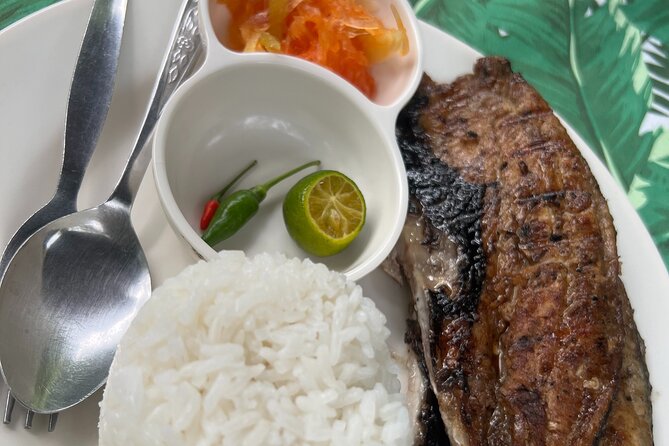
After the farm and market visits, the tour moves into eating. James takes you to a selection of food stalls, eateries, and restaurants chosen around your tastes.
The important point is variety. You are not restricted to one type of restaurant or one formal meal. Food stalls may offer a quick local taste, while a restaurant can give you more time to discuss a dish and its ingredients.
The precise food list is not fixed, so I would not book this expecting a guaranteed menu. That flexibility is a strength for people with dietary needs, but it means you should message James when booking with allergies, restrictions, and preferences.
If you are cautious about trying unfamiliar food, the private format helps. You can ask what something contains, explain what you do not eat, and decide how far you want to go. The family experience shows how this can work for children too. Both children, aged 11 and 13, tried the food, and the family found the day easy and informative.
That does not mean the tour removes every food risk. It means the experience is designed to help you make informed choices. Anyone with a serious allergy should communicate clearly before the tour and repeat the concern during the day.
More Food Tours in the Philippines:
- Boracay Sunset Cruise with Party DJ & Unlimited Food and Drinks
★ 5.0 · 211 reviews - Manila Food Tour: Explore World’s Oldest Chinatown
★ 5.0 · 158 reviews - Manila: Street Food and Drinks Walking Tour with Tastings
★ 4.8 · 114 reviews - The Original Cebu City Historical and Food Walking Tour
★ 4.5 · 81 reviews
Coffee, tablea, and Filipino Tsokolate
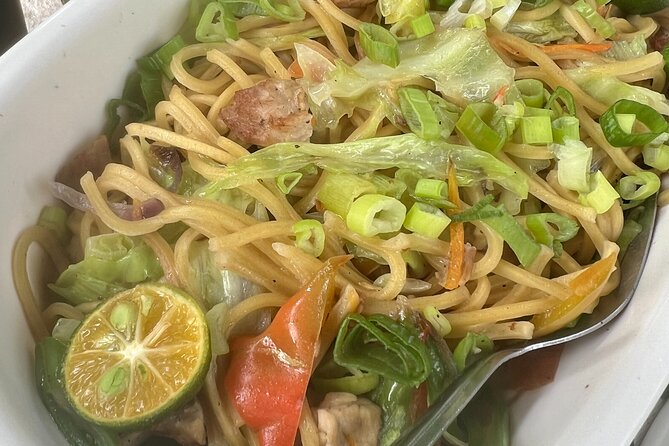
Dumaguete’s food culture is not limited to meals. The region has a coffee forest where you can learn about coffee growing and production, then taste the results.
This stop adds a welcome change of pace. Coffee is often discussed only as a finished drink, but learning how it is grown and processed helps you notice differences in flavor and preparation. The exact coffee activities may depend on the customized route, so confirm your priorities with James if coffee is the main reason you want to book.
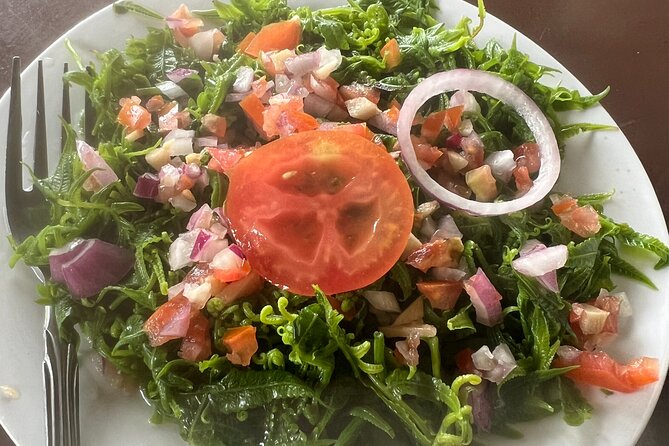
The tour also introduces tablea, processed cacao with a place in Filipino food culture. You learn about its cultural role and its connection to Tsokolate, a chocolate-based sauce used in some dishes.
For many visitors, this may be an unexpected part of Filipino cooking. Cacao is not presented only as a sweet treat. It can also appear in savory food, which shows how Filipino cuisine handles familiar ingredients in less familiar ways.
I like this section because it gives you more than another tasting. You learn how drinks, sauces, and ingredients connect to local traditions. It also offers a good option for anyone who wants a food experience with some explanation, not only eating from one stop to the next.
Trying a Filipino-made German-style craft beer
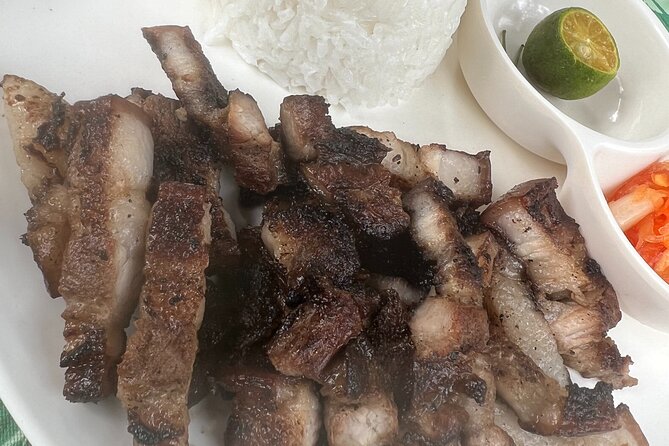
If you would like a drink, the tour can include a Filipino-made German-style craft beer. This is another example of the cultural combinations that shape food and drink in the Philippines.
The beer may appeal to people who are interested in local production but prefer a familiar style. It also gives the tour a modern edge, balancing older ingredients and market traditions with newer food and drink businesses.
Alcohol is not included in the tour price, so add it to your personal budget. If you do not drink, the experience includes enough other drink-related subjects, including coffee, cacao, and Tsokolate, to keep the day worthwhile.
Because the route is customized, do not assume every possible stop will fit into six hours. Tell James which interests matter most to you. A group that wants coffee and cacao may need a different plan from one focused on seafood and market snacks.
What the private vehicle adds
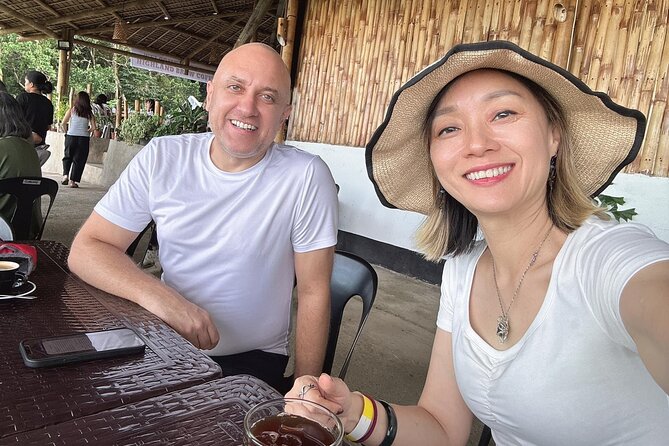
An air-conditioned vehicle and driver are included. In Dumaguete’s warm climate, that is not a minor comfort. It gives you a cool place between stops and makes it easier to connect places that are not all within a short walk.
Private transport also supports the customized format. Your group does not have to wait for strangers or follow a fixed pace. If your family needs more time at a market, or if you want to ask extra questions about an ingredient, the private setting should feel more relaxed than a large group outing.
The tour is for your group only, with a maximum of four people. That is a particularly good fit for a family, two couples, or a small group of friends. Solo visitors can book, but the $199 group price is harder to justify unless you place a high value on privacy and personal guidance.
Pickup is offered, and the tour runs Monday through Sunday from 8:30 AM to 4:00 PM during the stated operating period, January 28, 2025 through December 7, 2026. Since the experience lasts about six hours, expect to give up most of the day.
Is $199 good value?
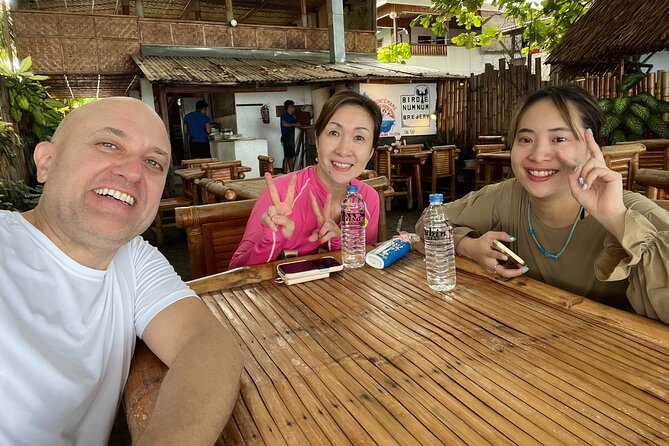
The $199 price is reasonable for four people who want a private, customized day. Split four ways, the base price is $49.75 per person. That includes the air-conditioned vehicle, driver, and guide, but not the food, drinks, fees, or taxes.
The value depends on how you use the flexibility. If you want James to adjust the route around allergies, vegetarian needs, seafood preferences, or cautious eaters, private planning has real value. You are paying for transport, guidance, and access to a food-focused day built around your group.
The cost is less attractive for one person or a couple, especially because snacks and meals are separate. Still, a couple may prefer this to a large group tour where the route and menu are fixed.
I would set a food budget before booking. The day includes recommended items at markets, stalls, eateries, and restaurants, so small purchases can add up. You remain in control, but the advertised price is not an all-inclusive meal package.
Who will enjoy this Dumaguete food tour?
I would recommend it most strongly to:
- Families with children who need a gentle introduction to unfamiliar food
- First-time visitors who want help ordering and understanding Filipino dishes
- Small groups with different dietary needs
- Food-focused visitors interested in farms, markets, coffee, cacao, and local drinks
- People who prefer a private vehicle and flexible schedule
- Curious eaters who want local context along with tasting
It may be less suitable if you want a fixed menu, a low-cost group tour, or a short walking experience. The day also requires good weather. If poor weather causes cancellation, you are offered another date or a full refund.
Most people can participate, and service animals are allowed. The tour is near public transportation, though pickup is offered. Confirmation is sent at booking, and you should provide food allergies, dietary restrictions, and preferences at that time.
Booking advice and cancellation details
This experience is commonly booked about five days ahead, but I would book earlier if you need a particular date or have detailed dietary requests.
You can cancel for a full refund up to 24 hours before the start time. Cancellations or changes made less than 24 hours before the start are not accepted for a refund. The cut-off follows local time, so check your schedule carefully.
The strongest praise for this experience centers on its family-friendly approach. The children in the family group tried all the food, found unique areas interesting, and took away information useful for school. That combination of easy pacing, clear explanations, and food beyond the familiar makes the tour especially appealing for cautious first-timers.
Should you book it?
Book this tour if you want Filipino food explained through its sources, markets, farms, drinks, and local eateries, rather than served as a simple set menu. The private format, air-conditioned vehicle, and flexible food plan make it a smart choice for families and small groups with mixed tastes.
Think twice if you are traveling alone on a tight budget or want every meal included in the price. For up to four people who value personal guidance and an adaptable route, $199 can be good value, as long as you allow extra money for food and drinks.
FAQ
How long does Dumaguete Foodie Tours in English last?
The experience lasts approximately six hours.
How much does the tour cost?
The price is $199 per group for up to four people.
Are food and drinks included?
No. You pay separately for all recommended snacks, food, and drinks. Fees and taxes are also not included.
Can the tour accommodate dietary preferences?
Yes. The experience can be adapted for vegetarian, vegan, meat, seafood, adventurous, or cautious eaters. You should message James with allergies, restrictions, and preferences when booking.
What is included in the tour price?
An air-conditioned vehicle, driver, and guide are included.
Is this a private tour?
Yes. Only your group participates, with up to four people included in the group price.
What happens if bad weather cancels the tour?
The experience requires good weather. If it is canceled because of poor weather, you can choose another date or receive a full refund.
Just added in the Philippines
- Underground River without Lunch★ 4.7 · 3 reviews
- Underground River with Lunch★ 3.6 · 5 reviews
- Waves & Wonders: Siargao Private Tour M Adventure★ 5.0 · 1 review
- Twin Treasures: Discovering Dumaguete and Valencia★ 3.4 · 5 reviews
- Manila Night market and Street Food Tour★ 5.0 · 2 reviews
- Trekking to see the beautiful view of Cebu City★ 3.3 · 4 reviews
- Sohoton Cave and Natural Bridge Park Adventure Tour★ 5.0 · 1 review
- Tri island tour: Naked Island, Daku Island and Guyman Island★ 5.0 · 3 reviews
Dumaguete Tours, compared.
Apo Island Wonders: Snorkel with Sea Turtles in Dumaguete
Read our review →

Dolphin Watching & Manjuyod Sandbar Private Tour
Read our review →
Twin Lakes Balinsasayao nature adventure and city tour
Read our review →
Twin Treasures: Discovering Dumaguete and Valencia
Read our review →
Siquijor: Siquijor Island Tour Cambugahay Falls Private
Read our review →