
Reviewed · GUIDED
Manila: National Museum of Fine Arts Guided Tour
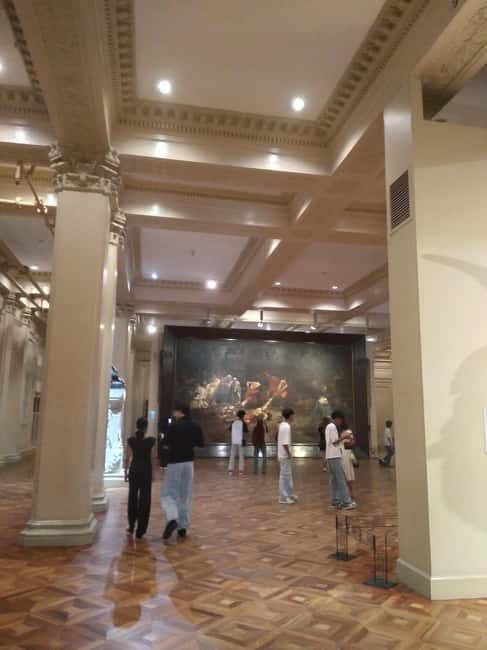
A single painting can change your view of Manila. This guided visit makes the National Museum of Fine Arts easier to understand, especially through Juan Luna’s Spoliarium and the works of artists who helped shape Filipino identity. I like the clear focus on art, history, and national pride, rather than a rushed checklist of rooms.
I also like the small-group limit of 10 people, which should make questions easier and keep the tour personal. The main drawback is the $60 price for only 1.5 hours, especially since transportation, food, and drinks are not included. You are paying for interpretation and context, not a full-day museum visit.
In This Review
- Key points to know before booking
- Why the National Museum of Fine Arts matters
- Meeting the guide and setting your expectations
- Juan Luna’s Spoliarium gives the tour its dramatic center
- Fernando Amorsolo and the appeal of familiar Filipino scenes
- Guillermo Tolentino and sculpture’s role in national identity
- A 90-minute route with a clear purpose
- What the $60 price really buys you
- Why the guide can make the difference
- Who should book this National Museum tour
- Should you book the National Museum of Fine Arts guided tour?
- FAQ
- Where does the National Museum of Fine Arts guided tour take place?
- How long does the guided tour last?
- How much does the tour cost?
- Is transportation to the museum included?
- Are food and drinks included?
- What languages are available?
- How large is the tour group?
- Is the tour wheelchair accessible?
- Can I cancel for a refund?
Key points to know before booking
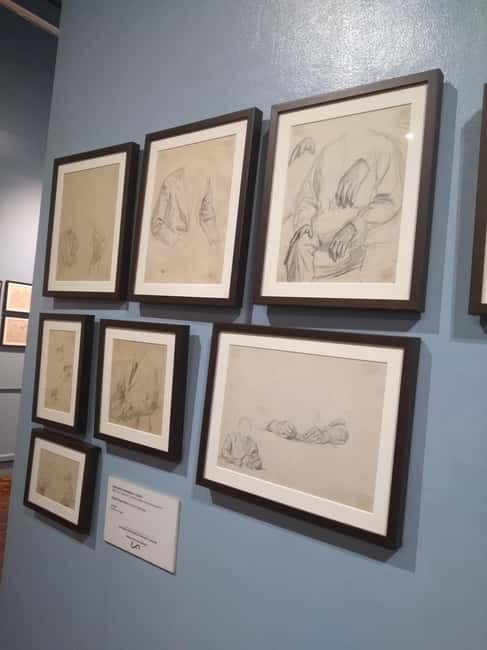
- Juan Luna’s Spoliarium is the central draw: The dramatic painting gives the tour a powerful starting point for understanding Filipino art and national feeling.
- The guide adds the real value: Reynaldo Cadiz is described as a learned historian who connects paintings, sculpture, and Philippine history.
- The group is limited to 10 people: That is a useful size for asking questions without losing the ease of a private visit.
- The tour lasts 90 minutes: It is long enough for a focused introduction, but not enough for every gallery and artist.
- English and German tours are offered: Check the selected option carefully because the meeting point may change.
- The museum visit is wheelchair accessible: Transportation to the museum is not included, so you arrange your own way there.
Why the National Museum of Fine Arts matters

The National Museum of Fine Arts is more than a place to see attractive pictures. Its collections help explain how the Philippines has viewed itself across different periods, from national struggle to cultural pride and changing ideas about Filipino identity.
That larger purpose is what makes a guided visit useful. You can walk through a museum and admire colors, faces, and grand scenes. A good guide helps you understand why those images matter, who made them, and how they connect to the country beyond the gallery walls.
I would especially recommend this tour if you are curious about the Philippines but do not have much background in its art. The guide can give you a framework quickly, so the paintings do not feel like isolated objects. Instead, each work becomes part of a wider story about the country.
The tour also suits Filipinos returning after many years abroad. One participant who left the Philippines in 1965 returned six decades later and found that the art and sculpture helped give shape to what she was learning about the country. That is an important clue to the museum’s appeal. You do not need to be an art specialist. Personal memory and family history can be just as useful as formal study.
More Museum Tours in Manila:
- 2in1 City tour and museum with pick up at hotel or cruise port
★ 5.0 · 2 reviews - Shore Excursion: Puerto city tour + museum tour + shopping
★ 4.0 · 1 review - Puerto Princesa: Museum and Heritage Tour
★ 5.0 · 1 review
Meeting the guide and setting your expectations
Your meeting point depends on the option you book, so read the confirmation carefully. Since transportation is not included, allow time to reach the museum independently and do not assume the tour begins at a single fixed location for every booking.
The tour is offered with a live guide in English or German. That matters because art commentary works best when you can ask a question and receive an immediate answer. A recorded guide may tell you dates and names, but a live person can adjust the explanation to your interests.
The group limit is 10 people. That is small enough to feel more attentive than a large museum walk, though it is not necessarily a private tour. If you have detailed questions about a particular artist, ask them early rather than waiting until the last few minutes.
If Reynaldo Cadiz is leading your visit, you can expect a guide with a strong interest in history as well as art. His approach is particularly useful for people who want to compare what they already learned about places such as Intramuros with the visual evidence inside the museum. Art can reinforce historical information in a way that a spoken lecture sometimes cannot.
Juan Luna’s Spoliarium gives the tour its dramatic center
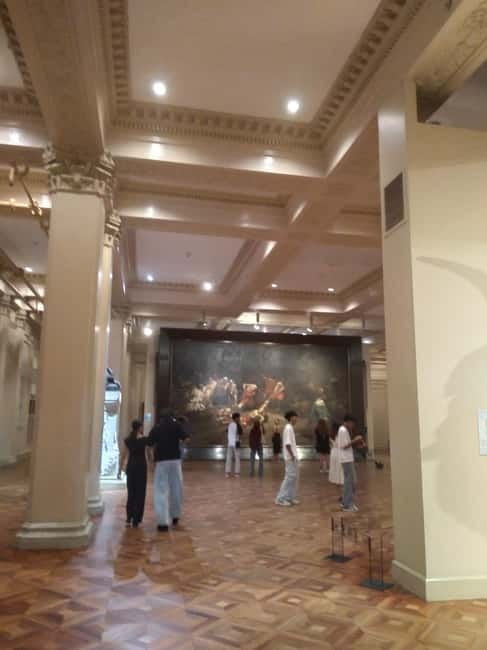
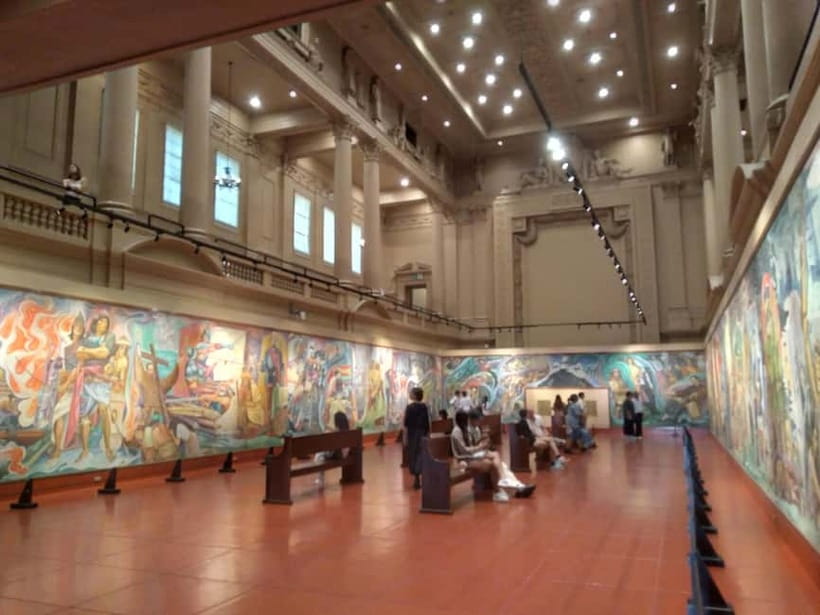
The most important named work on the route is Juan Luna’s Spoliarium. Its large scale and dramatic brushwork give it immediate force, even before you know the details behind it.
This is the painting to study rather than simply photograph. Look at how the composition directs your attention, how the figures and movement create tension, and how the subject can carry ideas about suffering, power, and national feeling. Your guide can help connect the painting’s emotional force with the place it holds in Philippine culture.
For many people, this is the moment when the museum becomes more than a collection of famous names. The painting gives the country’s artistic story a strong human image. It can also make later works easier to understand because you begin to see how artists used art to communicate ideas about identity and public life.
The drawback is that one famous work can take up much of your attention. If you arrive expecting a slow, room-by-room study of every major painting, 90 minutes will feel short. I would treat Spoliarium as the anchor of the visit, not the entire reason to ignore everything around it.
Fernando Amorsolo and the appeal of familiar Filipino scenes
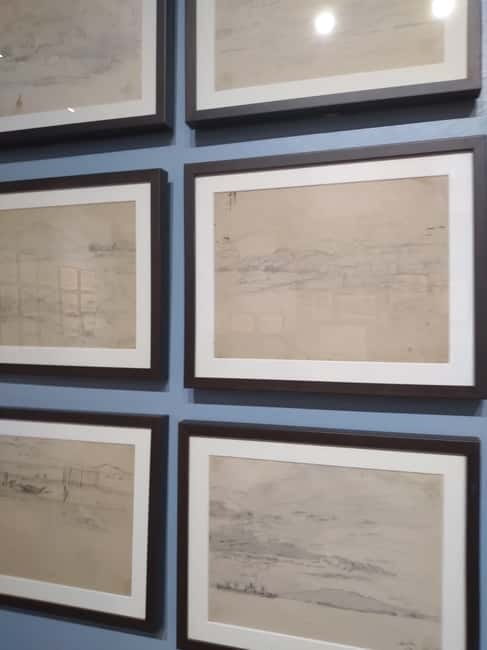
The tour also introduces the work of Fernando Amorsolo. His paintings are an important contrast to Luna’s more dramatic mood, allowing you to see a different side of Filipino art and national imagination.
The supplied details do not identify specific Amorsolo paintings on the route, so you should not expect a particular title unless your guide confirms it. Still, his inclusion signals that the tour is not built around one artist alone. You will be introduced to the way different painters presented Filipino people, places, daily life, and ideals.
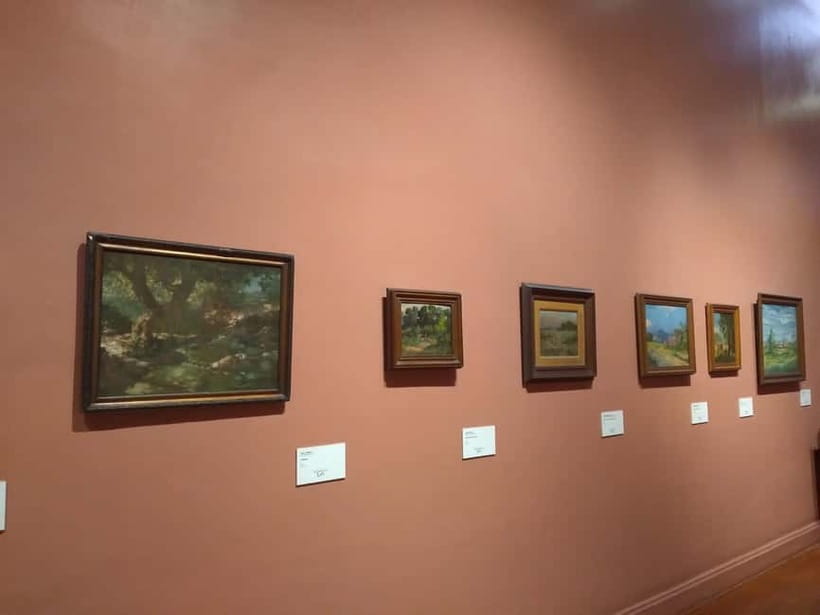
This part of the visit should appeal to you if you want to understand why certain artistic images become closely tied to national identity. A guide can point out choices in light, subject, and mood, then explain how those choices affected the way people saw the country.
I like this balance. Luna offers intensity and historical drama. Amorsolo allows the tour to consider beauty, ordinary life, and an idealized view of the Philippines. Seeing both gives you a wider sense of how art can express a nation in more than one voice.
A few more Manila days worth comparing
- Intramuros, Manila: Historical Bamboo Bike Tour
★ 4.8 · 583 reviews - Experience Intramuros with Bamboo Bicycle – Ecotours
★ 5.0 · 508 reviews - Manila: Intramuros, Chinatown, and Old Manila Half-Day Tour
★ 4.8 · 475 reviews - Manila: Old & New 4-Hour City Tour
★ 4.5 · 458 reviews
Guillermo Tolentino and sculpture’s role in national identity
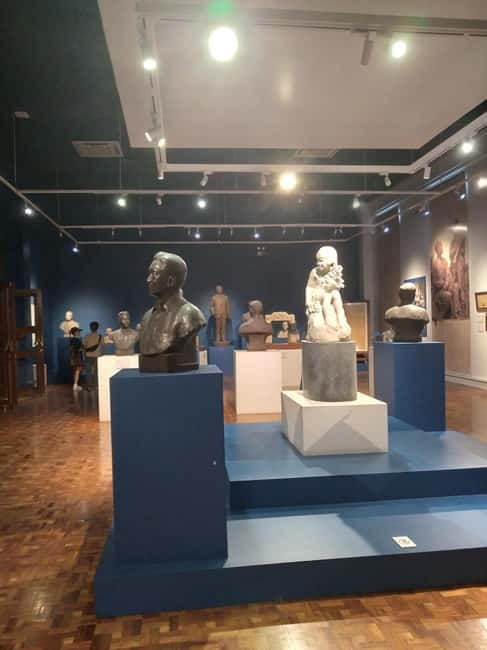
Guillermo Tolentino adds sculpture to the experience. That is valuable because a museum visit focused only on paintings can give you a narrow idea of Filipino creativity.
Sculpture changes the way you look. Instead of reading brushwork and color, you pay attention to posture, physical presence, expression, and the relationship between a figure and the surrounding space. Those differences help show how artists can express public ideals through more than one medium.
The information provided does not name a particular Tolentino sculpture, so I would avoid booking this tour with the expectation of seeing one specific object. The useful part is the chance to place Tolentino alongside Luna, Amorsolo, and other artists across generations.
That comparison is one of the tour’s strongest features. You are not simply learning a list of Filipino artists. You are seeing how painting and sculpture can record changing ideas about courage, beauty, suffering, memory, and belonging.
A 90-minute route with a clear purpose
The stated duration is 1.5 hours. That is a sensible length for a guided introduction, especially if you have other plans in Manila. You get a focused look at major works without committing a full morning or afternoon.
At the same time, the short format requires realistic expectations. The National Museum of Fine Arts has more to offer than can be covered in 90 minutes. Your guide will need to select works and themes rather than explain every gallery in equal detail.
I would plan to think of this as a strong first visit. Use the guide to learn which artists and subjects interest you most, then return on your own if you have the time and museum access available. The tour can give you a map for a later, slower visit.
The pace should also suit people who are new to museums. You do not need to study every label or know the major names in advance. The guide’s job is to make the main works understandable without turning the visit into an academic class.
If you already have a serious interest in Philippine art, ask how much time will be spent on the artists most important to you. A small group helps, but the fixed duration still places limits on detailed discussion.
What the $60 price really buys you
At $60 per person, this is not a bargain museum admission with a short escort. The value rests in the guide’s interpretation, the small group, and the way the art is connected to Philippine history and identity.
For someone who would otherwise walk through the museum without knowing where to focus, that can be worthwhile. A guide who explains Spoliarium, Amorsolo, Tolentino, and related artists may help you get more from 90 minutes than you would from a longer unguided visit.
The price is harder to justify if you already know the museum well or mainly want quiet time with the artworks. You are also responsible for getting to the museum, and food and drinks are not included. Add those costs to your plan before deciding.
I see the tour as a good fit for a first-time cultural visit, a family group, or anyone returning to the Philippines after a long absence. It is less suited to a visitor searching for a cheap activity or a full-day art course.
The small group improves the calculation. Ten people is a manageable maximum, and a live guide can respond to your questions. If the group fills, though, your experience may feel more like a standard small-group tour than a private conversation.
Why the guide can make the difference
A museum guide should do more than repeat labels. The best explanations connect a work’s visual details with the questions people were asking when it was made.
Reynaldo Cadiz is described as a learned historian and guide. His value appears to be his ability to connect the museum with other parts of Philippine history, including information a visitor may already have encountered in Intramuros.
That connection matters. If you visited Intramuros before this tour, you can use the museum to reinforce those ideas through images and sculpture. Instead of treating history as a series of dates, you begin to see how artists represented pain, pride, public memory, and the country’s changing sense of itself.
If Cadiz is available for your selected option, his historical background could make the tour especially rewarding. Guide assignments can depend on the booking, so do not assume every departure will have the same person.
You should also ask questions. A small group and a live guide are useful only if you take advantage of them. Ask about an artist’s place in Philippine culture, how a sculpture differs from a painting in public meaning, or why Spoliarium carries such weight.
Who should book this National Museum tour
I would recommend it most strongly to:
- First-time visitors who want an introduction to Filipino art
- People interested in the connection between art, history, and national identity
- Families or small groups who prefer a guided visit to reading every label alone
- Filipinos returning after many years abroad
- Art lovers who want to focus on major national artists in a short session
- Visitors who can manage their own transportation to the museum
You may want to skip it if you have only a limited budget, prefer exploring at your own pace, or want a very detailed study of the entire museum. The 90-minute format is focused by design.
Accessibility is another positive point. The activity is listed as wheelchair accessible, which makes it more practical for people who need step-free museum access. You still need to arrange transportation yourself, and the meeting point can vary by booking option.
Free cancellation up to 24 hours before the tour and the reserve-now, pay-later choice also reduce the risk of committing too early. These policies do not make the tour cheaper, but they help if your Manila schedule is still changing.
Should you book the National Museum of Fine Arts guided tour?
Book it if you want a focused introduction to Filipino art and prefer to understand what you are seeing instead of simply passing through galleries. The combination of Spoliarium, Amorsolo, Tolentino, sculpture, and historical explanation gives the visit a clear purpose.
The strongest case is for someone who wants cultural context in a short amount of time. The biggest question is price. At $60, you should value the guide’s interpretation and the small-group setting enough to justify paying more than you would for an unguided museum visit.
If possible, check the guide assigned to your option, confirm the meeting point, and plan your transportation before departure. For many people, especially those returning to the Philippines after decades away, the museum can help turn general memories and historical facts into something visible and personal.
FAQ
Where does the National Museum of Fine Arts guided tour take place?
The tour takes place at the National Museum of Fine Arts in Manila. The provided activity information lists the location as Nueva Vizcaya, Philippines, so check your selected booking option for the exact meeting details.
How long does the guided tour last?
The tour lasts 1.5 hours, or 90 minutes.
How much does the tour cost?
The listed price is $60 per person.
Is transportation to the museum included?
No. Transportation to the museum is not included, so you must arrange your own way there.
Are food and drinks included?
No. Food and drinks are not included in the tour price.
What languages are available?
The live tour guide is available in English or German.
How large is the tour group?
The tour is offered as a small-group experience with a limit of 10 participants.
Is the tour wheelchair accessible?
Yes. The activity is listed as wheelchair accessible.
Can I cancel for a refund?
Yes. You can cancel up to 24 hours in advance for a full refund. The booking also offers a reserve-now, pay-later option.
Just added in Manila
- Underground River with Lunch★ 3.6 · 5 reviews
- Manila Night market and Street Food Tour★ 5.0 · 2 reviews
- Cruise Shore Excursion of Taal Volcano with Lunch★ 4.5 · 4 reviews
- Ultimate 8-Day Palawan Island Tour Package from Manila City★ 5.0 · 1 review
- Unforgettable Manila Fishing Village Day Excursion 2024★ 5.0 · 4 reviews
- Tagaytay + Hidden Valley Springs: A Scenic Escape w/ Transfers★ 4.0 · 4 reviews
- Tagaytay Day Tour sightseeing with Panoramic Taal volcano view★ 5.0 · 6 reviews
- 3 Days Private Tour in Banaue Ifugao visiting Batad Rice Terraces★ 3.5 · 3 reviews
Guided, compared.

Private Boat Hire with Guided Tour and Lunch on Beach
Read our review →


Waterfall Hopping & Secret Jungle Trails Guided Tour
Read our review →


Browse the lists this tour appears in