
Reviewed · INTRAMUROS WALKS
Explore Intramuros: Introduction to Philippine History
Manila’s old walls tell a complicated story. This three-hour walking tour gives you a clear introduction to Intramuros, moving from San Agustin Church and Spanish-era Manila to wartime memory and the struggle for independence. I like the small-group format, capped at 15 people, and the fact that admission fees, bottled water, and an English-speaking guide are included. The main caution is pace: one guest felt rushed and did not reach every planned stop, so tell your guide if you want more time at each site.
I also like the starting point at San Agustin Church, which is easy to find, and the finish at Fort Santiago, where the tour’s story reaches its strongest point. At $55 per person, this is not the cheapest way to walk around Intramuros, but the included admissions and focused historical explanation make the price easier to justify if you want context rather than a quick look at old buildings.
In This Review
- Key Points Before You Book
- Why Intramuros Works Best With a Guide
- San Agustin Church: The Best Place to Start
- San Agustin Museum and the Global Galleon Trade
- Casa Manila and Life Behind Spanish-Era Walls
- Memorare Manila: Remembering the Civilians
- Manila Cathedral and the Continuing Role of Catholicism
- Fort Santiago: A Strong Finish to the Tour
- The Guides Make the Difference
- Is $55 a Fair Price?
- Timing, Walking, and What to Bring
- Who Should Book This Intramuros Tour?
- Should You Book It?
- FAQ
- How long does the Intramuros tour last?
- Where does the tour begin?
- Where does the tour end?
- Are entrance fees included?
- Is transportation included?
- How many people can join the tour?
Key Points Before You Book
- Three hours covers six important places, including San Agustin Church, Casa Manila, Manila Cathedral, and Fort Santiago.
- San Agustin Museum and Fort Santiago admissions are included, so you do not need to pay separately during the walk.
- The tour begins at San Agustin Church and ends at Fort Santiago, making it useful for seeing Intramuros in one direction rather than backtracking.
- Groups are limited to 15 people, though the experience can become far more personal when fewer people book.
- Guides such as Jian, Jerome, and Patrick receive especially strong praise for humor, cultural insight, and clear explanations.
- The walking itself is manageable, but Manila’s heat can make a short break valuable during the three-hour route.
Why Intramuros Works Best With a Guide
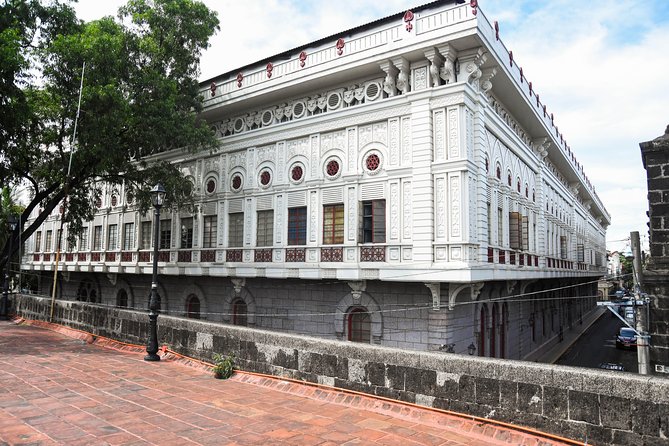
Intramuros can look simple on a map: a walled district with a handful of famous buildings. On foot, though, the meaning of each place is not always obvious. A church, a courtyard, a monument, and a fort can blur together if you do not know how they connect.
This tour gives you a basic timeline. You begin with Spanish colonial Manila and Catholic influence, move through the galleon trade and upper-class domestic life, confront the destruction of World War II, and finish with the military and political story of Fort Santiago. That makes it a useful first visit, especially if you have only a short time in Manila.
I would not book this tour if you want to wander at your own speed or spend a long time photographing every doorway. The schedule allows about 10 minutes at some sites and 30 minutes at others. The strength is the broad sweep, not a slow architectural study.
The group limit of 15 helps keep the tour from feeling like a large procession. If attendance is light, you may get something close to a private experience. Jian and Jerome are both praised for tailoring explanations to individual interests, and one solo participant continued with Jian on another guided tour later in the day. That kind of flexibility can add real value.
More History Tours in Manila
- Intramuros, Manila: Historical Bamboo Bike Tour
★ 4.8 · 583 reviews - Experience Manila’s Heritage: Intramuros & More in Half a Day!
★ 5.0 · 76 reviews - Tagaytay, Taal Volcano & Heritage Town: A Journey of Discovery
★ 5.0 · 29 reviews
San Agustin Church: The Best Place to Start
The tour begins at San Agustin Church on General Luna Street. This is a practical meeting point because it is one of Intramuros’s best-known landmarks and easy to identify.
You get about 10 minutes at the church itself. That is enough for an introduction, but not enough for an unhurried architectural inspection. The key fact is that San Agustin is the oldest stone church in the Philippines and the only church in Intramuros to survive the bombing of Manila during World War II.
That survival gives the building unusual weight. You are not simply looking at an old church. You are looking at one of the few physical links between Spanish Manila and the city that emerged after the war.
The short church visit also sets the tone for the rest of the morning. Your guide can explain the place in relation to Catholic power, colonial rule, and the wider development of Manila. If you want extra time inside, ask early. The tour has several stops to cover, and the guide may keep the group moving.
San Agustin Museum and the Global Galleon Trade
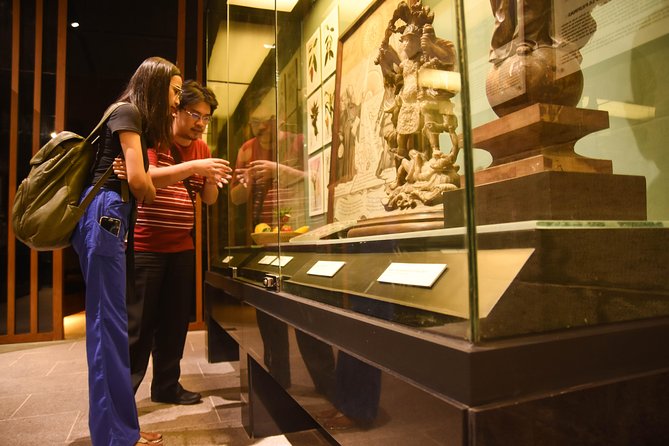
Next door, Museo San Agustin receives about 30 minutes. Admission is included, which is helpful because this is one of the principal paid stops on the route.
The museum shifts the story from a single building to a much wider network. Here you learn about the Spanish Galleon Trade, which connected Manila with far-reaching parts of the world. You also see Catholic artifacts from different centuries and gain a better sense of how the church shaped life in the Philippines.
This is one of the tour’s most useful stops because it adds economic and cultural context. Spanish influence did not arrive only through soldiers and priests. Goods, ideas, religious objects, and people moved across the sea, making Manila part of a much larger colonial system.
Thirty minutes is a sensible amount of time for an overview. You can learn the main points without spending half a day in the museum. Still, anyone with a strong interest in religious art or colonial trade may want to return independently, since the group schedule cannot cover every object in detail.
The best guides make this section more than a list of dates. Jian is repeatedly praised for adding small facts and cultural connections, while Jerome is noted for explaining Philippine languages and history with humor. Those qualities matter in a museum, where a good explanation can help you notice why an object is important.
Casa Manila and Life Behind Spanish-Era Walls
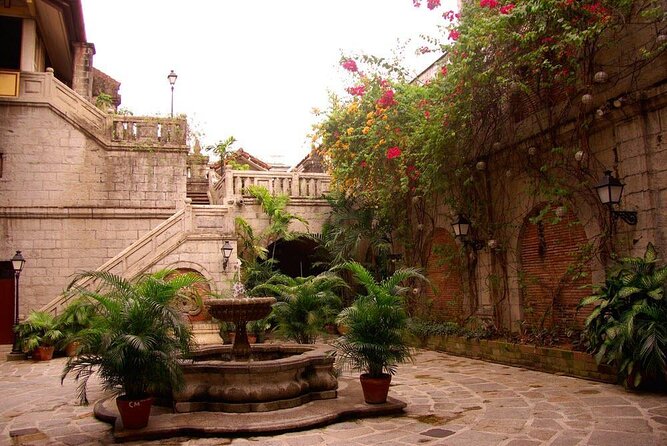
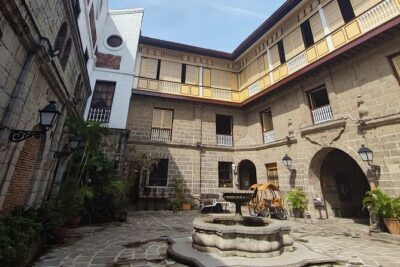
Casa Manila takes roughly 30 minutes and offers a different view of colonial society. This turn-of-the-19th-century house recreates the kind of home associated with Manila’s upper social class.
After the church and museum, Casa Manila brings the story down to the level of daily life. You see how wealth and status could appear inside the home, rather than only through government buildings or religious institutions. The furnishings and rooms help show the distance between elite households and the wider population.
I like this change of pace. A history tour can become too focused on institutions, but a house gives you a more personal frame. You can think about how people lived, entertained, received visitors, and displayed their social position.
The drawback is time. Thirty minutes gives you a guided introduction, not a leisurely house visit. If you enjoy interiors, you may wish you could stop longer in certain rooms. Even so, Casa Manila is important because it keeps the tour from becoming only a sequence of churches and military sites.
This is also a point where your guide’s style matters. A dry description of furniture would make the stop forgettable. A good guide can connect the house to Spanish customs, local culture, and the changing identity of Manila. The strongest comments about Jian and Jerome focus on exactly that ability to make ordinary objects part of a larger story.
More Intramuros walks:
- Experience Intramuros with Bamboo Bicycle – Ecotours
★ 5.0 · 508 reviews - Manila: Intramuros, Chinatown, and Old Manila Half-Day Tour
★ 4.8 · 475 reviews - Manila Old and New: Sightseeing Tour Including Intramuros and Fort Santiago
★ 4.5 · 377 reviews - Manila: Guided Sunset Bamboo Bike Tour in Intramuros
★ 4.8 · 119 reviews
Memorare Manila: Remembering the Civilians
The Memorare Manila Monument is a brief 10-minute stop dedicated to innocent civilian casualties of World War II.
The visit is short, but the subject is not. The monument gives you a place to consider what happened to Manila and its people during the war. It also broadens the tour beyond the Spanish period. Intramuros is often presented as a preserved colonial district, yet much of its story includes destruction, loss, and rebuilding.
Your guide uses this stop to explain the Philippines’ role in the Second World War. That context prepares you for the next part of the visit, especially the contrast between old colonial structures and the wartime scars carried by the city.
Do not expect a long memorial visit. Ten minutes is enough for an explanation and a moment of reflection, but not an extensive discussion of every wartime event. The value comes from its position in the route. It reminds you that the walls did not protect Intramuros from modern warfare.
Manila Cathedral and the Continuing Role of Catholicism
The tour then reaches Manila Cathedral, the seat of the Catholic Church in the Philippines. You spend about 10 minutes here, with no separate admission fee listed for the stop.
This visit continues the religious thread that began at San Agustin, but the setting helps show that Catholicism is not only a colonial-era subject. Manila Cathedral represents the continuing institutional role of the church in the country.
The stop is short enough that you should think of it as a guided orientation rather than a full cathedral visit. Your guide can place the building within the story of Philippine religion and Manila’s development, while you get a chance to see another important landmark inside the walled city.
The sequence works well. San Agustin presents survival and age, the museum provides artifacts and global connections, and Manila Cathedral shows the church’s lasting position. You may not spend long inside, but the three places form a useful chain.
Fort Santiago: A Strong Finish to the Tour
Fort Santiago is the final stop and receives about 30 minutes. The tour ends here, at the old Spanish military stronghold inside Intramuros.
This is the route’s most dramatic finish. The fort brings together Spanish defense, Philippine resistance, and the movement toward independence from Spain. Your guide also discusses one of the Philippines’ heroes, giving the political story a human focus.
Ending here makes practical sense. The tour builds from religion and society toward military power and national independence. By the time you reach the fort, you have enough background to understand why this place matters.
Thirty minutes provides a solid introduction, but the fort can reward additional time if you want to explore more on your own. Since the tour ends here, you can choose to continue independently after the guide finishes, assuming your schedule allows.
The ending point is also useful for planning the rest of your day. You do not have to return to San Agustin Church with the group. That leaves you free to continue around Intramuros, arrange your next activity, or head elsewhere in Manila.
The Guides Make the Difference
The clearest strength of this experience is the quality of the guiding. Jian is praised for his friendly manner, patience, local knowledge, and ability to add useful details about Philippine culture. Several people found that he made the sites far more meaningful than they would have been alone.
Jerome receives similar praise for his humor, professionalism, and interactive style. He is especially well suited to people who want to ask questions about Philippine languages, culture, and the country’s past. Patrick is also mentioned as part of the guiding team.
That does not mean every tour will feel identical. A guide who moves quickly can affect the experience, especially when the group is small. One visitor felt the route was rushed and that not all planned places were completed. The company’s response suggested a misunderstanding about the preferred pace, but the practical lesson is simple: tell your guide at the beginning if you want a slower, fuller visit.
A short tour needs communication. Say if you care most about the museum, Casa Manila, wartime history, or Fort Santiago. A small group gives the guide more room to respond than a large bus tour would.
Is $55 a Fair Price?
The price is $55 per person. That puts the tour above a simple self-guided walk, but the comparison is not quite fair.
You are paying for a three-hour English-language guide, a planned route, bottled water, and all listed entrance fees. You also avoid the work of deciding which sites fit together and how much time to give them. For a first visit, that structure can save energy and help you understand what you are seeing.
The value is strongest when you care about history and want explanations at each stop. It is weaker if you mainly want photographs, prefer to read on your own, or would be satisfied with only San Agustin Church, Casa Manila, and Fort Santiago. One person felt the experience included only three main paid attractions and cost too much for the time provided. That is a fair concern.
I see the price as reasonable for a visitor who wants a compact introduction and does not want to pay admission separately. It is less compelling for repeat visitors or anyone who plans to spend a full day exploring Intramuros independently.
Group discounts may make the cost easier for families or friends. The group size is limited to 15, so you get a more focused experience than a large public tour, though you should not assume every departure will be tiny.
Timing, Walking, and What to Bring
The tour lasts about three hours and relies on walking between the sites. Private transportation is not included, so you need to reach San Agustin Church on your own and arrange your onward plans from Fort Santiago.
The route is described as an easy walk, but Manila’s heat can change how it feels. Bottled water is included, and one guest appreciated having a break during the tour. I would still plan for warm conditions and choose comfortable footwear.
The schedule includes several short visits, so arrive ready to keep moving. If you need time for photographs, questions, or a slower look inside the museums, say so at the start. Good weather is required, and the experience may be moved or fully refunded if poor weather causes cancellation.
Confirmation is provided when you book. The tour is near public transportation, and most people can take part. Free cancellation is available up to 24 hours before the start time. Changes or cancellations made within 24 hours are not accepted for a refund.
Who Should Book This Intramuros Tour?
I would choose this tour for a first visit to Manila, especially if you have only half a day for Intramuros. It gives you the basic structure you need: Spanish rule, Catholic influence, global trade, elite life, World War II, and the independence movement.
It also suits solo visitors and small families. Several people received a more personal experience because their group was tiny, and Jian or Jerome could answer questions in detail. Families with older children or young adults may find the mixture of churches, a historic house, a memorial, and a fort more engaging than a lecture-style tour.
I would hesitate if you want a slow museum visit or a full-day historical study. The route is broad rather than exhaustive, and the short stops can feel tight when there is a lot to see. The strongest experience will come from treating this as an introduction, then returning to the places that interest you most.
Should You Book It?
Book this tour if you want a clear, guided introduction to Intramuros and value the explanation as much as the buildings. The 4.9 rating from 80 reviews and 96 percent recommendation reflect a consistently strong response, especially to the guides’ humor, cultural insight, and ability to make Philippine history easy to follow.
The decision is less clear if $55 feels high for a three-hour walk or if you prefer complete control over your pace. In that case, a self-guided visit may offer better value. If you do book, arrive at San Agustin Church ready to mention your interests and preferred speed. With the right expectations, this is a compact and useful way to begin understanding Manila’s walled city.
FAQ
How long does the Intramuros tour last?
The tour lasts approximately three hours, which is about a half-day. The rest of your day remains free for other activities.
Where does the tour begin?
The meeting point is San Agustin Church on General Luna Street in Intramuros, Manila.
Where does the tour end?
The tour ends at Fort Santiago, the old Spanish military stronghold inside Intramuros.
Are entrance fees included?
Yes. Admission to Museo San Agustin, Casa Manila, and Fort Santiago is included. The listed visits to San Agustin Church, Memorare Manila Monument, and Manila Cathedral do not require a separate admission fee.
Is transportation included?
No. Private transportation is not included. You are responsible for reaching San Agustin Church and arranging transportation after the tour ends at Fort Santiago.
How many people can join the tour?
The maximum group size is 15 people. Group discounts are available, and confirmation is provided at the time of booking.
Just added in Manila
- Underground River with Lunch★ 3.6 · 5 reviews
- Manila Night market and Street Food Tour★ 5.0 · 2 reviews
- Cruise Shore Excursion of Taal Volcano with Lunch★ 4.5 · 4 reviews
- Unforgettable Manila Fishing Village Day Excursion 2024★ 5.0 · 4 reviews
- Ultimate 8-Day Palawan Island Tour Package from Manila City★ 5.0 · 1 review
- 3 Days Private Tour in Banaue Ifugao visiting Batad Rice Terraces★ 3.5 · 3 reviews
- Tagaytay + Hidden Valley Springs: A Scenic Escape w/ Transfers★ 4.0 · 4 reviews
- Tagaytay Day Tour sightseeing with Panoramic Taal volcano view★ 5.0 · 6 reviews
Intramuros Walks, compared.
Intramuros, Manila: Historical Bamboo Bike Tour
Read our review →
Experience Intramuros with Bamboo Bicycle – Ecotours
Read our review →Intramuros, Chinatown, and Old Manila Half-Day Tour
Read our review →
Manila Old and New: Sightseeing Tour Including Intramuros and Fort Santiago
Read our review →
Experience Manila’s Heritage: Intramuros & More in Half a Day!
Read our review →
Manila by Night: Discovering City Highlights with Intramuros
Read our review →Browse the lists this tour appears in