
Reviewed · TUK-TUKS
The Jeepney & Tuk Tuk Adventure ride with Local Guide
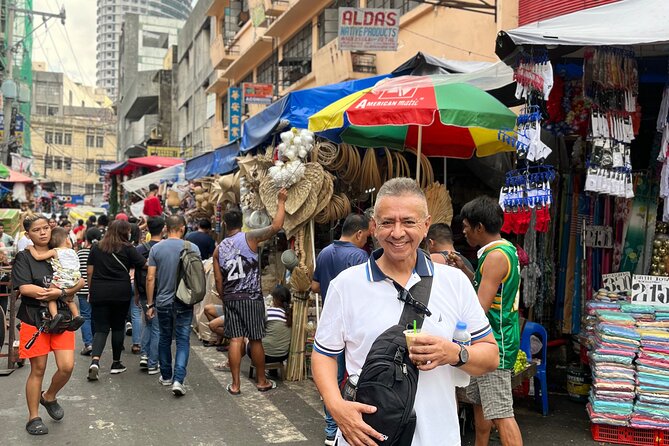
Manila makes more sense from the street. This two-hour outing pairs jeepneys and tuk tuks with a local walking tour through Binondo and Divisoria, where you can watch daily trade, see colorful housing areas, browse market lanes, and sample street food. I like the focus on ordinary city life rather than a polished sightseeing route, and I like that the small group is capped at 10 people.
The $50 price feels fair if you want a guide to handle the local transport and give context as you walk. The main catch is the amount of walking: this is not wheelchair-friendly, and anyone with limited mobility should contact the operator before booking.
In This Review
- Key points at a glance
- Starting at 1919 Grand Cafe in Binondo
- Seeing Manila from a Jeepney and Tuk Tuk
- Entering Divisoria’s Market Streets
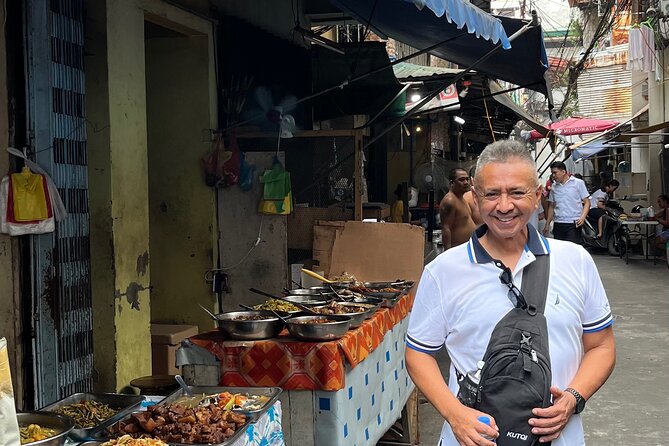
- Street Food and Local Eating
- Housing Areas and Community Life
- Historic Sites and Less-Visited Corners
- What the Two-Hour Format Really Gives You
- Is $50 a Fair Price?
- Who Will Enjoy This Manila Experience?
- Practical Advice Before You Book
- Should You Book the Jeepney and Tuk Tuk Adventure?
- FAQ
- Where does the tour start?
- Where does the tour end?
- How long does the tour last?
- How much does the tour cost?
- What transportation is used?
- Is a guide included?
- Is walking included?
- Is bottled water provided?
- Are snacks included?
- Is the tour wheelchair-friendly?
Key points at a glance
- Divisoria market life: See locals bargain for produce, seafood, household goods, and other items in one of Manila’s best-known shopping districts.
- Local transport: Ride the jeepneys and tricycles, often called tuk tuks, that form part of everyday life in Manila.
- Binondo starting point: Meet at 1919 Grand Cafe, 117 Juan Luna Street, in Binondo, Manila.
- Small group size: The tour accepts no more than 10 people, which should make questions and street guidance easier.
- Walking matters: A past booking required a mobility-related alternative arrangement, so sturdy shoes and realistic expectations are important.
- Simple inclusions: You receive bottled water, a local guide, and the walking tour, but snacks are extra.
Starting at 1919 Grand Cafe in Binondo
The meeting point is 1919 Grand Cafe at 117 Juan Luna Street, Binondo. This puts you in a useful part of Manila for a neighborhood-focused outing, rather than beginning in an isolated resort or hotel zone.
You will want to arrive ready to move. The experience lasts about two hours, and the format combines walking with local rides. That means you should keep your belongings close, wear shoes suited to uneven streets, and avoid bringing anything you would dislike carrying through a crowded market.
The tour offers a mobile ticket, which is handy if you are already moving around Manila and do not want to manage printed paperwork. Confirmation is provided when you book. Public transport is nearby, so the meeting point is not cut off from the rest of the city.
The group limit of 10 is one of the better details here. A guide can give directions, answer questions, and keep the group together more easily than on a large coach outing. In Divisoria, where narrow lanes and busy commercial streets are part of the experience, that smaller size should be useful.
A few more Luzon days worth comparing
- Manila Old and New: Sightseeing Tour Including Intramuros and Fort Santiago
★ 4.5 · 377 reviews - Manila’s Walled City: Intramuros Walking Tour
★ 5.0 · 82 reviews - Manila Filipino Cooking Class: Meryenda Favorites
★ 5.0 · 80 reviews
Seeing Manila from a Jeepney and Tuk Tuk
The transport is not just a way to get from one stop to another. Jeepneys and tricycles are part of the city’s daily rhythm, and riding them gives you a closer look at how people move around Manila.
A jeepney ride offers a different view from a private car. You are close to the street, surrounded by the sounds and movement of the neighborhood. A tricycle, or tuk tuk, is another familiar local vehicle, especially useful on smaller roads and short urban routes.
You should not expect luxury or a quiet ride. These are working forms of transport, not sightseeing vehicles designed around comfort. That is precisely why they add value, but it also means the ride may feel more exposed and less predictable than a private transfer.
Your guide is important here. The experience promises local transport, a walking route, and a look at places that many standard Manila tours skip. A guide can help you understand where to wait, how the ride fits into local life, and what you are seeing as the route unfolds.
The published information does not give an exact stop-by-stop transport schedule. Keep that in mind if you are hoping to ride each vehicle for a specific length of time. The emphasis is on experiencing Manila through its everyday modes of travel, not on collecting a fixed number of rides.
Entering Divisoria’s Market Streets
Divisoria is the heart of this experience. The district is famous for low prices and a wide range of goods, and the tour presents it as a place to see real local commerce rather than simply pass through a market for photographs.
Expect narrow alleys and streets lined with trade. You may see fresh produce, seafood, clothing, household goods, and other products changing hands. Bargaining is part of the atmosphere, and the district’s appeal comes from watching people work, shop, carry goods, and make deals.
I like this part of the tour because it gives you a useful correction to the usual Manila image. The city is not only grand buildings, traffic, and historic sights. It is also the practical work of buying food, supplying shops, and finding affordable goods.
Divisoria can be visually and mentally busy. You may find the crowds, noise, and tight walking areas tiring, especially if you prefer calm shopping streets. That is not a flaw in the market itself, but it is a reason to choose this tour only if you want an active street experience.
The market also offers a chance to shop, although the tour is not presented as a dedicated shopping service. You may find good prices, but your time is limited to about two hours and the group has a wider cultural purpose. If you want to bargain for many items, you may need to return on your own later.
Street Food and Local Eating
Food is part of the appeal, but snacks are not included in the $50 price. The tour gives you the chance to sample street food and visit local eateries, yet you should budget separately for anything you choose to eat.
That arrangement is practical. You decide what to try and how much to spend, rather than paying for a fixed food package that may not suit you. At the same time, you should not confuse the opportunity to sample food with a full food tour.
If you are cautious about unfamiliar dishes, ask the guide for help. The provided details do not specify a menu, so I would not book this expecting named tastings or a set number of samples. Think of food as one part of the neighborhood experience.
Divisoria also gives you a chance to see how food fits into ordinary city life. Fresh produce and seafood are among the goods found in the market, and local eateries add another layer to the visit. Even if you only make a small purchase, the setting tells you more than a restaurant in a tourist district could.
Bring water, although bottled water is included. In warm weather, that small inclusion matters, especially with the walking and time spent in crowded market streets.
A completely different kind of day out:
- Batad Guided Tour
★ 5.0 · 78 reviews - Manila Super Saver: Manila Sightseeing plus Tagaytay Tour with Taal Volcano
★ 4.0 · 75 reviews - Express Bamboo Bike Tour inside Intramuros
★ 4.5 · 66 reviews - PanoramicTagaytay Ridge Tour from Manila
★ 4.0 · 52 reviews
Housing Areas and Community Life
The outing also passes through colorful housing areas that show the community spirit and resilience of local residents. The description is broad, and no particular neighborhood or building is named, so you should not expect a formal architectural tour.
Still, this is a worthwhile part of the route. Market districts do not exist in isolation. People live near the shops, work nearby, and build daily routines around the same streets. Seeing those surroundings helps you connect commerce with community.
You may find these areas more meaningful when the guide explains what you are seeing. Without that context, a quick walk through residential streets could feel like simple sightseeing. The guide’s role is to make the surroundings understandable and respectful, not just point out colorful walls or crowded lanes.
That also calls for good manners. Keep your camera discreet, follow the guide’s advice, and remember that the neighborhood is home to people who are going about their day. The most valuable photographs may be the ones you take with your eyes, rather than with your phone.
Historic Sites and Less-Visited Corners
The tour also allows time for historical sites and lesser-known places around Manila. The available details do not identify those sites by name, so you should not book this as a fixed historical monument tour.
The benefit is flexibility. A local guide can respond to the route and show you details that a standard city itinerary may miss. You might see a small local feature, an older street, or a place that makes more sense once you understand the neighborhood around it.
The tradeoff is that the exact content may vary. If a particular church, museum, or landmark is essential to your Manila plans, confirm with MstarToursPh before booking. This experience is better suited to understanding the city’s street life than checking famous sights off a list.
What the Two-Hour Format Really Gives You
Two hours is enough for a strong introduction, but it is not enough to explore Divisoria at a relaxed pace, shop widely, eat a full meal, and cover many historic sites. The tour works best as a concentrated neighborhood visit.
The combination of transport and walking helps you cover more ground than a walking-only route. Still, the walking remains a major part of the experience. One booking received a rating of 3 out of 5 because the route involved substantial walking and was not suitable for someone with mobility challenges, although the guide arranged an alternative.
That detail deserves attention. The guide may be able to adjust part of the experience, but the tour is not fully suitable for wheelchairs and is not wheelchair-friendly. If you use a wheelchair or have difficulty walking for long periods, ask about possible arrangements before paying.
For most able-bodied visitors, the walking is part of the value. You are not being driven past Manila behind glass. You are moving through the streets, entering market areas, and seeing the city at a human pace. Just do not mistake an authentic route for an easy one.
Is $50 a Fair Price?
At $50 per person, this is not the cheapest way to see Manila. You could explore a market on your own for much less, and local transport costs only a small part of the total price.
The fee pays for more than the rides. You are also paying for a local guide, route planning, interpretation, bottled water, and the convenience of having someone organize a short introduction to a part of Manila that can feel confusing on your own.
I see the strongest value for first-time visitors who want help making sense of local transport and market life. It is also useful if you have limited time and prefer a planned two-hour visit rather than working out the route yourself.
The value is weaker if you are an experienced Manila visitor who already knows Divisoria and is comfortable using jeepneys and tricycles independently. In that case, you may prefer to spend the money on food, shopping, or a longer self-guided visit.
The small group helps defend the price. With a maximum of 10 people, the guide can keep the pace more personal than a large sightseeing group. The overall rating is 4.5 from four ratings, with particular praise for the guide’s efforts to make an alternative arrangement when mobility became an issue. That is encouraging, but it does not remove the need to assess the walking honestly.
Who Will Enjoy This Manila Experience?
I would recommend it to you if you want:
- A close look at everyday Manila rather than a polished tourist route
- A guided introduction to jeepneys and tricycles
- Time in Divisoria’s shopping and food district
- A short activity that fits into a busy Manila schedule
- A small group and a local guide
- A chance to ask questions while moving through the city
I would think twice if you want a quiet sightseeing trip, a full food itinerary, or a detailed tour of named historic landmarks. I would also avoid booking without clarification if you have serious mobility limits.
Families with older children may find the market and transport interesting, but the walking and crowded streets require attention. Anyone who dislikes noisy commercial areas may find the experience demanding rather than fun.
Practical Advice Before You Book
Wear comfortable shoes and expect to walk more than the two-hour duration might suggest. Keep your phone, wallet, and other valuables secure, and carry only what you need.
Bring extra money for snacks or local food. Bottled water is included, but snacks are not, and you may want to try something from a market stall or local eatery.
The tour starts and ends at 1919 Grand Cafe in Binondo. Plan your day around that return point rather than assuming you will be dropped at a hotel or another Manila attraction.
You can cancel for a full refund if you do so at least 24 hours before the start time. Cancellations or changes made less than 24 hours before the experience are not eligible for a refund, and the cut-off follows local time.
Should You Book the Jeepney and Tuk Tuk Adventure?
Book this experience if you want a short, guided look at Manila’s everyday life, especially Divisoria’s market trade and the city’s local transport. The $50 cost makes the most sense when you value orientation, local explanation, and a small group more than cheap transportation.
Skip it if you want a leisurely walk, a fixed list of famous sights, or a wheelchair-friendly route. For the right visitor, this is a useful and lively introduction to Manila, with the honest feel of a working neighborhood rather than a staged attraction.
FAQ
Where does the tour start?
It starts at 1919 Grand Cafe, 117 Juan Luna Street, Binondo, Manila, 1006 Metro Manila, Philippines.
Where does the tour end?
The experience ends back at the meeting point.
How long does the tour last?
The tour lasts approximately two hours.
How much does the tour cost?
The listed price is $50 per person.
What transportation is used?
The experience uses local transportation, including jeepneys and tricycles, also described as tuk tuks.
Is a guide included?
Yes. A local tour guide is included.
Is walking included?
Yes. The tour includes a walking tour and involves a lot of walking.
Is bottled water provided?
Yes. One of the included features is bottled water.
Are snacks included?
No. Snacks are not included in the price.
Is the tour wheelchair-friendly?
No. The tour is not fully suitable for wheelchairs and is not wheelchair-friendly. An alternative arrangement may be possible, so contact MstarToursPh before booking if mobility is a concern.
Just added in Luzon
- Private Filipino Cooking Class in the Heart of Manila,Makati City★ 5.0 · 5 reviews
- Villa Escudero Tour with Lunch From Manila (SHARED)★ 5.0 · 5 reviews
- VILLA ESCUDERO DAY TOUR with Carabao Cart Ride and Bamboo from Manila★ 4.0 · 6 reviews
- Villa Escudero Coconut Plantation Day Trip from Manila★ 3.5 · 9 reviews
- Skip the Line: Villa Escudero Plantation & Resort Day Pass Ticket★ 4.5 · 11 reviews
- Tagaytay Day Tour From Manila★ 5.0 · 1 review
- Pagsanjan Falls Adventure with Lunch and Rapids Experience★ 4.5 · 3 reviews
- Angeles City / Clark Airport to La Union (Bauang, San Fernando, San Juan)★ 3.5 · 4 reviews
Tuk-Tuks, compared.

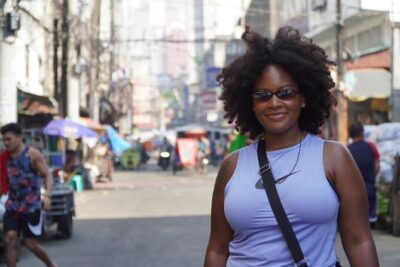
Discover the Real Manila with Tuktuk and Jeepney
Read our review →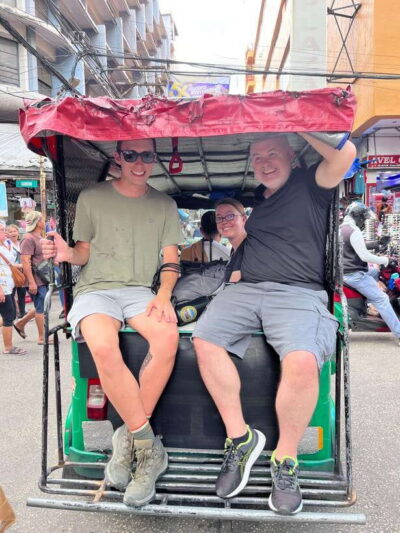
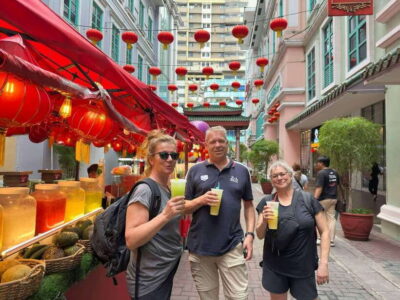
Manila Street Food and Drinks with Tuktuk Experience
Read our review →
Browse the lists this tour appears in