
Reviewed · INTRAMUROS WALKS
Manila: Intramuros Myths and Nights Tour
Folklore gives old walls a second life. This two-hour walk through Intramuros links Philippine myths with colonial rule, resistance, and the stories people carried through childhood. I like the way the tour treats legends as more than spooky entertainment, and I like that guide Jerome brings humor and strong historical context to the walk. The main thing to consider is the dark setting: uneven streets, trees, dungeons, and ghost stories may not suit everyone, especially if you prefer a straightforward daytime history tour.
The route covers Plaza Moriones, Fort Santiago, the Jose Rizal chapel-cell, the dungeons, Manila Cathedral, San Agustin Church, and Puerta del Parian. The folklore angle feels fresh, even if you have already seen Intramuros, while the small two-hour format gives you a focused introduction rather than an exhausting march through every corner of the Walled City.
In This Review
- Key points to know before you book
- Why Intramuros works so well at night
- Plaza Moriones: starting with aswangs and kapres
- Fort Santiago beneath the balete tree
- Jose Rizal’s chapel-cell and the role of agimat
- The dungeons and the danger of forgetting
- Manila Cathedral and San Agustin Church
- Puerta del Parian and the final note of resistance
- What the $49 price includes
- Day or night, and what to bring
- Who will enjoy this Intramuros walk
- Should you book the Myths and Nights Tour?
- FAQ
- Where does the tour begin?
- How long does the tour last?
- What does the tour cost?
- Is the entrance fee included?
- Is a snack included?
- Which languages are available?
- Can I choose a daytime tour?
- Can I cancel for a full refund?
Key points to know before you book
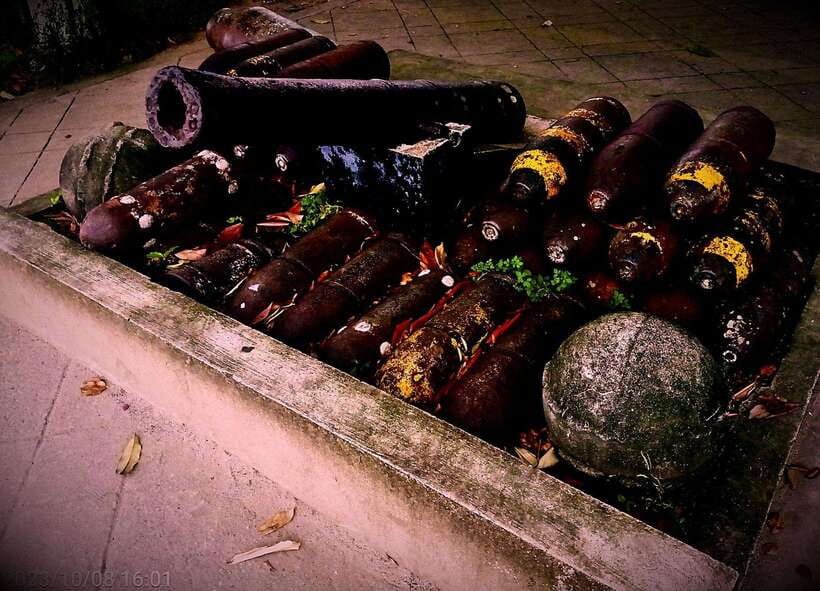
- Plaza Moriones sets the tone: The tour begins beneath an acacia tree with stories of aswangs, kapres, and other Philippine beings.
- Fort Santiago adds weight: Folklore about white ladies and duwendes is tied to colonial control and changing beliefs.
- Jose Rizal anchors the independence story: The chapel-cell visit connects agimat, monasticism, and the fight against Spanish rule.
- The dungeons are not treated as a haunted attraction: Their focus is the memory of the roughly 600 civilians who died there.
- Jerome is a major strength: He mixes humor, historical detail, and open discussion, according to the published five-star feedback.
- The price includes the basics: For $49 per person, you get the guide, entrance fee, and a snack, with free cancellation up to 24 hours before the start.
Why Intramuros works so well at night
Intramuros can feel different after sunset. The old stone walls, trees, churches, and enclosed lanes create the right setting for stories that sit between history and folklore. You are not simply hearing a list of creatures. You are looking at how stories helped people explain danger, preserve identity, and make sense of foreign rule.
That distinction matters. A weaker night walk could turn the Philippines into a collection of ghost tales. This tour aims for something more serious. It asks how Spanish colonial authorities used frightening stories and religious ideas to influence local beliefs and weaken native confidence.
You will still hear entertaining legends. The aswang, often described in popular culture as a Filipino vampire, appears alongside the kapre, a large tree-dwelling figure, and other beings familiar from Filipino childhood. But the tour places those tales beside questions of power, religion, and nationalism.
The timing also changes the mood. Under an acacia tree at Plaza Moriones, folklore can feel close and personal. Later, among the old structures of Fort Santiago, the same stories take on a sharper edge. If you want bright photographs and a broad architectural overview, choose the day option. If you want atmosphere and storytelling, the night option makes more sense.
More Intramuros walks:
- Intramuros, Manila: Historical Bamboo Bike Tour
★ 4.8 · 583 reviews - Experience Intramuros with Bamboo Bicycle – Ecotours
★ 5.0 · 508 reviews - Manila: Intramuros, Chinatown, and Old Manila Half-Day Tour
★ 4.8 · 475 reviews
Plaza Moriones: starting with aswangs and kapres
The meeting point is Plaza Moriones, where the tour begins beneath an acacia tree. This first stop introduces Philippine mythology and establishes the central idea of the walk: folklore is connected to history, not separate from it.
You can expect stories about aswangs, kapres, and other mythological figures that have shaped Filipino imagination. The setting gives these tales room to breathe, but the guide also uses them to explain how communities passed ideas from one generation to the next.
I like this opening because it avoids beginning with a dry list of dates. You start with stories that feel familiar and human. From there, you can better understand why colonial powers might try to reshape local beliefs.
The guide’s personality matters here. Jerome received especially strong praise for making the legends of the aswang, duwende, and tikbalang lively and funny. His style appears to balance education with a relaxed tone, which is useful when a tour deals with frightening subjects and painful history in the same two-hour period.
The drawback is that the stories may move quickly. The tour covers several creatures and a large historical argument before moving on. If one particular legend interests you, ask questions while you have the chance. Jerome is described as open to questions, so the discussion format seems to be part of the experience.
Fort Santiago beneath the balete tree
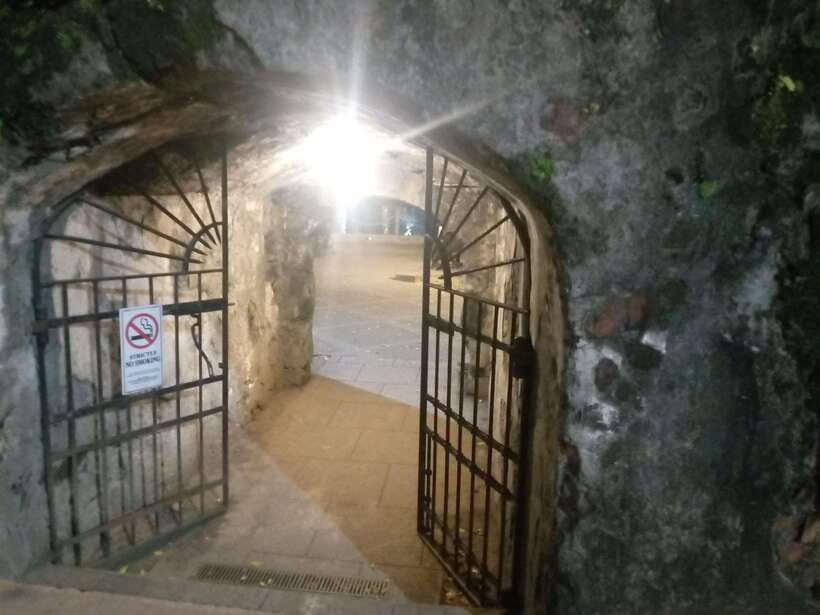
The route continues to Fort Santiago, one of Intramuros’ most important sites. Here, beneath a balete tree, the group discusses white ladies, duwendes, and related supernatural beliefs.
The balete tree has a strong place in Philippine folklore, so this setting supports the subject without needing much decoration. You are standing in a historic fortress while hearing about stories tied to spirits, small beings, and haunted places. The contrast is effective.
This part also develops the tour’s argument about colonial power. The discussion looks at how Spanish authorities manipulated the mindset of local people, encouraging the idea that the conquerors were superior to native communities. That makes the folklore more than a collection of scary tales. It becomes evidence of how belief can be shaped by politics and religion.
For you, the value is in the connection. A standard Fort Santiago visit may explain walls, military use, and famous prisoners. This experience asks what happened inside people’s minds as foreign rule took hold. It considers how old local spiritual ideas were recast, discouraged, or labeled as evil.
Still, you should keep your expectations clear. This is not a full academic lecture on Philippine mythology or Spanish administration. It is a short guided conversation at several sites. You will get a strong interpretive thread, but not every legend or historical event can receive equal attention.
Jose Rizal’s chapel-cell and the role of agimat
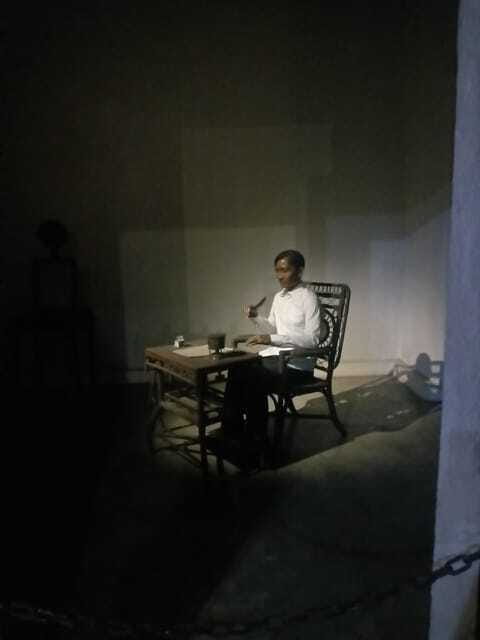
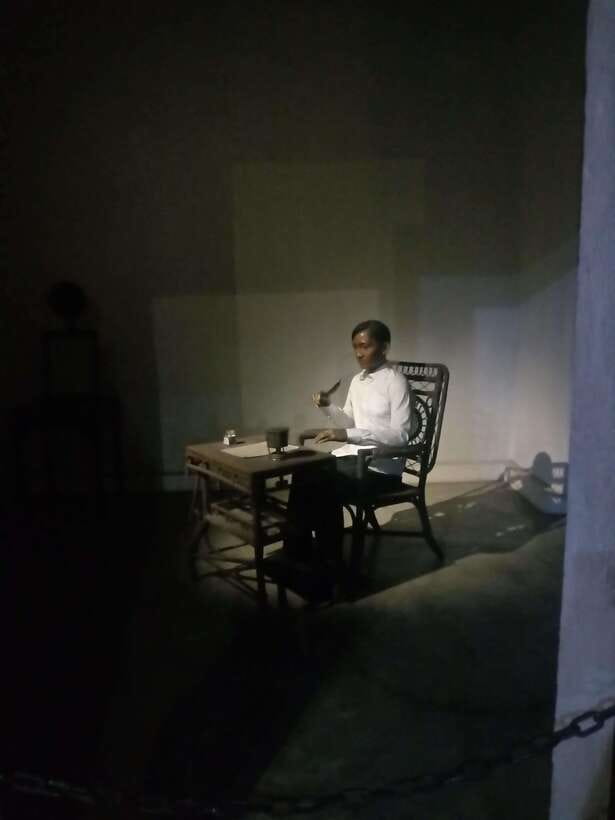
The next important stop is the chapel-cell of Jose Rizal. Rizal is central to Philippine national identity, and placing his final hours within a folklore-focused walk gives the tour a distinctive shape.
Here, the discussion turns to agimat and monasticism, and how both played a role in the struggle for independence. Agimat refers to a talisman or object believed to carry protective or special power. The tour uses this idea alongside religious practice to show how different forms of belief could exist together during the colonial period.
This is one of the places where the experience appears strongest. You are not asked to choose between folklore and formal religion as if one is real and the other is not. Instead, the tour looks at how local spiritual ideas and Catholic practices met, changed, and sometimes conflicted.
The chapel-cell also brings the subject back to a real historical figure. Rizal’s story gives the independence discussion a human focus. Rather than treating nationalism as an abstract movement, the stop connects political struggle with personal conviction, sacrifice, and memory.
If you already know Intramuros, this may be the point where the tour adds the most new material. Krystal Stewart had already taken another Intramuros tour yet found Jerome’s extra context worthwhile. That is a useful sign for repeat visitors who want interpretation rather than another basic orientation walk.
A few more Manila days worth comparing
- Manila: Old & New 4-Hour City Tour
★ 4.5 · 458 reviews - Manila Old and New: Sightseeing Tour Including Intramuros and Fort Santiago
★ 4.5 · 377 reviews - Spectacular Manila to Tagaytay: Full-Day Sightseeing Tour
★ 5.0 · 349 reviews - Makati Nightlife: VIP Access to Clubs, Rooftops & Go-Go Bars
★ 4.9 · 278 reviews
The dungeons and the danger of forgetting
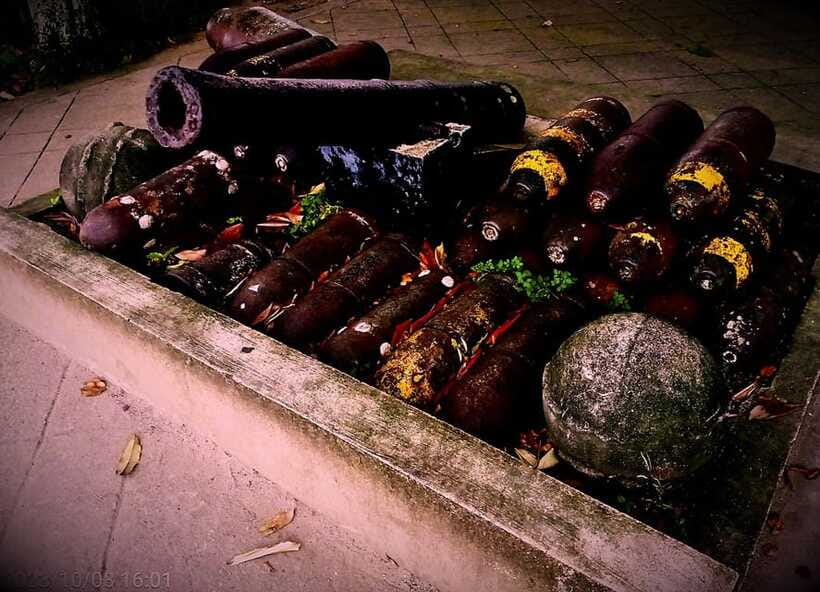
The tour then enters the dungeons. This is the most sobering part of the route.
The focus is on the approximately 600 civilians who died there. The guide does not ask you to fear their ghosts as a cheap thrill. Instead, the point is that their memories should not disappear. That approach gives the dungeon visit moral weight.
You may still feel the eerie atmosphere. A confined underground space, night touring, and stories of death naturally create tension. But the tour’s stated purpose is remembrance, not horror entertainment. That difference is important, especially if you are deciding between this experience and a commercial ghost walk.
I appreciate that the dungeons are placed after the mythology and colonial discussion. By this stage, you have already considered how stories can shape public memory. The dungeon stop then asks what happens when real suffering is forgotten or turned into a vague ghost story.
This may be uncomfortable for children or for anyone who wants a light evening outing. The supplied information does not give a recommended minimum age, so you will need to judge your group yourself. The activity is listed as unsuitable for people over 95, but that unusual restriction says little about general age suitability. The key issue is your comfort with dark historical material and underground spaces.
Manila Cathedral and San Agustin Church
After Fort Santiago, the group walks toward Manila Cathedral and San Agustin Church. These churches help the tour examine the meeting of Catholicism and local religion.
The discussion considers how native supreme beings could be recast as demons by conquerors. That is a powerful subject because religious conversion was not only about replacing one set of ceremonies with another. It could also change the way people named, judged, and remembered their own spiritual traditions.
You will see these churches as part of a larger cultural argument rather than as isolated monuments. The buildings matter, but the tour’s attention remains on belief and authority. It asks who gets to define what is sacred, what is dangerous, and what is acceptable.
This section may appeal most to visitors interested in the overlap of religion and colonial history. If your main goal is architectural detail, you may want a separate church visit. The tour does not promise a long art-history presentation or a full explanation of every building. Its strength is the connection between church power and local belief.
The route also gives the evening a useful change of pace. After the stories under trees and the serious dungeon visit, the churches broaden the discussion. You begin to see Intramuros as a place where military control, religion, folklore, and resistance all occupied the same compact area.
Puerta del Parian and the final note of resistance
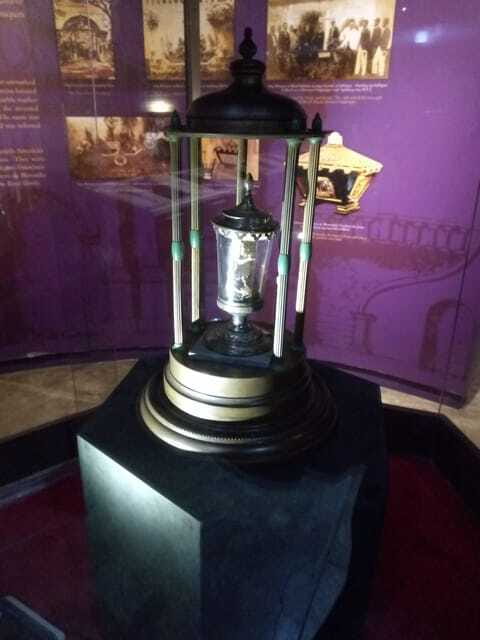
The walk ends at Puerta del Parian, where the theme turns back toward uprisings and independence.
Ending here makes sense. The tour begins with stories that helped people interpret the world and finishes with the spirit of resistance. The final stop reminds you that folklore can carry identity through periods of foreign rule. It can preserve older ideas, offer courage, and keep local memory alive.
Do not expect a large finale with actors, special effects, or a staged ghost encounter. The ending appears to rely on discussion and historical meaning. That suits the experience better. The tour is strongest when it links ordinary stories with large questions about power and self-rule.
You might want to spend a little time orienting yourself after the walk. The route moves through several major Intramuros landmarks, and the ideas come quickly. A short pause at the end can help you sort the legends from the political history and decide which subjects you want to explore further.
What the $49 price includes
At $49 per person, this is not the cheapest way to see Intramuros. The value depends on how much you want from a guide.
The price includes the entrance fee, guide’s fee, and a snack. That matters because you are paying for interpretation, not just access to the Walled City. If Jerome’s teaching style matches the published feedback, you are also getting a guide who adds humor, answers questions, and provides information beyond a standard first visit.
The two-hour duration keeps the cost easier to assess. You are not committing to a full-day program, and the route concentrates on selected sites. I would call it good value for someone who wants a themed experience with historical substance. It is less compelling for someone who only wants to walk around and take photographs.
The five out of five rating from five verified bookings is encouraging, though the sample is small. The strongest praise focuses on Jerome’s passion, historical detail, flexibility, and ability to make mythology fun without losing the serious material. One solo visitor also appreciated that he helped ensure a safe trip home, although that was a personal kindness rather than a promised feature of the tour.
Free cancellation up to 24 hours before the start reduces the risk. You can also reserve now and pay later, which helps if your Manila schedule is still changing.
Day or night, and what to bring
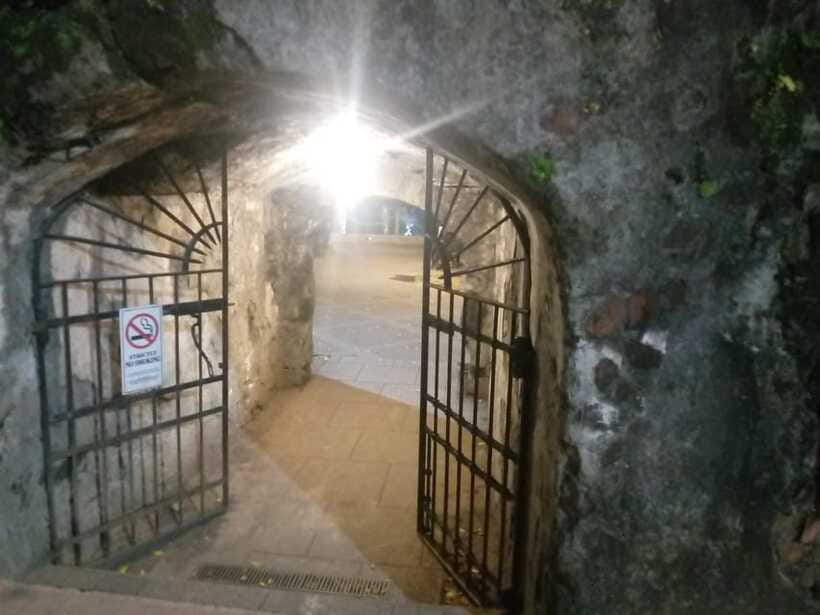
You can choose between a day or night version. Pick the day option if visibility, church details, and easier walking conditions matter most to you. Pick the night option if you want the folklore to shape the mood and do not mind a darker, more atmospheric setting.
Bring biodegradable insect repellent. That is not a decorative suggestion. The route includes time under trees, including the acacia at Plaza Moriones and the balete tree at Fort Santiago, so protection from insects is practical.
The tour is listed as wheelchair accessible, but the itinerary includes streets, Fort Santiago, treeside discussion points, and dungeons. If you use a wheelchair, confirm how access to each specific area is handled before booking. Accessibility is listed for the activity, but the provided details do not explain the route surface or dungeon access.
The listed location information contains a possible mismatch: the experience is presented as a Manila, Intramuros tour, while the location field says Nueva Vizcaya. Because the actual route begins at Plaza Moriones and continues through Fort Santiago and other Intramuros sites, check the meeting details carefully before paying. This is the one practical detail I would verify directly.
Who will enjoy this Intramuros walk
I would choose this tour if you want:
- A fresh angle on familiar Intramuros landmarks
- Philippine mythology presented with historical context
- A guide-led discussion instead of a simple sightseeing loop
- A night activity with serious moments as well as humor
- A short experience that fits into a wider Manila schedule
- More context on colonial rule, religion, and independence
It is especially suited to repeat visitors. The tour can add something even if you have already visited Fort Santiago or taken a general Intramuros walk. It also suits Filipinos who know the major names and want to reconsider familiar history through folklore.
I would hesitate if you want a purely lighthearted ghost tour. The dungeons and colonial discussion are serious, and the experience asks you to think about suffering, memory, and cultural control. I would also choose another activity if you dislike walking outdoors at night or prefer detailed architecture over stories and interpretation.
Should you book the Myths and Nights Tour?
Book it if you want Intramuros to feel like more than a set of old walls and churches. The best reason to go is Jerome’s approach: he appears to combine humor, historical insight, and folklore in a way that works for both first-time visitors and people who already know the district.
The $49 fee is reasonable when you count the entrance, snack, and two hours of guided context. Just confirm the meeting location, bring biodegradable insect repellent, and choose the time of day that suits your comfort.
If you want a fresh, thoughtful look at Philippine identity and independence, I would book the night option. If you only want a quick architectural tour, save your money and explore Intramuros independently.
FAQ
Where does the tour begin?
The tour begins at Plaza Moriones in Intramuros.
How long does the tour last?
The tour lasts two hours.
What does the tour cost?
The listed price is $49 per person.
Is the entrance fee included?
Yes. The entrance fee is included in the price.
Is a snack included?
Yes. A snack is included.
Which languages are available?
The live tour guide is available in English and German.
Can I choose a daytime tour?
Yes. The experience offers a choice between a day or night tour.
Can I cancel for a full refund?
Yes. You can cancel up to 24 hours in advance for a full refund.
Just added in Manila
- Underground River with Lunch★ 3.6 · 5 reviews
- Manila Night market and Street Food Tour★ 5.0 · 2 reviews
- Cruise Shore Excursion of Taal Volcano with Lunch★ 4.5 · 4 reviews
- Unforgettable Manila Fishing Village Day Excursion 2024★ 5.0 · 4 reviews
- Ultimate 8-Day Palawan Island Tour Package from Manila City★ 5.0 · 1 review
- Tagaytay Day Tour sightseeing with Panoramic Taal volcano view★ 5.0 · 6 reviews
- 3 Days Private Tour in Banaue Ifugao visiting Batad Rice Terraces★ 3.5 · 3 reviews
- Tagaytay + Hidden Valley Springs: A Scenic Escape w/ Transfers★ 4.0 · 4 reviews
Intramuros Walks, compared.

Intramuros, Manila: Historical Bamboo Bike Tour
Read our review →
Experience Intramuros with Bamboo Bicycle – Ecotours
Read our review →Intramuros, Chinatown, and Old Manila Half-Day Tour
Read our review →
Manila Old and New: Sightseeing Tour Including Intramuros and Fort Santiago
Read our review →
Explore Intramuros: Introduction to Philippine History
Read our review →
Experience Manila’s Heritage: Intramuros & More in Half a Day!
Read our review →Browse the lists this tour appears in