
Reviewed · INTRAMUROS WALKS
Manila: Intramuros Tour ( Dark)
History feels different after sunset. This two-hour private walk through Intramuros combines haunted stories with the hard facts of prison cells, wartime deaths, political struggle, and revolution. I like the focus on Fort Santiago, where the tour moves beyond ghost tales and explains the suffering behind them. I also like the route’s tribute to figures such as Dr. Jose Rizal, Rajah Sulayman, Andres Bonifacio, and Gen. Vicente Lim.
The main drawback is the serious subject matter. This is not a light evening stroll, and the discussion of torture, executions, prison conditions, and civilian deaths may be too heavy for some people. You will also do a lot of walking in only two hours, so comfortable shoes and water matter.
In This Review
- Key points to know before you book
- Why Intramuros works for a dark history walk
- Fort Santiago: the tour’s strongest hour
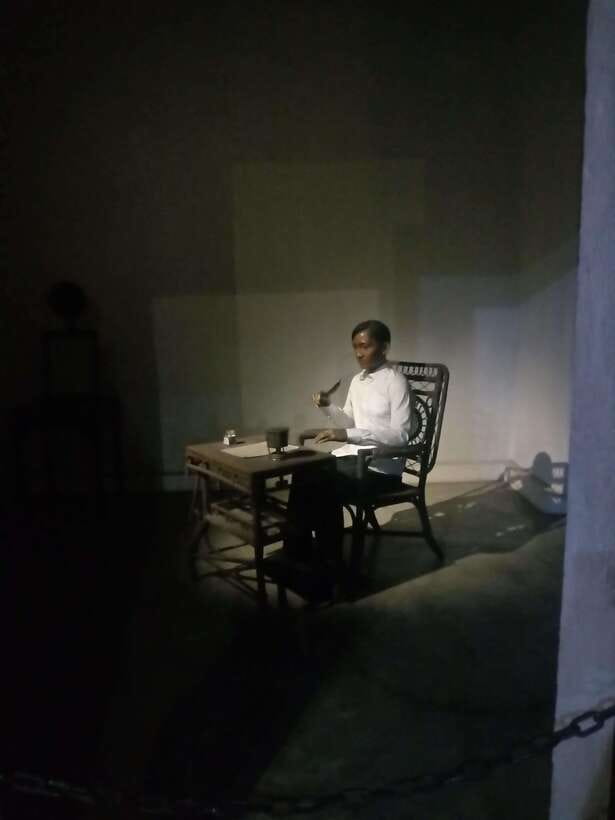
- Dr. Jose Rizal’s final prison cell
- Heroes beyond the standard history lesson
- Manila Cathedral and the struggle for power
- General Luna Street and the Philippine-American War
- Saint Agustin Church and survival through time
- Bonifacio Shrine: ending with revolution
- What the $48 price really covers
- Practical advice for the two-hour walk
- Who will enjoy this Intramuros experience?
- Should you book the Intramuros Dark Tour?
- FAQ
- Where does the tour start?
- How long does the Intramuros Dark Tour last?
- What language is the tour offered in?
- Is Fort Santiago admission included?
- Is this a private group activity?
- What should I bring?
Key points to know before you book
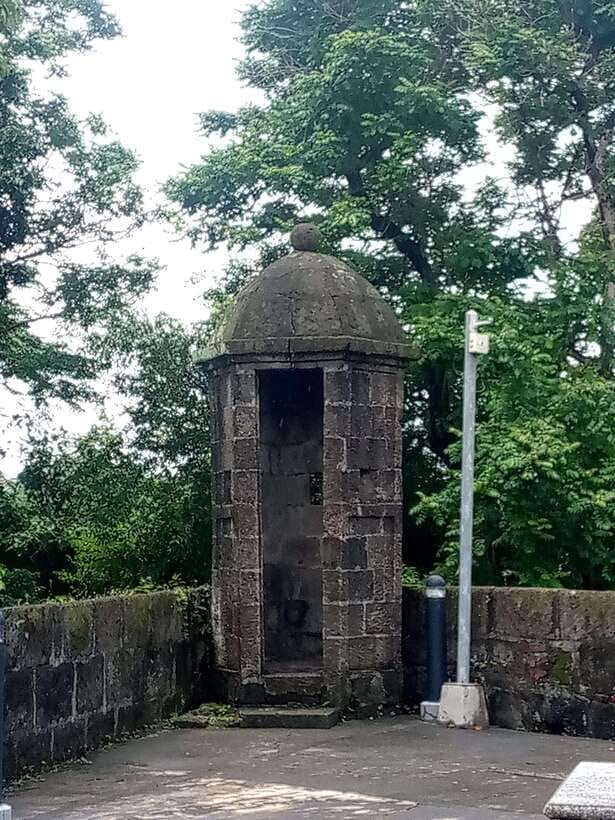
- Fort Santiago provides the emotional center: The tour spends about an hour here, covering the dungeons, Old American Barracks, prison areas, and the last cell of Dr. Jose Rizal.
- The ghost stories have a historical basis: Accounts of spirits are linked to wartime suffering, prison deaths, and violence inside the Walled City.
- You meet heroes beyond the usual names: The guide discusses Rajah Sulayman, Andres Novales, Gen. Vicente Lim, Andres Bonifacio, and other less remembered patriots.
- Churches add a political angle: Manila Cathedral and Saint Agustin Church help explain the long struggle between religious authority and government.
- It is a private English or German tour: A private group allows a more focused discussion, though the quality will still depend on the individual guide.
- The price is $48 per person: That includes the guide and Fort Santiago admission, but not drinks, meals, transport, or personal expenses.
Why Intramuros works for a dark history walk
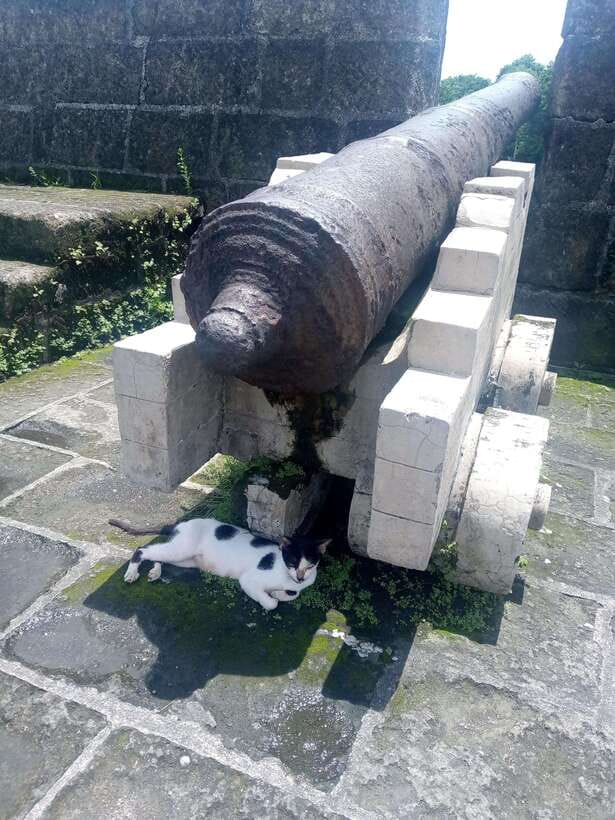
Intramuros is the old walled center of Manila. Its streets, fortifications, churches, and prison spaces hold several layers of Philippine history, from the pre-Hispanic era through Spanish rule, the Philippine-American War, and the Japanese occupation.
That makes this tour more useful than a simple ghost walk. You do not hear spooky tales in isolation. The guide connects them to real events, including imprisonment, military conflict, and the deaths of Filipino and American civilians.
I appreciate that balance. Ghost stories can draw you in, but the human stories give the tour its weight. You are asked to remember people who suffered, resisted, or were forgotten, rather than treating tragedy as a cheap scare.
The walk begins at Fort Santiago and returns there after stops at Manila Cathedral, Saint Agustin Church, and other parts of Intramuros. The route is compact, but it covers a lot. Expect a steady pace, outdoor walking, and frequent pauses for storytelling.
More Intramuros walks:
- Intramuros, Manila: Historical Bamboo Bike Tour
★ 4.8 · 583 reviews - Experience Intramuros with Bamboo Bicycle – Ecotours
★ 5.0 · 508 reviews - Manila: Intramuros, Chinatown, and Old Manila Half-Day Tour
★ 4.8 · 475 reviews
Fort Santiago: the tour’s strongest hour
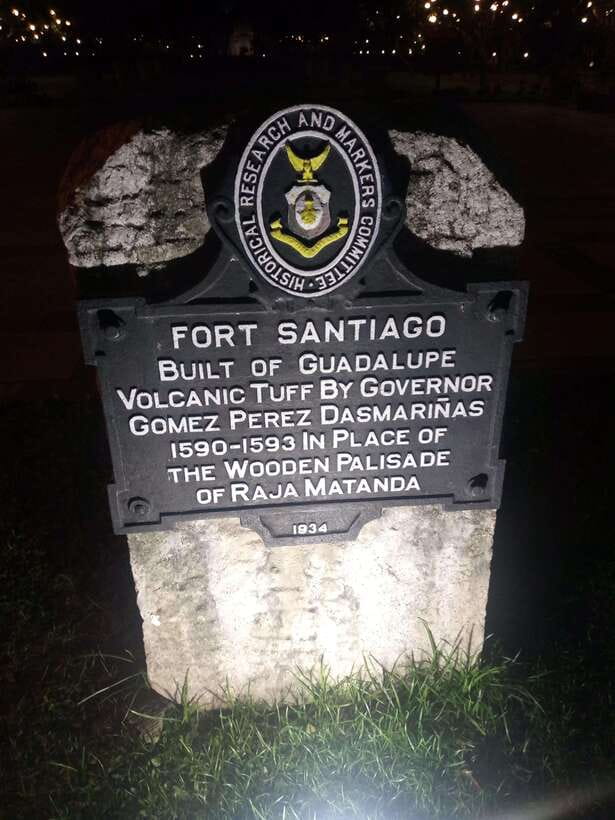
The first and longest section takes place at Fort Santiago. You spend about one hour here, and that is appropriate. The fort is the clearest setting for the tour’s mix of military history, political imprisonment, and supernatural folklore.
You see the Old American Barracks, the dungeons, and the baluartes, or defensive bastions. These spaces are linked to reported spirit sightings, but the more important point is what happened there when the fort was in use.
The dungeons are presented as places where prisoners endured dreadful conditions. The description of the tour refers to the thin oxygen supply in the underground chambers. That detail helps you picture the physical strain of confinement, rather than reducing the site to a spooky photo stop.
The tour also discusses the deaths of 600 Filipino and American civilian prisoners of war. You visit the chambers associated with this tragedy and pay tribute at their mass grave. This is likely to be one of the most difficult parts of the experience, but also one of the most meaningful.
I would listen carefully here and avoid rushing to take photographs. The tour includes a camera as a suggested item, but Fort Santiago is also a place for quiet attention. A respectful attitude matters, especially when the guide is speaking about mass death and imprisonment.
Dr. Jose Rizal’s final prison cell
One of Fort Santiago’s most important stops is the last prison cell of Dr. Jose Rizal. Rizal is a central figure in Philippine history, and his detention helps explain the political ideas that shaped the country’s movement for reform.
The tour uses the cell to discuss reformism and the pressures that produced a stronger national identity. You are not simply shown a room connected to a famous person. You hear how imprisonment and political conflict affected the country’s future.
This section should appeal to you if you want historical context along with atmospheric places. The dark-tour format gives the cell a somber mood, but the subject is larger than the room itself. It points toward the arguments over colonial rule, representation, and reform.
The guide’s role matters greatly here. Naomi from Canada praised the guide’s passion for the area, and that is especially important at a site like this. A passionate guide can connect a small cell to a national story without turning the explanation into a dry lecture.
Heroes beyond the standard history lesson
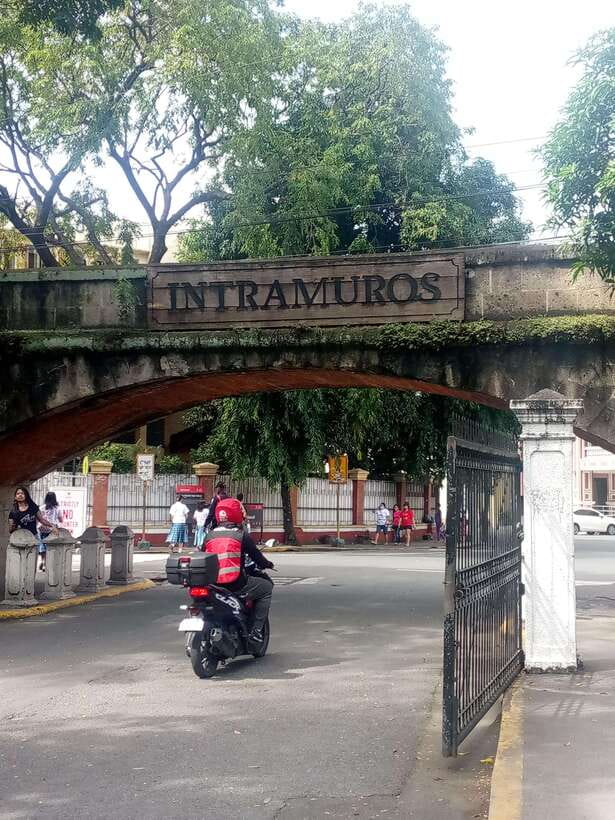
The tour makes room for figures you may not know before arriving. Rajah Sulayman represents the pre-Hispanic period and the resistance that preceded later colonial struggles. Andres Novales and Gen. Vicente Lim add further examples of military and political resistance.
These names help widen the story. Intramuros is often presented mainly through Spanish architecture and famous colonial landmarks. This route gives more attention to Filipinos who challenged outside control or served their country during difficult periods.
You will also hear about unsung patriots from the pre-Hispanic era through the Japanese occupation. That broad time span can make the tour feel packed, but it also prevents the experience from treating Philippine history as one single colonial chapter.
I like this approach because it asks you to remember more than the best-known heroes. It also gives the haunted stories a human frame. A reported ghost is not just a mysterious figure in a dark corridor. It may be tied to a person, a prison, a war, or a forgotten act of courage.
A few more Manila days worth comparing
- Manila: Old & New 4-Hour City Tour
★ 4.5 · 458 reviews - Manila Old and New: Sightseeing Tour Including Intramuros and Fort Santiago
★ 4.5 · 377 reviews - Spectacular Manila to Tagaytay: Full-Day Sightseeing Tour
★ 5.0 · 349 reviews - Makati Nightlife: VIP Access to Clubs, Rooftops & Go-Go Bars
★ 4.9 · 278 reviews
Manila Cathedral and the struggle for power
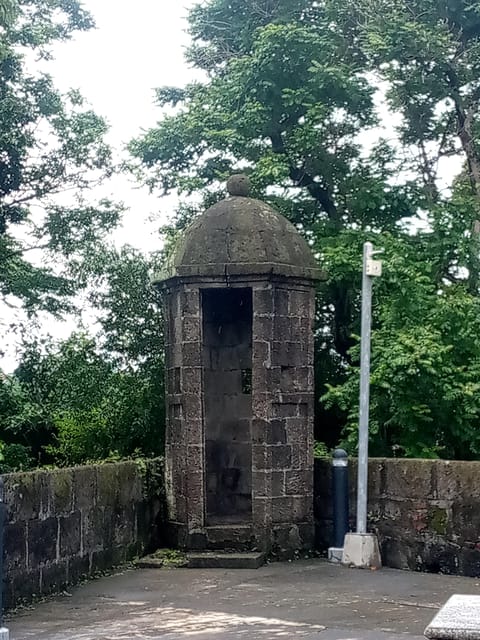
After Fort Santiago, the walking route moves to Manila Cathedral for about 15 minutes. This is a shorter stop, so you should not expect an extended architectural visit. Instead, the guide focuses on the tension between church authority and government power.
The important detail is who suffered in that struggle: the Indios, the term used during the colonial period for indigenous Filipinos. The stop adds a social and political layer to the tour. You learn how institutions competed for influence while ordinary people carried the burden.
Manila Cathedral also changes the mood. Fort Santiago is tied to military force and imprisonment. The cathedral brings religion, authority, and public life into the story. Together, the two locations show how power operated through both forts and churches.
If you want a detailed architectural tour of the cathedral, this experience may feel brief. If you want a clear explanation of its place in the wider history of Intramuros, 15 minutes can work well.
General Luna Street and the Philippine-American War
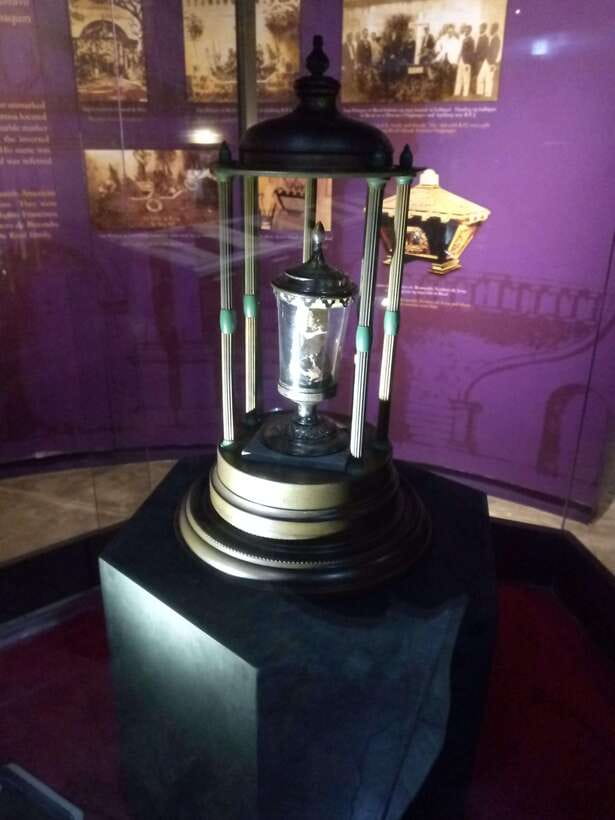
The walk along General Luna Street gives the tour a broader outdoor setting. Here, the guide tells stories of courage and sacrifice during the Philippine-American War.
This part is valuable because the war can be overlooked when people focus on the Spanish-era walls and churches. The street becomes a reminder that Intramuros continued to matter after Spanish rule. Control of Manila remained tied to conflict, politics, and the future direction of the Philippines.
You should expect storytelling rather than a long stop at one attraction. The route is meant to connect the sites, so pay attention as you walk. The guide may point out how the old city functioned as a military and political center, though the supplied tour details do not promise specific surviving structures along every part of the street.
The walking pace is one reason to wear good shoes. Two hours may sound short, but the route includes Fort Santiago, Manila Cathedral, General Luna Street, Saint Agustin Church, and the final area near Manila City Hall.
Saint Agustin Church and survival through time
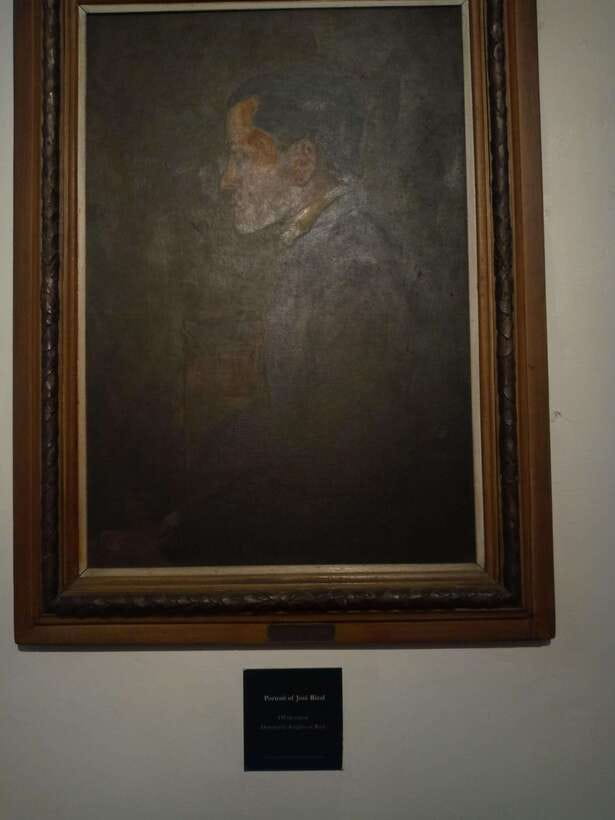
Saint Agustin Church is the final major Intramuros stop before the route ends at the Bonifacio Shrine. The guide discusses the church’s resilience through different periods of Philippine history.
That word matters here because the church is not treated only as a pretty building. Its survival provides a way to discuss how Intramuros endured war, political change, and repeated periods of upheaval.
The stop should suit you if you enjoy places where architecture and history overlap. You can appreciate the building while hearing how it remained connected to the city’s changing story.
The available details do not promise a full interior tour, religious service, or extended architectural commentary. Think of it as a focused historical stop within a larger walking route.
Bonifacio Shrine: ending with revolution
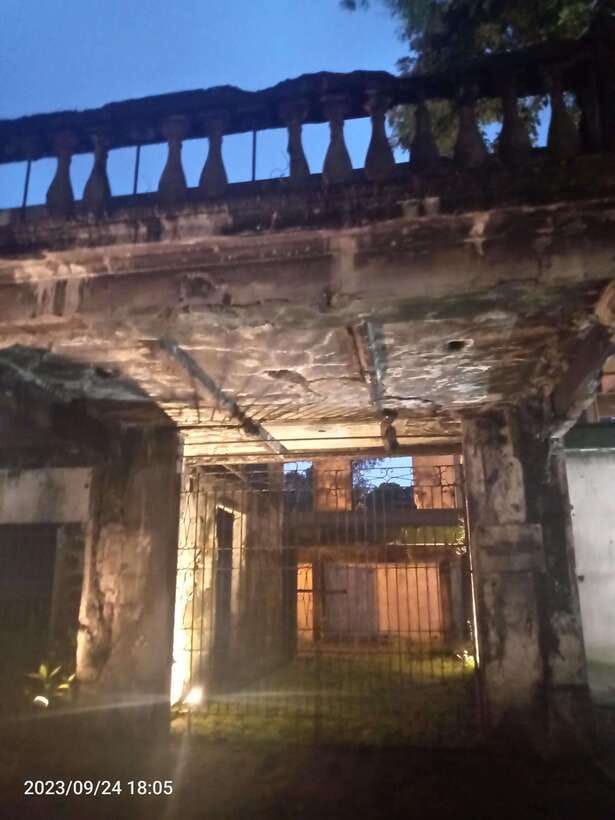
The tour’s final stop is the Bonifacio Shrine at the front of Manila City Hall. Here, the focus shifts to Andres Bonifacio, known as the Father of the Philippine Revolution, and to revolutionaries who received less attention.
Ending with Bonifacio gives the walk a clear direction. You begin with prison cells and wartime suffering, then finish with the struggle for independence and national change. The tour does not leave you only with fear or sadness. It also points toward resistance and political action.
This final tribute may appeal most to people who want the tour to connect individual sacrifice with a larger national story. It also reinforces one of the experience’s best features: the effort to include forgotten figures rather than relying only on the most familiar names.
The tour returns to Fort Santiago, even though the last storytelling stop is at the shrine. Confirm the exact meeting and return instructions when booking, particularly because the supplied location information lists Nueva Vizcaya while the experience itself begins and ends at Fort Santiago in Manila’s Intramuros district.
What the $48 price really covers
At $48 per person, this is not the cheapest way to walk around Intramuros. You are paying for a private guided experience, Fort Santiago admission, and a focused historical narrative in English or German.
The value depends on how much explanation you want. If you are happy to explore the walls and churches alone, you may find the cost high. If you want the sites tied together through stories of imprisonment, colonial power, war, revolution, and reported hauntings, the guide adds the main value.
A private group is useful here because the material is serious and sometimes complex. You can ask about names, events, or places as you go, rather than trying to follow a large group. The information provided does not specify the maximum group size, so do not assume that private means one guide and only one guest.
Fort Santiago admission is included, which saves you from buying a separate ticket. Meals, drinks, hotel pickup, drop-off, and personal expenses are not included. Bring your own water and plan your transport to Fort Santiago.
The activity offers free cancellation up to 24 hours before the start time and allows you to reserve now and pay later. Those policies are useful if your Manila schedule is still changing.
Practical advice for the two-hour walk
Wear comfortable walking shoes. The tour covers several sites and streets, and the guide specifically warns that there will be a lot of walking.
Bring water. The dungeons may be underground, but much of the experience takes place outdoors, and staying hydrated will help you keep up with the route.
A camera is allowed and encouraged, but use it thoughtfully. Some places call for quiet attention, especially the dungeons, prison areas, and mass grave.
Smoking is not allowed during the activity. You should also treat the sites and stories with respect. The tour deals with death, imprisonment, war, and political oppression, not just ghost stories for entertainment.
The tour is listed as wheelchair accessible, yet the suitability information says it is not suitable for people with mobility impairments or wheelchair users. That is a clear inconsistency. If you use a wheelchair or have limited mobility, contact the provider before booking and ask about the exact route, surfaces, steps, and access to each stop.
Children under 12 and pregnant women are also listed as unsuitable for this experience. The reasons are not explained, but the long walk and distressing subject matter are practical considerations.
Who will enjoy this Intramuros experience?
I would recommend the tour to you if you enjoy history with a darker edge and prefer a guide to wandering without context. It is a good fit for adults interested in Philippine independence, wartime suffering, religious power, revolutionary figures, and the stories attached to old buildings.
It also works well for first-time visitors who want a compact introduction to Intramuros. In two hours, you get Fort Santiago plus several important sites, rather than spending the whole visit in one place.
You may want a different experience if you are looking mainly for architecture, food, shopping, or a relaxed family activity. The tone is solemn, and the tour includes atrocities, deaths, prison conditions, and mass graves. The haunted angle may attract you, but the history is the real substance.
The rating is 4.7 from three reviews, with particular praise for the guide’s passion and entertaining, educational style. One reviewer, Naomi from Canada, highlighted the guide’s passion for the area. Another described the guide as entertaining and educational, using the friendly Filipino term Kuya. Since no guide name is provided, you should judge the experience mainly by its route and subject matter rather than expecting a particular person.
Should you book the Intramuros Dark Tour?
Book it if you want serious history wrapped in a ghost-story format. Fort Santiago is the strongest part, especially the dungeons, Rizal’s final cell, and the memorial to civilian prisoners. The cathedral, Saint Agustin Church, General Luna Street, and Bonifacio Shrine then widen the story beyond the fort.
Skip it if you dislike grim subjects, cannot manage a brisk walking route, or want a broad sightseeing tour with plenty of free time. At $48, the tour earns its price through the private guide and Fort Santiago entry, not through the number of attractions alone.
For the right visitor, this is a thoughtful way to meet Intramuros. You may arrive expecting ghosts, but you leave thinking about prisoners, reformers, soldiers, church power, and revolutionaries who shaped the Philippines.
FAQ
Where does the tour start?
The tour starts at Fort Santiago in Intramuros, Manila.
How long does the Intramuros Dark Tour last?
The tour lasts two hours.
What language is the tour offered in?
The live guided tour is offered in English or German.
Is Fort Santiago admission included?
Yes. Fort Santiago admission and a guided tour of Intramuros are included.
Is this a private group activity?
Yes. The activity is listed as a private group tour.
What should I bring?
Bring comfortable walking shoes, a camera, and water. Smoking is not allowed.
Just added in Manila
- Underground River with Lunch★ 3.6 · 5 reviews
- Manila Night market and Street Food Tour★ 5.0 · 2 reviews
- Cruise Shore Excursion of Taal Volcano with Lunch★ 4.5 · 4 reviews
- Unforgettable Manila Fishing Village Day Excursion 2024★ 5.0 · 4 reviews
- Ultimate 8-Day Palawan Island Tour Package from Manila City★ 5.0 · 1 review
- 3 Days Private Tour in Banaue Ifugao visiting Batad Rice Terraces★ 3.5 · 3 reviews
- Tagaytay + Hidden Valley Springs: A Scenic Escape w/ Transfers★ 4.0 · 4 reviews
- Tagaytay Day Tour sightseeing with Panoramic Taal volcano view★ 5.0 · 6 reviews
Intramuros Walks, compared.

Intramuros, Manila: Historical Bamboo Bike Tour
Read our review →
Experience Intramuros with Bamboo Bicycle – Ecotours
Read our review →Intramuros, Chinatown, and Old Manila Half-Day Tour
Read our review →
Manila Old and New: Sightseeing Tour Including Intramuros and Fort Santiago
Read our review →
Explore Intramuros: Introduction to Philippine History
Read our review →
Experience Manila’s Heritage: Intramuros & More in Half a Day!
Read our review →Browse the lists this tour appears in