
Reviewed · INTRAMUROS WALKS
Manila: Rich History of Intramuros Private Tour
History has sharp edges here. This four-hour private tour turns Intramuros into a readable story, linking Spanish rule, Filipino resistance, American influence, and the life of José Rizal through the district’s old walls and churches. I especially like the private format, which lets your guide adjust the pace, and the kalesa ride, a simple but memorable way to see the cobbled streets.
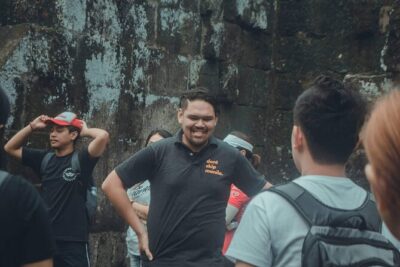
The strongest praise goes to guides Alan and Iya, who are described as kind, clear, and excellent at answering questions. Raymond also earned praise for giving a solo guest a detailed morning tour. My main concern is transport: pickup is advertised for Makati and the Bay Area, but one family of six was split between two Grab cars and faced a long wait afterward.
In This Review
- Key points to know before booking
- Why Intramuros makes such a good first history stop
- From Makati or Manila Bay to the old walls
- Baluarte de San Diego and Baluarte de San Francisco de Dilao
- Fort Santiago, the tour’s main historical stop
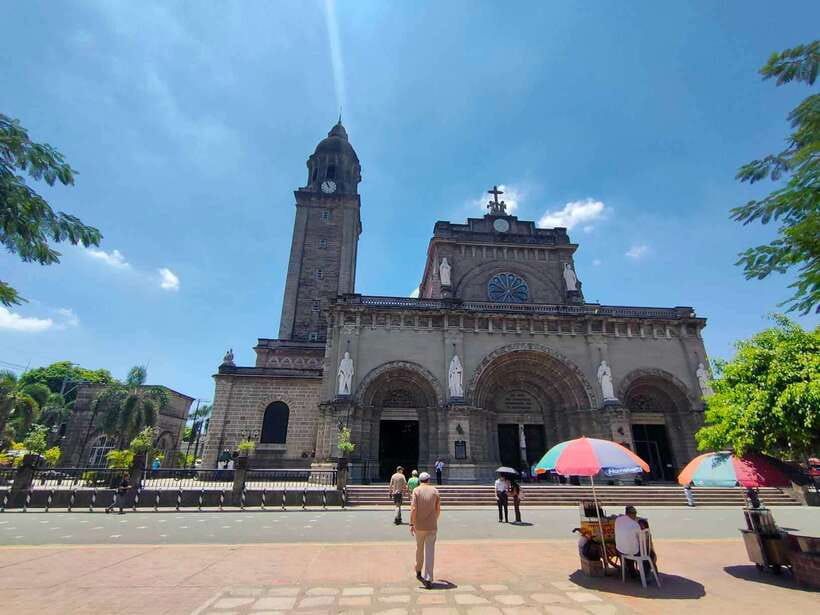
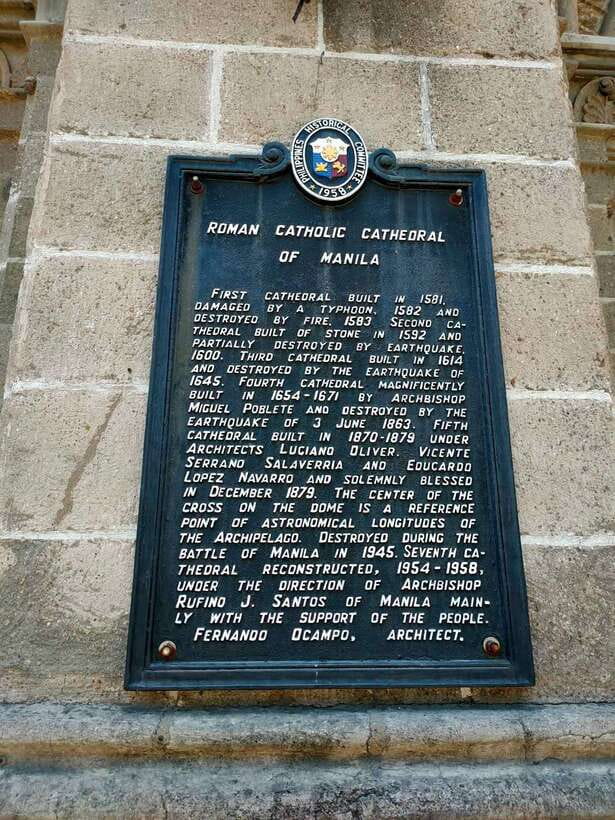
- Plaza de Roma and Manila Cathedral
- San Agustin Church and its museum
- Casa Manila and colonial home life
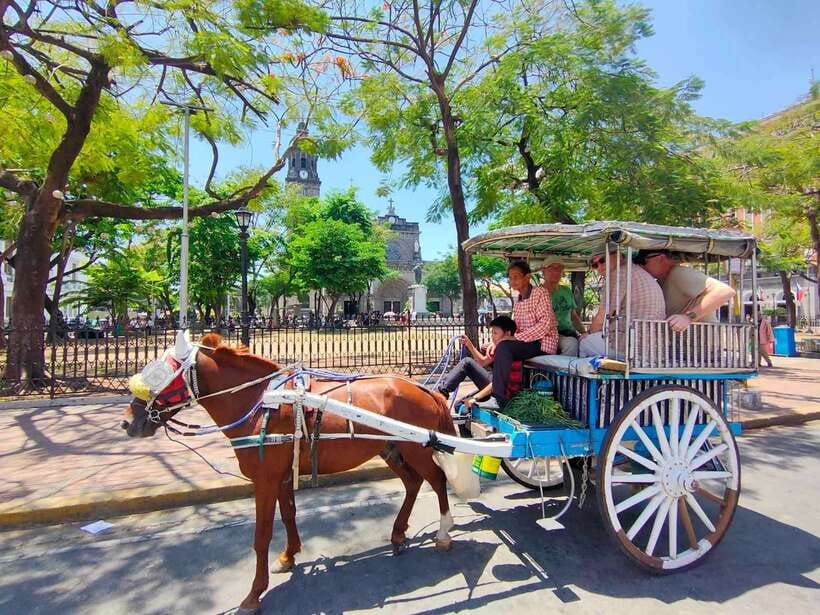
- The kalesa ride through Intramuros
- Rizal Park and the green space beyond Intramuros
- What the private format is worth at $108
- Who will enjoy this four-hour tour most
- Should you book the Intramuros private tour?
- FAQ
- Where does the tour pick me up?
- How long does the tour last?
- What language is the tour conducted in?
- Is the kalesa ride included?
- Are entrance fees included?
- Can I cancel the booking?
Key points to know before booking
- Alan and Iya receive especially warm praise: Their friendly manner and strong grasp of Philippine history are a major reason this tour scores well.
- Fort Santiago gets the most time: Plan on about 90 minutes here, including the gate, Rizal shrine, and guided storytelling.
- The kalesa ride adds local character: You see Intramuros from a slower, street-level view rather than only through a vehicle window.
- The tour covers several major sites: Baluarte de San Diego, Baluarte de San Francisco de Dilao, Fort Santiago, Manila Cathedral, San Agustin Church, and Casa Manila are all included.
- Pickup is limited to certain areas: Hotel pickup and drop-off are offered in Makati City and the Manila Bay Area.
- It is not designed for every visitor: Wheelchair users and people over 95 are listed as unsuitable for this activity.
Why Intramuros makes such a good first history stop
Intramuros means within the walls, and that name tells you what makes the district different from the rest of Manila. Inside its old defensive boundaries, the streets, gates, churches, plazas, and military remains form a compact setting for understanding the city’s Spanish colonial past.
The tour also helps you avoid seeing Intramuros as a collection of unrelated monuments. Fort Santiago connects to José Rizal. Manila Cathedral and San Agustin Church show the role of Catholicism. Casa Manila gives you a look at colonial domestic life. The fortifications explain how the district was protected.
I like this kind of guided visit because the value is not only in entering the sites. It is in having someone explain how Spanish, American, and Filipino influences shaped Manila. A good guide can make a stone wall or church carving mean much more than it would on a quick solo walk.
This tour is private, with an English-speaking licensed guide. That matters in a place where questions often lead to the best parts of the conversation. You can ask about Rizal, religious art, colonial furniture, military defenses, or the country’s difficult political past without being tied to a large group’s schedule.
More History Tours in Manila
- Intramuros, Manila: Historical Bamboo Bike Tour
★ 4.8 · 583 reviews - Explore Intramuros: Introduction to Philippine History
★ 5.0 · 80 reviews - Experience Manila’s Heritage: Intramuros & More in Half a Day!
★ 5.0 · 76 reviews
From Makati or Manila Bay to the old walls
Pickup is included from hotels within Makati City and the Bay Area. You should wait in your hotel lobby 10 minutes before the agreed time. The driver may hold a sign with your name, or the hotel concierge may page you.
The listed location says Nueva Vizcaya, while the actual pickup details point to Manila hotels in Makati and the Bay Area. I would confirm the exact pickup area and transport arrangement before paying, especially if you are booking for a family or a larger private group.
The vehicle is described as air-conditioned, which is useful in Manila’s heat. The tour lasts four hours, so the enclosed vehicle gives you a break between walking stops. Food and drinks are not included, so eat beforehand or carry what you need, provided it follows the operator’s rules.
The transport issue deserves attention. One family of six was placed in two separate Grab cars from the hotel and waited about an hour on the sidewalk for the first car after the tour. That appears to be an exception rather than the normal plan, but it is a real caution. Ask how a larger group will be transported and how the return pickup will work.
Baluarte de San Diego and Baluarte de San Francisco de Dilao
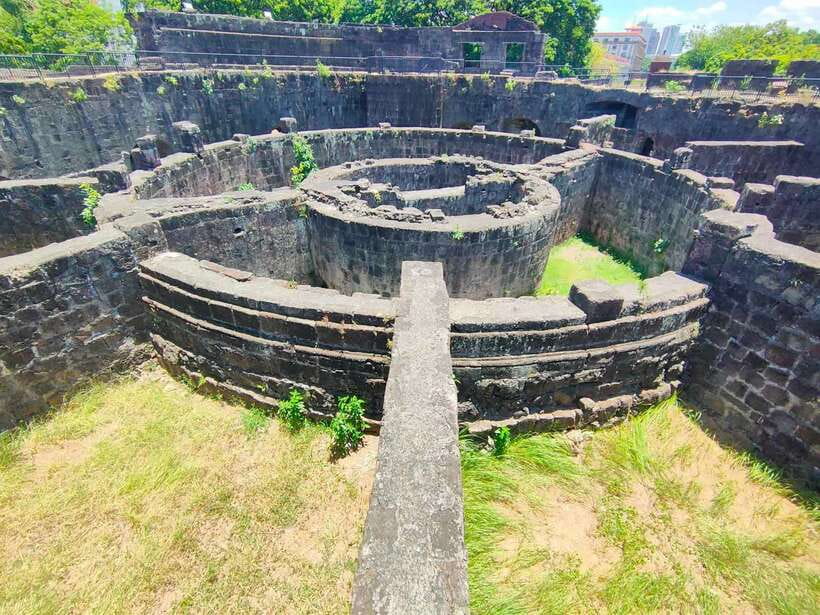
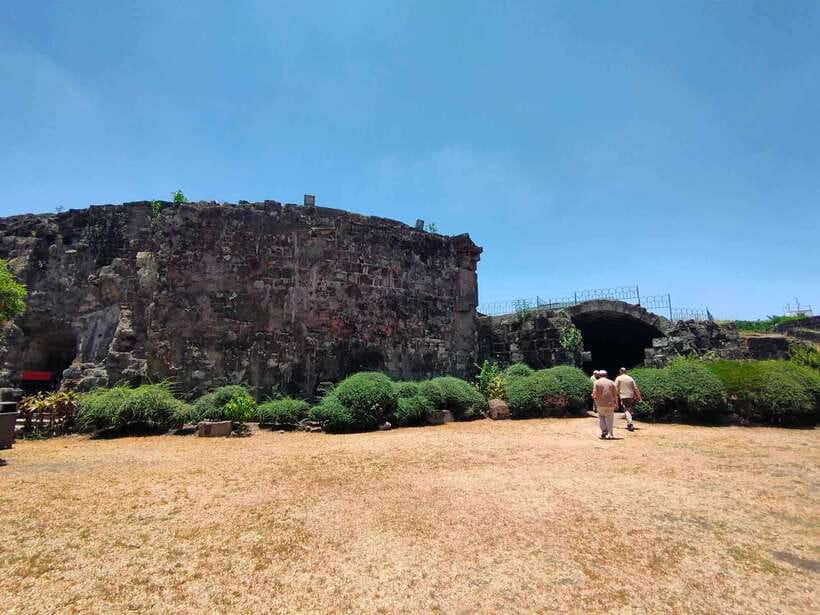
The first Intramuros stops are the Baluarte de San Diego and Baluarte de San Francisco de Dilao. Both are remnants of the old defensive system, and together they give you a quick sense of how strongly the district was built for protection.
You have about 20 minutes at Baluarte de San Diego and 15 minutes at Baluarte de San Francisco de Dilao. These are short visits, but the guide’s explanation is important. Without context, a bastion can look like another old wall. With a clear explanation, you begin to understand how the city’s defenses shaped movement through Intramuros.
The route also includes scenic views along the way and a kalesa ride. The combination works well: you see the fortifications while moving at a slow pace, then stop for closer looks and stories.
Do not expect a long archaeological visit at either bastion. The schedule gives you an introduction rather than a full study. If military architecture is your main interest, Fort Santiago will be the more substantial stop.
Fort Santiago, the tour’s main historical stop
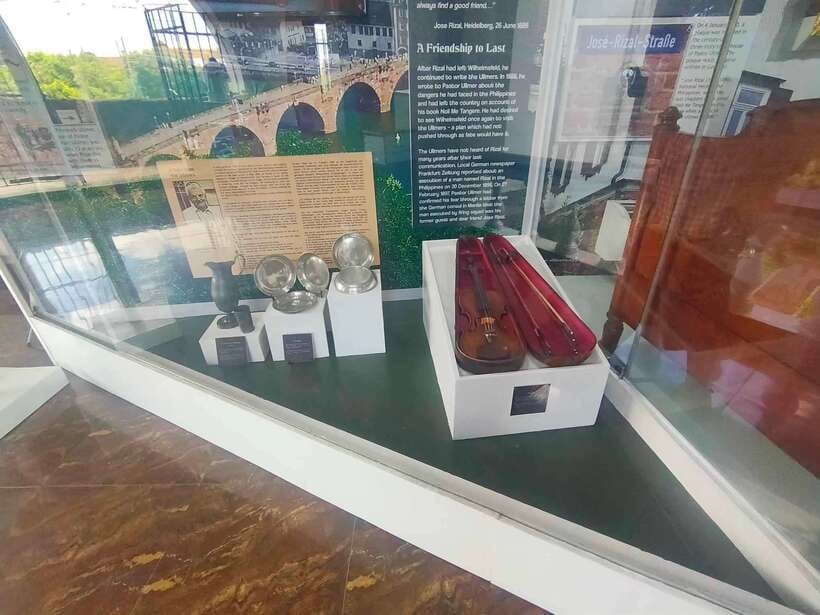
Fort Santiago receives roughly 90 minutes, making it the central stop. Its large stone gate is one of Intramuros’ most recognizable sights, but the emotional focus is the shrine connected with José Rizal, the Filipino national hero.
This is where the guide’s storytelling matters most. The tour is designed to connect the fort’s physical remains with the wider story of the Philippines. You are not simply looking at a gate and taking a photograph. You are hearing how the site relates to colonial power, national identity, and Rizal’s place in the country’s story.
I would give Fort Santiago your full attention. The stop is long enough to ask questions, look closely at the stonework, and listen without rushing. If you are especially interested in Philippine history, tell the guide early. Alan, Iya, and Raymond were all praised for explaining the subject clearly and responding to questions.
The kalesa may be part of the movement through this area. The exact balance between riding and walking can vary, so comfortable shoes still matter. The carriage is charming, but it is not a replacement for walking. You will want to see the fort’s details at ground level.
More Intramuros walks:
- Experience Intramuros with Bamboo Bicycle – Ecotours
★ 5.0 · 508 reviews - Manila: Intramuros, Chinatown, and Old Manila Half-Day Tour
★ 4.8 · 475 reviews - Manila Old and New: Sightseeing Tour Including Intramuros and Fort Santiago
★ 4.5 · 377 reviews - Manila: Guided Sunset Bamboo Bike Tour in Intramuros
★ 4.8 · 119 reviews
Plaza de Roma and Manila Cathedral
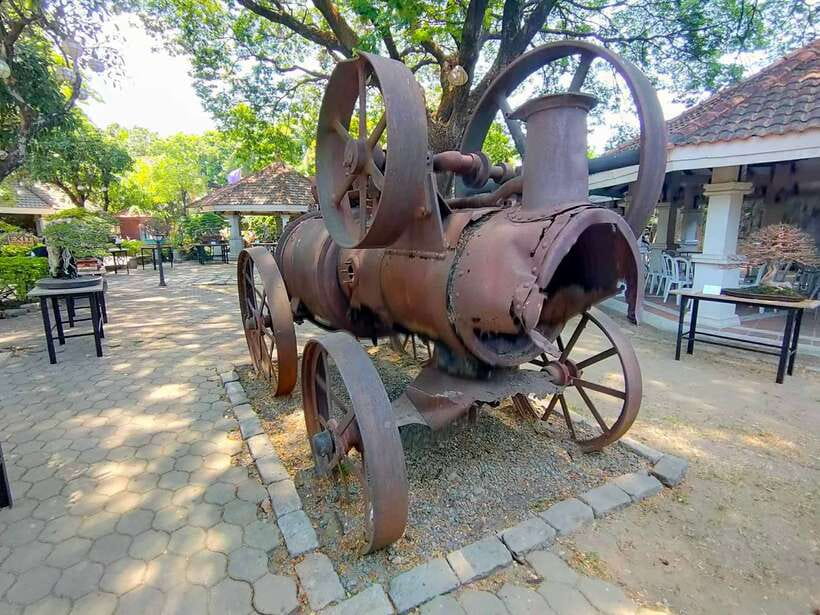
After Fort Santiago, the tour moves to Plaza de Roma for about 15 minutes. This is a shorter guided stop and a useful pause between the fort and the churches.
Plaza de Roma helps you see Intramuros as a planned civic center, not just a military compound. You can take in the surrounding historic setting before walking to Manila Cathedral.
Manila Cathedral is known here for its bronze carvings and stained glass windows. The visit lasts about 15 minutes, so this is a focused look rather than a long architectural inspection. I would use the time to listen to the guide’s explanation and notice the contrast between the cathedral’s ornate religious design and Fort Santiago’s defensive stonework.
The cathedral stop may suit you best if you enjoy architecture, religious art, and city symbolism. If you prefer long, unhurried visits, the short timing may feel brisk. Still, it keeps the tour moving and leaves enough room for the other major sites.
San Agustin Church and its museum
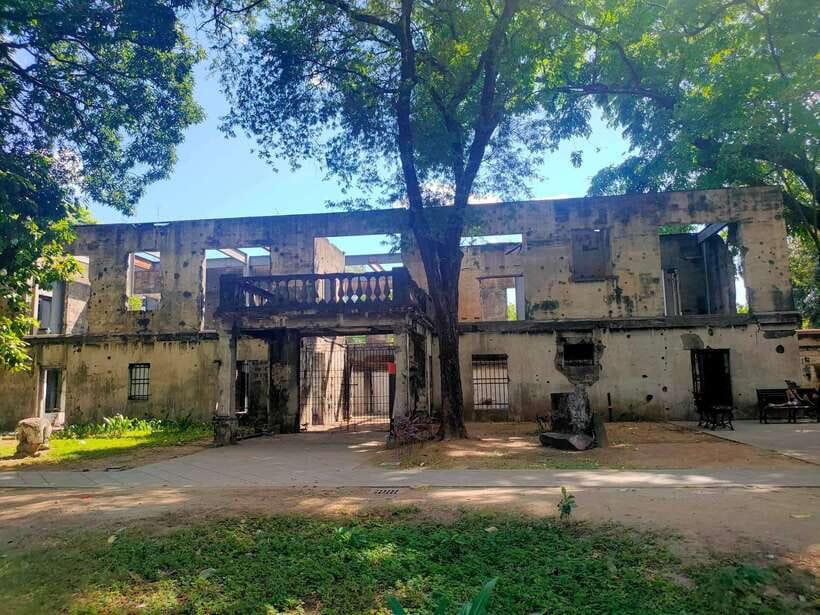
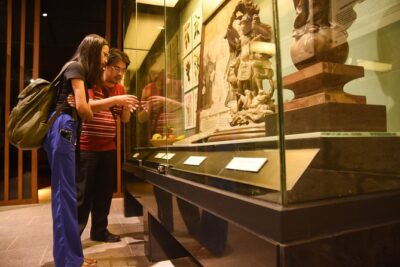
San Agustin Church is another 15-minute guided visit. The church museum is noted for religious artwork and statues, giving you a chance to see objects that add detail to the larger story of Catholic life in colonial Manila.
This stop works well after Manila Cathedral because you can compare two important religious spaces close together. The guide can help you notice more than the basic decoration, including the role of religious institutions in the city’s past.
The short schedule is the main limitation. You will get an introduction to the church museum rather than time for a slow museum visit. If religious art is your top priority, you may wish to ask how much of the museum will be included during your booking.
Casa Manila and colonial home life
Casa Manila receives about 30 minutes, longer than the cathedral and San Agustin visits. Its Spanish colonial furniture and art shift the focus from public buildings and religion to household life.
That change is valuable. Forts and churches tell you how institutions worked, while Casa Manila suggests how an affluent colonial home was arranged and furnished. Rooms, furniture, and decorative objects can make the period easier to picture.
I find domestic museums especially useful for visitors who are tired of looking only at monuments. Casa Manila gives the tour a more human scale. It also helps explain that colonial influence appeared not only in government buildings, but in interiors, habits, and social status.
You should expect a guided visit, not an open-ended museum afternoon. Thirty minutes is enough for a brisk look at the main rooms and furnishings. Ask questions if you want more context about the objects, since the private format gives you a better chance to shape the conversation.
The kalesa ride through Intramuros
The horse-drawn kalesa ride is one of the tour’s most appealing features. It gives you a slower view of Intramuros’ cobbled streets and old walls, with the sound and pace of a traditional carriage rather than a standard sightseeing vehicle.
One guest’s favorite part was the ride around Intramuros, along with the driver and horse. Another described it as a tuk tuk ride, so the exact vehicle description may vary in casual use. The formal tour details identify it as a kalesa, a horse-drawn carriage.
The ride is not only about atmosphere. It lets you connect the separate sites. You see how the bastions, plazas, churches, and houses fit together as one district. It is also a welcome change from walking in the heat.
I would still approach the ride with practical expectations. It is a sightseeing element within a four-hour tour, not a long carriage excursion. Horse welfare is an important personal consideration for many people, so you may want to ask the provider about the route and carriage arrangements before booking.
Rizal Park and the green space beyond Intramuros
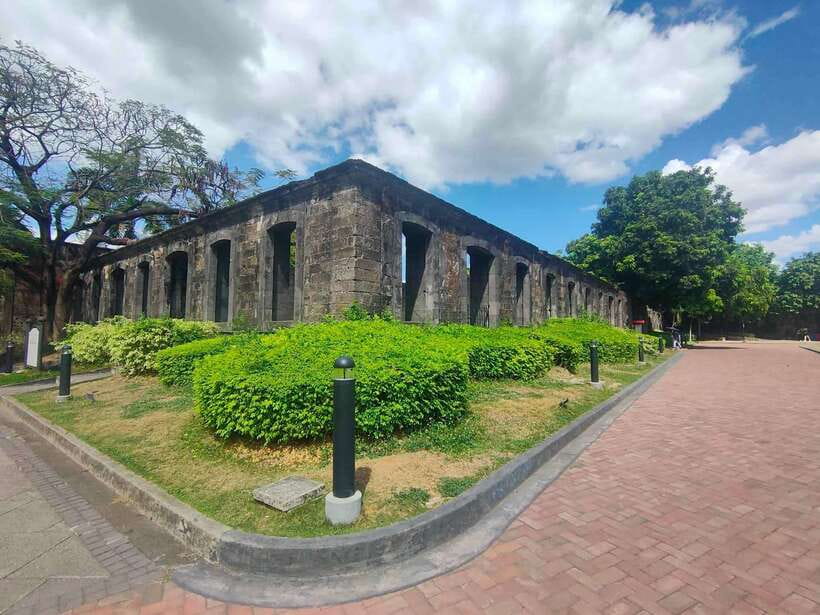
The tour description includes Rizal Park as a final area to explore, with the Rizal Monument, Central Lagoon, and National Museum Complex among the possible sights. You may also simply take a stroll or have a picnic in the park’s green spaces.
The scheduled stop details emphasize the Intramuros sites, so I would confirm how much time will be available at Rizal Park on your chosen day. Four hours is a compact schedule, and the balance between traffic, walking, the carriage ride, and monument visits can affect the final pace.
Rizal Park gives the tour a fitting close because José Rizal’s name appears again after the Fort Santiago visit. It also offers an open setting after the enclosed streets and stone walls of Intramuros. If you want a more relaxed ending, ask whether a short walk in the park can be included.
What the private format is worth at $108
At $108 per person, this is not the cheapest way to see Intramuros. The value depends on how much you want from the visit.
The price includes hotel pickup and drop-off in Makati or the Bay Area, entrance fees, the kalesa ride, a licensed English-speaking guide, and an air-conditioned vehicle. You also have a private group rather than a fixed large party. Add those pieces together and the price can make sense for couples, families, and small groups who want one guide for the entire visit.
The guide is the main reason to consider paying more. Multiple guests praised Alan and Iya for their friendly manner, strong explanations, and willingness to answer questions. Claire had a solo morning tour with Raymond and found his detailed approach helpful. Gail also appreciated clear communication, flexibility with pace, coverage of the planned attractions, and photos shared later that evening.
For a solo visitor, $108 may feel high unless personal guiding is a priority. For a family splitting the cost among several people, the private arrangement can be more reasonable, but confirm the transport plan first. A transport mix-up can reduce the value quickly.
Who will enjoy this four-hour tour most
I would recommend this tour to you if you want a guided introduction to Manila’s past without spending an entire day on one district. It suits first-time visitors, history fans, architecture lovers, and anyone who prefers asking questions instead of reading every plaque alone.
It is also a good fit if you are staying in Makati or near Manila Bay and want hotel pickup. The air-conditioned vehicle, short walking sections, and carriage ride create a manageable rhythm, although you still need comfortable shoes.
Families may appreciate the private format because the guide can respond to different ages and interests. Solo visitors can also benefit, as shown by Raymond’s one-on-one morning tour with Claire.
This may not suit wheelchair users, since the activity is specifically listed as unsuitable for them. People over 95 are also listed as unsuitable. Anyone who dislikes horse-drawn rides, short stops, or a tightly timed four-hour route should ask questions before booking.
Bring comfortable clothes, comfortable shoes, and biodegradable sunscreen. Smoking is not allowed, including inside the vehicle. Leave your contact details so the provider can confirm pickup, and be ready in the lobby 10 minutes early.
Should you book the Intramuros private tour?
I would book it if you want a guided history lesson with major sites included, rather than a loose stroll through old Manila. The best reasons are the private group, the praised guides, the kalesa ride, and the chance to connect Fort Santiago, Rizal, the churches, Casa Manila, and Rizal Park in one morning or afternoon.
I would pause before booking if your group is large. Confirm whether everyone will ride together, how pickup will happen, and how the return transfer will be handled. Also ask how much time will be given to Rizal Park, since the core Intramuros schedule already fills much of the four hours.
The 4.3 rating reflects a tour that is usually praised for its guides and historical detail, with a notable transport complaint to keep in mind. Free cancellation up to 24 hours before the start and reserve-now, pay-later terms make planning less risky. For a focused first look at Intramuros, this is a worthwhile choice, provided you confirm the vehicle arrangements in advance.
FAQ
Where does the tour pick me up?
Pickup is offered from hotels within Makati City and the Manila Bay Area. You should wait in your hotel lobby 10 minutes before the designated pickup time.
How long does the tour last?
The tour lasts four hours. Starting times depend on availability.
What language is the tour conducted in?
The live tour guide speaks English.
Is the kalesa ride included?
Yes. The horse-drawn kalesa ride is included in the tour price.
Are entrance fees included?
Yes. Entrance fees for the included attractions are covered. Food and beverages are not included.
Can I cancel the booking?
You can cancel up to 24 hours in advance for a full refund. The tour also offers a reserve-now, pay-later option.
Just added in Manila
- Underground River with Lunch★ 3.6 · 5 reviews
- Manila Night market and Street Food Tour★ 5.0 · 2 reviews
- Cruise Shore Excursion of Taal Volcano with Lunch★ 4.5 · 4 reviews
- Unforgettable Manila Fishing Village Day Excursion 2024★ 5.0 · 4 reviews
- Ultimate 8-Day Palawan Island Tour Package from Manila City★ 5.0 · 1 review
- Tagaytay + Hidden Valley Springs: A Scenic Escape w/ Transfers★ 4.0 · 4 reviews
- Tagaytay Day Tour sightseeing with Panoramic Taal volcano view★ 5.0 · 6 reviews
- 3 Days Private Tour in Banaue Ifugao visiting Batad Rice Terraces★ 3.5 · 3 reviews
Intramuros Walks, compared.
Intramuros, Manila: Historical Bamboo Bike Tour
Read our review →
Experience Intramuros with Bamboo Bicycle – Ecotours
Read our review →Intramuros, Chinatown, and Old Manila Half-Day Tour
Read our review →
Manila Old and New: Sightseeing Tour Including Intramuros and Fort Santiago
Read our review →
Explore Intramuros: Introduction to Philippine History
Read our review →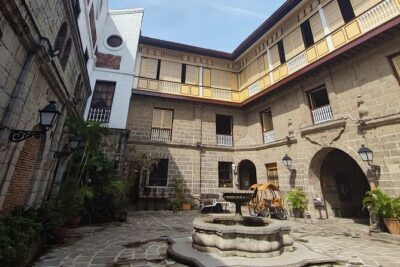
Experience Manila’s Heritage: Intramuros & More in Half a Day!
Read our review →Browse the lists this tour appears in