
Reviewed · GUIDED
The Hidden Gems of Manila Guided Tour
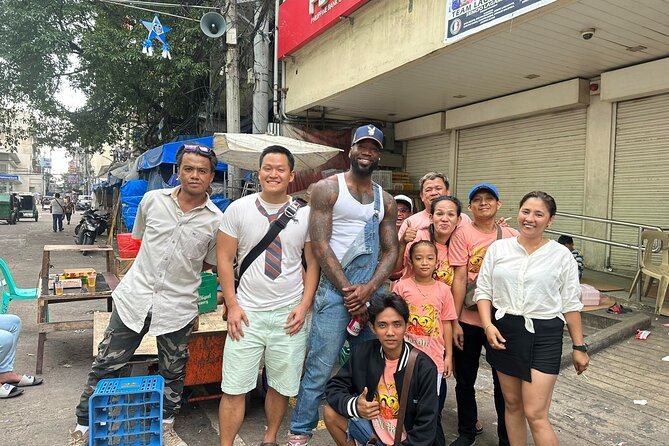
Manila reveals itself in the side streets. This two-hour outing gives you a close look at everyday life through jeepney rides, an open wet market, old apartments, churches, and lanes far from the city’s polished tourist spots. I like the local focus, and I also like the small group size, capped at 10 people. The main consideration is that the tour takes you through crowded areas and modest living conditions, so you should be comfortable with a direct, unscripted look at city life.
I also like that the guide helps you find a safe and practical way back to your hotel after the walk. Guide Floyd has earned special praise for his warm personality, clear explanations, and playful mini karaoke sessions. Still, two hours is short, and the experience covers a lot of ground, so you should expect an introduction rather than a full exploration of Tondo, Divisoria, and Binondo.
In This Review
- Key points at a glance
- A short tour with a very direct view of Manila
- Starting at Tutuban Center in Tondo
- Divisoria Market, where Manila shops for daily life
- Binondo and a taste of local food
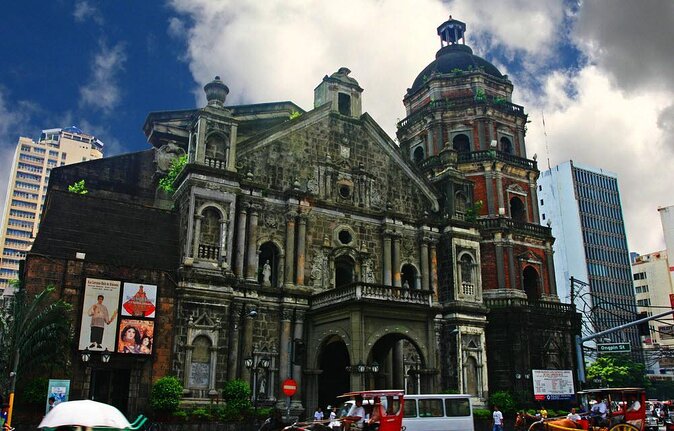
- Sto. Niño de Tondo Church and the religious side of the route
- Tutuban Mall and the contrast between old and new
- The back streets and old apartments
- Jeepney travel makes the route feel local
- Floyd and the value of a good guide
- What $60 gets you in two hours
- Who should book this experience?
- Practical details before you go
- Should you book The Hidden Gems of Manila Guided Tour?
- FAQ
- How long does The Hidden Gems of Manila Guided Tour last?
- How much does the tour cost?
- Where does the tour start?
- Where does the tour end?
- How many people can join the tour?
- Is the tour conducted in English?
- Does the tour use a jeepney?
- What places are included on the route?
- Can I cancel for a full refund?
Key points at a glance
- Jeepney transport: Ride one of the Philippines’ best-known forms of local transportation rather than seeing Manila only from a private vehicle.
- Divisoria and Binondo markets: Shop and look around in places where everyday buying and selling matter more than polished displays.
- Old apartments and back lanes: See parts of Manila where people live, eat, and bathe in open or shared spaces.
- Small group of up to 10: The size makes it easier to hear the English-speaking guide and ask questions.
- Local coffee and food: Try simple refreshments as they are commonly enjoyed by Filipinos.
- Meet at Tutuban Center: The tour starts at Tutuban Center in Tondo and finishes at the same meeting point.
A short tour with a very direct view of Manila
This is not a highlights tour built around grand monuments. It is designed for you to see how people shop, travel, work, and live in central Manila. The route moves through Tondo, Divisoria, Binondo, and nearby areas, using public transport and walking through back streets.
That focus makes the experience useful if you have only a day or two in Manila, or if you are passing through on a layover. You can get a quick introduction to the city without spending half a day arranging jeepney rides, finding the market, and working out how to return safely.
The tour lasts about two hours. That keeps the outing manageable, but it also limits the time available at each stop. You will likely get short visits and moving commentary rather than long shopping sessions or detailed church tours.
The price is $60 per person. That is not a bargain by local transport standards, but the value comes from the guide, planning, English commentary, photography, local food and coffee, and the chance to visit places that can feel confusing to navigate alone. With a maximum of 10 people, the cost is easier to justify if you want context and help rather than simply wandering through a market.
A few more Luzon days worth comparing
- Manila Old and New: Sightseeing Tour Including Intramuros and Fort Santiago
★ 4.5 · 377 reviews - Manila’s Walled City: Intramuros Walking Tour
★ 5.0 · 82 reviews - Manila Filipino Cooking Class: Meryenda Favorites
★ 5.0 · 80 reviews
Starting at Tutuban Center in Tondo
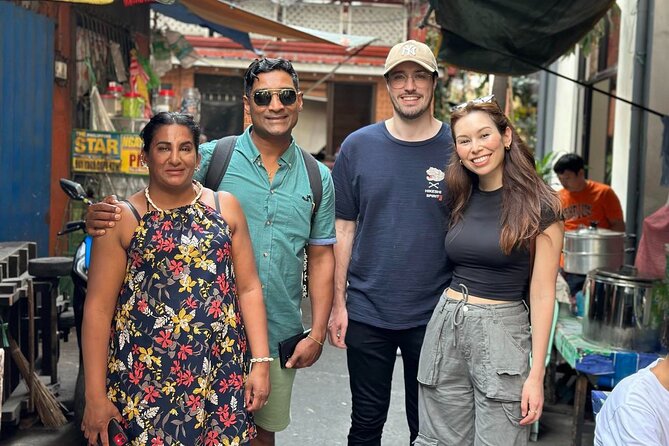
The meeting point is Tutuban Center, JX4F+Q7X, Tondo, Manila, 1012 Metro Manila. The tour ends back at the meeting point, which is useful if you need to collect luggage, continue sightseeing, or arrange your next ride from the same area.
Tondo is an important setting for the tour because the experience is built around ordinary city life rather than a polished sightseeing route. You are not being taken straight from one famous monument to another. Instead, the guide brings you into working streets, markets, transport points, and residential areas.
You should arrive ready to walk and stand. A moderate level of physical fitness is advised, and the tour is near public transportation. Since the route includes a wet market, side streets, and public transport, practical clothing and comfortable footwear make sense. The supplied details do not specify a dress code or luggage storage, so it is best to keep your belongings easy to carry.
The meeting point is also worth noting for anyone arriving from another part of Manila. The tour does not include hotel pickup in the information provided, so you need to reach Tutuban Center yourself.
Divisoria Market, where Manila shops for daily life
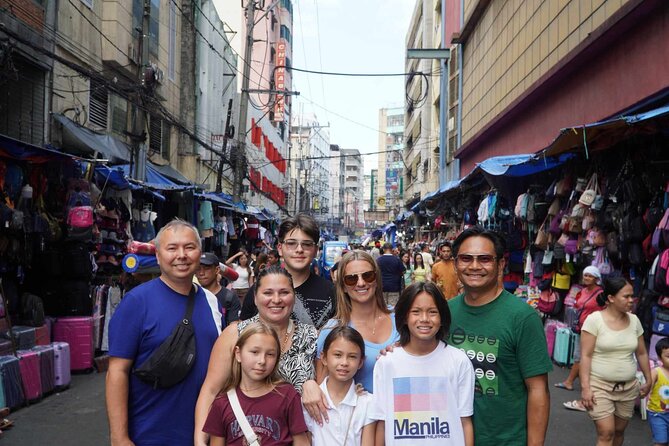
Divisoria Market is the first stop. This is the part of the tour that gives you the clearest feel for local commerce. You can shop as people in Manila do, look at the open stalls, and see the pace of a market that serves daily needs rather than sightseeing alone.
The market experience is practical and sensory. You may find crowded walkways, changing prices, food, household goods, clothing, and plenty of movement. The tour description specifically points to a typical Filipino open wet market, so you should be prepared for a working market environment, not a tidy indoor food hall.
I like this stop because a market can explain a city faster than a string of formal attractions. You see what people buy, how vendors display goods, and how shoppers move through the area. The guide’s role matters here. Without local direction, you might notice only noise and congestion. With explanations, the market becomes a window into ordinary routines.
There is a tradeoff. Divisoria may feel intense if you dislike crowds or prefer quiet sightseeing. The tour does not promise a long shopping period, and the entire experience lasts only two hours. Think of this as a guided introduction to the market, not a dedicated shopping trip.
Binondo and a taste of local food
The route continues to Binondo, an area included for its street life, shopping, and food. The experience also gives you a chance to try local coffee and food as Filipinos eat and drink them.
The details do not specify a particular dish, café, or coffee style, so you should not book expecting a fixed tasting menu. Instead, this seems to be a simple local food experience worked into the route. That can be more useful than a formal meal if you are short on time and want to sample something during your walk.
Binondo adds another layer to the outing because it moves you from the market setting into one of Manila’s well-known commercial districts. The guide can help you make sense of the change in atmosphere, explain what you are seeing, and point out how local shopping and eating fit into the wider city.
Food is also a good way to make the tour feel less like observation from the outside. You are not only looking at stalls and streets. You get to taste something and share a small part of the everyday routine. If you have dietary restrictions, the supplied information does not explain how food choices are handled, so you should ask the provider before booking.
A completely different kind of day out:
- Batad Guided Tour
★ 5.0 · 78 reviews - Manila Super Saver: Manila Sightseeing plus Tagaytay Tour with Taal Volcano
★ 4.0 · 75 reviews - Express Bamboo Bike Tour inside Intramuros
★ 4.5 · 66 reviews - PanoramicTagaytay Ridge Tour from Manila
★ 4.0 · 52 reviews
Sto. Niño de Tondo Church and the religious side of the route
Sto. Niño de Tondo Church is another scheduled stop. The church gives the route a different focus after the market and transport sections. Instead of only seeing commerce and housing, you also encounter a place connected with local religious life.
The available details do not promise a formal guided church visit, a service, or access to every part of the building. You should treat this as a stop along the route, with the guide providing context as appropriate.
That distinction matters because the tour’s main purpose is not church architecture. The church forms part of a wider picture of Tondo and Manila, alongside markets, apartments, and back streets. It helps show that the neighborhood cannot be reduced to one image. Working streets and places of worship exist close together, and the guide connects those parts for you.
If you want a detailed study of Manila’s churches, this is not the right format. If you want a quick cultural stop that adds depth to a local walking route, it fits well.
Tutuban Mall and the contrast between old and new
Tutuban Mall is included in the route and also serves as the starting point at Tutuban Center. The stop gives you a useful contrast with the open market and residential lanes.
The tour description focuses on shopping like a local, so Tutuban Mall appears as part of that wider commercial picture. You can compare a mall setting with the market stalls and back streets seen elsewhere. The contrast helps you understand that Manila’s shopping life is not one single experience.
Because the tour is short, do not expect extensive time inside the mall. The stop is best understood as one piece of the route rather than a chance to browse every shop. If you are looking for a dedicated retail outing, two hours shared across five listed stops will feel limited.
Still, the combination of Tutuban Center, Divisoria Market, and Binondo makes practical sense. The route begins and ends in an area shaped by buying, selling, transport, and movement. You get a broad look at how people use the district instead of seeing only one attraction.
The back streets and old apartments
The most affecting part of the experience may be the walk through older apartments and places where people live away from the main roads. The description is unusually direct: you may see conditions where bathing and eating take place in open areas.
That wording sets the right expectation. This is not a polished cultural show. It is an encounter with difficult living conditions and limited privacy. You should approach it with respect and avoid treating people’s homes as scenery. Photography is included, but that does not mean every person or household should be photographed. Follow the guide’s instructions and ask before taking personal pictures.
The value of this section comes from context. Bright roads and busy shopping districts show only part of Manila. Side streets reveal how families and communities use space when housing is old or crowded. You may notice shared areas, narrow passages, and daily tasks taking place close to the street.
This can be uncomfortable, and that is worth saying plainly. If you prefer a gentle, polished introduction to Manila, choose a different tour. If you want a more honest look at how some people live, this section gives the experience its purpose.
The tour provider promotes photography as an inclusion, and the route offers many visual details. Use that opportunity carefully. The best photographs may be of streets, transport, goods, and buildings, rather than close images of residents who have not agreed to be photographed.
Jeepney travel makes the route feel local
A jeepney ride is one of the defining parts of the experience. Instead of moving only by private car or taxi, you get to use a form of transport that is part of daily life in the Philippines.
For you, the ride also changes the pace of the tour. You are not simply being driven between attractions. You are using local transportation as part of the experience, watching the city move around you and learning how the system works from the guide.
The tour details do not specify the exact jeepney route, fare, or how long the ride lasts. Those details can change with traffic and local conditions. The guide handles the practical side, which is especially helpful if you have never used a jeepney before.
The ride may be less comfortable than a private vehicle, particularly if you prefer air conditioning, space, or a predictable schedule. That is part of the tradeoff. You pay for a closer connection to ordinary transport, not maximum comfort.
Floyd and the value of a good guide
The guide can make or break a short tour, and Floyd receives especially warm praise for his explanations, personality, and mini karaoke sessions. That detail tells you something useful about the tone. The experience is not meant to be a dry lecture. It has a social and playful side.
Floyd’s karaoke moments may not appeal to everyone, but they can help a small group relax while moving through unfamiliar streets. His role is also practical. He explains what you are seeing, leads you through the route, and helps you find the safest and best way back to your hotel once the activity is over.
The tour is conducted in English, and the group limit is 10. That is a good size for asking questions without turning the outing into a private tour. The provider is Manila Experience, also identified as V.S Tour Services.
The published rating is 5, with 98 percent recommending the experience, based on 42 ratings. Those figures point to a very strong response, with Floyd’s personal style singled out as a major reason for the positive reaction. Even so, your experience can vary if a different guide leads the group, so remember that the provider may assign staff based on availability.
What $60 gets you in two hours
At $60, this tour is priced above what you would pay to use a jeepney or visit a market independently. The comparison is not quite fair, though. You are paying for a planned route, an English-speaking guide, photography, local transport, food and coffee tasting, a small group, and help returning safely to your hotel.
The price works best for a short stay. If you have only a layover or one free day, you may value the time saved and the confidence of having someone lead you through areas you might not understand alone. The small group also avoids the slow pace of a large bus tour.
The value is weaker if you are an experienced Manila visitor who is comfortable with local transport and already knows Divisoria, Binondo, and Tondo. You could spend less by exploring independently, though you would give up the guide’s explanations and route planning.
I would see the $60 as a fee for access and interpretation, not transportation alone. Book it if you want meaning and local contact packed into a short window. Skip it if your main goal is cheap shopping or a relaxed sightseeing walk.
Who should book this experience?
I would recommend this tour to you if you:
- Have one or two days in Manila
- Are stopping in the city during a layover
- Want to use a jeepney with local guidance
- Prefer markets and residential areas to polished attractions
- Enjoy food, photography, and informal conversation
- Can walk and stand for much of a two-hour outing
- Want a small group instead of a large coach
You should think carefully before booking if you dislike crowds, open markets, public transportation, or seeing poverty up close. The route may also feel too fast if you want long visits at each site.
Families with young children should consider the moderate fitness requirement and the direct nature of the residential sections. The supplied information does not state an age limit, stroller policy, or accessibility arrangements, so ask the provider before paying if those issues matter to you.
Booking around 17 days ahead is the average pattern for this experience. That does not guarantee availability, but it is a useful sign that you should not leave the decision until the last minute if your Manila schedule is fixed.
Practical details before you go
You receive confirmation when you book, and the activity uses a mobile ticket. The tour is near public transportation, starts and ends at Tutuban Center, and has a maximum of 10 people.
The experience requires good weather. If rain or other poor conditions cause cancellation, you are offered another date or a full refund. The provider also requires a minimum number of people, so a cancellation can happen if that number is not reached.
You can cancel for a full refund up to 24 hours before the start time. Changes or cancellations inside 24 hours are not accepted and are not refunded. Cutoff times use local Manila time, so check the clock carefully if you are booking from another country.
Wear comfortable shoes and carry only what you need. The tour includes markets and side streets, so keeping your phone, wallet, and camera secure is sensible. These are practical precautions for any crowded city outing, not a special warning about this tour.
Should you book The Hidden Gems of Manila Guided Tour?
Book it if you want a candid, compact introduction to Manila that uses local transport and visits working neighborhoods instead of staying on the usual tourist path. The mix of Divisoria Market, Binondo, Sto. Niño de Tondo Church, Tutuban Mall, old apartments, food, coffee, and jeepney travel gives you more social context than a simple photo stop tour.
The strongest reasons to choose it are the small group, the English-speaking guide, and the human touch associated with Floyd’s lively style. The main limits are the short two-hour schedule, the direct look at hardship, and the $60 price for an experience that covers a lot in little time.
For a layover or brief Manila stay, I think the time-saving value is good. For a relaxed market day or a detailed cultural tour, choose something longer. Go with respect, keep an open mind, and be ready for Manila as it is lived, not just as it is presented.
FAQ
How long does The Hidden Gems of Manila Guided Tour last?
The tour lasts approximately two hours.
How much does the tour cost?
The price is $60 per person.
Where does the tour start?
The tour starts at Tutuban Center, JX4F+Q7X, Tondo, Manila, 1012 Metro Manila, Philippines.
Where does the tour end?
The activity ends back at the meeting point at Tutuban Center.
How many people can join the tour?
The group has a maximum of 10 people.
Is the tour conducted in English?
Yes. An English-speaking guide is included.
Does the tour use a jeepney?
Yes. Riding a jeepney is one of the main parts of the experience.
What places are included on the route?
The scheduled stops are Divisoria Market, Binondo, Sto. Niño de Tondo Church, Tutuban Mall, and Metro Manila.
Can I cancel for a full refund?
Yes. You can cancel at least 24 hours before the start time for a full refund. Cancellations within 24 hours are not refunded.
Just added in Luzon
- Private Filipino Cooking Class in the Heart of Manila,Makati City★ 5.0 · 5 reviews
- Villa Escudero Tour with Lunch From Manila (SHARED)★ 5.0 · 5 reviews
- VILLA ESCUDERO DAY TOUR with Carabao Cart Ride and Bamboo from Manila★ 4.0 · 6 reviews
- Villa Escudero Coconut Plantation Day Trip from Manila★ 3.5 · 9 reviews
- Skip the Line: Villa Escudero Plantation & Resort Day Pass Ticket★ 4.5 · 11 reviews
- Tagaytay Day Tour From Manila★ 5.0 · 1 review
- The Jeepney & Tuk Tuk Adventure ride with Local Guide★ 4.5 · 4 reviews
- Manila ATV Mountain Trail Adventure(with Transfers***)★ 4.5 · 19 reviews
Guided, compared.
Private Boat Hire with Guided Tour and Lunch on Beach
Read our review →

Waterfall Hopping & Secret Jungle Trails Guided Tour
Read our review →
Browse the lists this tour appears in