
Reviewed · GUIDED
The Oldest Chinatown in Manila with Local Guide
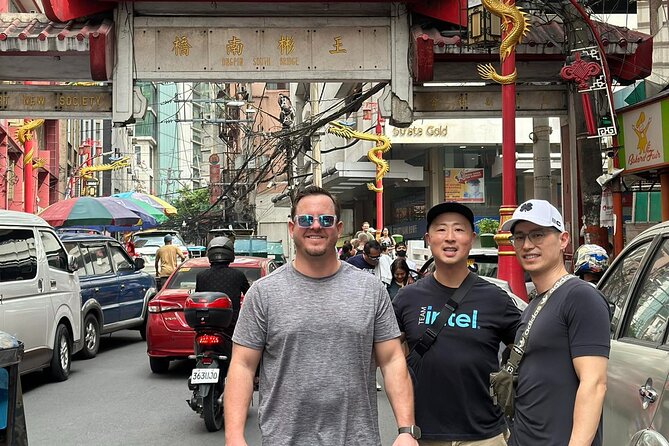
Chinatown comes alive one bite at a time. This two-hour walking tour through Binondo pairs Chinese-Filipino food with temples, markets, old streets, and everyday Manila life. Guide Venus, also called V in guest feedback, leads the route with warmth and a clear love for the city.
I like the small maximum of 10 people, which should make it easier to ask questions and keep up in crowded lanes. I also like the chance to use local transport, including jeepneys and tricycles, rather than simply passing through Chinatown in a private vehicle. The main trade-off is time: two hours is short for both Binondo and Divisoria, so this works best as a focused introduction, not a full Manila history tour.
In This Review
- Key points to know before booking
- Why Binondo makes a strong first stop
- Food is the heart of the Binondo hour
- Temples, markets, and the Chinese-Filipino mix
- Divisoria changes the mood
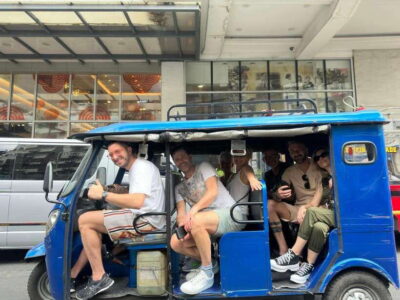
- Jeepneys and tricycles make the route more local
- What Venus adds to a short tour
- The route, timing, and meeting points
- Is $55 a fair price?
- Who will enjoy this Binondo tour most?
- Should you book it?
- FAQ
- Where does the tour start?
- Where does the tour end?
- How long does the tour last?
- Which areas does the tour visit?
- Is food part of the tour?
- Does the tour use local transportation?
- How many people can join?
- Is the tour near public transportation?
- Do I need a printed ticket?
- Can I cancel for a refund?
Key points to know before booking
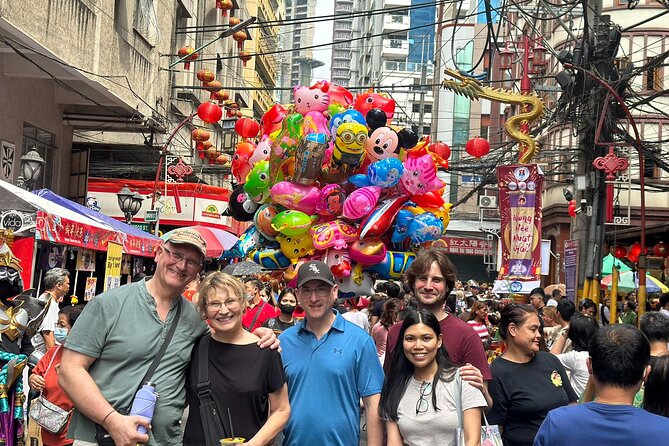
- Guide Venus, or V: Her food knowledge and friendly style are central to the tour, with past outings including local rides and stops chosen around the group.
- Binondo in one hour: Expect Chinese temples, food stalls, shops, markets, and the mix of Chinese and Filipino customs that defines the district.
- Divisoria bargain hunting: The second hour shifts toward a famous shopping area filled with inexpensive goods, from clothes to household items and electronics.
- Local transport adds character: Reviews describe rides on two kinds of tricycles and a jeepney, though transport details may vary by outing.
- A small group format: The tour accepts no more than 10 people, a useful limit in busy streets.
- Simple cancellation terms: You receive a full refund if you cancel at least 24 hours before the start time.
Why Binondo makes a strong first stop
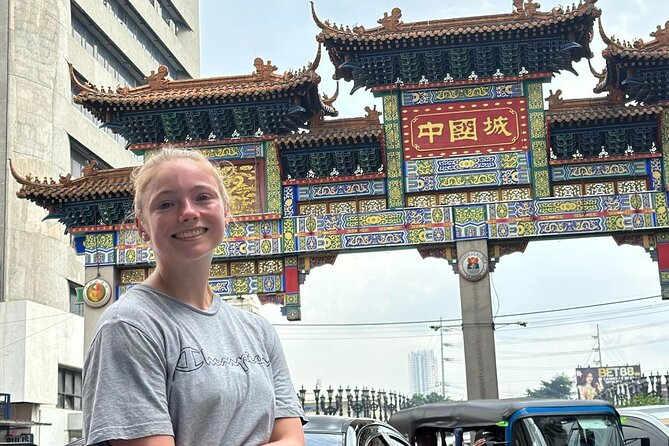
Binondo is not a polished museum district. It is a working part of Manila where Chinese traditions, Filipino habits, Spanish-era influences, shops, food counters, temples, and traffic meet on the same streets. That mix is the reason to come.
The tour gives you about an hour here, with Venus explaining how Chinese and Filipino food and customs developed together. You are not just looking at old buildings. You are watching a neighborhood function: people shopping, eating, commuting, and carrying on with business.
That matters because Binondo can feel confusing without context. A temple may sit close to a food stall. A narrow market lane may suddenly open into a major road. The guide helps connect these sights instead of leaving you to make sense of them alone.
The pace should suit you if you prefer a moving tour with frequent stops. You will likely spend much of the hour on foot, so comfortable shoes are sensible. The supplied details do not state the exact food stops or the number of tastings, so I would confirm what is included in the $55 price before arrival.
A few more Luzon days worth comparing
- Manila Old and New: Sightseeing Tour Including Intramuros and Fort Santiago
★ 4.5 · 377 reviews - Manila’s Walled City: Intramuros Walking Tour
★ 5.0 · 82 reviews - Manila Filipino Cooking Class: Meryenda Favorites
★ 5.0 · 80 reviews
Food is the heart of the Binondo hour
The strongest praise for this tour centers on food. The route is designed around Chinese-Filipino cooking, and the guide chooses established eateries and street stalls rather than treating Chinatown as a backdrop for photographs.
Past outings included a wide range of Filipino food, with one couple describing the servings as plentiful. That is useful context for you: this is not presented as a single-snack walk. Food is a major part of the afternoon, although the exact menu can change.
Venus also seems to tailor the route through her personal knowledge of Manila. One guest credited her with choosing the best stalls and connecting the food with childhood memories. That kind of local touch can make a short tour feel more personal than a standard route from one landmark to the next.
Still, keep your expectations practical. The tour description promises authentic Chinese-Filipino cuisine, but it does not list dishes, drinks, dietary options, or the number of tastings. If you have allergies, food restrictions, or a strong preference for a particular dish, ask before booking.
The food element also affects the value. At $55 per person, you are paying for a guide-led introduction, not simply admission to Chinatown. If several tastings and local rides are included, the price may feel fair for a small-group outing. If food and transport are extra, your total cost will be higher, so clarify that point.
Temples, markets, and the Chinese-Filipino mix
The appeal of Binondo is its blend. You may see traditional Chinese religious spaces alongside ordinary shops and market lanes, while the food reflects both Chinese roots and Filipino adaptation.
The tour description highlights centuries-old streets, traditional temples, and historic landmarks. It does not promise entry to every temple or provide a fixed list of buildings, so think of this as a guided neighborhood walk rather than a formal architecture tour.
I would choose this outing if you want cultural context delivered in small pieces. Venus can explain how local customs and cuisine changed over time, then point out how those influences remain visible in daily life. That connection between the past and the present is more useful than a long list of dates.
If you want a detailed account of Manila’s Spanish colonial period, this is probably not enough on its own. The tour touches the Spanish and Chinese influences that shaped the district, but the two-hour format leaves limited room for extended history.
Divisoria changes the mood
After Binondo, the route moves to Divisoria Market for about an hour. The mood here is more practical and commercial. Divisoria is known for bargain shopping, with stalls and shops selling clothing, accessories, household decorations, electronics, and other everyday goods.
This stop gives the tour a useful contrast. Binondo shows you food, faith, and neighborhood culture. Divisoria shows you Manila as a place to shop, compare prices, and search through a crowded retail district.
You might enjoy this part most if you like markets where the point is the activity itself. You can look for inexpensive items, watch local commerce, and get a feel for how Manila residents shop. You should not expect a quiet browsing environment or a carefully arranged retail center.
The information provided does not give a shopping list, expected spending amount, or specific stores. The practical approach is to treat Divisoria as an optional chance to browse, not as a guaranteed shopping haul. Bring only what you need and keep valuables secure in busy areas.
Because the tour gives roughly one hour to Divisoria, you will get an introduction rather than time to search every lane. If bargain shopping is your main goal, you may want a separate visit with more time. If you want a quick taste of the market alongside food and culture, the stop makes sense.
A completely different kind of day out:
- Batad Guided Tour
★ 5.0 · 78 reviews - Manila Super Saver: Manila Sightseeing plus Tagaytay Tour with Taal Volcano
★ 4.0 · 75 reviews - Express Bamboo Bike Tour inside Intramuros
★ 4.5 · 66 reviews - PanoramicTagaytay Ridge Tour from Manila
★ 4.0 · 52 reviews
Jeepneys and tricycles make the route more local
The most distinctive part of the outing may be the transport. Past participants rode two different tricycles and a jeepney, with one guest calling the jeepney the favorite part of the day. Another outing included tuk-tuk-style transport as well.
These rides matter because they turn the tour from a simple walk into a small slice of Manila’s daily rhythm. You are not only being shown the city. You are using some of the same transport that residents use.
The exact transport plan is not listed as fixed, so I would not book this expecting a guaranteed sequence of rides. Traffic, availability, and the day’s route may affect what happens. The reviews make clear that local transport has been an important part of past tours, but the provider should confirm the current plan.
For many people, this is a better memory than another landmark photograph. A short jeepney ride can show you how close you are to ordinary city life. It also adds fun to a route that could otherwise feel like a fast walk through markets.
What Venus adds to a short tour
The guide can make or break a two-hour city walk. Here, Venus is presented as the person who brings the route together, with a strong focus on food, local customs, transport, and places to continue your evening.
Her role seems especially useful for first-time visitors to Manila. She can help you move from one area to another, choose food stops, explain the Chinese-Filipino connection, and make the busy streets feel less hard to read.
The feedback also suggests that she offers ideas beyond the scheduled route, including bars and nightclubs. That does not mean nightlife is part of this tour, but it could help if you want suggestions for later.
One small limitation is that the public information uses both Venus and V. This appears to refer to the same guide, but confirm the guide’s name and meeting instructions before the day begins. That is particularly important because the start and end points are not in the same place.
The route, timing, and meeting points

The tour starts in Tondo, Manila, and finishes at the Samsung Experience Store on the third floor of SM City Manila, near Manila City Hall. That ending point is in the Ermita area, on San Marcelino Street.
The route therefore does not return you to the starting point. This can be convenient if you plan to continue toward Manila City Hall or nearby parts of central Manila. It may be less convenient if you have left luggage near Tondo or need to return to your hotel immediately.
The tour lasts about two hours, divided roughly into one hour in Binondo and one hour at Divisoria. The timing makes this easy to fit into a morning or afternoon, but it also means you should not expect a leisurely meal, lengthy temple visit, and extended shopping session all in one outing.
The tour is near public transportation, and the end point at SM Manila gives you a clear place to continue from. Confirmation is provided at booking, and the tour uses a mobile ticket. The group maximum is 10 people, while the information says most people can take part.
The listing does not provide a minimum age, wheelchair details, hotel pickup, or a full accessibility statement. Ask the provider directly if any of those points matter to you.
Is $55 a fair price?
The cost is $55 per person. For a two-hour tour, that is not the cheapest way to see Binondo. You are paying about $27.50 per hour before considering food, drinks, or transport costs that may not be included.
The value depends on what you want from the visit. If you simply want to walk through Chinatown and browse on your own, you can spend less. If you want a guide to choose food stalls, explain the neighborhood, arrange a clear route, and possibly include local transport, the price becomes easier to justify.
The maximum group size of 10 helps. You are not paying for a huge coach outing, and a smaller group should make it easier to hear Venus and ask for help with food choices. The strongest benefit is convenience and interpretation, not admission to a major attraction.
Ask two questions before booking: Which food and transport costs are included, and what exact route is planned that day? Those answers will tell you far more about value than the headline price alone.
The tour is booked an average of 63 days ahead, which suggests you should reserve early if your Manila dates are fixed. The cancellation policy is flexible up to 24 hours before the start time, when you can receive a full refund. Cancellations or changes inside that window are not refunded or accepted.
Who will enjoy this Binondo tour most?
I would recommend it to you if you want a quick, social introduction to Manila and care more about local food and street life than formal sightseeing. It is also a good fit if you enjoy markets, short walks, public transport, and a guide who can make recommendations for the rest of your visit.
First-time visitors may get the most from Venus’s explanations. You can see Binondo and Divisoria without spending hours planning a route or guessing which stalls are worth your time.
Food-focused visitors should also consider it, especially if you want Chinese-Filipino cooking rather than a generic city meal. The past outings included several food stops and generous portions, but you still need to confirm the current menu and inclusions.
I would be more cautious if you dislike crowded markets, need a slow pace, or want a detailed historical tour. Two hours is enough to sample the districts, not enough to cover every landmark or shop.
Should you book it?
Book this tour if you want food, local transport, and street-level Manila in a compact package. Venus appears to be the main strength, and the small group limit gives the outing a more personal feel.
Skip it if your priority is a long historical tour, a fixed food menu, or several hours of shopping. Before paying, confirm the food and transport inclusions, meeting instructions, and the exact plan for the day.
For many visitors, this is a useful first look at Binondo and Divisoria. It gives you enough orientation to return on your own, with a few flavors, rides, and local suggestions to shape the rest of your Manila stay.
FAQ
Where does the tour start?
The tour starts in Tondo, Manila, in Metro Manila, Philippines.
Where does the tour end?
It ends at the Samsung Experience Store on the third floor of SM City Manila, near Manila City Hall, on San Marcelino Street in Ermita.
How long does the tour last?
The tour lasts approximately two hours.
Which areas does the tour visit?
The route includes Binondo, Manila’s Chinatown, and Divisoria Market.
Is food part of the tour?
Food is a central part of the Binondo visit, with Chinese-Filipino cuisine and food stalls included in the tour description. The exact dishes and inclusions are not specified.
Does the tour use local transportation?
Past outings included jeepney rides and two different types of tricycles or tuk-tuks. The current transport plan is not specified as a fixed part of every tour.
How many people can join?
The maximum group size is 10 people.
Is the tour near public transportation?
Yes. The activity information states that it is near public transportation.
Do I need a printed ticket?
No. The tour provides a mobile ticket.
Can I cancel for a refund?
Yes. You can cancel at least 24 hours before the start time for a full refund. Cancellations and changes made less than 24 hours before the start time are not accepted, and the payment is not refunded.
Just added in Luzon
- Private Filipino Cooking Class in the Heart of Manila,Makati City★ 5.0 · 5 reviews
- Villa Escudero Tour with Lunch From Manila (SHARED)★ 5.0 · 5 reviews
- VILLA ESCUDERO DAY TOUR with Carabao Cart Ride and Bamboo from Manila★ 4.0 · 6 reviews
- Villa Escudero Coconut Plantation Day Trip from Manila★ 3.5 · 9 reviews
- Skip the Line: Villa Escudero Plantation & Resort Day Pass Ticket★ 4.5 · 11 reviews
- Tagaytay Day Tour From Manila★ 5.0 · 1 review
- The Jeepney & Tuk Tuk Adventure ride with Local Guide★ 4.5 · 4 reviews
- Pagsanjan Falls Adventure with Lunch and Rapids Experience★ 4.5 · 3 reviews
Guided, compared.

Private Boat Hire with Guided Tour and Lunch on Beach
Read our review →

Waterfall Hopping & Secret Jungle Trails Guided Tour
Read our review →
Browse the lists this tour appears in