
Reviewed · FOOD & DRINK
Manila Chinatown Food Tour with Local Guide
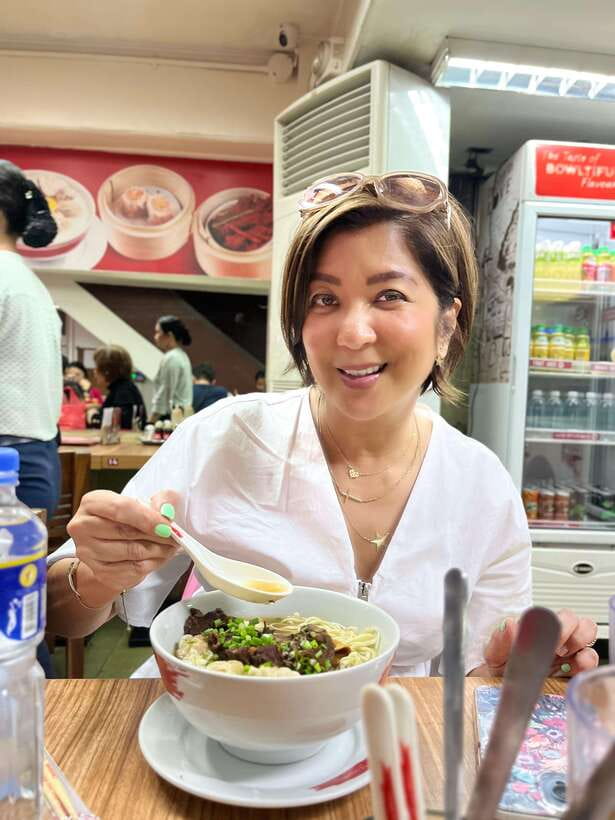
Come hungry, leave curious. This two-hour walk through Binondo, Manila’s famous Chinatown, combines Chinese street food, old buildings, local transport, and stories about the Chinese influence on Filipino life. I like that the experience goes beyond a restaurant meal, and I especially like the chance to visit small local food shops rather than only eating in polished dining rooms. The main catch is the brisk walking pace, which may feel demanding in Manila’s heat.
The tour costs $68 per person, a fair price if you value a guide, several tastings, bottled water, and a local transportation ride. I also like that guides such as Mari and Tessie bring energy and personal care to the outing. Still, this is not a good fit for vegans, vegetarians, wheelchair users, or people with heart problems, and you should tell the operator about dietary restrictions before the tour.
In This Review
- Key Things to Know Before You Go
- Starting Inside the Cafe
- Binondo, Manila’s Old Chinatown
- The Food Stops: Small Shops, Big Variety
- Ongpin and Quiapo Add More Than Food
- A Ride in Local Transportation
- What the Guides Add
- Is $68 a Fair Price?
- Heat, Weather, and Practical Comfort
- Who Will Enjoy This Tour Most?
- My Verdict on Binondo’s Food Walk
- Should You Book It?
- FAQ
- Where does the tour meet?
- How long does the tour last?
- How much does the experience cost?
- What languages does the guide speak?
- Is food included?
- Is bottled water included?
- Does the tour include local transportation?
- Can children join the tour?
- Is the tour suitable for vegans, vegetarians, wheelchair users, or people with heart problems?
Key Things to Know Before You Go
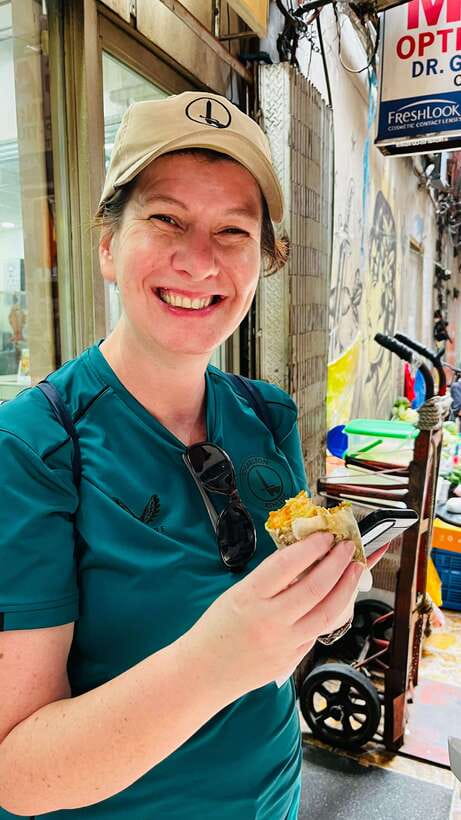
- Eight food stops may fit into two hours: One past guest described tasting food at eight restaurants, so expect small portions, quick transitions, and a full stomach by the end.
- Mari is a well-liked guide: She is praised for her energy, care with safety, quick replies, and friendly relationships with food vendors.
- Tessie also leads the tour: She is noted for clear explanations and an unhurried approach to the historical side.
- The route reaches beyond Binondo: The walk can include Ongpin and the Quiapo area, giving you a wider look at central Manila.
- Local transport is part of the fun: You may ride a motorbike with a sidecar, a Filipino form of transport described humorously as a Lamborghini with air-conditioning.
- The pace is fast: That helps reduce time in the heat, but you should be ready to walk quickly through narrow streets and busy areas.
Starting Inside the Cafe
Your meeting point is inside a cafe. Once you arrive, ask the receptionist to find Mari. This detail matters because a cafe meeting point is easier than trying to locate a guide on a crowded street, but you still need to allow enough time to get there without rushing.
The tour is offered in English and Tagalog. Mari is the guide most often associated with the experience, while Tessie has also led it. The strongest praise goes to the guides themselves: they explain the area clearly, keep the group moving, and show concern for both visitors and local vendors.
I would use the first few minutes to tell your guide about food allergies, medical concerns, or anything you cannot eat. The food is a major part of the tour, so clear communication at the beginning can make the rest of the outing easier.
More Food Tours in Manila
- Manila Food Tour: Explore World’s Oldest Chinatown
★ 5.0 · 158 reviews - Manila: Street Food and Drinks Walking Tour with Tastings
★ 4.8 · 114 reviews - Manila: Sightseeing and Food Walking Tour with Tastings
★ 4.7 · 68 reviews
Binondo, Manila’s Old Chinatown
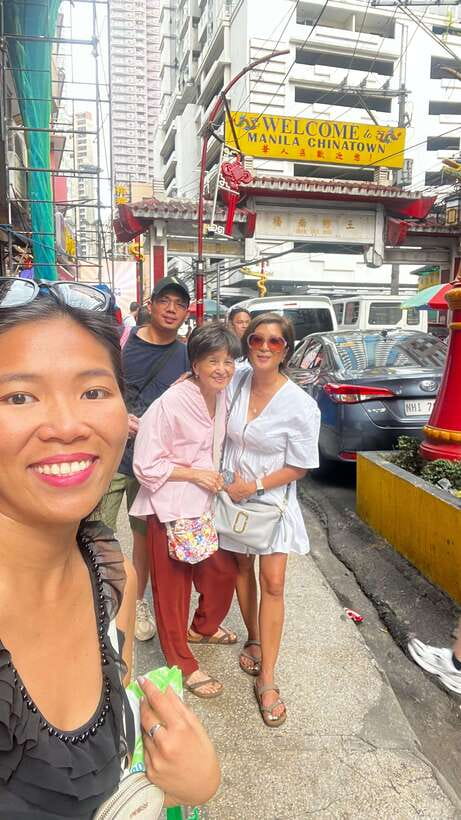
Binondo is one of the main reasons to book this experience. It is widely known as the oldest Chinatown in the world, and its identity comes through in the mix of Chinese traditions, Filipino customs, old commercial buildings, markets, and food businesses.
The streets are narrow and busy. You can expect a lively city scene rather than a quiet heritage walk. That means plenty to see, but also traffic, crowds, heat, and moments when you need to stay close to the guide.
The historical side is not treated as a separate museum visit. Instead, you learn about the district while walking past landmarks and some of its oldest buildings. That approach is useful because it shows how history remains part of daily life. The shops, vendors, streets, and food all help explain the area better than a short list of dates would.
Ask questions as you walk. The tour specifically encourages you to bring plenty of them, and that is good advice. You might ask how Chinese culture shaped Filipino food, why particular dishes are popular, or how the district changed over time.
The Food Stops: Small Shops, Big Variety
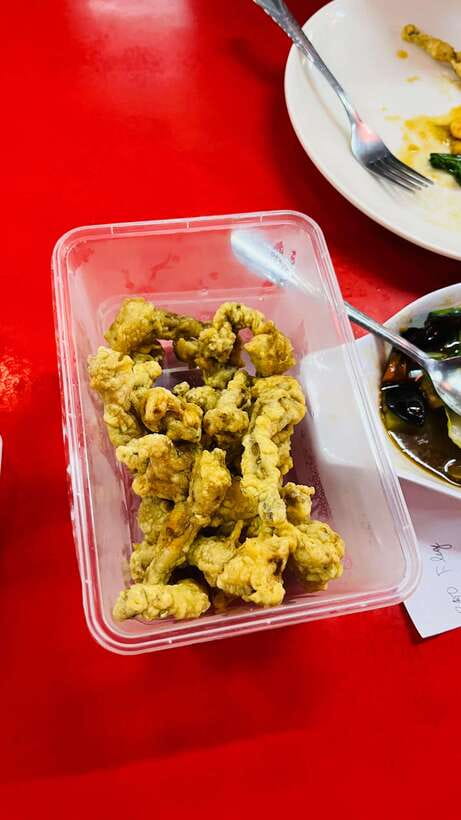
The food is the center of the experience. You are not simply taken to one restaurant for a standard meal. The tour includes Chinese street food and famous Chinatown specialties, with a past itinerary covering eight restaurants.
That number gives you a sense of the format. You will likely sample rather than order full meals at every stop. Come genuinely hungry, but do not eat nothing all day if you become uncomfortable on food-heavy tours. Two hours and eight tastings can add up quickly.
The food is described as sweet, savory, and spicy, so the range should appeal to people who enjoy trying different flavors. You can expect Chinese dishes along with Filipino-Chinese influences, an important part of Binondo’s identity. The point is not only to taste food, but to see how different traditions meet in Manila.
The best part is the local character of the stops. The experience focuses on small shops and street food rather than a carefully polished dining route. That can mean less comfort and less predictability, but it also gives you a closer look at how people actually eat in the district.
If you have strong dietary needs, take the restrictions seriously. The activity is marked as unsuitable for vegans and vegetarians. The information also advises you to report dietary restrictions ahead of time, but it does not promise that every requirement can be accommodated.
Ongpin and Quiapo Add More Than Food
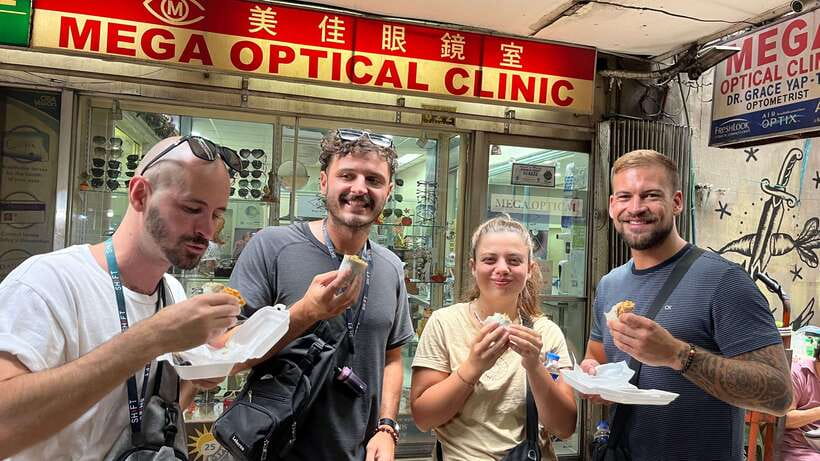
The route can include Binondo, Ongpin, and the Quiapo area. This broader walk is valuable because you are not confined to one small section of Chinatown. Each area adds to the feeling of central Manila as a place where commerce, religion, food, and local movement overlap.
The route is not described as a fixed list of named restaurants, so you should expect some flexibility. Food availability, timing, and the guide’s judgment may shape the exact order of stops. That is common on a street food outing and can be an advantage, since the guide can keep the group moving instead of forcing a rigid schedule.
One point deserves attention: the walking pace may be quick. A past participant appreciated the speed because it reduced exposure to the heat, but also warned that it might be too fast for some people. I would not book this tour if you need frequent rest stops or prefer a slow stroll.
For most reasonably mobile visitors, the pace may help the tour fit a lot into two hours. Wear comfortable shoes, keep your belongings secure, and stay alert when crossing or moving through crowded streets. Those are simple habits, but they matter in a busy urban district.
A completely different kind of day out:
- Intramuros, Manila: Historical Bamboo Bike Tour
★ 4.8 · 583 reviews - Experience Intramuros with Bamboo Bicycle – Ecotours
★ 5.0 · 508 reviews - Manila: Intramuros, Chinatown, and Old Manila Half-Day Tour
★ 4.8 · 475 reviews - Manila: Old & New 4-Hour City Tour
★ 4.5 · 458 reviews
A Ride in Local Transportation
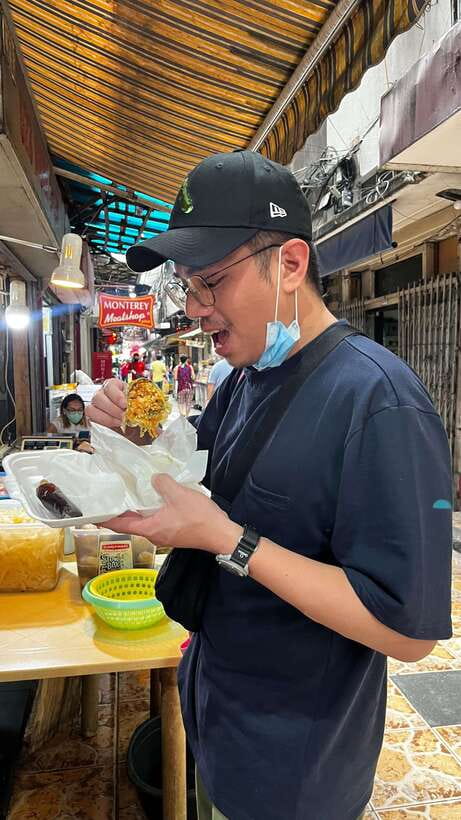
Local transportation is included, and one account describes a ride in a motorbike with a sidecar. This is a distinctly Filipino touch and gives the tour a break from walking while showing you how short urban journeys can work in Manila.
The sidecar ride is not just a novelty. It helps connect the food route with the broader city and adds a practical local experience to what could otherwise be a standard walking tour. The humorous comparison to a Lamborghini with air-conditioning also tells you something about the guide’s style: playful, informal, and comfortable with making the group laugh.
The information does not specify exactly how long the ride lasts or where it happens in the route. Treat it as one part of the experience rather than the main attraction. If you have concerns about motorbike transport, ask before booking.
What the Guides Add
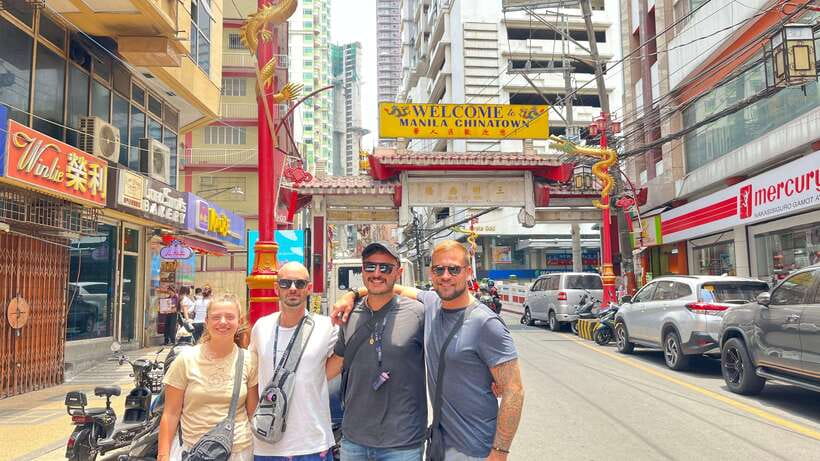
A food tour can be disappointing when the guide only points at dishes and moves on. That does not appear to be the case here. Mari is described as energetic, entertaining, and deeply interested in the area, the vendors, and the people who live and work there.
She also has a reputation for keeping people safe. That matters in a route through narrow streets and busy districts. Her reported habit of checking that everyone is enjoying the experience suggests a warm, attentive style rather than a lecture-heavy tour.
Tessie offers a slightly different strength. She is praised for clear explanations, a patient pace, and solid historical context. If you are especially interested in the background of Binondo, a guide with that style can make the walking feel more purposeful.
Guide availability can change, so you should not assume you will receive one specific person. Still, the consistently positive comments about Mari and Tessie are a useful sign that the operator has more than one capable guide.
Is $68 a Fair Price?
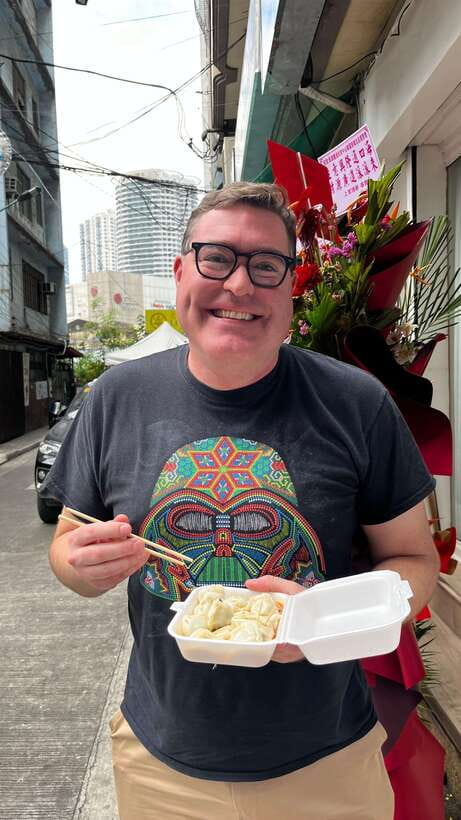
At $68 per person, this is not the cheapest way to buy street food in Manila. You could spend less by exploring on your own. The real question is what you are paying for beyond the dishes.
The price includes a local English or Tagalog-speaking guide, food tastings, bottled water, and local transportation. You are also paying for route planning, explanations, vendor connections, and help moving through an unfamiliar district. If you have only a short time in Manila, that structure can be worth a lot.
The value is strongest for first-time visitors who want food and context together. You do not need to decide where to eat, work out which streets to visit, or manage the whole route yourself. The guide also helps turn a series of snacks into a story about Chinese and Filipino culture.
The value is weaker if you already know Binondo well, dislike group pacing, or want large portions at a relaxed sit-down meal. This is an active tasting walk, not a luxury food tour. You should also remember that the two-hour duration leaves little room for lingering.
The tour allows free cancellation up to 24 hours before the start for a full refund, and you can reserve now and pay later. You should book within 24 hours according to the supplied information, so check availability and starting times before making firm plans.
Heat, Weather, and Practical Comfort
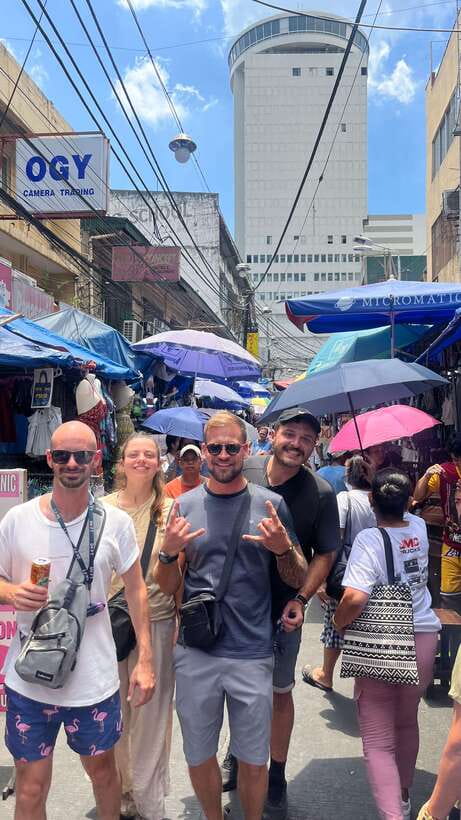
The tour runs rain or shine. That is useful for planning, but it also means you need to prepare for Manila’s weather rather than hoping for ideal conditions.
Bring water, although a bottle is included. Light clothing, comfortable shoes, and protection from sun or rain will help. The fast pace may reduce your time in the heat, but it will not remove the physical demands of walking and eating outdoors.
Children aged three and older are allowed. The suitability of the pace depends on the child, since the tour moves through busy urban streets and includes several food stops. Families should be ready for a full two hours of walking, waiting, tasting, and staying with the guide.
The experience is not suitable for wheelchair users. It is also not recommended for people with heart problems. These restrictions make sense given the narrow streets, walking speed, heat, and local transportation, but you should contact the operator if you are unsure about your own needs.
Who Will Enjoy This Tour Most?
I would recommend this outing to you if you:
- Want to taste several Chinese and Filipino-Chinese foods in one short session
- Enjoy street food more than formal dining
- Like learning about a place while walking through it
- Are comfortable with heat, crowds, and a quick pace
- Want a guide to handle the route and local transport
- Have a limited amount of time in Manila
- Enjoy asking questions and trying unfamiliar dishes
I would think twice if you want a slow heritage tour, need full control over every ingredient, or prefer a quiet restaurant meal. Vegans and vegetarians should not book this experience based on the stated restrictions.
The tour is also better for curious eaters than for people who only want familiar food. You may encounter sweet, savory, and spicy flavors in quick succession. That variety is the point, but it may not suit a cautious palate.
My Verdict on Binondo’s Food Walk
I like this tour because it connects several parts of Manila in a compact package. You get old buildings, street scenes, Chinese food, Filipino-Chinese culture, and a local ride rather than a single restaurant reservation.
The guides are the strongest reason to book. Mari brings warmth, speed, and care, while Tessie adds clear historical explanation and a calmer approach. The local vendor connections also make the experience feel more personal than a generic sightseeing circuit.
The main weakness is comfort. The walking can be fast, the weather may be wet or hot, and the food schedule can be demanding. At $68, the tour makes the most sense when you want guidance and variety, not simply the lowest possible meal cost.
Should You Book It?
Book it if you want an energetic introduction to Binondo and enjoy trying many foods in a short time. It is especially useful early in a Manila visit, when a guide can help you understand the district and point out flavors you might otherwise miss.
Skip it if you need a slow pace, have strict plant-based dietary needs, use a wheelchair, or have heart problems. For everyone else, come hungry, bring questions, and expect a fast-moving look at one of Manila’s most distinctive districts.
FAQ
Where does the tour meet?
The meeting point is inside a cafe. When you arrive, ask the receptionist to find Mari.
How long does the tour last?
The tour lasts two hours.
How much does the experience cost?
The listed price is $68 per person.
What languages does the guide speak?
The live guide speaks English and Tagalog.
Is food included?
Yes. The experience includes tastings of Chinese street food and famous Chinatown street food.
Is bottled water included?
Yes. One bottle of water is included.
Does the tour include local transportation?
Yes. Local transportation is included, and the experience can involve a motorbike with a sidecar.
Can children join the tour?
Yes. Children aged three and older are allowed.
Is the tour suitable for vegans, vegetarians, wheelchair users, or people with heart problems?
No. The activity is listed as unsuitable for vegans, vegetarians, wheelchair users, and people with heart problems.
Just added in Manila
- Underground River with Lunch★ 3.6 · 5 reviews
- Manila Night market and Street Food Tour★ 5.0 · 2 reviews
- Cruise Shore Excursion of Taal Volcano with Lunch★ 4.5 · 4 reviews
- Unforgettable Manila Fishing Village Day Excursion 2024★ 5.0 · 4 reviews
- Ultimate 8-Day Palawan Island Tour Package from Manila City★ 5.0 · 1 review
- Tagaytay Day Tour sightseeing with Panoramic Taal volcano view★ 5.0 · 6 reviews
- 3 Days Private Tour in Banaue Ifugao visiting Batad Rice Terraces★ 3.5 · 3 reviews
- Tagaytay + Hidden Valley Springs: A Scenic Escape w/ Transfers★ 4.0 · 4 reviews
Food & Drink, compared.

Boracay Sunset Cruise with Party DJ & Unlimited Food and Drinks
Read our review →
Manila Food Tour: Explore World’s Oldest Chinatown
Read our review →
Street Food and Drinks Walking Tour with Tastings
Read our review →
The Original Cebu City Historical and Food Walking Tour
Read our review →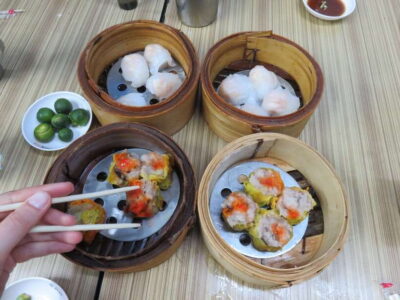
Manila’s Culinary Expedition: The Ultimate Food and Market Tour
Read our review →
Makati Street Food Experience end with a Rooftop Bar
Read our review →Browse the lists this tour appears in