
Reviewed · FOOD & DRINK
Manila: Sightseeing and Food Walking Tour with Tastings
Manila makes you earn its best stories. This six-hour outing links Quiapo Market, Binondo Chinatown, and Intramuros through food, local transport, and plenty of walking, giving you a useful first look at the city beyond the usual postcard stops. I especially like the mix of street-level Manila and old Spanish Manila, plus the chance to ride a traditional bamboo bike inside the walled city.
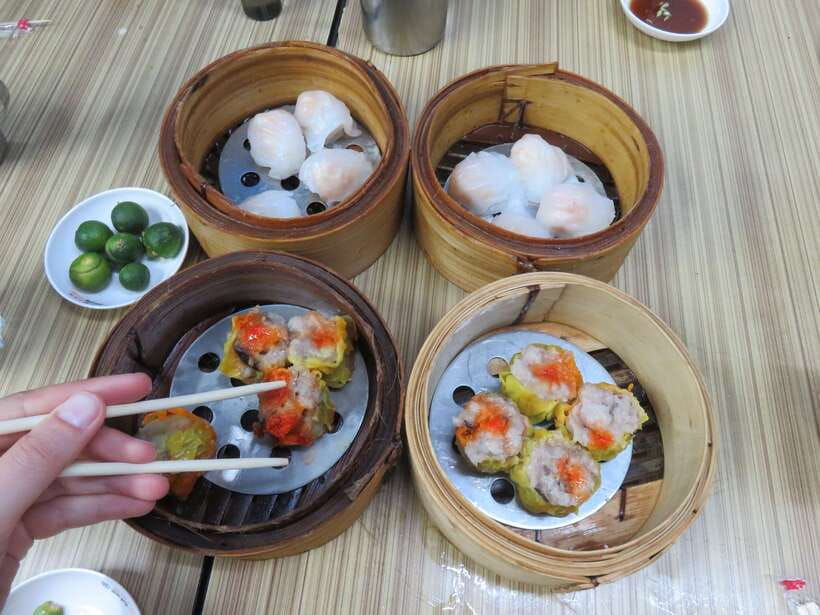
The tastings are another strong point. You get more than one snack and a quick explanation: the route brings together fruits, sweets, dumplings, hopia, and other local bites. The main drawback is the pace and physical effort. You will walk through crowded markets, deal with heat and traffic, and spend much of the day on your feet, so this is not a good fit for anyone with mobility limitations.
In This Review
- Six things to know before booking
- Why this tour works for a first day in Manila
- 9:00 a.m. at Quinta Market
- Two hours in Quiapo Market
- Binondo Chinatown and its snack trail
- Getting around like a local
- Intramuros by bamboo bike
- The guides make or break the day
- Food, heat, and the practical side
- Who should book this Manila tour?
- Is the $58 price good value?
- Should you book it?
- FAQ
- Where does the Manila sightseeing and food tour meet?
- How long does the tour last?
- What food is included?
- Is transportation included?
- Is the tour suitable for people with mobility impairments?
- Is an English-speaking guide provided?
Six things to know before booking
- Quiapo is the real starting jolt: Expect a loud market filled with food sellers, herbal products, narrow lanes, and everyday Manila commerce.
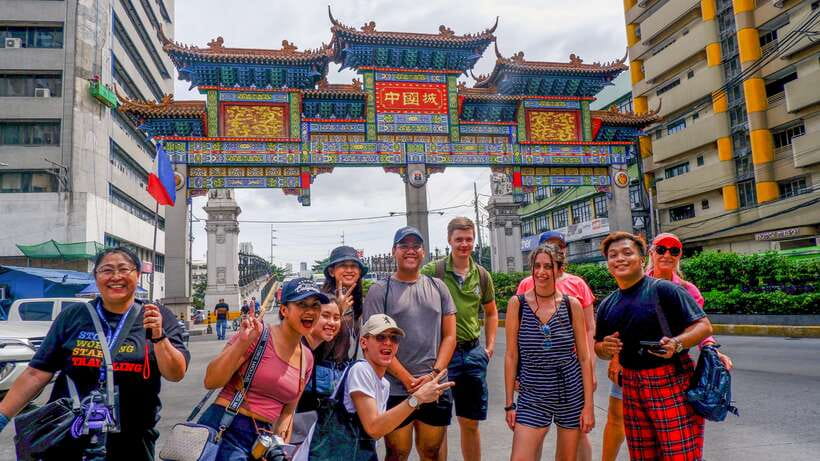
- Binondo turns the tour into a meal: The Chinatown portion includes dumplings, hopia, fruits, desserts, and other local snacks.
- Transport is part of the lesson: You ride local vehicles, including a jeepney, and learn how this practical system works.
- Intramuros is explored by bamboo bike: The ride adds fun and saves some walking while taking you past churches, fortifications, and Spanish-era streets.
- The guides are a major strength: Jen, Eric, Grace, Dani, Eddie, Stephanie, Stefanie, and other guides have been praised for their energy, care, and clear explanations.
- Plan for a full, active day: The route runs roughly from 9:00 a.m. to 3:00 p.m., with food, transport, history, and market walking packed together.
Why this tour works for a first day in Manila
Manila can be hard to read at first. Its major sights are spread across different districts, traffic can slow every transfer, and the city changes character from one street to the next. This tour helps you make sense of those changes in one day.
You begin at Quinta Market, move through Quiapo, walk into Binondo, and then reach Intramuros. That sequence matters. You see working markets and daily commerce before entering the old colonial center, so Intramuros does not feel like an isolated museum district.
I like that the day uses Manila as it is, rather than smoothing away the rough edges. You will encounter noise, tight streets, mixed traffic, crowded sidewalks, and ordinary shops. That can be tiring, but it also gives the tour its value.
The price is $58 per person. For six hours, that is a fair package if you would otherwise pay separately for a guide, entrance fees, a bike, local transport, and several food stops. Drinks are not included, so carry water and set aside a little extra for anything you buy along the way.
The experience is rated 4.7 from 68 reviews, with especially strong praise for the guides, food variety, organization, and transport choices. The recurring theme is simple: the tour gives you a lot to do in one day without leaving you to figure out Manila’s routes on your own.
More Food Tours in Manila
- Manila Food Tour: Explore World’s Oldest Chinatown
★ 5.0 · 158 reviews - Manila: Street Food and Drinks Walking Tour with Tastings
★ 4.8 · 114 reviews - Manila’s Culinary Expedition: The Ultimate Food and Market Tour
★ 5.0 · 42 reviews
9:00 a.m. at Quinta Market
Your meeting point is in front of Quinta Market. The day begins at about 9:00 a.m., with the Quiapo portion starting around 9:15.
Arrive ready to walk. The market is not a quiet introduction to Manila. It is a working place where vendors sell fresh noodles, produce, herbal cures, and many other goods. The appeal lies in watching the city’s daily rhythm, not in seeing a polished attraction built for sightseeing.
A guide is useful here because it is easy to miss the meaning of what you are seeing. A stall of unfamiliar plants or a small food counter can look like visual clutter if you are alone. With an English-speaking guide, you get context and help deciding what to taste.
This is also one of the places where you should keep your belongings secure and stay close to the group. The route passes through narrow, busy areas, and one Japanese visitor noted that Chinatown’s tight streets can be difficult to navigate. That is not a reason to avoid the tour. It is a reason to appreciate having someone lead the way.
Two hours in Quiapo Market
The Quiapo section lasts about two hours, making it the longest walking stop of the morning. That gives you time to look, ask questions, and sample food instead of rushing through for a few photographs.
Quiapo is a good match for curious eaters. The food experience is tied to the market itself, so you see ingredients and prepared dishes in their everyday setting. The tour description points to everything from noodles to herbal products, while the wider tastings include fruits and local favorites.
Do not expect a sit-down food tour with a fixed menu and a comfortable table. This is a street-level experience. Portions may be snack-sized, and the setting can be hot, noisy, and crowded. For me, that is part of the point, but it may not suit someone who wants a calm culinary lesson.
The guide also helps with the social side of eating in a market. You can ask what something is, how it is usually eaten, and how it fits into local food culture. The day’s tastings are repeatedly praised for variety, which is useful if you want to try many things without ordering full servings of each.
Wear clothes that can handle heat and walking. A hat is specifically recommended, and comfortable shoes are essential.
Binondo Chinatown and its snack trail
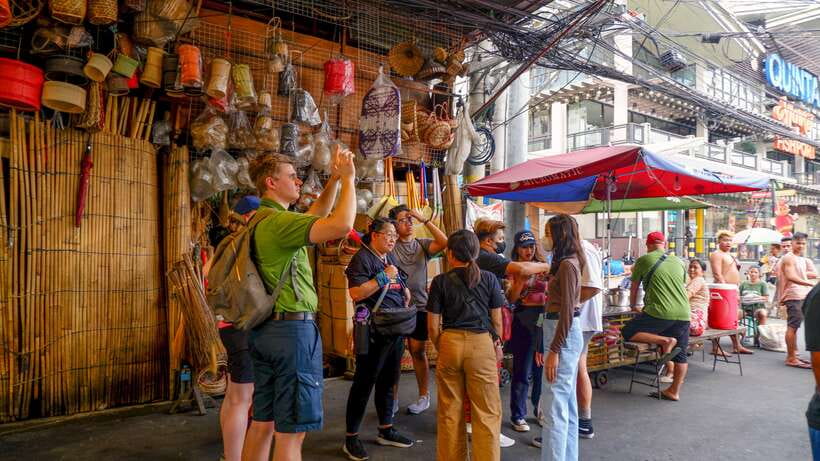
The next major stop is Binondo, widely recognized as the world’s oldest Chinatown. The walking and tasting portion lasts about 30 minutes in the listed schedule, though the full route may include food stops and movement through nearby streets.
That time is short, so think of Binondo as a concentrated introduction rather than a complete Chinatown tour. You will walk, sample local snacks, and see the Filipino-Chinese blend that shapes this part of Manila.
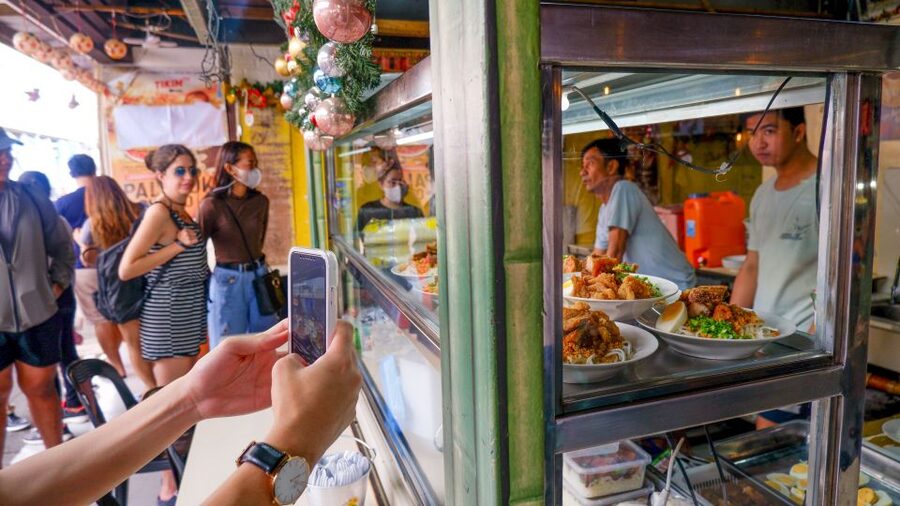
The food here is one of the tour’s best features. Dumplings and hopia are specifically included, along with other local favorites, fruits, desserts, and unexpected treats. One particularly memorable tasting noted by a participant was cheese ice cream. You should not assume every stop will be identical, but the range gives the food portion a sense of discovery.
The Chinatown streets can be cramped and confusing. That is where the small-group format and guide matter. You are not simply handed a list of places and sent off. You move as a group, get explanations, and have someone keep the day on schedule.
If you have dietary restrictions, ask about them before booking. The available information does not specify vegetarian, vegan, halal, allergy, or gluten-free arrangements. The tour includes multiple tastings, but the exact menu is not fixed in the details provided.
A completely different kind of day out:
- Intramuros, Manila: Historical Bamboo Bike Tour
★ 4.8 · 583 reviews - Experience Intramuros with Bamboo Bicycle – Ecotours
★ 5.0 · 508 reviews - Manila: Intramuros, Chinatown, and Old Manila Half-Day Tour
★ 4.8 · 475 reviews - Manila: Old & New 4-Hour City Tour
★ 4.5 · 458 reviews
Getting around like a local
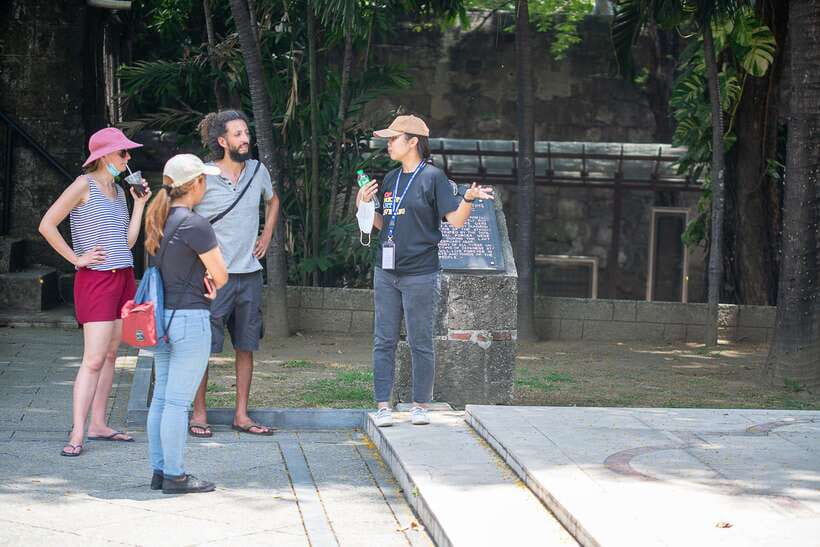
Local transportation is not just a way to move between attractions here. It is one of the attractions.
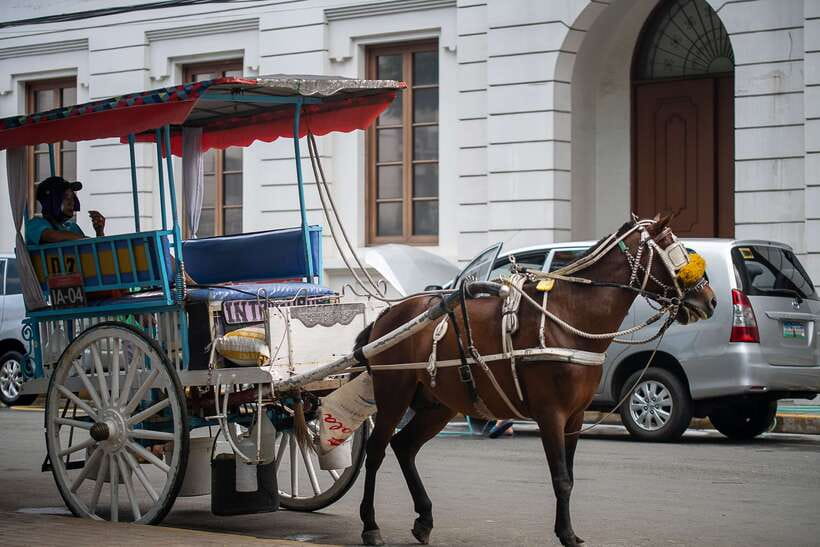
The route includes a jeepney ride toward Intramuros. This gives you a direct look at one of Manila’s best-known forms of public transport, including the basic rhythm of boarding, paying, and sharing space with other passengers. Several past outings also included other local vehicles, such as a tricycle, tuk tuk, or ferry, depending on the day’s route.
Because traffic and local conditions change, you should treat the transport mix as part of the tour’s style rather than a guaranteed checklist of every vehicle. The jeepney and bamboo bike are the clearest advertised features. The stop information also lists a 30-minute tuk tuk transfer.
This section is valuable if you want more than sightseeing from a private vehicle. You learn how the city connects its districts, and you get a better sense of distance and daily movement. It can also be less comfortable than an air-conditioned car. Roads are busy, seating can be basic, and the ride may feel exposed to heat and noise.
That tradeoff is central to the tour. If you want local texture, it works well. If you want a quiet, cool transfer between monuments, book a private car instead.
Intramuros by bamboo bike
You reach Intramuros around 1:00 p.m. and spend about 90 minutes on the guided bike tour. This is the day’s most playful section.
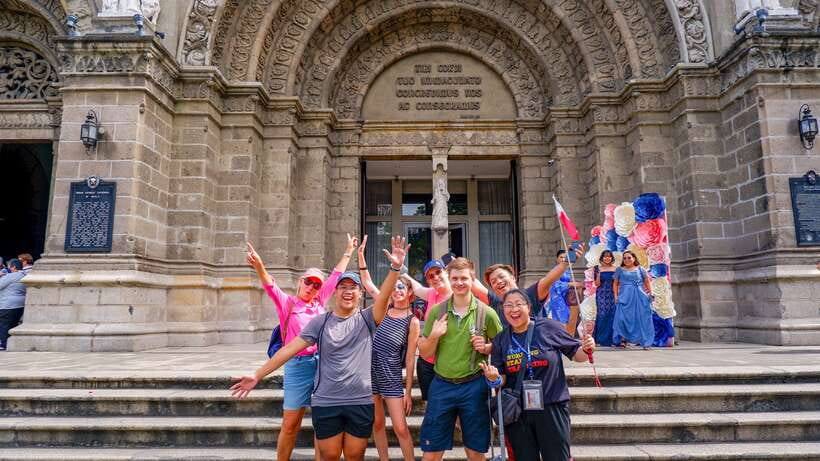
The bikes are traditional bamboo bikes, a distinctive way to see the old walled city. Cycling lets you cover more ground than walking while keeping you close to the streets. You can pass Spanish-era churches, fortifications, old buildings, and less obvious corners without turning the visit into a long march.
Intramuros supplies the historical counterpoint to Quiapo and Binondo. Earlier, you see markets, food stalls, and modern city life. Here, the streets and walls point back to the Spanish colonial period and the religious and military history of Manila.
The tour includes entrance fees and the bike, which improves the value. It also removes some of the practical hassle. You do not need to find a rental outlet, negotiate a bike, or work out a sensible route through the district.
The bike portion still requires basic mobility and comfort on two wheels. The tour is listed as unsuitable for people with mobility impairments, and that warning should be taken seriously. Even if you are not an active cyclist, you should be comfortable riding a bike and walking around before and after the ride.
The schedule also mentions time for coffee or local treats along the way. These pauses help break up the history and give you a chance to cool down, take photographs, and ask questions.
The guides make or break the day
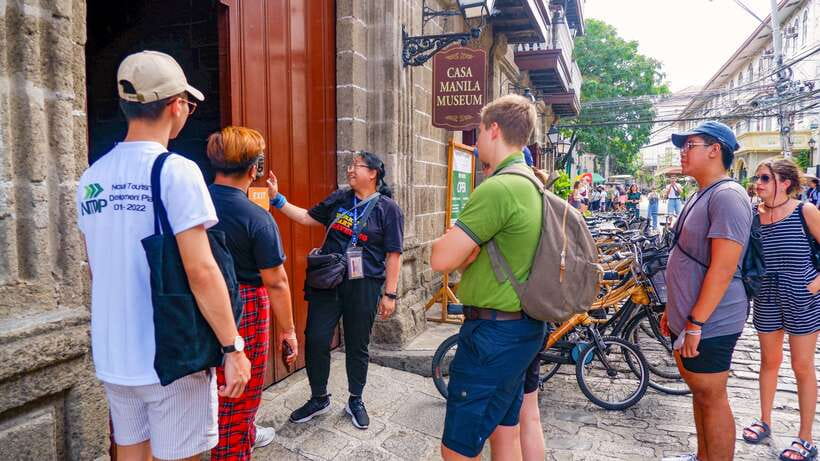
The strongest part of this experience is the guiding. Jen receives repeated praise for being funny, patient, organized, and full of useful information. Eric is also praised for keeping the day on time and explaining the plan clearly. Grace and Dani, as well as Eddie, Stephanie, and Stefanie, are singled out for friendly help and strong teamwork.
That consistency matters on a tour with many moving parts. You are walking through markets, tasting unfamiliar food, boarding local transport, and cycling in a historic district. A guide needs to manage time while still leaving room for questions and photographs.
The feedback points to a good balance. People describe having enough time for water, toilets, food, and questions without long waits or a rushed feeling. One family group found the day well organized, while another said the route gave a true look at Manila’s culture, food, and daily life.
A private group is available. That may be worth considering if you are traveling with family, have a particular pace in mind, or want more control over food questions and photo stops. The standard experience is still designed to be social, with a small-group feel rather than a large coach excursion.
Food, heat, and the practical side
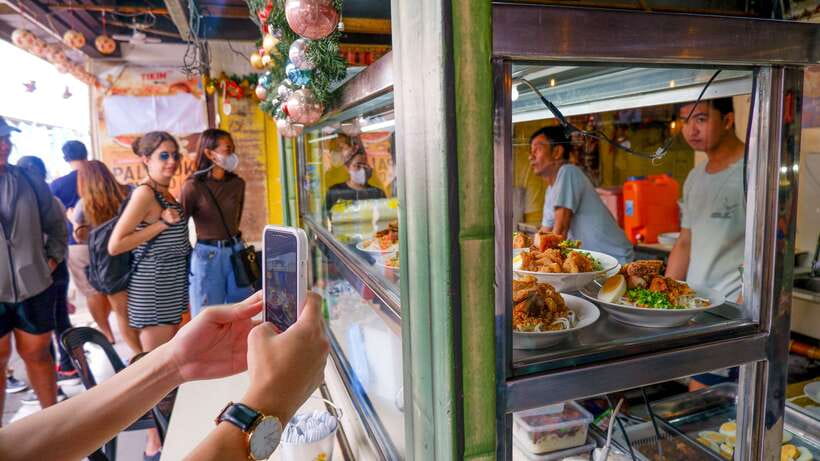
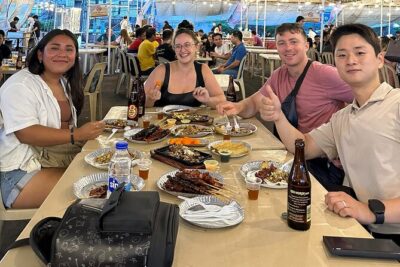
The food is generous for a tour of this length. You may try dumplings, hopia, fruit, desserts, noodles, and other local snacks, with the exact selection depending on the day. The range is more important than any one dish because it lets you compare flavors and textures across Quiapo and Binondo.
You should eat a light breakfast before meeting the group. The first food stops may not appear immediately, and the day involves a lot of walking. At the same time, do not arrive after a huge meal. The tastings are a major part of what you are paying for.
Bring water, a hat, comfortable clothes, and your passport or an ID card. A copy is accepted. Drinks are not included, so water is the most important extra cost to plan for.
The tour lasts six hours, but it feels full rather than leisurely. The schedule moves from 9:00 a.m. to about 3:00 p.m., and the combination of walking, heat, transport, eating, and cycling can leave you tired. One participant described the day as exhausting but very worthwhile. That is probably the right expectation.
Who should book this Manila tour?
I would choose this experience if you have a short stay in Manila and want a broad first look at the city. It works especially well for first-time visitors who want history, food, and local transport in one organized day.
It also suits families with older children and adults who enjoy active sightseeing. The mix of vehicles, tastings, markets, and bikes keeps the day from becoming a long sequence of monuments. The family feedback is especially positive, though you should judge your group’s tolerance for heat and walking honestly.
Food-focused visitors will appreciate the number of tasting stops. History fans will like the shift from Quiapo and Binondo to Intramuros. Photographers get plenty of changing scenes, from market stalls and Chinatown lanes to old walls and church facades.
I would hesitate to recommend it if you have limited mobility, dislike crowded markets, need a fixed menu, or want a slow, quiet day. The tour is not designed around comfort. It is designed around contact with the city.
Is the $58 price good value?
At $58, this is good value if you plan to use the full package. The fee covers a live English-speaking guide, transport between sites, entrance fees, food tastings, and the bamboo bike.
Buying those elements separately would take time and require you to understand Manila’s transport and neighborhood layout. The guide’s role also has real value in Quiapo and Binondo, where the most interesting parts are not always obvious to a first-time visitor.
The cost is less attractive if you mainly want to see Intramuros. You could spend a quieter afternoon there on your own for less. But that would leave out the market walk, Chinatown food, local transport, and the guide’s explanations.
The best comparison is with a private city transfer or a standard sightseeing bus. This tour gives you more local contact and more variety, but less comfort and less control over the pace.
Should you book it?
Book this tour if you want Manila served in generous portions: markets in the morning, Chinese-Filipino snacks, local transport, and a bamboo-bike ride through Intramuros. The food variety and guides are the biggest reasons to choose it, with Jen, Eric, Grace, and the support team earning especially strong praise for keeping a busy day friendly and organized.
Skip it if you want air conditioning, minimal walking, or a carefully controlled culinary menu. For an active first day in Manila, though, the $58 price is sensible, and the route gives you a memorable sense of how the city’s old, everyday, and modern sides fit together.
FAQ
Where does the Manila sightseeing and food tour meet?
The meeting point is in front of Quinta Market in Manila.
How long does the tour last?
The experience lasts six hours, with an approximate schedule from 9:00 a.m. until 3:00 p.m.
What food is included?
Food tastings include local snacks and specialties from Quiapo Market and Binondo Chinatown. Examples listed include dumplings, hopia, fruits, desserts, noodles, and other local favorites. Drinks are not included.
Is transportation included?
Yes. Transportation between the tour areas is included. The experience includes a jeepney ride, and the route information also lists a tuk tuk transfer. The Intramuros section includes the bamboo bike.
Is the tour suitable for people with mobility impairments?
No. The experience is specifically listed as unsuitable for people with mobility impairments. It includes market walking, local transport, and a bike tour.
Is an English-speaking guide provided?
Yes. The tour includes a live English-speaking guide. A private group option is also available.
More Walking Tours in Manila
- Viva Old Manila: Intramuros Walking Tour
★ 4.9 · 104 reviews - Manila’s Walled City: Intramuros Walking Tour
★ 5.0 · 82 reviews - Manila: Intramuros Walking Tour.
★ 4.9 · 63 reviews - Intramuros Walking Tour with Transportation by Don’t Skip Manila
★ 5.0 · 46 reviews
Just added in Manila
- Underground River with Lunch★ 3.6 · 5 reviews
- Manila Night market and Street Food Tour★ 5.0 · 2 reviews
- Cruise Shore Excursion of Taal Volcano with Lunch★ 4.5 · 4 reviews
- Unforgettable Manila Fishing Village Day Excursion 2024★ 5.0 · 4 reviews
- Ultimate 8-Day Palawan Island Tour Package from Manila City★ 5.0 · 1 review
- Tagaytay Day Tour sightseeing with Panoramic Taal volcano view★ 5.0 · 6 reviews
- 3 Days Private Tour in Banaue Ifugao visiting Batad Rice Terraces★ 3.5 · 3 reviews
- Tagaytay + Hidden Valley Springs: A Scenic Escape w/ Transfers★ 4.0 · 4 reviews
Food & Drink, compared.

Boracay Sunset Cruise with Party DJ & Unlimited Food and Drinks
Read our review →
Manila Food Tour: Explore World’s Oldest Chinatown
Read our review →
Street Food and Drinks Walking Tour with Tastings
Read our review →
The Original Cebu City Historical and Food Walking Tour
Read our review →
Manila’s Culinary Expedition: The Ultimate Food and Market Tour
Read our review →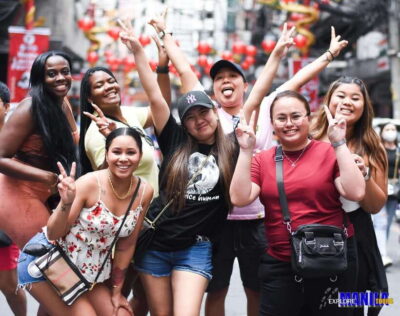
Makati Street Food Experience end with a Rooftop Bar
Read our review →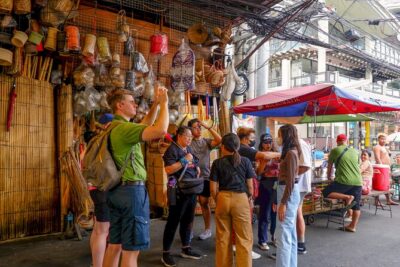
Intramuros & Chinatown Manila Tour – Walking, Food & Culture
Read our review →Browse the lists this tour appears in