
Reviewed · FOOD & DRINK
Manila: Guided Food Tour of Binondo with Tastings
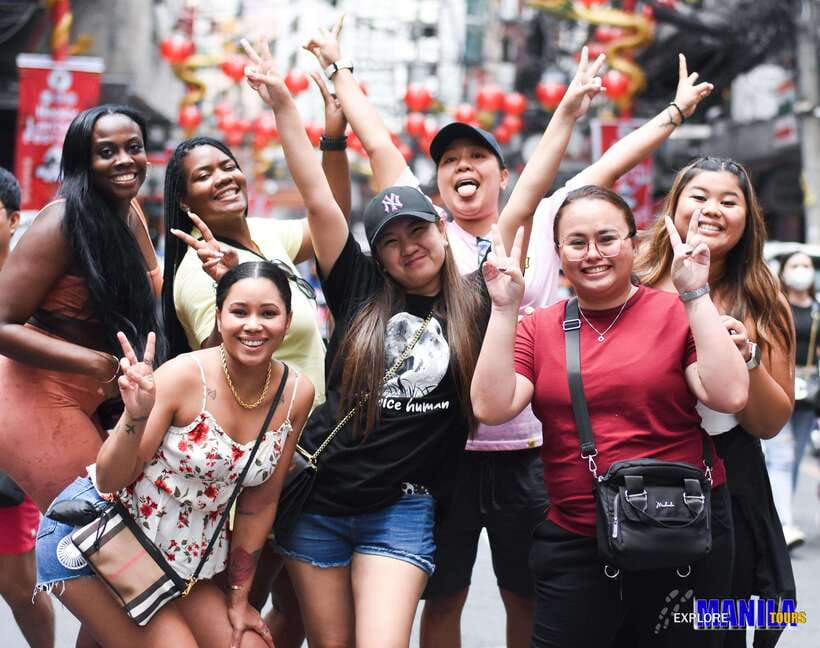
Come hungry, Binondo feeds you well. This three-hour walk through the world’s oldest Chinatown mixes small local eateries, narrow lanes, and Filipino-Chinese comfort food in a way that feels far more personal than a standard city tour. I especially like the excellent variety of tastings and the chance to reach tucked-away food stops you might easily miss alone. The main caution is simple: portions are large, and the tour is not suitable for vegetarians or vegans.
The meeting point is Binondo Church, near the candles, and the route returns there after six food stops. I also like the human side of the experience. Guides such as Chloe, Nel, Jian, and Juan are praised for their friendly manner, cultural stories, and practical Manila advice. At $60 per person, the price is reasonable if you value a full meal, drinks, local guidance, and the confidence to eat in places you might otherwise pass by.
In This Review
- Key Points at a Glance
- Starting at Binondo Church
- Carvajal Street and the First Taste of Lumpia
- Handmade Dumplings in a Local Eatery
- Mami, the Comforting Noodle Soup
- Classic Dimsum in Binondo
- The Bakery Finish: Hopia and Take-Home Sweets
- How Much Food Do You Actually Get?
- Guides Who Add More Than Restaurant Directions
- What the Walk Is Like in Practical Terms
- Who Should Book This Binondo Food Walk?
- Should You Book the $60 Tour?
- FAQ
- Where does the Binondo food tour meet?
- Where does the tour finish?
- How long does the tour last?
- What food is included?
- Is a guide included?
- Is hotel pickup included?
- What should I bring?
- Can I bring luggage or a baby stroller?
- Is the tour suitable for vegetarians, vegans, or wheelchair users?
Key Points at a Glance
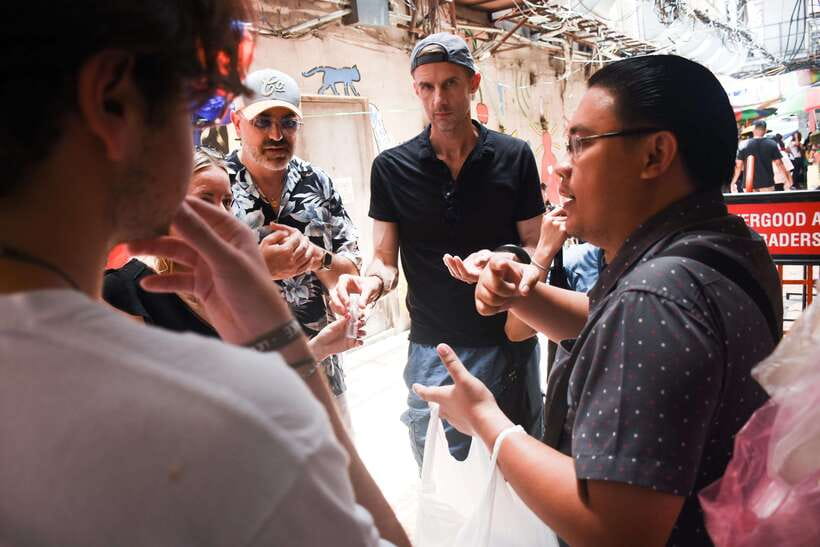
- Six tasting stops in three hours: The route includes local restaurants, a dumpling stop, a dimsum destination, and a bakery.
- Start at Binondo Church: The church gives you a clear meeting point and a useful introduction to Binondo’s Chinese-Filipino past.
- Come with an empty stomach: Food is plentiful, so skipping breakfast is sensible.
- Fresh lumpia and handmade dumplings: These are the most frequently praised parts of the food lineup.
- English-speaking local guides: Chloe, Nel, Jian, and Juan have been singled out for warmth, clear communication, and useful stories.
- A walking tour, not a sightseeing bus: Wear comfortable shoes and leave large bags and strollers behind.
Starting at Binondo Church
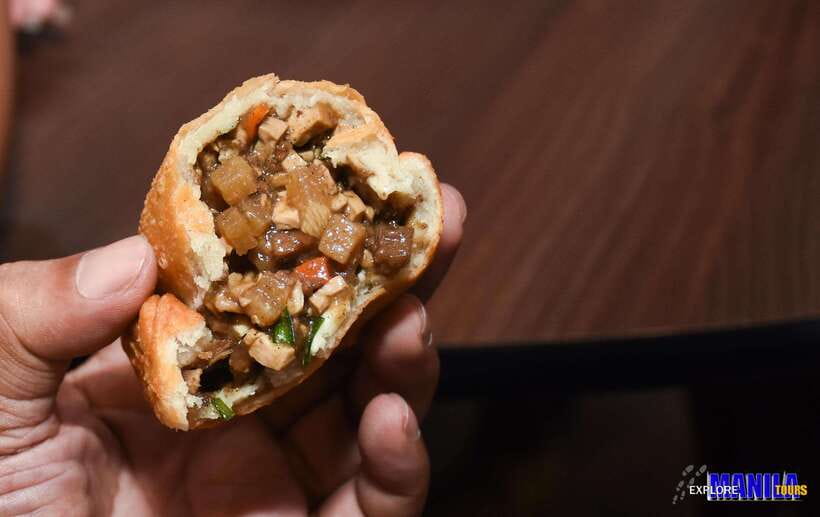
Your guide meets you in the lobby of Binondo Church, close to the candle area. This is a practical location in a busy district, and using the church as your starting and finishing point makes the route easy to understand.
The church also sets the tone. Binondo is not simply a place to eat Chinese food in Manila. It is a district where Filipino and Chinese traditions have shaped one another over generations. Your guide uses the opening part of the walk to connect the streets, businesses, and dishes with the local Chinese-Filipino community.
I would allow extra time to reach the church, especially if you are crossing Manila from another part of the city. Grab is specifically suggested as a way to get there. Once you arrive, look for the candles area rather than waiting outside on an unspecified street corner.
This is a walking experience through real city streets, not a polished food hall. That is part of the appeal, but it also means uneven pacing, traffic, crowds, and weather can affect the walk. The tour operates rain or shine, so bring sensible footwear and a light rain layer when the forecast looks doubtful.
More Food Tours in Manila
- Manila Food Tour: Explore World’s Oldest Chinatown
★ 5.0 · 158 reviews - Manila: Street Food and Drinks Walking Tour with Tastings
★ 4.8 · 114 reviews - Manila: Sightseeing and Food Walking Tour with Tastings
★ 4.7 · 68 reviews
Carvajal Street and the First Taste of Lumpia
The food begins around Carvajal Street, where the smell of fresh lumpia gives you an immediate introduction to Binondo’s street-food culture. Lumpia is a Filipino spring roll, and the fresh version here offers a softer, more vegetable-focused bite than the crisp fried style many people first associate with the dish.
This stop is useful because it shows how Filipino-Chinese food is not divided into neat national categories. A dish can carry Chinese roots while taking on local ingredients, textures, and habits. Your guide can explain those links while you eat, giving the food a clearer place in the story of the neighborhood.
There is one practical warning. The first serving may be sweet and vegetable-heavy, and not everyone enjoys it as much as the later dumpling and noodle stops. If it is not your favorite, do not judge the whole tour by that opening bite. The portions across the route are generous, and the guide should make it clear that you do not have to finish every serving.
Handmade Dumplings in a Local Eatery
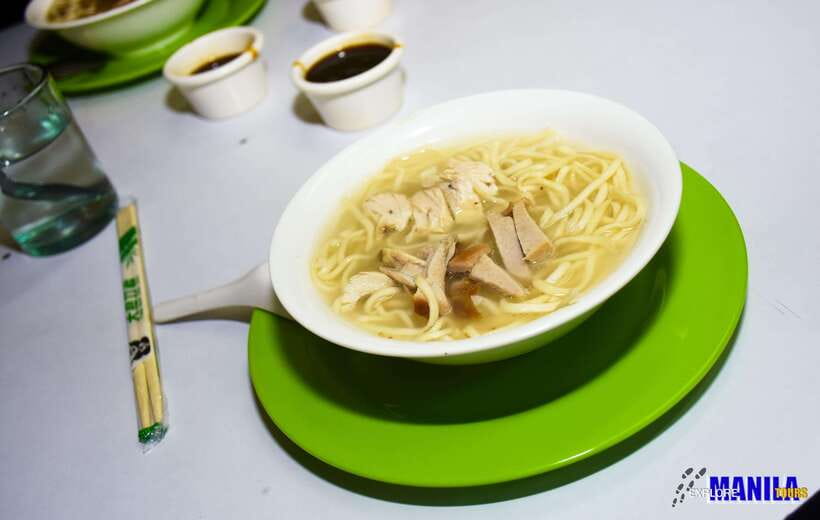
The dumpling stop is the strongest reason for many food-focused visitors to book this tour. You are taken to a local restaurant where dumpling-making is treated as a careful craft, then given the chance to taste handmade pieces rather than only mass-produced snacks.
Dumplings are also a good lesson in texture. The wrapper, filling, moisture, and dipping sauce all matter. A guide can point out what makes one dumpling different from another, while the kitchen gives you a look at the work behind each order.
I would save a serious appetite for this stop. The dumplings have been repeatedly singled out as a favorite, and the amount of food can catch you off guard this early in the walk. You are not just nibbling one sample at each restaurant. You are building toward a full meal.
Nel has been praised for making solo participants feel included, while Chloe is often noted for keeping the group comfortable and engaged. Those details matter here because a good food guide does more than name the dish. The guide helps you order, explains what you are trying, and keeps the group moving without making the meal feel rushed.
Mami, the Comforting Noodle Soup
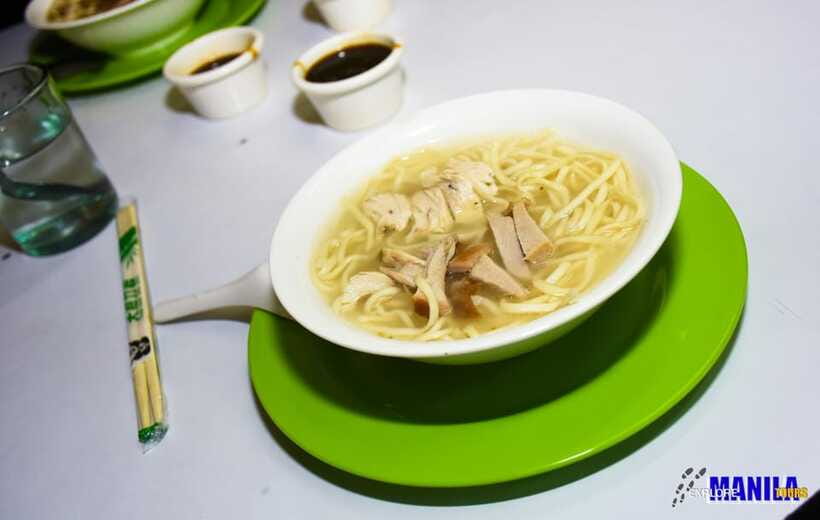
The route then turns to mami, a noodle soup closely tied to Filipino comfort food. After the first snacks and dumplings, a warm bowl of noodles gives the meal a different rhythm.
Mami is especially valuable on this tour because it shows the everyday side of Binondo cuisine. This is not only food for special occasions or restaurant menus. It is the kind of dish that fits into ordinary life, and its place in Filipino comfort food culture helps explain why Filipino-Chinese cooking has such a lasting role in Manila.
You may find this stop more filling than expected. Soup, noodles, and the other courses add up quickly, so pace yourself. The guide may offer several chances to taste, but you do not need to treat every dish as a challenge. One particularly helpful feature of the experience is the relaxed attitude toward unfinished food. Try what interests you, share when appropriate, and avoid stuffing yourself before the final bakery stop.
A completely different kind of day out:
- Intramuros, Manila: Historical Bamboo Bike Tour
★ 4.8 · 583 reviews - Experience Intramuros with Bamboo Bicycle – Ecotours
★ 5.0 · 508 reviews - Manila: Intramuros, Chinatown, and Old Manila Half-Day Tour
★ 4.8 · 475 reviews - Manila: Old & New 4-Hour City Tour
★ 4.5 · 458 reviews
Classic Dimsum in Binondo
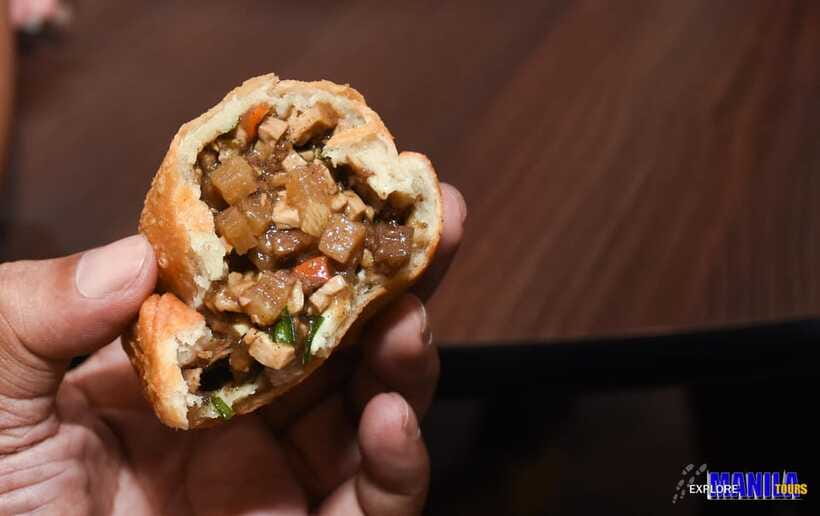
The fourth restaurant stop focuses on classic dimsum. This is where the tour’s Filipino-Chinese theme becomes especially clear: familiar Chinese-style small dishes are presented within the local food culture of Manila.
The dimsum stop has drawn strong praise for flavor and quality, with one participant calling it the best dimsum they had eaten. That is a bold judgment, but it points to the value of having someone choose the right place for you. Binondo has many restaurants, and a short visit makes it hard to separate a worthwhile stop from an ordinary one.
Your guide also adds context about how the Chinese community developed in the Philippines. Juan, in particular, has been praised for explaining the origins and growth of Chinese life in the country, while Jian has been noted for connecting food with local cultural stories. Those explanations make the meal more than a series of plates.
If you have eaten dimsum elsewhere in Asia, do not expect every dish to be identical. The point here is Filipino-Chinese food as it exists in Binondo, not a generic recreation of a meal from Hong Kong or mainland China.
The Bakery Finish: Hopia and Take-Home Sweets
The final stop is a historic bakery known for hopia, a flaky pastry with Chinese-Filipino roots. Hopia is commonly associated with sweet fillings, and this stop gives you several flavors to try.
Ending with pastry is a smart choice in one sense. It leaves you with a small, portable reminder of Binondo after the savory dishes are finished. The bakery also helps complete the food story, showing how Chinese culinary customs became part of Filipino snack culture.
The drawback is quantity. A take-home sweet may sound useful, but after five savory stops, you may already be too full to appreciate it. One practical approach is to taste a little at the bakery and save the rest for later. If you are staying in a hotel, the pastry is easier to enjoy when you are no longer walking and eating on a tight schedule.
This is also the least essential stop if you prefer savory food. You may love the variety of hopia, but if your priority is the best meal possible rather than a broad survey, the dumplings, mami, and dimsum are likely to matter more.
How Much Food Do You Actually Get?
The short answer is: plenty. People who skip breakfast have still found themselves sharing dishes because the servings become too much by the end. That is a strong value point for a $60 tour, but it also changes how you should plan your day.
The price includes the walking tour, an English-speaking guide, and all food and drinks listed for the route. If you paid for each stop separately, you would still need to find the restaurants, choose what to order, and understand what you were eating. The fee covers that planning as well as the food itself.
I would compare the cost with a half-day guided activity, not with a single restaurant meal. For someone who wants a light snack crawl, $60 may feel high. For someone who wants a substantial meal, neighborhood orientation, cultural background, and several carefully chosen stops, the value is much better.
You should not book this expecting tiny chef’s samples. This is a filling food walk. Skip breakfast or eat very lightly beforehand, and plan a relaxed evening afterward rather than another major meal.
Guides Who Add More Than Restaurant Directions
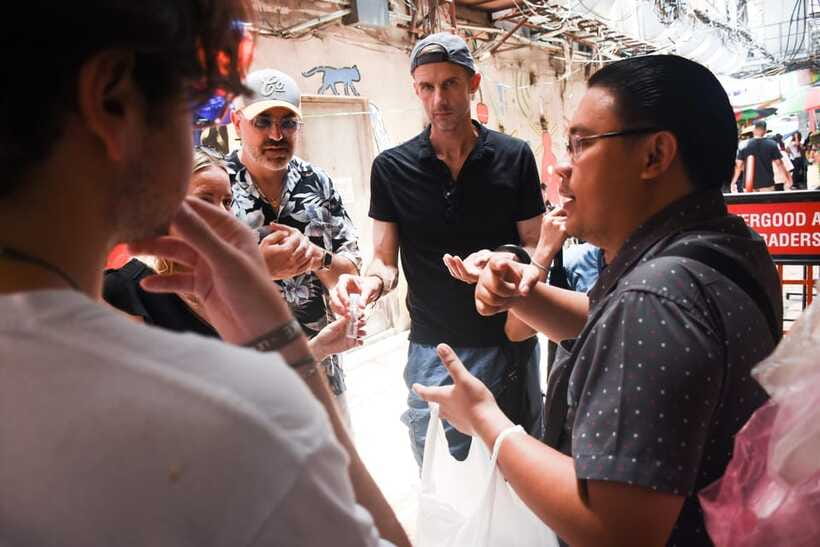
The guide can make or break a food tour, and this experience receives especially strong praise for personal attention. Chloe is described as fun, well prepared, and generous with Manila suggestions. Nel has been praised for creating a safe, friendly atmosphere and making solo participants feel welcome. Jian is noted for food knowledge and cultural stories, while Juan has been praised for clear English and careful research.
Guide assignments can change, so you should not book with a guarantee of one specific person. Still, the pattern is encouraging: the best part of the tour is not just finding the restaurants. It is having someone explain why the food belongs in Binondo and help you feel at ease in an unfamiliar part of Manila.
That social element is useful if you are traveling alone, visiting Manila for the first time, or unsure about ordering in small local restaurants. Couples and small groups also benefit because the guide can help pace the meal and explain what to try first.
What the Walk Is Like in Practical Terms
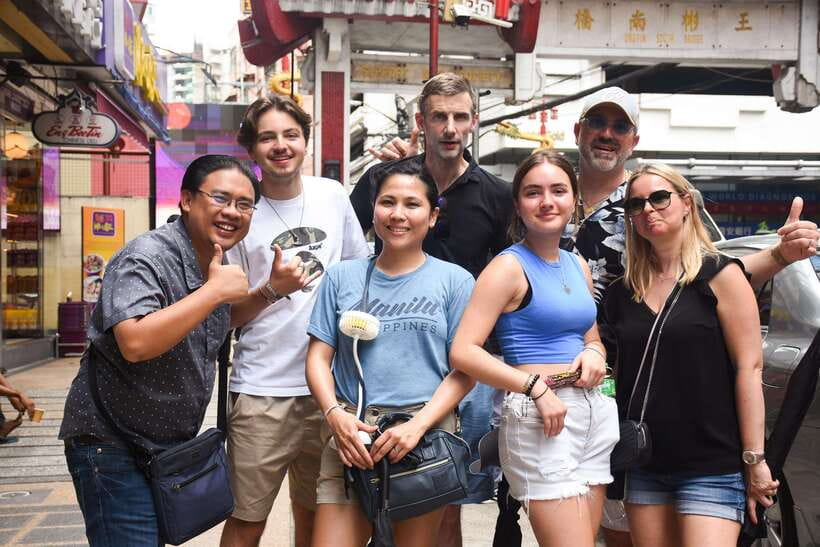
The published duration is three hours, with the route beginning and ending at Binondo Church. You walk between six food stops, including five restaurants and one bakery. There is no hotel pickup or drop-off, so you must arrange your own way to and from the meeting point.
Wear comfortable shoes. This advice is not decorative. You will be on your feet through streets and alleys, and the tour takes place rain or shine. Bring only what you need, since baby strollers, luggage, and large bags are not allowed.
The experience is not suitable for wheelchair users because of the walking route and street conditions. It is also not suitable for vegans or vegetarians, so anyone following those diets should choose another activity.
The tour is conducted in English. If you want a food experience with cultural explanation rather than a simple list of dishes, that language support is an important part of the value.
Who Should Book This Binondo Food Walk?
I would recommend it most strongly to:
- First-time Manila visitors who want a clear introduction to Binondo
- Solo travelers who prefer a friendly guide and structured route
- Food lovers who enjoy trying several dishes in one outing
- Visitors interested in Filipino-Chinese culture as well as eating
- Anyone who would rather support small local food businesses than rely on familiar chains
I would be more cautious if you eat lightly, dislike sweet vegetable dishes, avoid meat and seafood, or prefer to choose every restaurant yourself. The route is designed for variety and abundance, not a short, customized tasting.
The sustainable tourism message also matters. By eating at local restaurants and buying from neighborhood vendors and bakeries, you direct spending into the community. The experience does not turn Binondo into a stage set. It takes you through working streets and everyday businesses.
Should You Book the $60 Tour?
Yes, if you want a substantial meal paired with local stories and a guide who can lead you beyond the obvious streets. The strongest parts are the handmade dumplings, mami, classic dimsum, and the warm manner of guides such as Nel and Chloe.
Book with realistic expectations. You will walk in all weather, carry no large bags, and eat food that may not suit vegetarians or vegans. If you arrive hungry, wear good shoes, and treat the tour as both lunch and neighborhood introduction, $60 is fair value. If you want only a few small bites or have a limited appetite, the quantity may work against you.
FAQ
Where does the Binondo food tour meet?
The meeting point is in the lobby of Binondo Church, near the candles area.
Where does the tour finish?
The walking route returns to Binondo Church.
How long does the tour last?
The advertised duration is three hours.
What food is included?
The tour includes fresh lumpia, handmade dumplings, mami noodle soup, classic dimsum, and hopia from a local bakery, along with other food and drinks listed along the route.
Is a guide included?
Yes. The tour includes a live English-speaking guide.
Is hotel pickup included?
No. You must make your own way to Binondo Church and arrange your return after the tour. Grab can be used to reach the meeting point.
What should I bring?
Bring comfortable shoes. The tour takes place on foot and operates rain or shine.
Can I bring luggage or a baby stroller?
No. Baby strollers, luggage, and large bags are not allowed.
Is the tour suitable for vegetarians, vegans, or wheelchair users?
No. The tour is not suitable for vegetarians, vegans, or wheelchair users.
Just added in Manila
- Underground River with Lunch★ 3.6 · 5 reviews
- Manila Night market and Street Food Tour★ 5.0 · 2 reviews
- Cruise Shore Excursion of Taal Volcano with Lunch★ 4.5 · 4 reviews
- Ultimate 8-Day Palawan Island Tour Package from Manila City★ 5.0 · 1 review
- Unforgettable Manila Fishing Village Day Excursion 2024★ 5.0 · 4 reviews
- Tagaytay + Hidden Valley Springs: A Scenic Escape w/ Transfers★ 4.0 · 4 reviews
- Tagaytay Day Tour sightseeing with Panoramic Taal volcano view★ 5.0 · 6 reviews
- 3 Days Private Tour in Banaue Ifugao visiting Batad Rice Terraces★ 3.5 · 3 reviews
Food & Drink, compared.

Boracay Sunset Cruise with Party DJ & Unlimited Food and Drinks
Read our review →
Manila Food Tour: Explore World’s Oldest Chinatown
Read our review →
Street Food and Drinks Walking Tour with Tastings
Read our review →
The Original Cebu City Historical and Food Walking Tour
Read our review →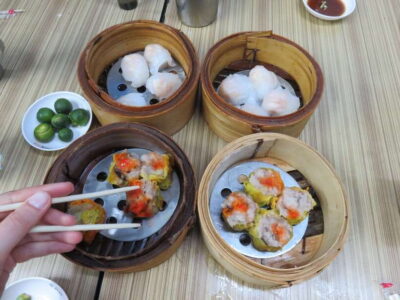
Manila’s Culinary Expedition: The Ultimate Food and Market Tour
Read our review →
Makati Street Food Experience end with a Rooftop Bar
Read our review →
Intramuros & Chinatown Manila Tour – Walking, Food & Culture
Read our review →Browse the lists this tour appears in