
Reviewed · INTRAMUROS WALKS
Intramuros & Chinatown Manila Tour – Walking, Food & Culture
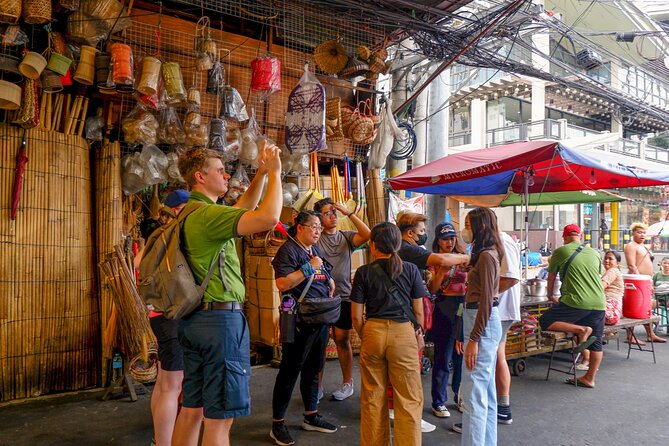
Manila reveals itself one bite at a time. This five-hour tour links Quiapo Market, Binondo Chinatown, and Intramuros, giving you a useful first look at the city’s food, faith, trade, and long colonial story. I like the mix of street-level discovery and old-city history, and I also like that the day can include several local transport types, including bicycles, jeepneys, tricycles, and sometimes a ferry.
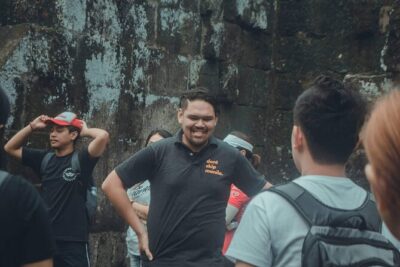
The strongest part is the human touch. Guides such as Mike, Fred, George, Erick, Carmen, Eric, and Jen have been praised for explaining food and history in a friendly, easygoing way. The main drawback is the food tasting: it can be uneven, and dishes may be shared in eateries rather than served as a polished restaurant meal.
I would choose this for a first day in Manila, especially if you want more than postcard sights. You should be ready to walk, eat unfamiliar food, cope with city traffic, and spend time outdoors. The group can reach 18 people, so this is personal enough to feel guided, but not a private tour.
In This Review
- Key points before you book
- Why this makes a useful first day in Manila
- Quiapo Market: one hour of sights, smells, and local rhythm
- Binondo Chinatown: two hours built around food
- Getting around Manila by bike, jeepney, and more
- Intramuros: Manila’s old city in a two-hour history lesson
- What the guides add to the experience
- Is $62 a fair price?
- Who should book this Manila tour?
- My booking verdict
- FAQ
- How long is the Intramuros and Chinatown Manila Tour?
- Where does the tour start and finish?
- What places are included?
- Is food included?
- Is bicycle rental included?
- How large is the group, and how fit should I be?
Key points before you book
- Quiapo begins the day with real Manila street life: Expect a sensory market walk where old customs, daily shopping, food, and modern city pressures meet.
- Binondo offers a two-hour food and neighborhood stop: You taste Filipino dishes while walking through Manila’s Chinatown and its Catholic, Chinese, and Muslim surroundings.
- Intramuros supplies the historical frame: The fortified old city connects Manila’s story from the ninth century through 1946, including the damage caused by World War Two.
- Transportation is part of the adventure: Bicycles are included, and past outings have used jeepneys, tricycles, buses, and a river ferry, though the exact mix may vary.
- The $62 price covers more than a guide: Food samples, transport between sites, entrance fees, and bicycle rental are included.
- The day is best for active sightseers: Five hours of walking, riding, market crowds, and outdoor heat call for moderate fitness and comfortable clothing.
Why this makes a useful first day in Manila
Manila is not a city that explains itself from one grand viewpoint. Its character is spread across markets, religious sites, food stalls, business streets, damaged walls, and neighborhoods shaped by several cultures. This tour gives you a guided route through that mix instead of leaving you to connect the pieces alone.
I like the order of the day. Quiapo introduces present-day Manila, Binondo adds food and Chinese Filipino culture, and Intramuros gives you the historical setting. You move from crowded daily life to old streets and fortifications, so the city feels less like a list of attractions and more like a place that has changed over time.
The experience begins at Quinta Market in Quiapo at 9:00 am. That early start matters. Markets are easier to explore before the day becomes hotter and more crowded, although you should still expect a busy urban setting rather than a quiet morning stroll.
The meeting point is on Carlos Palanca in Quiapo, and the tour ends at Casa Manila in the Plaza San Luis complex in Intramuros. Since you finish in the old city, you are well placed to continue exploring that area on your own after the group portion ends.
More Food Tours in Manila
- Makati Street Food Experience end with a Rooftop Bar
★ 5.0 · 33 reviews - Makati Street Food tour Experience
★ 5.0 · 16 reviews - Binondo Bites Manila Food Tour with 15+ Tastings
★ 5.0 · 5 reviews
Quiapo Market: one hour of sights, smells, and local rhythm
Quiapo is the tour’s most immediate introduction to Manila. The route is described as a meeting point of old and new, East and West, and common and scarce. That means you should expect variety rather than a carefully arranged market display.
The value here is not one famous stall or one landmark. It is the chance to see how people shop, eat, move, and work in a part of the city where different traditions overlap. Your guide can help explain what you are seeing and point out food worth trying, which is important when a market offers unfamiliar ingredients and dishes.
A food sample is included, and this is where you begin tasting the city rather than simply looking at it. The tour presents street food as a record of Manila’s past visitors and communities, so the food has a cultural purpose as well as a culinary one.
You should keep your expectations practical. This is not a food photography walk with a long menu and generous portions. The tasting is intended to let you try several items as part of the wider cultural lesson. Bring an open mind, but do not assume every bite will become a favorite.
The one-hour timing is enough for a strong introduction, but it also means the guide must keep the group moving. If you like lingering at one stall or shopping for souvenirs, you may feel rushed. The tour is designed to show you a slice of Quiapo before moving on.
Binondo Chinatown: two hours built around food
Binondo receives the longest stop, and that makes sense. This is where the food and neighborhood themes come together most clearly. You walk through Manila’s Chinatown while tasting Filipino cuisine, with the surrounding area shaped by Catholic, Chinese, and Muslim communities.
I like that this is not presented as a simple Chinatown checklist. The route treats Binondo as part of Manila’s wider urban life, where commerce, religion, migration, and food overlap. Your guide can help connect what is on the plate with the people and communities who helped shape the city.
Food is commonly shared in eateries and restaurants during this kind of outing. That approach allows a group to try a wider selection, but it may not suit you if you prefer individual portions or have strict dietary needs. The food experience received one notably mixed assessment, with the tour itself praised more strongly than the dishes.
That is an important point when judging the $62 price. You are paying for access, explanation, and a guided route, not for a high-end meal. Some items may be excellent, others may be ordinary, and the tasting is better understood as a way to sample Filipino food in context.
Past food stops have included fruits and local dishes, with guides explaining what you are eating. Eric was praised for discussing food, fruit, Filipino culture, and history, while other guides were credited with creating a relaxed and fun experience. The quality of the day depends partly on your guide’s energy and ability to make connections.
Two hours gives Binondo room to breathe. You are not simply stepping out for one snack and taking a photograph. You have time to walk, taste, listen, and see how the district fits into Manila’s larger story.
Getting around Manila by bike, jeepney, and more
Transportation is one of this experience’s most distinctive features. Bike rental is included, and the tour provides transport between the main areas. Reports from the outings describe trips involving a ferry, tricycle, jeepney, buses, and bicycles.
You should treat that list as a guide to the tour’s spirit, not a fixed promise that every vehicle will be used on every departure. Routes can change with traffic, weather, operations, and group needs. Still, the chance to experience ordinary Manila transport adds something a private car tour cannot provide.
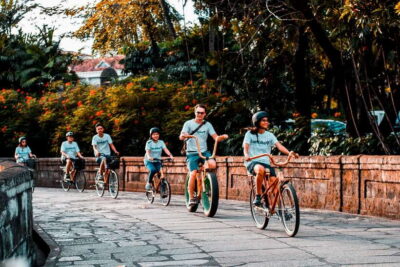
The bicycle section is especially appealing in Intramuros. Riding through the old city lets you cover more ground while keeping you close to the streets and walls. Jen was praised for making the bike ride and Chinatown food tasting memorable, with plenty of stories and historical explanation along the way.
There is also a practical tradeoff. Public transport and cycling expose you to the real pace of Manila, including traffic, waiting, noise, and uneven conditions. That is part of the experience, but it requires patience. If you want air-conditioned comfort from one sight to the next, this is not the right format.
The tour requires a moderate level of physical fitness. You may be walking through markets, standing during food stops, riding a bicycle, and boarding different forms of transport. Wear comfortable shoes and bring water. Bottled water is not included, and neither are soft drinks, coffee, tea, or alcohol.
More Intramuros walks:
- Manila Old and New: Sightseeing Tour Including Intramuros and Fort Santiago
★ 4.5 · 377 reviews - Manila’s Walled City: Intramuros Walking Tour
★ 5.0 · 82 reviews - Express Bamboo Bike Tour inside Intramuros
★ 4.5 · 66 reviews - Manila: Intramuros, Chinatown, and Old Manila Half-Day Tour
★ 5.0 · 37 reviews
Intramuros: Manila’s old city in a two-hour history lesson
Intramuros is the closing chapter and the setting that gives the day its historical weight. This fortified old city contains streets and structures connected with Philippine history from the ninth century through 1946. The area suffered major damage during World War Two, yet parts of its old character remain visible.
The contrast with Quiapo and Binondo is the point. After a morning of markets, food, and transport, you enter a district where walls and old buildings help you picture earlier Manila. The city is not preserved as a perfect museum piece. Its scars and rebuilt areas are part of the story.
The guide’s explanation matters here. Several guides were praised for making Philippine history understandable, particularly the country’s experience of occupation over roughly 500 years. George and his coworkers were singled out for creating a personal lesson in history, culture, and food.
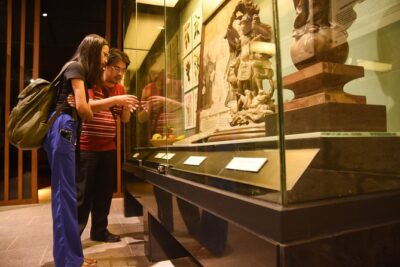
You should expect a walking and cycling exploration rather than a full museum tour. Entrance fees are included, and the end point at Casa Manila gives the tour a clear finish, but the supplied information does not promise entry to every Intramuros attraction. The focus is on seeing the old city and understanding its place in Manila.
Two hours is a useful amount of time. It gives you enough space to see the streets and hear the major historical themes without turning the day into an exhaustive study. If Intramuros is your main interest, you may want to return afterward for a slower visit.
What the guides add to the experience
The guide can make or break a city tour, and the feedback here is unusually consistent on that point. Mike was praised for being informative, showing impressive spots, serving good food, and explaining Intramuros history. Fred was credited with making the day fun and offering useful suggestions for later activities.
Those suggestions can extend your Manila plans. Fred recommended Barbara’s Heritage Dinner and Show and drinks at the Bayleaf Hotel penthouse bar, both of which were later enjoyed. You should treat such advice as a helpful extra, not part of the tour price or itinerary.
Erick and Carmen were praised for taking a group to places even a former Manila resident had not seen. That is one of the tour’s best arguments. A guide who knows how to link familiar landmarks with less obvious corners can make the city feel new even if you have spent time there before.
The group limit of 18 is worth noting. It is small enough for a guide to explain food and history to the whole group, though it is not intimate in the way a private walk would be. If you want to ask many questions, position yourself near the guide when possible.
Is $62 a fair price?
At $62 per person, the tour is not the cheapest way to walk through Manila. The value comes from what is bundled into the half-day: a guide, snacks and food tasting, transport between sites, entrance fees, and bicycle rental.
If you visited the three areas independently, you could spend less on transport and food. You would also need to research the route, judge what to eat, work out how to reach each district, and make sense of the history without a guide. For a first visit, the convenience and local explanation can justify the price.
The value is strongest if you want a broad introduction rather than a single specialist focus. You get markets, Chinatown, Filipino food, old-city history, and local transport in one morning and early afternoon. It is less valuable if you already know Manila well or want a luxury food tour with guaranteed favorite dishes.
Group discounts may be available, and the tour accepts a mobile ticket. Confirmation is provided at booking, and the meeting point is near public transportation. Free cancellation is available up to 24 hours before the 9:00 am start, while poor weather or failure to reach the minimum group size can lead to a different date or a full refund.
Who should book this Manila tour?
I would recommend it to first-time Manila visitors who want structure without spending a full day in a vehicle. It also suits people who learn best by eating, walking, and asking questions rather than reading labels in a museum.
It is a good fit for active couples, friends, and families with older children who can manage a moderate level of walking and cycling. It may also suit repeat visitors, since one former Manila resident discovered places that were new to them.
You should think twice if you have limited mobility, dislike shared food, need a fixed dietary plan, or prefer quiet sightseeing. The market and Chinatown portions are active, and the shared tasting format means you may not love every dish.
Plan to carry water and dress for outdoor movement. Alcohol, coffee, tea, soft drinks, and bottled water are separate purchases. The experience needs good weather, so keep a little flexibility in your Manila schedule.
My booking verdict
Book this tour if you want Manila explained through everyday life, local food, and a clear historical route. The strongest reasons are the guide-led interpretation, the variety of transport, the two-hour Binondo stop, and the chance to see Intramuros after experiencing the modern city.
Do not book it expecting a refined restaurant meal or a perfectly fixed transport plan. The food can be mixed, and the day has the unpredictability of a real city. For me, that is also its appeal: you get a practical introduction to Manila as it is, not a polished version made only for sightseeing.
FAQ
How long is the Intramuros and Chinatown Manila Tour?
The experience lasts approximately five hours. It begins at 9:00 am and ends at Casa Manila in Intramuros.
Where does the tour start and finish?
The tour starts at Quinta Market on Carlos Palanca in Quiapo, Manila. It ends at Casa Manila in the Plaza San Luis complex on General Luna Street in Intramuros.
What places are included?
The route includes Quiapo Market, Binondo Chinatown, and Intramuros. The scheduled time is about one hour in Quiapo, two hours in Binondo, and two hours in Intramuros.
Is food included?
Yes. Snacks and food tasting are included. Bottled water, soft drinks, coffee, tea, and alcoholic drinks are not included.
Is bicycle rental included?
Yes. Bike rental is included, along with transportation to the tour sites, entrance fees, and a tour guide.
How large is the group, and how fit should I be?
The tour can have a maximum of 18 people. A moderate level of physical fitness is recommended because the experience includes walking and cycling.
More Walking Tours in Luzon
- Manila Intramuros Walking tour with Local Tour Guide
★ 5.0 · 33 reviews - Manila: Binondo Walking Tour ( Oldest Chinatown )
★ 5.0 · 30 reviews - Manila Old & New City Walking Tour With A Guide
★ 4.0 · 9 reviews - Manila Private Walking Tour With A Local Guide (Private Tour)
★ 4.5 · 7 reviews
More Food Tours in Luzon
- Manila Food Tour Experience with Local Guide
★ 5.0 · 4 reviews - Manila Night Market and Food tour experience with Local guide
★ 5.0 · 2 reviews - Manila Night Market and Street Food Experience
★ 5.0 · 1 review - Manila Street food and Drinks with local guide
★ 5.0 · 1 review
Just added in Luzon
- Private Filipino Cooking Class in the Heart of Manila,Makati City★ 5.0 · 5 reviews
- Villa Escudero Tour with Lunch From Manila (SHARED)★ 5.0 · 5 reviews
- VILLA ESCUDERO DAY TOUR with Carabao Cart Ride and Bamboo from Manila★ 4.0 · 6 reviews
- Villa Escudero Coconut Plantation Day Trip from Manila★ 3.5 · 9 reviews
- Skip the Line: Villa Escudero Plantation & Resort Day Pass Ticket★ 4.5 · 11 reviews
- Tagaytay Day Tour From Manila★ 5.0 · 1 review
- The Jeepney & Tuk Tuk Adventure ride with Local Guide★ 4.5 · 4 reviews
- Pagsanjan Falls Adventure with Lunch and Rapids Experience★ 4.5 · 3 reviews
Intramuros Walks, compared.
Intramuros, Manila: Historical Bamboo Bike Tour
Read our review →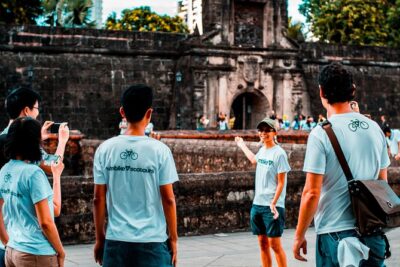
Experience Intramuros with Bamboo Bicycle – Ecotours
Read our review →Intramuros, Chinatown, and Old Manila Half-Day Tour
Read our review →
Manila Old and New: Sightseeing Tour Including Intramuros and Fort Santiago
Read our review →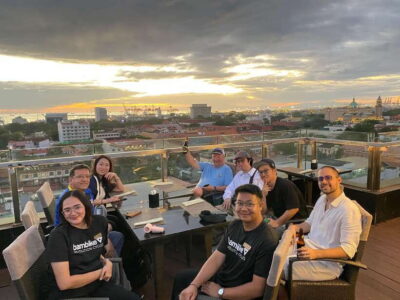
Explore Intramuros: Introduction to Philippine History
Read our review →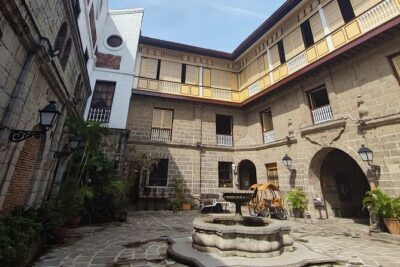
Experience Manila’s Heritage: Intramuros & More in Half a Day!
Read our review →Browse the lists this tour appears in