
Reviewed · INTRAMUROS WALKS
Manila: Intramuros, Chinatown, and Old Manila Half-Day Tour
Manila rewards curious feet. This three-hour tour links Tondo Market, Binondo, and Intramuros, giving you a quick look at the city’s daily life, Chinese-Filipino culture, and Spanish colonial past. I like the sharp contrast between the food stalls and alleys of Tondo and Binondo and the stone walls of Intramuros. I also like that the tour uses local transport such as tuk-tuks and jeepneys, adding a practical Manila touch rather than keeping you inside a tourist vehicle.
The main consideration is the pace. You have about one hour at each stop, and Manila traffic, crowds, heat, and uneven walking surfaces can make that feel short. Still, with a maximum of 15 people, an English-speaking guide, and a price of $75 per person, this is a useful choice if you want a compact introduction instead of committing to a full-day city tour.
In This Review
- Key points to know before booking
- Three Manilas in three hours
- Tondo Market: Manila at street level
- Binondo and Ongpin Street: food, faith, and old connections
- Intramuros: stone walls and the colonial past
- Why the guides matter here
- Local transport adds character, not luxury
- Is $75 a fair price?
- Who will enjoy this route most?
- Timing, weather, and cancellation details
- Final verdict: book it for range, not depth
- FAQ
- How long does the Manila tour last?
- Where does the tour begin?
- Where does the tour end?
- How many people can join the tour?
- What areas does the tour visit?
- Is admission included?
- What happens if the weather is poor?
Key points to know before booking
- Tondo opens the tour with everyday Manila: You begin at Tondo Market, where produce, seafood, and local food stalls show the city at work.
- Binondo is the cultural middle ground: Ongpin Street, Binondo Church, and Chinese-Filipino food give the second hour a different feel from both Tondo and Intramuros.
- Intramuros supplies the grand finish: Fort Santiago and Manila Cathedral bring you into Manila’s Spanish-era story.
- The tour is genuinely small: A maximum of 15 people makes it easier to hear the guide and ask questions.
- Guides are a major strength: Felix and Floyd receive repeated praise for being warm, clear, engaging, and easy to talk with.
- The price buys convenience and local context: At $75, it is not a bargain walking tour, but the combination of three districts, guiding, and local transport can make the cost worthwhile.
Three Manilas in three hours
This tour works because the three stops are not variations on the same theme. Tondo shows working-day Manila. Binondo brings Chinese-Filipino culture and food into focus. Intramuros turns toward forts, churches, walls, and the colonial period.
That range matters. If you explore only Intramuros, you may come away with a polished picture of the capital’s past but miss much of its present-day character. If you visit only markets and Chinatown, you may not understand the forces that shaped Old Manila. This route puts those pieces beside one another.
The tour begins in Tondo and ends at Fort Santiago in Intramuros. That direction gives the morning or afternoon a clear sense of movement, from crowded commercial streets toward the formal stone center of colonial Manila. You should expect walking, time in busy public areas, and some local transport. One past participant especially enjoyed the mix of walking, tuk-tuks, and jeepneys.
The group cap of 15 is useful here. In a market, a large group can split apart quickly, while a small group lets you stay close enough to hear explanations and follow the guide’s lead.
More Intramuros walks:
- Manila Old and New: Sightseeing Tour Including Intramuros and Fort Santiago
★ 4.5 · 377 reviews - Manila’s Walled City: Intramuros Walking Tour
★ 5.0 · 82 reviews - Express Bamboo Bike Tour inside Intramuros
★ 4.5 · 66 reviews
Tondo Market: Manila at street level
The first hour takes place in Tondo, where the market setting gives you a look at ordinary commerce rather than a staged cultural display. Your guide leads you through alleys lined with stalls selling fresh produce, seafood, and local delicacies.
This is the sort of stop where a guide adds real value. You can see the goods, but you may not know what is being sold, how the market functions, or which food is worth noticing. The guide can connect those details to local life and help you move through the area with more confidence.
Tondo is also a useful correction to the idea that Manila can be understood through monuments alone. The market is noisy, crowded, and practical. It is not designed for sightseeing, so you should dress for heat, wear comfortable shoes, and keep your belongings secure. The tour information calls for a moderate level of physical fitness, which is sensible given the walking and public-market setting.
The drawback is that one hour passes quickly. You will not get a complete tour of Tondo, and the market can feel intense if you prefer quiet streets and carefully arranged attractions. I would treat this stop as an introduction to the city’s daily rhythm, not a leisurely food tour.
Binondo and Ongpin Street: food, faith, and old connections
The second hour moves into Binondo, described as the world’s oldest Chinatown, established in 1594. Its long Chinese-Filipino connection gives this part of Manila a character that is distinct from both Tondo and Intramuros.
Ongpin Street is the main focus. Expect a busy street scene with food, shops, and local activity. The appeal is not simply that Binondo is old. It is that the district shows how Chinese and Filipino traditions have developed side by side over centuries.
Binondo Church is another important stop. Its presence adds a religious and architectural layer to the food and commerce around Ongpin Street. The route also includes the Filipino-Chinese Friendship Arch, another visible reminder of the district’s shared identity.
I like this middle section because it keeps the tour from becoming a simple Spanish-colonial sightseeing trip. You get a sense of Manila as a meeting place shaped by several cultures. If you are interested in food, this is likely to be one of the most enjoyable hours, though the available details do not promise a specific tasting menu or included meal.
Admission for Binondo is listed as not included. That wording matters because you should not assume every possible interior visit or paid attraction is covered by the $75 price. The tour does not specify extra admission costs, so check the details at booking if entering a particular site is important to you.
As in Tondo, the pace can be brisk. One hour allows for an introduction to Ongpin Street and key landmarks, but not a full exploration of every restaurant, shop, and side street. I would avoid planning a separate reservation immediately afterward unless you have allowed extra time for Manila traffic and the tour’s finish.
Intramuros: stone walls and the colonial past
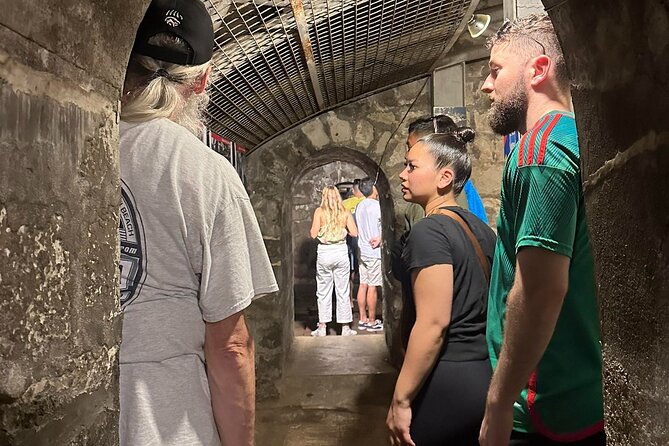
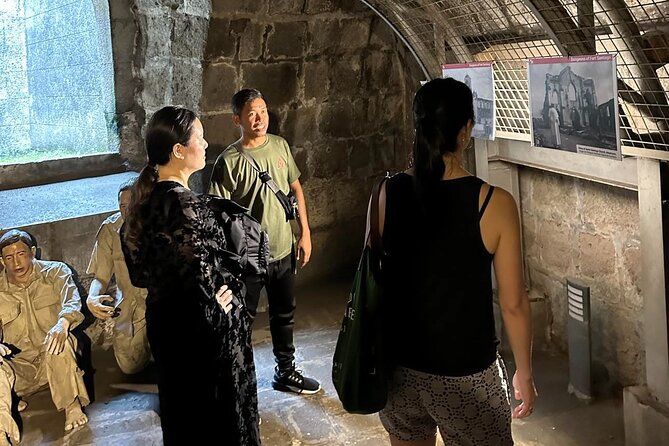
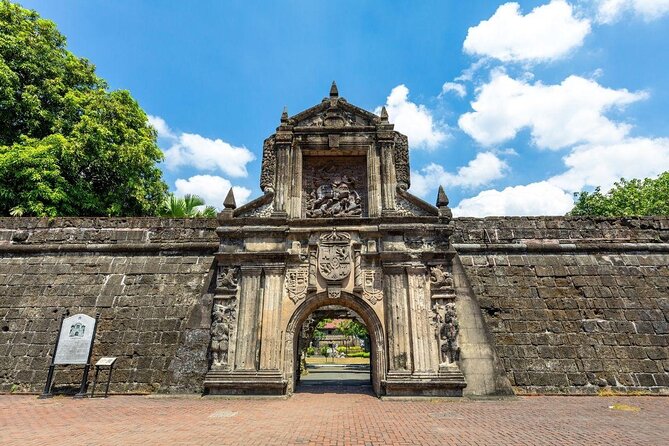
The final hour takes you into Intramuros, Manila’s old walled city. This is the most familiar sightseeing setting on the route, with Spanish-era architecture and major landmarks such as Fort Santiago and Manila Cathedral.
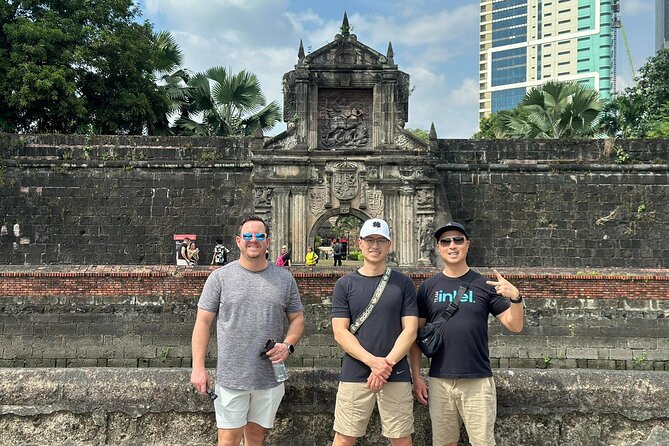
Fort Santiago is also the endpoint at Intramuros, so the tour finishes in a place that is easy to identify on a map. The fort gives the closing section a strong historical focus. You can expect the guide to explain the colonial period and connect the surviving structures with Manila’s larger story.
Manila Cathedral provides a different architectural point of interest. Together, the cathedral and fort show how religion, government, defense, and colonial power shaped the old city. After the markets of Tondo and the commercial streets of Binondo, the change is striking.
The itinerary lists admission as free for the Intramuros stop, while the Binondo stop says admission is not included. That makes the final hour easier to budget, though you should still confirm what is included if you want to enter specific paid areas.
An hour is enough for a guided overview, but it will not cover every corner of Intramuros. If Fort Santiago is your main reason for booking, you may want to return on your own for more time. The tour is best viewed as a well-paced introduction that helps you decide which part deserves a longer visit.
A few more Luzon days worth comparing
- Manila Filipino Cooking Class: Meryenda Favorites
★ 5.0 · 80 reviews - Batad Guided Tour
★ 5.0 · 78 reviews - Manila Super Saver: Manila Sightseeing plus Tagaytay Tour with Taal Volcano
★ 4.0 · 75 reviews - PanoramicTagaytay Ridge Tour from Manila
★ 4.0 · 52 reviews
Why the guides matter here
The strongest part of this experience appears to be the guide service. The available feedback repeatedly praises guides for clear English, patience, warmth, and a genuine affection for the Philippines.
Felix is described as easygoing, personable, and able to make a one-on-one tour feel relaxed and engaging. Floyd is also praised several times for making the tour informative and fun. The provider’s responses use Floyd’s name in several places, while one account identifies Felix, so you should not assume which guide will lead your departure.
That uncertainty does not weaken the larger point. The tour depends on human explanation. Tondo and Binondo can be confusing without context, while Intramuros can become a quick photo stop if nobody connects the buildings to Manila’s past. A good guide turns the route into a story about people, trade, faith, and political power.
The English-language ability is another practical advantage. Clear communication matters when you are walking through crowded streets or shifting between transport types. The small group limit should also make it easier to ask about food, buildings, or local customs without holding up a large crowd.
Local transport adds character, not luxury
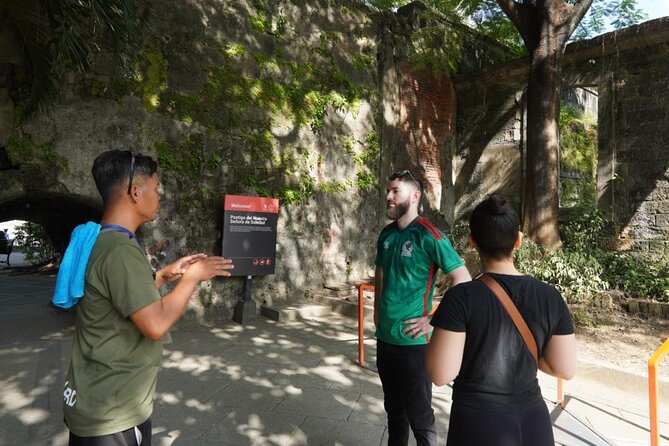
The tour includes a mix of walking, tuk-tuks, and jeepneys according to one detailed account. That is a positive if you want to see how people move around Manila, rather than treating the city as a series of disconnected attractions.
You should not book this expecting a polished, air-conditioned ride from door to door. Local transport can be busy and less predictable. That is part of the experience, but it can also add heat, noise, waiting, and physical effort.
The tour description also notes that the meeting point is near public transportation. The start is in Tondo, and the finish is at Fort Santiago in Intramuros. Since the tour does not end where it starts, you should plan your onward journey from Intramuros rather than assuming a return transfer is provided.
The route’s transportation mix helps explain the price. You are paying for more than a guide walking you around one historic district. You are getting a compact route across three parts of Manila, with the provider organizing the movement between them.
Is $75 a fair price?
At $75 per person, this is a midrange half-day experience rather than a low-cost city walk. The value depends on what you want from your time in Manila.
I think the price is reasonable if you are visiting for the first time, have only a few hours, or would rather have a local guide manage the route. Tondo, Binondo, and Intramuros are very different areas, and seeing them in one organized outing saves planning time.
The value is also stronger for solo visitors. One person received a one-on-one tour, which can make the price feel more worthwhile if the group happens to be small. A private-feeling experience can give you more chances to ask questions and adjust the discussion to your interests.
For a group of 15, the experience may feel less personal, though the cap is still modest. If you are mainly interested in spending several hours inside Fort Santiago or eating your way through Binondo, you may get better value by arranging a more focused visit. This tour trades depth for range.
The price does not appear to include a meal, and Binondo admission is listed as not included. Keep those points in mind when comparing it with other options. The tour provides context and organization, not an all-inclusive food package.
Who will enjoy this route most?
I would recommend it to a first-time Manila visitor who wants a fast but meaningful orientation. It suits anyone who wants history, food culture, local streets, and public transport in the same outing.
It is also a good fit for a solo visitor. The guide can make the experience feel more social, and the small group limit reduces the risk of being lost in a crowd. History fans will appreciate Intramuros and Fort Santiago, while food lovers will likely prefer the Tondo and Binondo sections.
You should think twice if you dislike crowds, have limited walking ability, or want a slow photographic tour. The moderate fitness recommendation is important. Market alleys, city streets, and transport changes require a reasonable level of energy.
The route may also feel too compressed for repeat visitors who already know Manila. In that case, a focused tour of Intramuros or a longer food-centered visit to Binondo could give you more time in the places that interest you most.
Timing, weather, and cancellation details
The tour lasts about three hours, with roughly one hour at each stop. Because it requires good weather, poor conditions can lead to a different date or a full refund.
You can cancel for a full refund up to 24 hours before the start time. Cancellations or changes made within 24 hours are not refunded or accepted, and the cut-off uses local Manila time.
Confirmation arrives when you book, and the experience is offered with a mobile ticket. Those details make it easy to keep the booking on your phone, but you should still arrive ready for walking and outdoor conditions.
Final verdict: book it for range, not depth
I would book this tour if I wanted a compact introduction to Manila that went beyond the usual postcard stops. The combination of Tondo Market, Binondo, and Intramuros gives you three useful angles on the city, and the praised guides appear to be the reason the route works so well.
Book it especially if you have limited time, prefer a small group, or want help handling local streets and transport. Skip it if you want a slow, detailed visit to one site, a full meal-based food tour, or a quiet museum-style outing.
The best way to think about the $75 cost is as payment for orientation, local explanation, and efficient coverage. You will not see everything in three hours, but you should finish knowing which side of Manila you want to explore next.
FAQ
How long does the Manila tour last?
The tour lasts approximately three hours, with about one hour allocated to Tondo Market, one hour to Binondo, and one hour to Intramuros.
Where does the tour begin?
The tour begins in Tondo, Manila, in Metro Manila, Philippines.
Where does the tour end?
The tour ends at Fort Santiago in Intramuros, Manila.
How many people can join the tour?
The tour has a maximum group size of 15 people.
What areas does the tour visit?
The route includes Tondo Market, Binondo Chinatown, and Intramuros.
Is admission included?
Admission is listed as free for Tondo Market and Intramuros. Admission for the Binondo stop is listed as not included.
What happens if the weather is poor?
The experience requires good weather. If it is canceled because of poor weather, you will be offered another date or a full refund.
Just added in Luzon
- Private Filipino Cooking Class in the Heart of Manila,Makati City★ 5.0 · 5 reviews
- Villa Escudero Tour with Lunch From Manila (SHARED)★ 5.0 · 5 reviews
- Villa Escudero Coconut Plantation Day Trip from Manila★ 3.5 · 9 reviews
- Skip the Line: Villa Escudero Plantation & Resort Day Pass Ticket★ 4.5 · 11 reviews
- VILLA ESCUDERO DAY TOUR with Carabao Cart Ride and Bamboo from Manila★ 4.0 · 6 reviews
- Tagaytay Day Tour From Manila★ 5.0 · 1 review
- The Jeepney & Tuk Tuk Adventure ride with Local Guide★ 4.5 · 4 reviews
- Pagsanjan Falls Adventure with Lunch and Rapids Experience★ 4.5 · 3 reviews
Intramuros Walks, compared.

Intramuros, Manila: Historical Bamboo Bike Tour
Read our review →
Experience Intramuros with Bamboo Bicycle – Ecotours
Read our review →Intramuros, Chinatown, and Old Manila Half-Day Tour
Read our review →
Manila Old and New: Sightseeing Tour Including Intramuros and Fort Santiago
Read our review →

Explore Intramuros: Introduction to Philippine History
Read our review →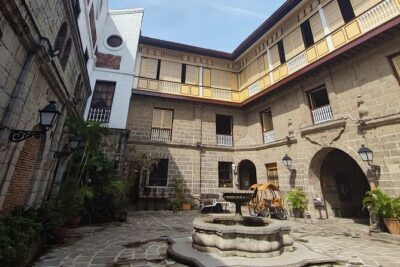
Experience Manila’s Heritage: Intramuros & More in Half a Day!
Read our review →Browse the lists this tour appears in