
Reviewed · INTRAMUROS WALKS
Manila: Intramuros Walking Tour.
Manila’s past is written in stone. This 2.5 to 3-hour Intramuros walk brings Spanish colonial buildings, wartime suffering, and Filipino family stories into one compact outing. I especially like the opening history briefing and the chance to visit Fort Santiago, Manila Cathedral, San Agustin Church, and Casa Manila with an English-speaking local guide. The short ride on a three-wheeled Lamborghini bike adds a bit of fun without asking you to do the pedaling. The main drawback is value: at $54 per person, this costs more than a basic walking tour, and one recent guest found the outing shorter than the advertised three hours.
You meet your guide at Figaro Cafe in Intramuros, not at your hotel, so allow time to reach the walled district. Guides such as Mari, Tess, Tessie, and Victor have been praised for clear explanations, personal stories, patient answers, and help with photos or arranging a Grab afterward. The experience is best for first-time visitors, stopover guests, and anyone who wants history explained in a warm, local voice rather than simply pointed out.
In This Review
- Key points at a glance
- Starting with the story of Intramuros
- Fort Santiago and the darkest years
- Manila Cathedral and the Spanish imprint
- San Agustin Church, the survivor
- Casa Manila and colonial home life
- The three-wheeled Lamborghini bike
- Halo-halo after the walking
- Guides who make the difference
- Is $54 a fair price?
- Practical preparation for a hot walking tour
- Who should book this Intramuros walk?
- FAQ
- Where does the Intramuros walking tour meet?
- How long does the tour last?
- What places are visited?
- Is the Lamborghini bike difficult to ride?
- Are entrance fees included?
- Is the tour available on Mondays?
- Is the tour suitable for wheelchair users?
- Should you book it?
Key points at a glance
- A personal history lesson comes first: The guide may begin with a broad explanation of Philippine history before you start walking, which helps connect each building to the larger story.
- Fort Santiago brings the difficult chapters forward: Expect attention to the Battle of Manila and the suffering that took place inside Intramuros.
- San Agustin Church is the surviving church: It is the only one left of seven churches built in Intramuros from 1571 onward.
- Casa Manila shows colonial domestic life: This recreated Spanish colonial mansion gives you a look at interiors and customs rather than military history alone.
- The Lamborghini bike is a short, easy ride: It is a three-wheeled pedal vehicle, but a driver does the work for you.
- Halo-halo finishes the walk: A Filipino dessert stop offers a cool, local reward after time outdoors.
Starting with the story of Intramuros
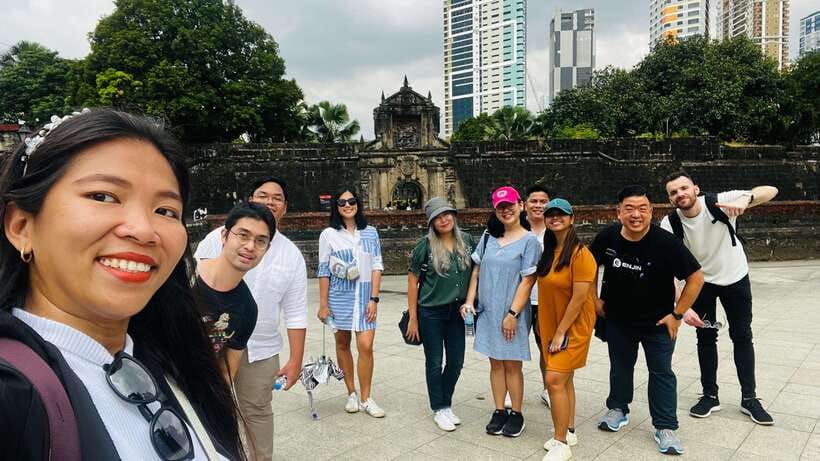
The tour begins at Figaro Cafe, where you meet the guide and set out on foot. The exact order can vary, but the experience is designed to explain Intramuros as more than a group of old walls and churches.
I like the reported use of an opening briefing. A short lesson on the country’s past gives you a frame for the sights ahead. Without that context, Spanish architecture can seem decorative and disconnected. With it, you can better understand how colonial rule, Filipino identity, religion, war, and modern Manila meet inside this compact district.
The tour covers roughly 500 years of change. That is a lot to handle in three hours, so you should expect a broad, selective account rather than a full academic treatment. One guest wished the tour were longer because there was so much more to learn. That is a fair point. The guide has to keep moving, answer questions, and make the history usable for someone with limited time.
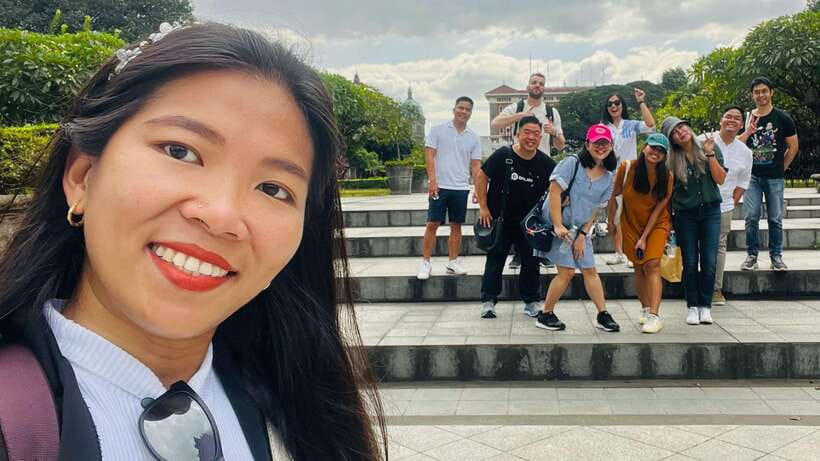
The strongest part is the human scale. Mari has been praised for sharing Filipino customs and stories from growing up near the area. Tess has also been appreciated for connecting major events with her own feelings and family experiences. Those touches can make painful subjects easier to understand without turning the tour into a dry lecture.
More Intramuros walks:
- Intramuros, Manila: Historical Bamboo Bike Tour
★ 4.8 · 583 reviews - Experience Intramuros with Bamboo Bicycle – Ecotours
★ 5.0 · 508 reviews - Manila: Intramuros, Chinatown, and Old Manila Half-Day Tour
★ 4.8 · 475 reviews
Fort Santiago and the darkest years
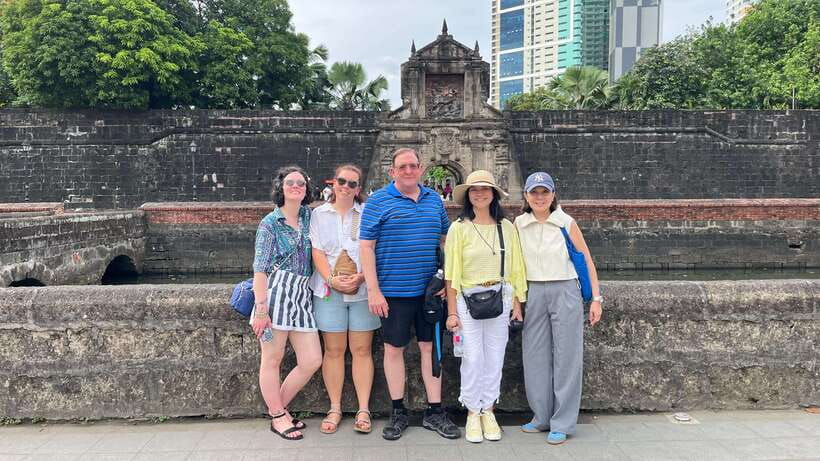
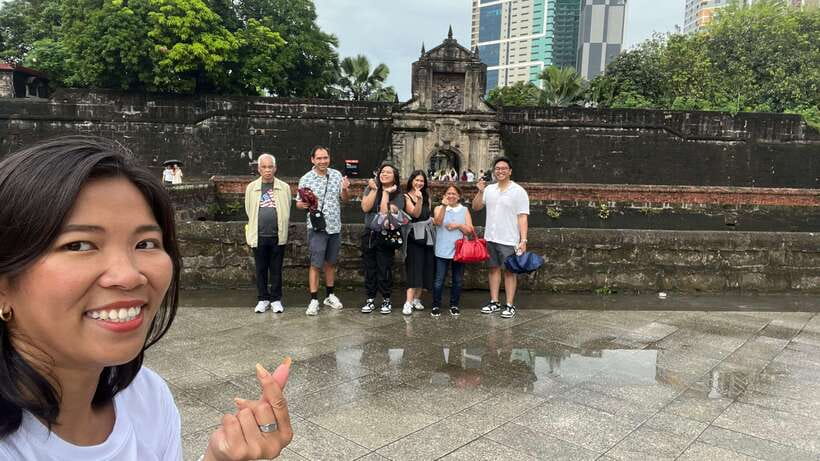
Fort Santiago is the emotional center of the experience. Built by the Spanish as part of the defensive system of Intramuros, it represents military power, colonial control, and the long changes that shaped Manila.
Here, the guide focuses on both the proud and painful chapters of the site’s past. You learn about what happened inside Intramuros during the Battle of Manila and the violence that affected the walled city and its people. This is not a tour that treats the fort as a pretty photo stop only.
The wartime story matters because it explains why Intramuros is not simply an untouched Spanish quarter. Its surviving buildings exist alongside loss, destruction, rebuilding, and memory. A good guide helps you see the difference between colonial-era architecture and the later events that changed the district.
This is also where your guide’s style matters most. Several guides have been praised for answering questions patiently and repeating explanations when needed. That is useful because Philippine history includes unfamiliar names, shifting political powers, and several periods of foreign rule. You are encouraged to ask questions rather than simply follow along.
The walking route through the alleys and streets gives you a sense of the district’s scale. You are not viewing Intramuros from a bus window. You are moving through the lanes, seeing the walls at street level, and getting a closer look at how historic sites sit beside modern city life.
Manila Cathedral and the Spanish imprint
Manila Cathedral is one of the major stops on the route. Its presence helps explain the role of Catholicism in Philippine culture and the way Spanish influence shaped the city.
The cathedral is also useful as a contrast to Fort Santiago. The fort tells a story of defense and imprisonment, while the cathedral points to worship, public life, and the lasting place of the church in Filipino society. Your guide connects the buildings to the wider story of Manila, rather than treating each stop as an isolated monument.
You should dress for the heat and for the church visit. The tour recommends comfortable clothing, but inside the church your shoulders should be covered. Comfortable shoes are important because you will spend much of the outing walking on historic streets, and you should bring sunscreen, a hat, sunglasses, and water even though one bottle is included.
The route is manageable for many people, but this is still an outdoor walking tour in Manila. Heat, sun, and uneven historic surfaces can affect your pace. The experience is not suitable for wheelchair users, so anyone with mobility concerns should consider that before booking.
San Agustin Church, the survivor
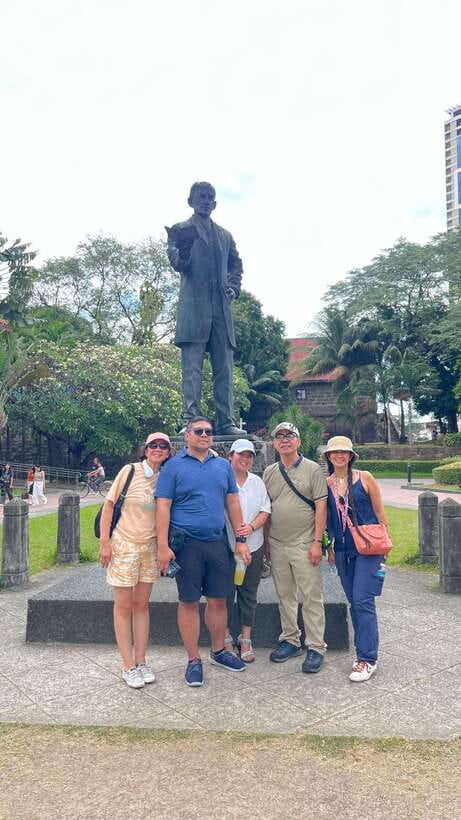
San Agustin Church offers one of the most meaningful stops on the tour. It is described as the only surviving church among seven churches built in Intramuros from 1571 onward.
That fact gives the building special weight. You are not just entering an old church. You are seeing the last survivor of a larger religious district that once contained several churches. The guide can use the site to explain both Spanish-era Catholic influence and the way war and time altered Intramuros.
The church visit also adds a quieter change of pace after the fort. You move from military history to a place of worship and art. The setting gives you time to notice architectural details while the guide explains why this church remains important.
Monday is a key scheduling issue. Casa Manila and San Agustin Church are closed every Monday, so the tour will not offer the full advertised sequence on that day. If these two places are central to your plans, choose another day.
Modest clothing is required inside the church. Cover your shoulders and choose an outfit that is both respectful and practical for a warm walking tour. This small bit of preparation prevents an awkward interruption at the entrance.
More Walking Tours in Manila:
- Manila: Street Food and Drinks Walking Tour with Tastings
★ 4.8 · 114 reviews - Viva Old Manila: Intramuros Walking Tour
★ 4.9 · 104 reviews - Manila’s Walled City: Intramuros Walking Tour
★ 5.0 · 82 reviews - Manila: Sightseeing and Food Walking Tour with Tastings
★ 4.7 · 68 reviews
Casa Manila and colonial home life
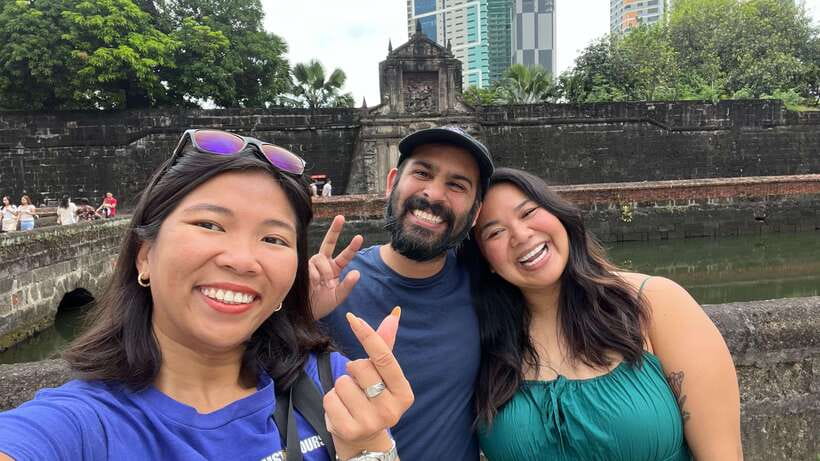
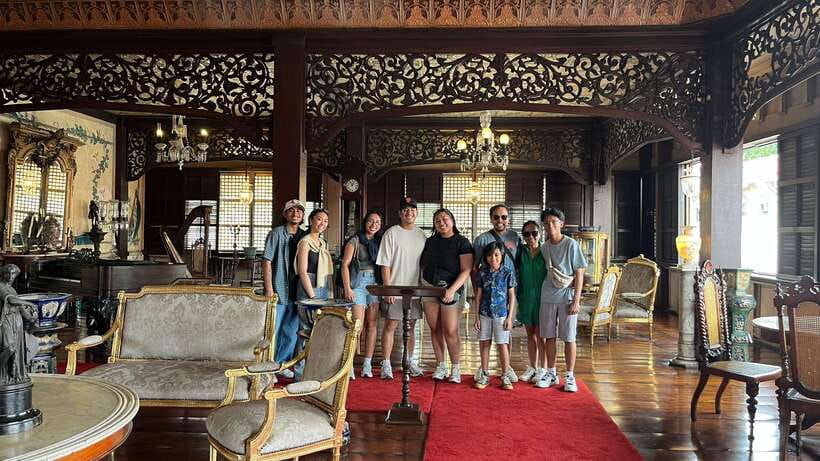
Casa Manila is a replica of a Spanish colonial mansion. After Fort Santiago and the church, it changes the focus from public power and religion to domestic life.
I find this sort of stop valuable because grand churches and forts can tell only part of the story. A recreated home lets you think about furniture, rooms, household arrangements, and the way Spanish customs influenced life in the Philippines. It is not an original family home in the same sense as an untouched residence, so you should see it as an interpretation of colonial domestic life.
The replica also helps you compare official history with everyday experience. A fort shows how authorities defended and controlled the city. A church shows the power of religion. Casa Manila asks you to imagine how people lived within that system.
Again, Monday matters. Casa Manila is closed then, along with San Agustin Church. You should also keep your expectations realistic about timing. The tour is compact, and Casa Manila is one of several major stops rather than a long museum visit with time for every room.
The three-wheeled Lamborghini bike
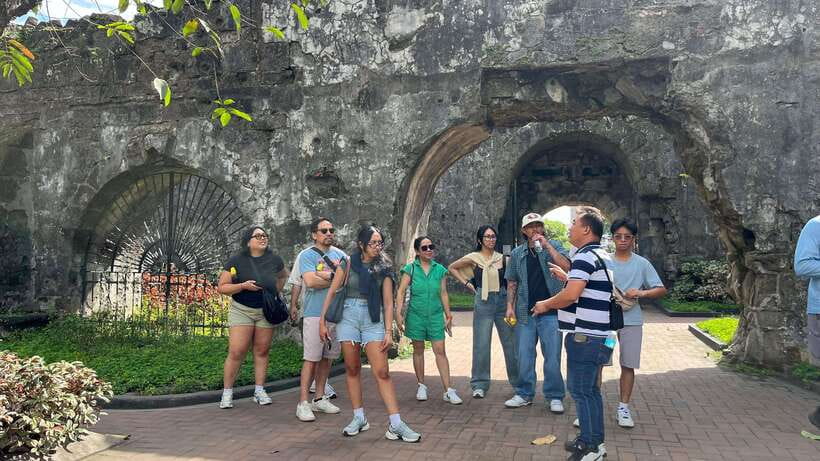
The tour includes a short ride on what is called a Lamborghini bike. The name sounds grander than the vehicle itself. In plain English, it is a three-wheeled paddle bike, and you do not need to pedal because someone else operates it.
This is a brief local transport experience, not a major part of the historical program. I like it as a change from walking, particularly for a first visit to Intramuros. It gives you a glimpse of the way visitors can move through the walled district and adds a light moment to a tour that includes serious wartime history.
Do not book this experience expecting a long cycling excursion. The ride is specifically described as short. Its value is novelty and convenience, not exercise or transport across Manila.
The bike is also included in the $54 price, along with entry fees, a live guide, and a water bottle. That bundled approach helps if you do not want to handle small payments at every stop. One guest particularly appreciated having the admissions and transport covered during a Manila layover.
Halo-halo after the walking
The suggested final treat is halo-halo, a famous Filipino dessert made with mixed ingredients, ice, and sweet toppings. It is a fitting finish after walking in the heat.
The dessert is not listed as part of the standard inclusions, so clarify whether you are paying for it separately. The information describes it as a recommendation and a guest-provided treat, while the official inclusions list only the guide, bike, entry fee, and water.
Still, this small food moment adds something the monuments cannot. You get to try a Filipino favorite while hearing about local customs and daily life. Several guests valued the cultural side of the tour as much as the buildings, and halo-halo gives that side a simple, tasty expression.
If you are new to Filipino food, ask your guide what is in the serving and how locals usually enjoy it. That turns a quick dessert stop into a chance to ask about food, family habits, and Filipino culture.
Guides who make the difference
The quality of this tour depends heavily on the person leading it. The strongest praise has gone to Mari and Tess, but Tessie, Victor, Miri, and other guides have also been singled out for warmth, clear English, good humor, and strong command of local history.
Mari appears especially suited to visitors who want more than dates and building names. She has been praised for personal stories, childhood memories, photos, and practical help. She has even helped guests recover a phone left in a Grab car or find a safe ride after the tour. Those favors are not guaranteed parts of the itinerary, but they show the kind of personal attention you may receive.
Tess has been praised for turning the walk into a personal experience, including one occasion when a solo guest received what felt like a private tour. Another guide helped a nervous first-time visitor feel comfortable and offered advice on other places to visit in Manila.
The small-group limit is 10 people, though some departures may have only one or two participants. That matters because a small group makes it easier to ask questions, pause for photos, and hear the guide in busy surroundings. It also means the character of your particular guide can shape the day more than on a large bus tour.
Is $54 a fair price?
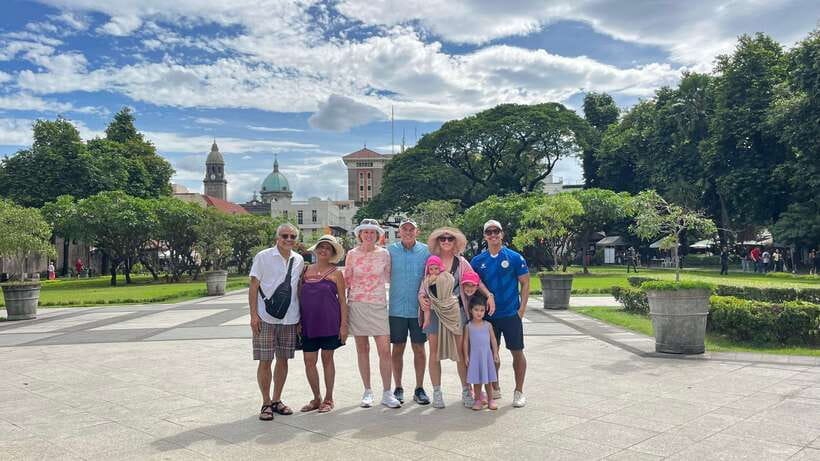
At $54 per person, this is not the cheapest way to see Intramuros. You are paying for a live English guide, entrance fees, the Lamborghini bike, and water, plus the convenience of having the main sights organized into one route.
The price makes more sense if you have a short stop in Manila and want one efficient historical outing. Cruise passengers and people with a 12-hour layover have found this format useful because it combines orientation, major sights, and local explanation without requiring you to plan every stop yourself.
The value is less obvious if you prefer to walk independently or want long visits at each attraction. The tour covers a great deal in 2.5 to 3 hours, and one guest felt the actual outing was shorter than expected. If you want time for detailed museum viewing, extended photography, or a slow lunch, you may find the schedule tight.
I would also allow extra time beyond the listed duration if you have a flight to catch. The walking itself may fit the schedule, but getting to and from Intramuros can take longer than expected. Do not plan an airport transfer immediately after the advertised end time.
Practical preparation for a hot walking tour
Meet at Figaro Cafe in Intramuros 10 to 15 minutes before the start. Pickup and drop-off are not included, so you arrange your own way to the meeting point and your onward transport.
Wear shoes you can comfortably walk in for several hours. Bring sunglasses, a sun hat, sunscreen, extra water, and light clothing that still covers your shoulders for the church visit.
The tour is offered in English and uses a small-group format. It includes free cancellation up to 24 hours before the activity for a full refund, and you can reserve now and pay later. Those terms are helpful if your Manila schedule depends on a flight, cruise arrival, or changing stopover plans.
The summary gives the location as Nueva Vizcaya, while the meeting point and all described sights are in Intramuros, Manila. Because of that mismatch, confirm the meeting location carefully when booking. The practical information clearly points to Figaro Cafe in Intramuros.
Who should book this Intramuros walk?
I would choose this tour if you are visiting Manila for the first time, have limited time, or want a Filipino guide to explain the meaning behind the buildings. It is especially useful for solo visitors who appreciate help with photos, local suggestions, and onward transport.
It also suits history-minded families and small groups who prefer conversation to a large scripted presentation. The subject matter includes war, colonial rule, religion, and suffering, so it is not just a light sightseeing stroll.
I would think twice if you need wheelchair access, dislike heat, or want a slow, highly detailed museum visit. Monday is also a poor choice if San Agustin Church and Casa Manila are priorities.
FAQ
Where does the Intramuros walking tour meet?
You meet your guide at Figaro Cafe in Intramuros. Hotel pickup and drop-off are not included.
How long does the tour last?
The stated duration is 2.5 to 3 hours. One guest found the actual experience shorter than expected, so allow extra time if you have a flight or other fixed appointment.
What places are visited?
The tour visits Fort Santiago, Manila Cathedral, San Agustin Church, and Casa Manila. It also includes a short ride on a three-wheeled Lamborghini bike.
Is the Lamborghini bike difficult to ride?
No. The bike is a three-wheeled paddle vehicle, but someone else pedals it for you. The ride is short.
Are entrance fees included?
Yes. Entry fees, the live English-speaking guide, the Lamborghini bike, and one water bottle are included.
Is the tour available on Mondays?
Casa Manila and San Agustin Church are closed every Monday. Choose another day if you want to visit both sites.
Is the tour suitable for wheelchair users?
No. The experience is listed as unsuitable for wheelchair users.
Should you book it?
Book this Intramuros tour if you want a friendly local guide, a clear introduction to Philippine history, and the main sights handled in one short outing. Its best features are the personal storytelling, small groups, included admissions, and the chance to connect Fort Santiago and the churches with Filipino life today.
At $54, it is a convenience purchase rather than a budget walk. Confirm the Manila meeting point, avoid Monday, wear sensible shoes, and leave more time than the official duration if you have a departure to catch. If those details fit your plans, this is a strong first look at Intramuros, especially for a stopover or first visit to Manila.
Just added in Manila
- Underground River with Lunch★ 3.6 · 5 reviews
- Manila Night market and Street Food Tour★ 5.0 · 2 reviews
- Cruise Shore Excursion of Taal Volcano with Lunch★ 4.5 · 4 reviews
- Ultimate 8-Day Palawan Island Tour Package from Manila City★ 5.0 · 1 review
- Unforgettable Manila Fishing Village Day Excursion 2024★ 5.0 · 4 reviews
- Tagaytay + Hidden Valley Springs: A Scenic Escape w/ Transfers★ 4.0 · 4 reviews
- Tagaytay Day Tour sightseeing with Panoramic Taal volcano view★ 5.0 · 6 reviews
- 3 Days Private Tour in Banaue Ifugao visiting Batad Rice Terraces★ 3.5 · 3 reviews
Intramuros Walks, compared.
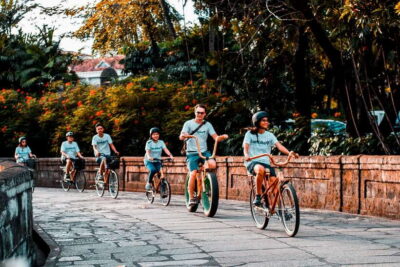
Intramuros, Manila: Historical Bamboo Bike Tour
Read our review →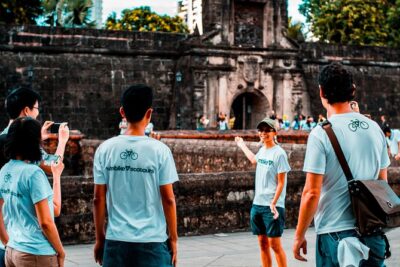
Experience Intramuros with Bamboo Bicycle – Ecotours
Read our review →Intramuros, Chinatown, and Old Manila Half-Day Tour
Read our review →
Manila Old and New: Sightseeing Tour Including Intramuros and Fort Santiago
Read our review →

Explore Intramuros: Introduction to Philippine History
Read our review →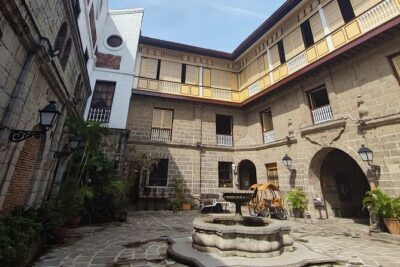
Experience Manila’s Heritage: Intramuros & More in Half a Day!
Read our review →Browse the lists this tour appears in