
Reviewed · FOOD & DRINK
Manila Street food and Night Market Tour
Come hungry and stay curious. This two-hour Manila food tour takes you from Tutuban Night Market through Divisoria and Binondo, then finishes beside the Pasig River. I like the mix of local food tasting and market wandering, and I also like that you get short rides in a tuktuk or jeepney instead of walking the whole route.
The guide is the key to making sense of Manila’s fast-moving streets. Floyd and Venus receive especially strong praise for being kind, patient, funny, and careful with first-time visitors. The main drawback is the tight schedule: four areas in two hours means quick stops, and picky eaters may find some of the food challenging.
In This Review
- Key points to know before booking
- Why this two-hour route works
- Meeting at Tutuban Center
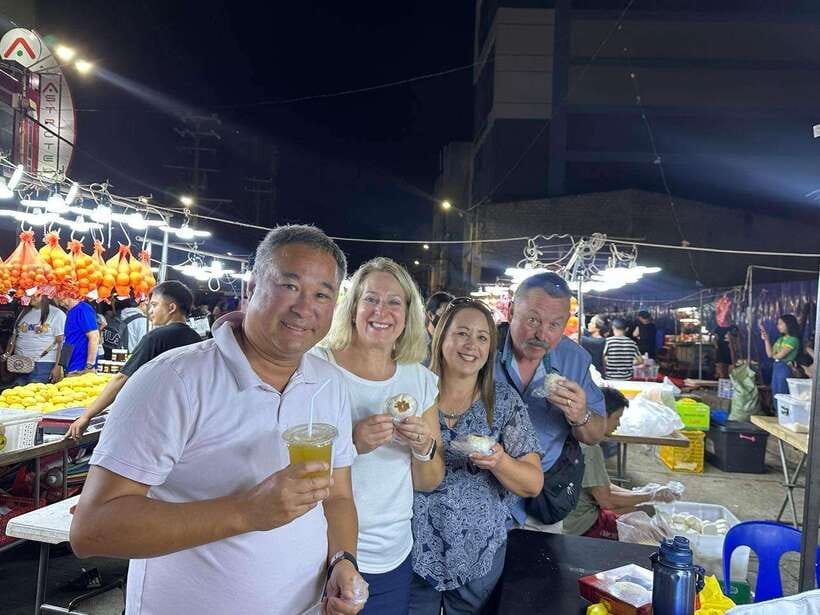
- Tutuban Night Market and the first bites
- Ilaya Street in Divisoria
- A short ride through Manila
- Binondo Chinatown and Chinese-Filipino food
- Pasig Esplanade and the change of pace
- What the guides add to the experience
- Food comfort, allergies, and the open-minded eater
- Timing, walking, and practical value
- Who should book this Manila food tour?
- Should you book it?
- FAQ
- How long is the Manila street food tour?
- Where does the tour start?
- Where does the tour finish?
- Which neighborhoods and areas does the tour visit?
- What food can I expect to try?
- Is transportation included?
- Is the tour conducted in English?
- Should I tell the operator about food allergies?
- Can I cancel or pay later?
Key points to know before booking
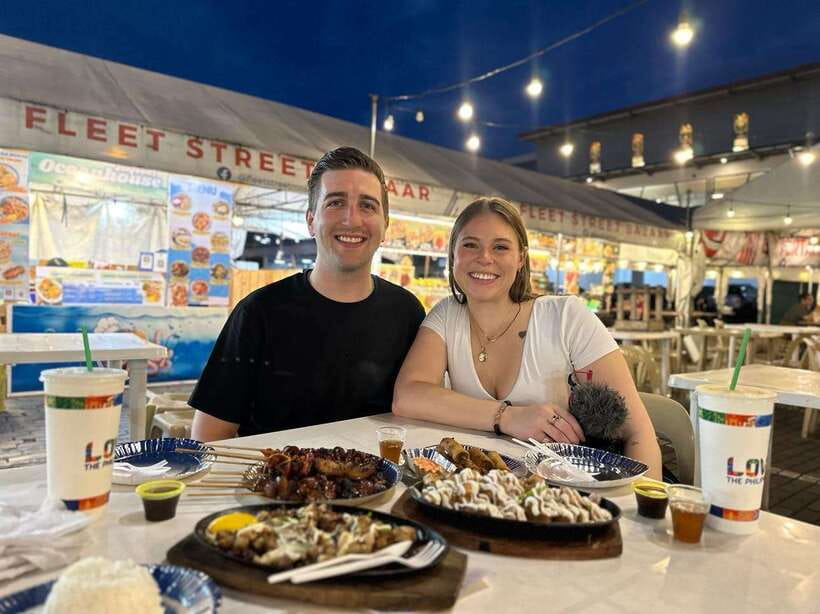
- Tutuban starts the food story: Try Filipino snacks such as isaw, balut, and kwek-kwek in a busy night market setting.
- Divisoria shows everyday Manila: Ilaya Street mixes low-cost shopping with taho and banana cue.
- Binondo adds Chinese-Filipino flavor: Look for siopao, dumplings, and bakery treats in Manila’s Chinatown.
- Short rides save your feet: A tuktuk or jeepney ride is included, adding a distinctly local touch.
- Floyd and Venus are the tour’s strength: Both guides are praised for their care, humor, food knowledge, and calm handling of busy streets.
- The tour suits open-minded eaters: Tell the guide about allergies, and expect some dishes to be unfamiliar.
Why this two-hour route works
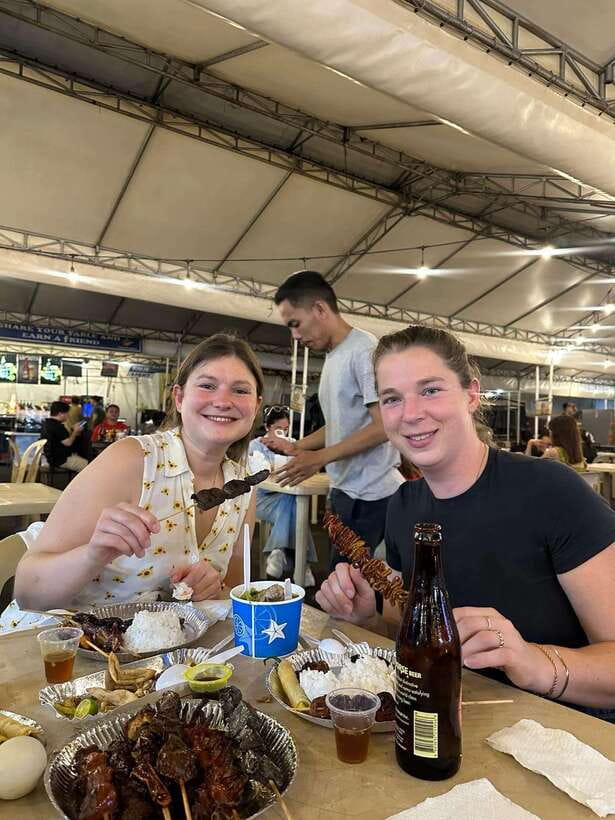
Manila can feel like several cities at once. Shopping lanes, old market streets, Chinese-Filipino food, traffic, pedestrians, and riverside lights all crowd into a small area. This tour gives you a quick introduction without asking you to plan every turn yourself.
I like the route because it does not treat street food as a tidy row of restaurant stops. You move through working markets where people shop, eat, commute, and trade. That makes the food more meaningful, though it also means noise, crowds, uneven pacing, and a fair bit of sensory overload.
The tour is priced at $68 per person. That is not cheap for a two-hour food outing in the Philippines, so the value depends on what you want. You are paying for an English-speaking guide, food guidance, photography, local transport, and the confidence to enter busy areas that can be confusing on your own.
If you already know Manila well, you may prefer to spend the same money on a longer meal or several independent market visits. If this is your first taste of the city, the guide can make the price easier to justify. The biggest benefit is not simply the snacks. It is knowing what to try, how to order, and how to move through the markets without constantly stopping to work out what comes next.
More Evening Tours in Manila
- Manila: Guided Sunset Bamboo Bike Tour in Intramuros
★ 4.8 · 119 reviews - Manila by Night: Discovering City Highlights with Intramuros
★ 4.5 · 70 reviews - Manila: Guided Night Market Experience
★ 5.0 · 54 reviews
Meeting at Tutuban Center
The tour begins at Tutuban Center, with meeting information also referring to Bonifacio Monument and Tutuban Center Mall. That wording deserves attention. Before setting out, confirm the exact meeting spot with the operator at 09980864564 on WhatsApp, especially if you are unfamiliar with the area.
Tutuban is a lively place to begin. The first 30 minutes introduce you to Manila’s street food culture while the market is active. You will get a quick look at stalls, shoppers, and cooking setups before sampling several Filipino favorites.
This is a good point to tell your guide about food allergies. You should also say if you do not eat certain meats or have concerns about unfamiliar ingredients. The tour is built around tasting, but you do not need to pretend that every dish is comfortable for you.
Your guide may be Floyd or Venus. The strongest praise for both focuses on personal care rather than simple fact delivery. Floyd is described as funny, patient, reassuring, and good at helping solo visitors feel at ease. Venus is praised for her calm, professional manner and her ability to explain Manila’s food and daily life.
Tutuban Night Market and the first bites
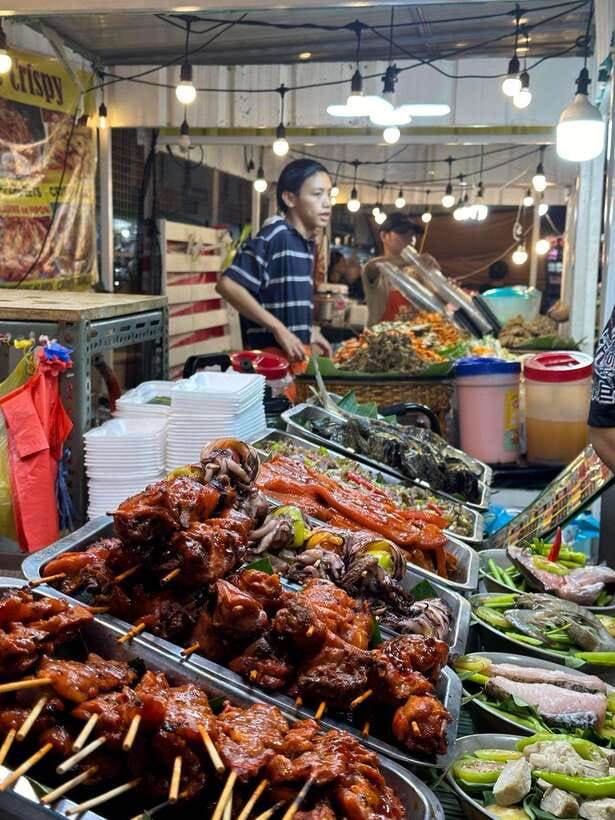
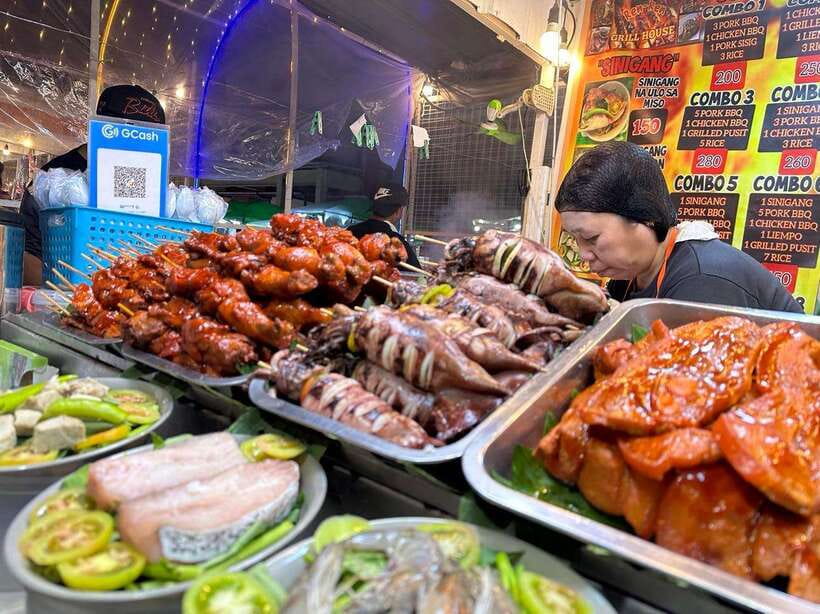
Tutuban gives you the most direct introduction to street food. The suggested tastings include isaw, grilled chicken or pork intestines, balut, a fertilized duck egg, and kwek-kwek, battered quail eggs with a crisp orange coating.
These foods are not chosen to make the tour easy. They show how Filipinos enjoy inexpensive, filling snacks with strong textures and flavors. Kwek-kwek is likely to be the gentlest starting point for cautious eaters. Isaw and balut ask more of you, particularly if you are not used to eating offal or egg dishes in this form.
Your guide’s help matters here. You can learn how to order, how a food is usually eaten, and which items are worth trying first. That turns a nervous guess into a small act of participation.
The market can be crowded and noisy. Keep your belongings close, stay with the guide, and wear shoes you can walk in comfortably. This is a walking tour, not a polished food hall visit, so be ready for a little grime and plenty of movement.
Photography is included. That is useful in a market where your hands may be occupied with food, phone, bag, or payment. Ask before photographing individual vendors, and let the guide handle the pace while you look around.
Ilaya Street in Divisoria
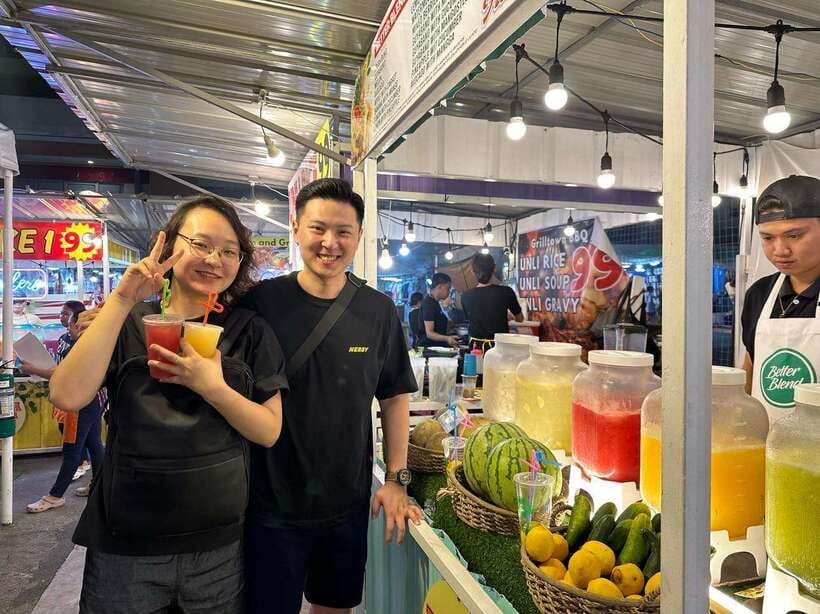
After Tutuban, the tour moves to Ilaya Street in Divisoria for about 20 minutes. This is a short stop, but it changes the mood. Instead of focusing only on prepared food, you get a look at a crowded street market filled with affordable goods and colorful stalls.
The food here includes taho, soft silken tofu served with sweet syrup, and banana cue, fried banana coated with caramelized sugar. Both are approachable compared with balut, though their sweetness makes them feel more like snacks than a full meal.
Taho is especially useful for understanding how a simple food can fit into daily life. It is soft, warm, sweet, and easy to eat while moving. Banana cue brings crunch and caramel flavor, with the fried fruit offering a filling pause between more adventurous bites.
Do not expect much time for shopping. Twenty minutes passes quickly, and the focus remains on seeing the market and tasting food. If you want to browse every stall or buy gifts, you will need to return independently.
This stop also helps you understand the tour’s rhythm. You are not settling into one neighborhood for an hour. You are getting short, guided snapshots, linked by local transport and walking.
More Food Tours in Manila
- Manila Food Tour: Explore World’s Oldest Chinatown
★ 5.0 · 158 reviews - Manila: Street Food and Drinks Walking Tour with Tastings
★ 4.8 · 114 reviews - Manila: Sightseeing and Food Walking Tour with Tastings
★ 4.7 · 68 reviews - Manila’s Culinary Expedition: The Ultimate Food and Market Tour
★ 5.0 · 42 reviews
A short ride through Manila
A tuktuk or jeepney ride is included. The exact vehicle may vary, but either option adds more than simple transport. You get to experience a familiar part of Manila’s street life while saving time between stops.
For many visitors, the ride is one of the tour’s most memorable extras. It breaks up the walking and gives you a different view of the streets. A jeepney, in particular, is closely tied to everyday transport in the Philippines, while a tuktuk offers a compact way to move through busy roads.
The ride is also why the two-hour schedule can cover several areas. Without it, the route would feel more rushed on foot. Still, traffic can affect timing. One solo participant arrived late because of Manila traffic, and the guide was praised for being patient and understanding. Build in extra time when heading to the meeting point.
Binondo Chinatown and Chinese-Filipino food
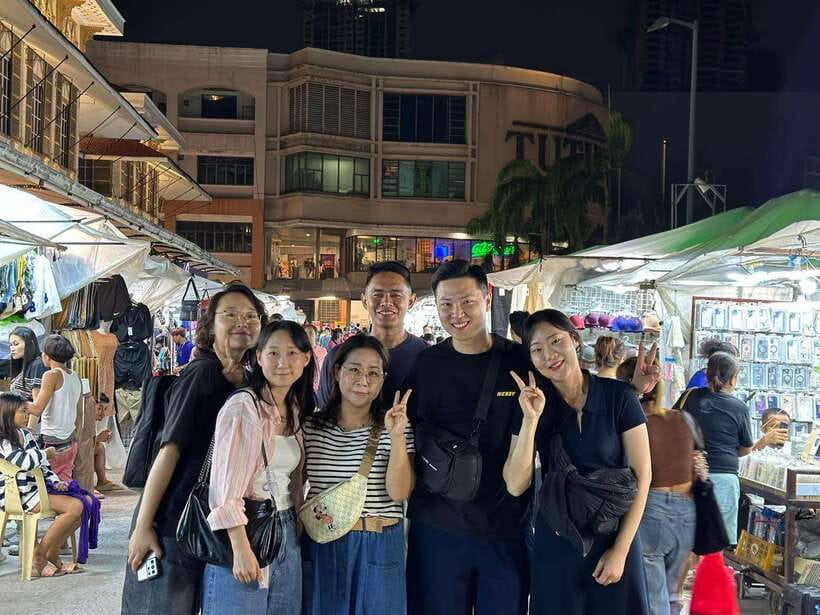
The tour spends about 40 minutes in Binondo, the longest stop. That makes sense. Binondo brings another layer to the food route, with Chinese-Filipino flavors, small food stalls, bakeries, and long-standing cultural connections.
The tasting may include siopao, a steamed bun filled with meat or other savory ingredients, and dumplings. These foods offer an easier bridge for anyone who found the first market snacks too bold. They are familiar in form, but the local setting and preparation give them a distinctly Manila feel.
Binondo is more than a place to grab another snack. It shows how food traditions overlap in Manila. Chinese cooking has influenced Filipino tastes for generations, and this part of the route lets you see that connection through food rather than a long lecture.
Forty minutes is enough for a useful introduction, not a full Chinatown food crawl. You may stop at a few stalls or bakeries, hear stories about the area, and sample selected foods. If you want to compare many dumpling shops or explore every side street, you will need more time than this tour allows.
This is where a good guide earns the fee. Floyd is praised for explaining food and local stories in an entertaining way. Venus is praised for making the experience feel personal and comfortable. You are not simply being pointed toward a bun. You are being helped to understand why that bun belongs on this route.
Pasig Esplanade and the change of pace
The final 30 minutes take you to Pasig Esplanade. After the tight lanes and market noise, the riverside setting gives the tour a needed pause.
You can take a final stroll, enjoy the lights, and perhaps have a light snack. The stop is less about adding another major dish and more about letting the evening settle. It gives you a chance to talk with the guide, review what you ate, and enjoy a calmer view of Manila.
This ending also keeps the tour from becoming one long sequence of crowded stalls. I appreciate that balance. Street food is best when you have a moment to slow down and remember the places between bites.
The stated finish is Manila City Hall. Since the tour description also highlights Pasig Esplanade as the final stop, confirm with your guide where the walking portion ends and how the group gets to Manila City Hall. That small check can help if you have a timed reservation or onward transport.
What the guides add to the experience
The guide quality is the clearest strength of this tour. Floyd and Venus are repeatedly praised for being friendly, professional, patient, and reassuring. That matters more here than it would on a simple sightseeing bus.
Street food requires small decisions. Should you try this item? How do you ask for it? Is the sauce spicy? What is inside? Can you explain an allergy? An English-speaking guide can answer those questions quickly and help you avoid ordering blindly.
Solo visitors may find the guidance particularly useful. One person joined alone during a long layover and felt safe and comfortable while trying unfamiliar foods. That makes this tour a possible fit for a first night in Manila, provided your airport and traffic schedule leave enough time.
The strongest guide reports also mention humor. That helps when a dish looks strange or when the streets feel confusing. A relaxed guide can turn hesitation into curiosity without pressuring you to eat something you do not want.
Food comfort, allergies, and the open-minded eater
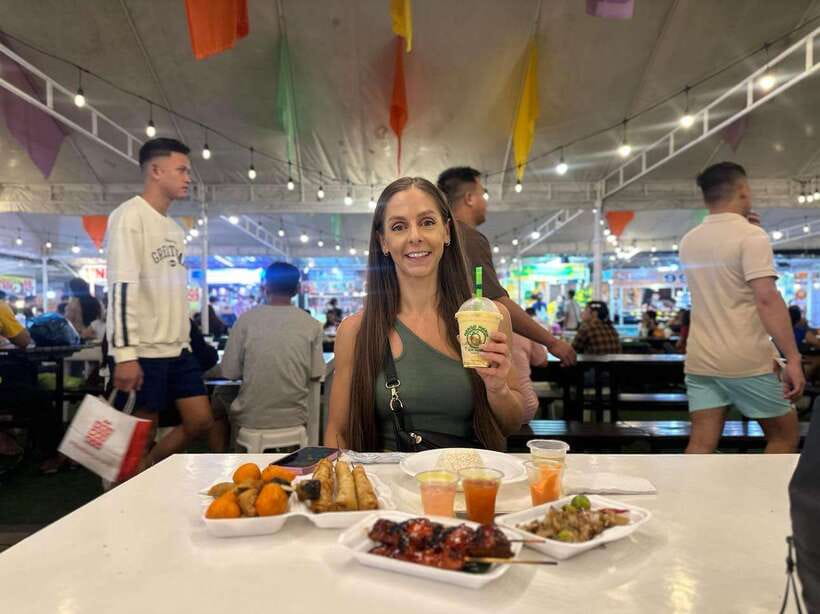
This is not the right tour for someone who wants only familiar foods. Isaw and balut are included in the planned tasting, and other snacks may be new in texture, appearance, or ingredients.
You do not have to love every item. The point is to try, learn, and decide. I suggest telling the guide early about allergies, dietary restrictions, or foods you avoid. The tour information specifically asks you to share allergies in advance.
An open attitude matters more than a large appetite. You will likely sample several small portions rather than sit down to a long meal. That makes it easier to taste widely, but it also means you should not book this as your only substantial dinner unless you know the food amount will suit you.
The tour has a strong educational side. You learn how to order like a local, hear about Filipino food, and meet people in the areas you visit. That makes the meal less about checking off unusual dishes and more about learning how food fits into daily Manila life.
Timing, walking, and practical value
Two hours is both the tour’s strength and its limit. It is short enough to fit into a busy evening or a long layover, and long enough to visit four distinct areas. It is not long enough for relaxed shopping, extended meals, or detailed exploration of each neighborhood.
You should expect to walk. The experience is specifically a walking tour with food tasting, supported by a tuktuk or jeepney ride. Wear comfortable shoes and keep your plans after the tour flexible enough to handle traffic or a slower market pace.
The $68 price makes the most sense if you value structure and local help. It includes an English-speaking guide, transport during the route, food tasting, and photography. For a first visit, those pieces can save you time and reduce the worry of choosing stalls on your own.
The value is weaker if your priority is quantity. A two-hour schedule cannot provide a full dinner, and the price is high for a quick snack crawl. Think of it as a guided introduction to Manila’s food streets, not an all-you-can-eat outing.
The tour offers free cancellation up to 24 hours before departure and allows you to reserve while paying later. Starting times depend on availability, so check the schedule before making other evening plans.
Who should book this Manila food tour?
I would choose this tour for a first-time visitor who wants a fast, social introduction to Manila beyond the usual landmarks. It also suits solo visitors, people with a long layover, and anyone who wants help ordering unfamiliar food.
It is a good match for curious eaters who enjoy markets, short rides, local stories, and a little disorder. The combination of Tutuban, Divisoria, Binondo, and the Pasig riverside gives you more variety than a single neighborhood food walk.
I would hesitate if you dislike crowds, cannot walk comfortably, need a long seated meal, or prefer to choose every dish yourself. I would also think twice if you are very cautious about food textures and ingredients. The guide can help, but the route is built around Filipino street food, including items that may challenge you.
Should you book it?
Book this tour if you want a lively first look at Manila’s everyday food culture and prefer a guide to help with the hard parts. Floyd or Venus can add the local context, ordering help, humor, and reassurance that make a two-hour route feel worthwhile.
Skip it if you want a leisurely dinner, extensive shopping time, or a carefully controlled menu. For everyone else, $68 buys a compact introduction with real local flavor, memorable transport, and a useful view of Manila that goes well beyond a restaurant table.
FAQ
How long is the Manila street food tour?
The tour lasts two hours.
Where does the tour start?
The stated starting point is Tutuban Center. Meeting information also refers to Bonifacio Monument and Tutuban Center Mall, so confirm the exact location before arriving.
Where does the tour finish?
The stated finish is Manila City Hall. Pasig Esplanade is the final sightseeing stop described on the route.
Which neighborhoods and areas does the tour visit?
The route includes Tutuban Night Market, Divisoria’s Ilaya Street, Binondo Chinatown, and Pasig Esplanade.
What food can I expect to try?
Suggested foods include isaw, balut, kwek-kwek, taho, banana cue, siopao, dumplings, and other Filipino or Chinese-Filipino snacks.
Is transportation included?
Yes. A tuktuk ride or jeepney ride is included as part of the tour.
Is the tour conducted in English?
Yes. The tour has a live English-speaking guide.
Should I tell the operator about food allergies?
Yes. The tour information specifically asks you to report food allergies.
Can I cancel or pay later?
You can cancel up to 24 hours in advance for a full refund. You can also reserve now and pay later, keeping your plans flexible.
More Market Tours in Manila
- Manila Night Market Experience with Local Guide
★ 5.0 · 10 reviews - Manila Night market and Street Food Tour
★ 5.0 · 2 reviews - Manila Night Market and Food tour experience with Local guide
★ 5.0 · 2 reviews - Manila Night Market and Street Food Experience
★ 5.0 · 1 review
More Shopping Tours in Manila
- Explore Manila Slums and Hidden Market
★ 4.9 · 41 reviews - Private Market Tour and Filipino Cooking Class in Manila with Isi
★ 4.5 · 15 reviews - Tagaytay Adventure: Volcano Views, Countryside, Market & Cruise!
★ 4.5 · 14 reviews - Manila Night Market with Local Guide
★ 4.7 · 12 reviews
Just added in Manila
- Underground River with Lunch★ 3.6 · 5 reviews
- Manila Night market and Street Food Tour★ 5.0 · 2 reviews
- Cruise Shore Excursion of Taal Volcano with Lunch★ 4.5 · 4 reviews
- Unforgettable Manila Fishing Village Day Excursion 2024★ 5.0 · 4 reviews
- Ultimate 8-Day Palawan Island Tour Package from Manila City★ 5.0 · 1 review
- Tagaytay + Hidden Valley Springs: A Scenic Escape w/ Transfers★ 4.0 · 4 reviews
- Tagaytay Day Tour sightseeing with Panoramic Taal volcano view★ 5.0 · 6 reviews
- 3 Days Private Tour in Banaue Ifugao visiting Batad Rice Terraces★ 3.5 · 3 reviews
Food & Drink, compared.

Boracay Sunset Cruise with Party DJ & Unlimited Food and Drinks
Read our review →
Manila Food Tour: Explore World’s Oldest Chinatown
Read our review →
Street Food and Drinks Walking Tour with Tastings
Read our review →
The Original Cebu City Historical and Food Walking Tour
Read our review →
Manila’s Culinary Expedition: The Ultimate Food and Market Tour
Read our review →
Makati Street Food Experience end with a Rooftop Bar
Read our review →Browse the lists this tour appears in