
Reviewed · INTRAMUROS WALKS
Manila: Intramuros and Chinatown Food Tour with Food Samples
History comes with a snack stop. This five-hour Manila tour links Fort Santiago and Intramuros with seven food samples in Binondo, giving you two strong reasons to book: the route packs several major sights into one walk, and the Chinatown tasting shows how Chinese cooking shaped Filipino food. The main drawback is simple: five hours on foot in Manila’s heat can feel tiring, especially if you dislike close quarters or have food allergies.
I also like the small-group format, limited to eight people, and the short tuktuk ride between the two districts. Guides named Jane and Jayne receive repeated praise for clear explanations, kindness, and helping with practical matters after the tour, including finding a taxi home. Still, confirm the meeting point within 24 hours of booking, and remember that the tour ends in Binondo rather than returning you to Intramuros.
In This Review
- Key points to know before booking
- Why this Intramuros and Binondo combination works
- Starting at Fort Santiago
- Manila Cathedral and the old church quarter
- The 20-minute tuktuk ride to Binondo
- Eating through Binondo one bite at a time
- Ending at Binondo Church
- The guides and the small-group experience
- Is $80 a fair price?
- Who should book this five-hour walk?
- FAQ
- Where does the tour begin?
- Where does the tour finish?
- How long does the experience last?
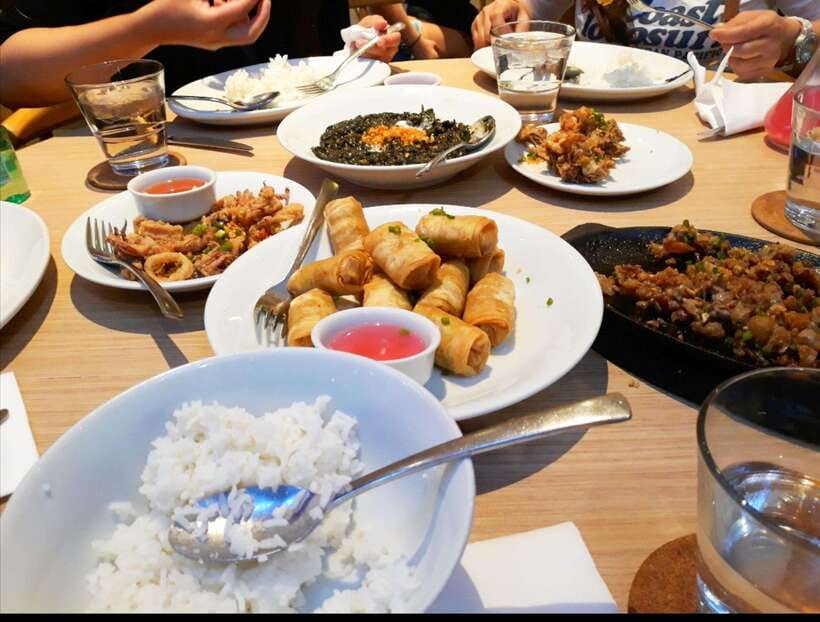
- What food is included?
- Is transportation included?
- Is the tour suitable for people with food allergies or wheelchair users?
- Should you book it?
Key points to know before booking
- Seven Chinatown tastings: Expect fried siopao, pork siomai, lumpia, hopia, pansit, egg tart, and buchi, with the exact selection depending on availability.
- A compact history route: Fort Santiago, Manila Cathedral, and San Agustin Church give you a quick but meaningful look at old Manila.
- Tuktuk transfer included: The ride from Intramuros to Binondo adds a fun change of pace and lets you see more of the city without making the whole route a long walk.
- Small group of eight: This should make it easier to hear the guide and ask questions in busy streets and food stops.
- Five hours for $80: The price includes the guide, Fort Santiago entry, tuktuk ride, seven tastings, and photography assistance.
- Not suitable for everyone: The walk is not designed for wheelchair users, and people with food allergies are advised not to book.
Why this Intramuros and Binondo combination works
Manila can feel scattered at first. Its colonial walls, churches, modern roads, and Chinese Filipino markets do not sit in one tidy sightseeing zone. This tour solves that problem by joining two districts with a clear story and a short ride.
You begin in Intramuros, the old walled city, where the focus is Spanish colonial Manila and the country’s political and religious past. You finish in Binondo, the world’s oldest Chinatown, where the focus shifts to trade, migration, family businesses, and food.
I like that the two halves are not treated as unrelated attractions. Your guide explains how Chinese culture influenced Filipino cooking, while the walk itself shows how different layers of Manila sit side by side. You get history first, then a practical, edible lesson in cultural exchange.
The group size matters here. With no more than eight people, your guide can usually keep the pace together and help with photographs without turning the outing into a large procession. The format also suits solo visitors and couples who want company without joining a huge crowd.
More Food Tours in Manila
- Manila Food Tour: Explore World’s Oldest Chinatown
★ 5.0 · 158 reviews - Manila: Street Food and Drinks Walking Tour with Tastings
★ 4.8 · 114 reviews - Manila: Sightseeing and Food Walking Tour with Tastings
★ 4.7 · 68 reviews
Starting at Fort Santiago
Fort Santiago is the strongest place to begin. It gives the tour a clear anchor and sets the tone for the stories that follow.
You spend about an hour walking through the fort and its preserved areas. The guide connects the site to the Philippines’ colonial past and to José Rizal, the national hero whose life and final days are closely tied to Fort Santiago.
This is not just a quick photo stop. The fort carries emotional weight, and the preserved ruins make the country’s past easier to picture than a classroom lecture would. Your guide can add the human details that help you understand why the site matters.
Bring a camera, but do not rely on flash photography. Photography assistance is included, which is useful if you are traveling alone or want a group picture. The fort is also one of the better places on this route for photographs, so allow yourself time to look around instead of rushing from one marker to the next.
The first hour is a real walk, not a short transfer between exhibits. Wear shoes with good support and bring water. Manila’s sun can make an easy-looking route feel much harder than expected.
Manila Cathedral and the old church quarter
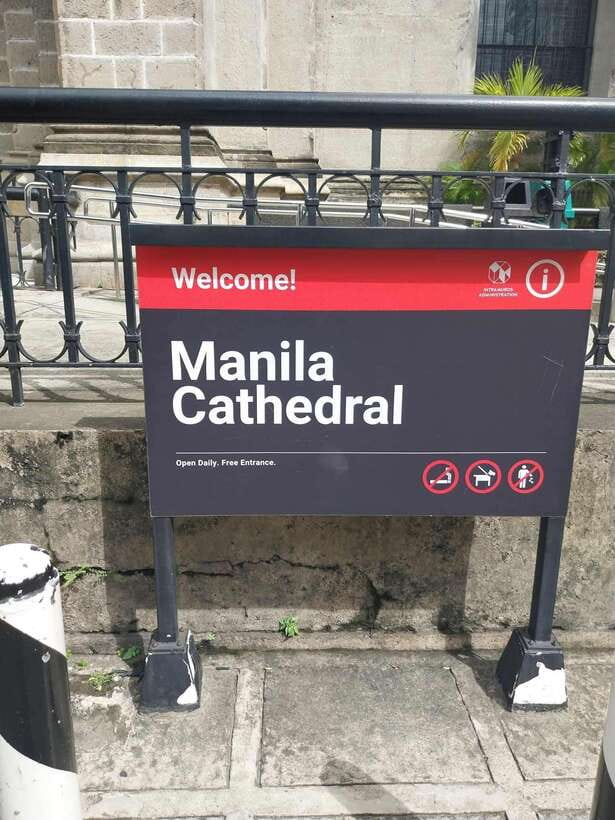
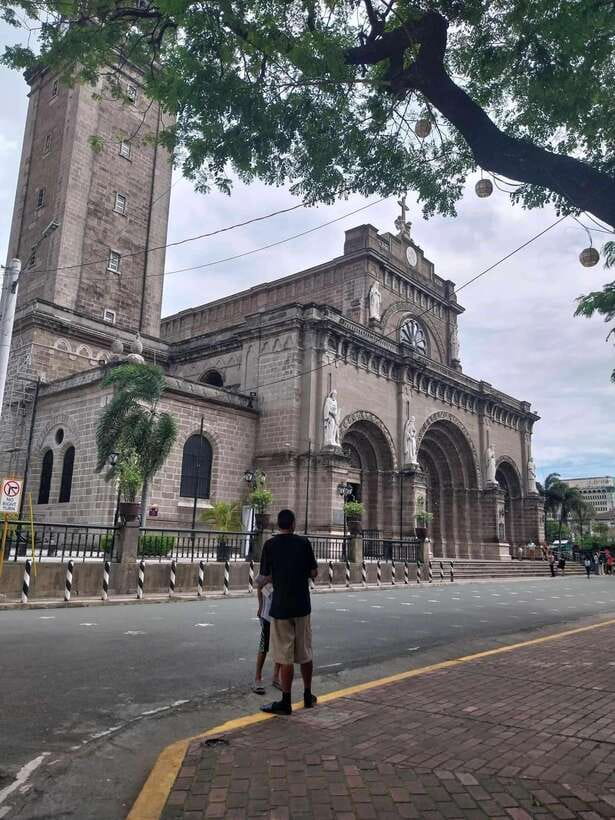
From Fort Santiago, you walk for about 20 minutes to Manila Cathedral. This church has survived natural disasters and repeated rebuilding, making it a useful way to discuss Manila’s long religious and architectural story.
The cathedral is more than a stop for an exterior photograph. It remains an important spiritual site, and its repeated survival helps explain why churches carry such weight in Manila’s identity. Your guide can place the building within the wider story of Intramuros rather than presenting it as an isolated monument.
You then continue for another 20 minutes to San Agustin Church. This is the oldest stone church in the Philippines and a UNESCO World Heritage Site, known for its baroque design.
For me, the contrast between the two churches is part of the appeal. Manila Cathedral shows a major religious center that has faced destruction and reconstruction. San Agustin gives you a stronger sense of age and continuity. Together, the stops make the walking portion feel purposeful.
There is a practical limitation. The tour description does not promise a long interior visit at every church, so the amount of time inside may depend on access and conditions on the day. Treat these stops as guided heritage visits rather than an extended church architecture tour.
The 20-minute tuktuk ride to Binondo
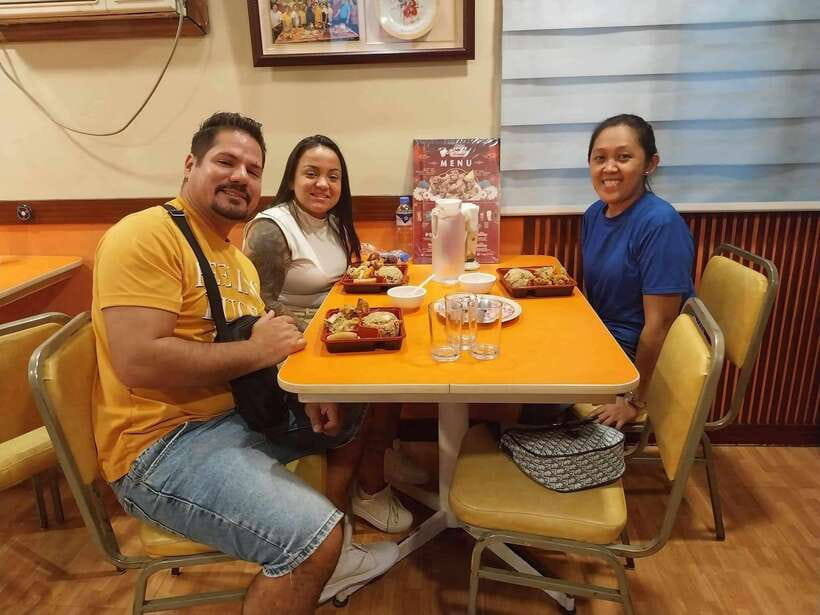
After the Intramuros sights, you climb into a tuktuk for a ride toward Chinatown. The trip lasts about 20 minutes and offers a welcome break from walking.
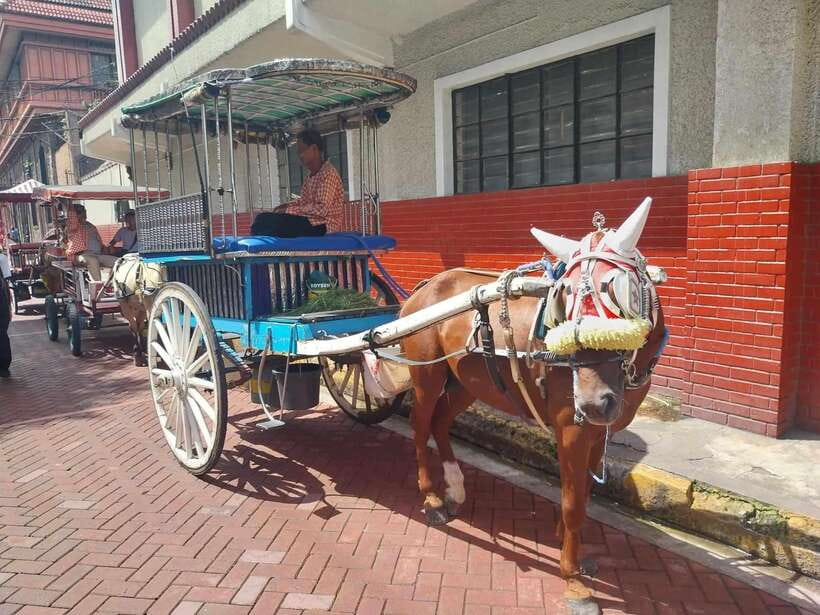
A tuktuk is not the most conventional way to cross Manila. That is exactly why it works. You get a low, open view of the streets, pass landmarks and old roads, and experience the city at street level instead of looking through a coach window.
The ride also helps the tour feel like a real transition. Intramuros has walls, historic churches, and cobbled sections. Binondo brings a different rhythm, with food shops, commercial streets, and the mixed Filipino Chinese character that defines the district.
Do not expect a sightseeing vehicle with a narrated route at every turn. The tuktuk is primarily transportation with a little fun built in. Its value is the change of pace and the chance to watch Manila move around you.
The included ride also improves the $80 value. Without it, the route between Intramuros and Binondo would add time and effort to an already active day. You still need to walk after arriving in Chinatown, but the transfer breaks up the five-hour schedule.
More Intramuros walks:
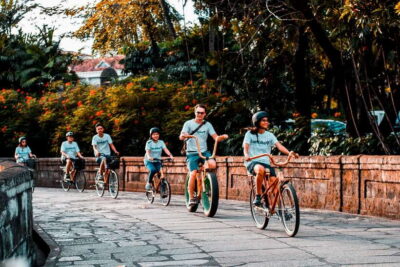
- Intramuros, Manila: Historical Bamboo Bike Tour
★ 4.8 · 583 reviews - Experience Intramuros with Bamboo Bicycle – Ecotours
★ 5.0 · 508 reviews - Manila: Intramuros, Chinatown, and Old Manila Half-Day Tour
★ 4.8 · 475 reviews - Manila Old and New: Sightseeing Tour Including Intramuros and Fort Santiago
★ 4.5 · 377 reviews
Eating through Binondo one bite at a time
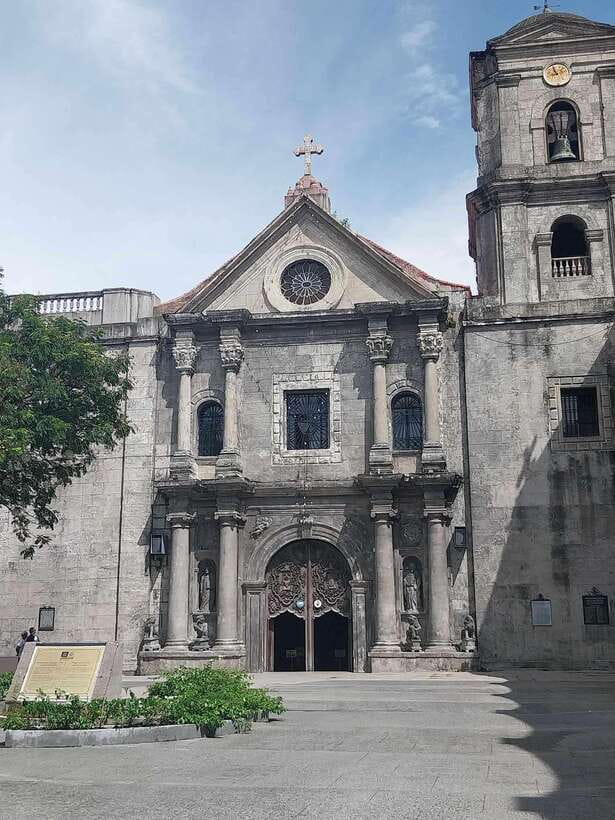
The Chinatown section takes about three hours, making food the largest part of the experience. That is a good sign if you want more than a token tasting.
You receive seven food samples. The planned list includes:
- Fried siopao
- Pork siomai
- Lumpia
- Hopia with mung bean filling
- Pansit
- Egg tart
- Buchi
The exact choices can change with availability, so you should view the list as a guide rather than a guarantee. That flexibility is normal for a food walk in a working district, where stalls and bakeries may not have every item at every moment.
The selection gives you a useful spread of textures and styles. Siomai brings steamed dumpling flavors. Fried siopao adds a crisp outside to a familiar bun. Lumpia connects Chinese cooking techniques with a dish many people identify as Filipino. Hopia offers a sweet, flaky pastry with mung bean filling, while the egg tart and buchi give you two more sweet finishes.
Pansit is especially helpful as a cultural talking point. Your guide explains how Chinese food traditions became part of Filipino everyday cooking, rather than remaining separate foreign imports. That is the real value of the tasting: you are not just collecting snacks, you are seeing how food reflects movement between communities.
The portions appear generous enough to make the food part feel like a light meal rather than a few decorative nibbles. One important practical point is that the tastings may add up quickly. If you have already eaten breakfast or lunch, pace yourself.
Binondo is a busy commercial district, and eating while walking can be less polished than sitting in a restaurant. You may need to share space with pedestrians, pause at crowded counters, and accept that the order of dishes can change. I see that as part of the setting, but visitors who want a quiet, formal meal may prefer a restaurant-based food tour.
A review from France described the food as plentiful enough that resisting additional snacks afterward was difficult. That matches the design of this outing: the food does not end with one main dish, but keeps appearing in small portions as you move through the district.
Ending at Binondo Church
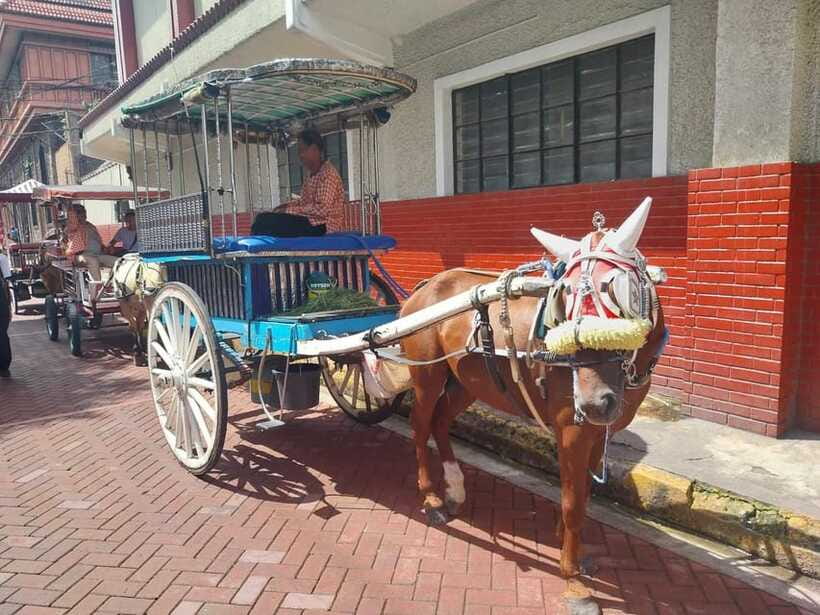
The tour ends at the Minor Basilica and National Shrine of Saint Lorenzo Ruiz, commonly called Binondo Church. This gives the Chinatown walk a final heritage stop instead of finishing beside an anonymous food stall.
The church helps tie the two halves of the day together. You began with Spanish colonial sites in Intramuros and finish in a district shaped by Chinese Filipino life. The final stop gives you a quiet moment to think about how religion, trade, migration, and food overlap in Manila.
The ending point is also important for planning. You are not returned to Fort Santiago, your hotel, or the original meeting place. Arrange your onward transport from Binondo and keep the end location in mind when scheduling a flight, reservation, or evening activity.
Some guides go beyond the formal finish. Jane helped one group wait for a taxi and later checked that they had arrived safely. Another guide, identified as Jayne in one account, was praised for helping with the journey home after the tour. That kind of care is not a guaranteed extra service, but it suggests that practical assistance is part of the guide style you may encounter.
The guides and the small-group experience

The guide can make or break a five-hour walking tour. Here, the strongest praise centers on Jane, or Jayne, depending on how the name is written, for warmth, clear explanations, and steady attention to the group.
One British father and son found the commentary informative without losing its sense of fun. A French couple also felt safe throughout the outing and appreciated the guide’s patience. A Japanese participant praised the help with getting home after the tour.
Those details matter because the route includes busy streets, heritage sites, food stops, and a transport change. You want a guide who can explain the setting while also keeping an eye on timing and comfort.
The experience is offered in English and Tagalog. If you book as an English-speaking visitor, the guide is expected to lead in English, with Tagalog also available. The small group should make it easier to ask about ingredients, history, or local customs.
Photography assistance is included. That does not mean every stop becomes a photo session, but you can ask the guide to help with pictures. Remember that flash photography is not allowed.
Is $80 a fair price?
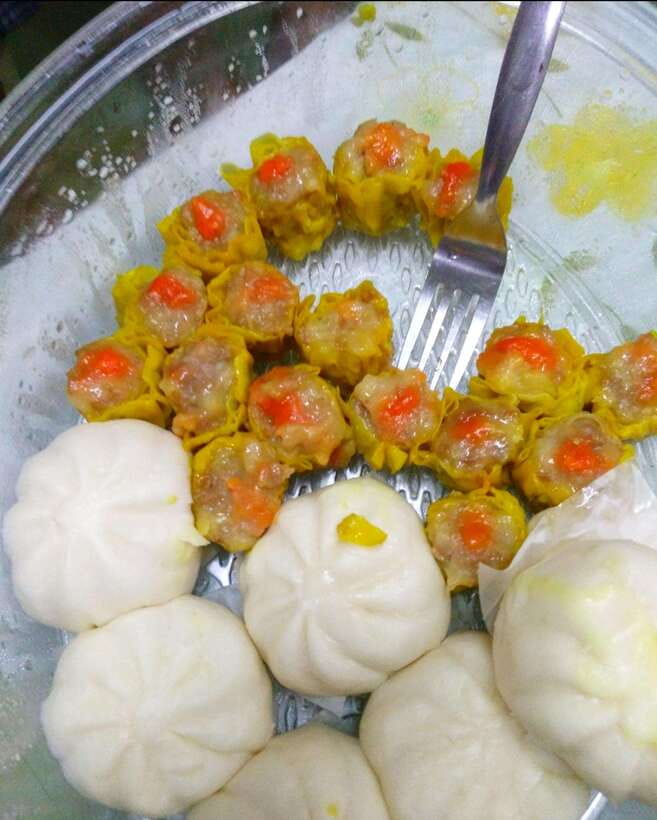
At $80 per person, this is not a bargain walking tour. The price makes more sense when you count what is bundled into the day: a professional guide, Fort Santiago entry, the tuktuk ride, seven tastings, and help with photographs.
You are paying for structure as much as for food. A visitor could walk around Intramuros independently and buy snacks in Binondo for less. The advantage here is the connection between the places, the explanations, and the reduced need to work out the route yourself.
The value is strongest for a first visit to Manila, especially if you have only one day for these districts. You get a five-hour introduction without needing to arrange separate tickets, transport, and food stops.
The value is weaker if you already know Intramuros and Binondo well, or if you prefer choosing every dish yourself. Independent visitors can spend less and linger longer at the places that interest them.
The reserve-now, pay-later option helps if your schedule is still changing. Free cancellation is available up to 24 hours before the tour for a full refund. The meeting details are supplied within 24 hours after booking, so watch for that message and verify the exact starting information.
Who should book this five-hour walk?
I would recommend this tour to first-time Manila visitors who want history and food in one outing. It is also a good match for couples, solo visitors, and small families who value a guide but do not want a large bus group.
You should be comfortable walking for several hours, standing at food stops, and moving through busy urban areas. Comfortable footwear, sunscreen, water, and a camera are specifically recommended.
This is not a good choice for wheelchair users because the route is described as a walking tour and is not suitable for wheelchair access. It is also listed as unsuitable for people with food allergies. If you have dietary restrictions, tell the operator in advance, but do not assume every request can be met.
Smokers should note that smoking is not allowed during the activity. Anyone who dislikes tasting unfamiliar foods or sharing a meal-style experience should consider a regular sightseeing tour instead.
FAQ
Where does the tour begin?
The tour begins at the Fort Santiago Gate in Intramuros. Exact meetup details are advised within 24 hours after booking.
Where does the tour finish?
The tour finishes at the Minor Basilica and National Shrine of Saint Lorenzo Ruiz, also known as Binondo Church.
How long does the experience last?
The tour lasts five hours. The schedule includes about one hour at Fort Santiago, two 20-minute walks between the major Intramuros sights, a 20-minute tuktuk ride, and about three hours for food tasting in Chinatown.
What food is included?
Seven tastings are included. These can include fried siopao, pork siomai, lumpia, hopia, pansit, egg tart, and buchi, depending on availability.
Is transportation included?
A tuktuk ride from Intramuros to Chinatown is included. The tour does not state that transport back from Binondo Church is included.
Is the tour suitable for people with food allergies or wheelchair users?
The experience is listed as unsuitable for people with food allergies and wheelchair users. You should inform the operator about allergies or dietary restrictions in advance, but the tour does not promise that all dietary needs can be accommodated.
Should you book it?
Book this tour if you want a guided introduction to Manila that mixes major heritage sites with a generous Chinatown tasting. The strongest reasons are the sensible route, the small group, the included tuktuk transfer, and the personal care associated with guides such as Jane and Jayne.
Skip it if you need full wheelchair access, have serious food allergies, or prefer slow independent sightseeing. For everyone else, $80 is a reasonable price for five hours of history, transport, seven food samples, and a clear look at the Filipino Chinese character of Manila. Just wear good shoes, arrive ready to eat, and plan your ride home from Binondo Church.
Just added in Manila
- Underground River with Lunch★ 3.6 · 5 reviews
- Manila Night market and Street Food Tour★ 5.0 · 2 reviews
- Cruise Shore Excursion of Taal Volcano with Lunch★ 4.5 · 4 reviews
- Unforgettable Manila Fishing Village Day Excursion 2024★ 5.0 · 4 reviews
- Ultimate 8-Day Palawan Island Tour Package from Manila City★ 5.0 · 1 review
- Tagaytay + Hidden Valley Springs: A Scenic Escape w/ Transfers★ 4.0 · 4 reviews
- Tagaytay Day Tour sightseeing with Panoramic Taal volcano view★ 5.0 · 6 reviews
- 3 Days Private Tour in Banaue Ifugao visiting Batad Rice Terraces★ 3.5 · 3 reviews
Intramuros Walks, compared.
Intramuros, Manila: Historical Bamboo Bike Tour
Read our review →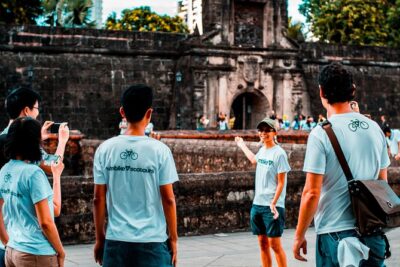
Experience Intramuros with Bamboo Bicycle – Ecotours
Read our review →Intramuros, Chinatown, and Old Manila Half-Day Tour
Read our review →
Manila Old and New: Sightseeing Tour Including Intramuros and Fort Santiago
Read our review →
Explore Intramuros: Introduction to Philippine History
Read our review →
Experience Manila’s Heritage: Intramuros & More in Half a Day!
Read our review →Browse the lists this tour appears in