
Reviewed · COOKING CLASSES
Private Filipino cooking class in a local Manila Home
Good food starts at home. This private Manila cooking class brings you into chef Isi’s kitchen for a personal lesson in Filipino food, family recipes, and local ingredients. I like the small vegetable garden visit, where you may pick calamansi and lemongrass before cooking, and I like the freedom to choose between hands-on preparation and watching a demonstration. The main consideration is that this is a home visit, not a polished culinary school, so you should expect an informal cultural exchange rather than professional kitchen training.
I also like the private format, since your group receives Isi’s full attention instead of sharing a crowded class with strangers. At $90 per person for about three hours, including lunch or dinner, beer, taxes, and gratuities, the price is fair for a personal meal and cooking lesson. Still, the value depends on how much you enjoy conversation and local food culture. If you only want fast, technical instruction, this may feel too relaxed.
In This Review
- Key points to know before booking
- Entering Isi’s Manila kitchen
- A short garden visit with calamansi and lemongrass
- Hands-on cooking or a relaxed demonstration
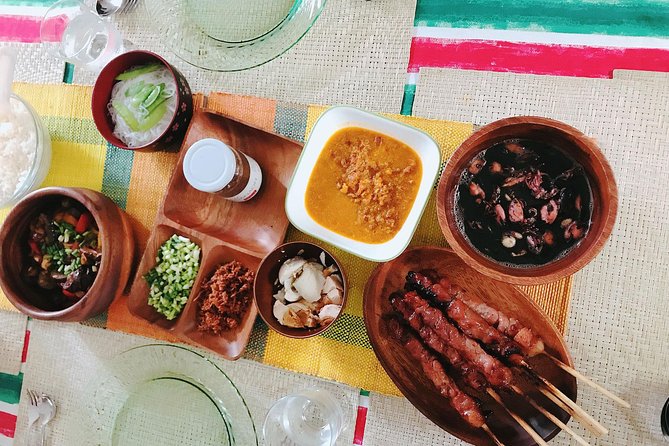
- What might land on your plate
- Why the meal matters as much as the lesson
- Is $90 per person a good value?
- Timing, meeting point, and practical planning
- The teaching style and personal touch
- Who should book this Manila food experience?
- Should you book the private Filipino cooking class?
- FAQ
- Where does the private Filipino cooking class take place?
- What time does the experience start?
- How long does the cooking experience last?
- Is this a private activity?
- Is hotel pickup included?
- Can I choose between cooking and watching?
- Is a vegetarian option available?
- Are drinks and the meal included?
- What is the cancellation policy?
Key points to know before booking
- Chef Isi teaches from family tradition: Her cooking comes from watching her grandmother prepare daily Filipino meals, then building a career in recipes, food styling, photography, restaurants, and spice sales.
- The garden is part of the lesson: You may pick lemongrass and calamansi, a Filipino citrus fruit used to season the meal.
- You choose your level of participation: Ask for a hands-on class if you want to chop and cook, or request a demonstration if you prefer to watch.
- The menu changes: Possible dishes include local fern salad, coconut milk vegetables, grilled pork, soy-marinated beef, shrimp, and calamansi pie.
- This is a private home experience in Taguig: The activity begins and ends at the meeting point in Taguig, Metro Manila, with no hotel transportation included.
- The booking record is strong: The experience has a 4.9 rating from 28 reviews and a 100 percent recommendation rate, with special praise for Isi’s warmth, cooking skill, and teaching.
Entering Isi’s Manila kitchen
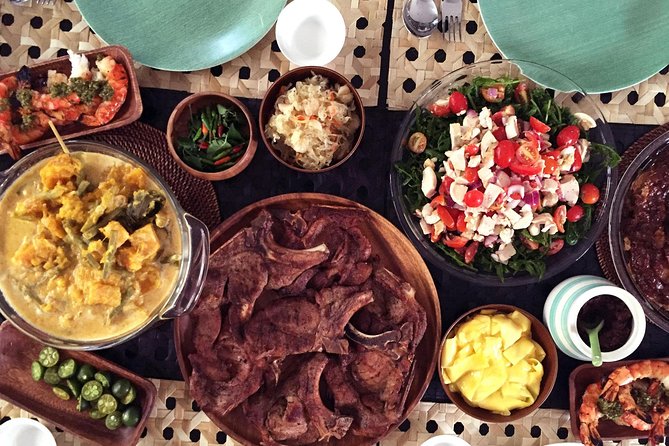
The appeal here is simple: you are not just handed a plate of Filipino food. You get to see how the ingredients come together, ask questions as you cook, and sit down to eat a meal prepared by your own group.
Chef Isi has spent more than ten years working with food. Her experience includes recipe development for dairy companies and restaurants, food styling, food photography, and selling spices online. She also runs Chili Asylum, a business focused on fresh chilies and chili products sourced from Filipino farmers.
That background gives the class a useful balance. Isi knows traditional home cooking, but she also understands how ingredients behave, how dishes are presented, and how regional Filipino flavors can be adapted. You may hear about family methods alongside newer ideas, such as her grilled shrimp with cilantro chimichurri.
The personal setting matters. In a restaurant kitchen, you usually learn only what fits the menu and schedule. Here, you can ask about the role of garlic, coconut milk, chilies, fish sauce, or calamansi in Filipino cooking as the meal takes shape.
A few more Luzon days worth comparing
- Manila Filipino Cooking Class: Meryenda Favorites
★ 5.0 · 80 reviews - Private Market Tour and Filipino Cooking Class in Manila with Isi
★ 4.5 · 15 reviews - Private Filipino Cooking Class in the Heart of Manila,Makati City
★ 5.0 · 5 reviews
A short garden visit with calamansi and lemongrass
The class begins with time in Isi’s small vegetable garden. This is not a large farm visit, and you should not expect a full tour of local agriculture. Its value is more direct: you see a few ingredients growing, then use them in the meal.
Lemongrass is a familiar flavor across Southeast Asia, but calamansi gives the experience a more distinctly Filipino touch. This small citrus fruit has a sharp, fragrant taste that works well in dressings, marinades, sauces, and desserts.
Picking ingredients yourself also helps connect the food to place. Instead of treating herbs and citrus as anonymous items from a market, you see how Isi uses them in her own kitchen. I like this part because it gives you a practical answer to a common food question: what makes Filipino cooking taste Filipino?
The answer is not one spice. It is the mix of sour calamansi, salty fish sauce, fragrant garlic, hot chilies, creamy coconut milk, and slow-cooked sauces. The garden offers a clear introduction before you begin preparing the food.
Hands-on cooking or a relaxed demonstration
You can choose how active you want to be. Ask for the hands-on option if you want to prepare ingredients and help cook the dishes. This suits anyone who enjoys learning by doing, especially home cooks who want recipes they can repeat after returning home.
If you prefer to watch, Isi can demonstrate the preparation while explaining the steps. That choice may suit people who are short on kitchen confidence, couples with different cooking interests, or anyone who wants to focus more on conversation and food culture.
The class is not presented as professional chef training. You will not be working through formal knife skills, restaurant procedures, or a rigid culinary syllabus. Instead, you are learning family recipes in a private home from someone who loves Filipino food and has cooked it for years.
That difference is worth taking seriously before you book. I would choose this experience for its access and warmth, not for certificates or technical kitchen drills. The best moments are likely to come from asking questions, tasting as you go, and hearing how recipes passed through Isi’s family.
Past feedback gives you a useful sense of the teaching style. One participant learned three different dishes and appreciated being able to work directly in the kitchen. Another was pleased that Isi allowed as much preparation and cooking as the group wanted. This suggests that you can shape the class rather than simply follow a fixed routine.
What might land on your plate
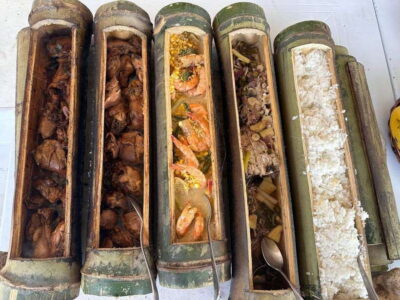
The menu is not fixed, so you should treat these dishes as examples rather than promises. That is helpful if you want a seasonal meal, but less helpful if you are booking around one specific Filipino favorite.
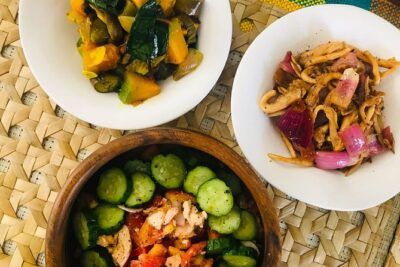
A possible starter is ensaladang pako, a salad made with local fern and dressed with calamansi and raw honey. The dish offers a fresh, sour-sweet opening and introduces an ingredient many visitors will not have tried before.
You might also prepare grilled shrimp with cilantro chimichurri, one of Isi’s own creations. It is a good example of how she connects Filipino ingredients with a sauce that is not strictly traditional in form.
For a vegetable dish, ginataang kalabasa at sitaw combines squash and green beans in coconut milk. This is the sort of home-style preparation that shows how vegetables can carry a meal, rather than acting as a small side dish.
The meat dishes may include mechado, with beef marinated in soy and cooked in an onion and tomato sauce, or inihaw na baboy, grilled pork chops. These dishes bring stronger savory flavors and give you a chance to see how Filipino cooks use marinades, aromatics, and sauces.
Dessert may be homemade calamansi pie, prepared by Isi’s best friend Earnest. The citrus flavor makes a fitting finish after a meal built around garlic, chilies, coconut milk, and fish sauce.
Because the selection can vary, mention your food needs when booking. A vegetarian option is available, and you should advise the host of specific dietary requirements in advance.
A completely different kind of day out:
- Manila Old and New: Sightseeing Tour Including Intramuros and Fort Santiago
★ 4.5 · 377 reviews - Manila’s Walled City: Intramuros Walking Tour
★ 5.0 · 82 reviews - Batad Guided Tour
★ 5.0 · 78 reviews - Manila Super Saver: Manila Sightseeing plus Tagaytay Tour with Taal Volcano
★ 4.0 · 75 reviews
Why the meal matters as much as the lesson
Many cooking classes send you home with food you prepared, then end when the stove is turned off. This one includes time to sit down and eat lunch or dinner together. That shared meal is a major part of the experience.
You get to taste the results while they are still connected to the discussion. If a sauce tastes sour, salty, spicy, or sweet, you can ask why. If you want to repeat the recipe at home, you can clarify a step before leaving.
The meal also gives the class a social rhythm. You pick ingredients, cook, talk, then eat. It feels closer to being welcomed into someone’s home than attending a short demonstration at a cooking studio.
Beer is included with the meal. Alcohol is not required to enjoy the class, but it adds a casual touch for people who want it. Gratuities, taxes, and handling charges are included as well, so the advertised $90 price gives you a fairly clear idea of the total cost.
Is $90 per person a good value?
At $90 per person, this is not the cheapest way to eat in Manila. You can find less expensive meals, and a standard restaurant dinner will not require a three-hour commitment.
But the comparison is not really meal versus meal. The fee covers a private host, a cooking lesson, ingredients, a garden visit, lunch or dinner, beer, and the chance to spend time in a local home. You are paying for personal attention and access, not just calories.
The value improves if you take part in the preparation and ask questions. It also works well for a couple, family, or small private group that wants one focused food experience during a Manila stay. Group discounts may make the price easier to manage for larger private parties.
The price is harder to justify if you dislike cooking, have a very short schedule, or want a formal class with exact recipes and professional equipment. In that case, the home setting may feel less structured than you expect.
The experience is commonly booked around 41 days in advance, so I would not leave it until the last few days of a Manila visit. Confirmation is sent within 48 hours, subject to availability.
Timing, meeting point, and practical planning
The class starts at 10:00 a.m. and lasts about three hours. Since lunch or dinner is included, the timing suggests a late-morning start followed by a midday meal, although the activity description allows for either lunch or dinner.
The meeting point is in Taguig, Metro Manila, and the activity ends back at that same meeting point. Hotel pickup and drop-off are not included, so you need to arrange your own way to Taguig.
Plan your day around the full experience rather than squeezing it between distant attractions. Manila traffic can make short distances take time, and the class itself works best when you arrive without feeling rushed. The smart-casual dress code is easy to follow, but wear something comfortable enough for a home kitchen.
This is a private activity, meaning only your group participates. That gives you more freedom to ask questions, request a demonstration, or take a larger role in preparation. It also means the experience depends heavily on your group’s energy. A quiet group may receive a calmer meal, while curious cooks can draw out more stories and instruction.
Service animals are allowed. If you have dietary restrictions, tell the host when booking rather than waiting until you arrive.
The teaching style and personal touch
Isi’s connection to her grandmother is central to the tone of the class. She learned by watching her Nanay cook fresh lunches and dinners every day, and she now shares the food she grew up eating.
That family link gives the recipes a sense of purpose. You are not only following instructions from a printed card. You are hearing how Filipino dishes belong to everyday life and how cooking knowledge moves between generations.
Isi also brings a professional food background. Her work with restaurants, food photography, dairy companies, spices, and chilies means she can discuss both tradition and experimentation. The result should suit people who want more than a list of ingredients.
The strongest praise focuses on her hospitality and flexibility. She is described as inviting, generous with her time, and willing to let participants do as much or as little as they want. Her understanding of Filipino and regional cooking styles is another major strength.
Her chili products may also appeal to serious food fans. One participant bought chili sauces from a local store to take home to Texas. The class itself does not promise a shopping stop or souvenir package, but Isi’s work with fresh chilies may lead to useful food recommendations.
Who should book this Manila food experience?
I would recommend this class to you if you want food to be a way into Filipino culture. It suits curious eaters, home cooks, couples, families, and small groups who enjoy conversation and a shared meal.
It is especially good for anyone who wants to learn about ingredients such as calamansi, lemongrass, coconut milk, chilies, garlic, and fish sauce in a real cooking context. It also works for vegetarians, provided you request the vegetarian option ahead of time.
You should think twice if you need a strict professional course. The experience is informal and home-based, and its purpose is cultural exchange rather than culinary certification.
I would also avoid booking it if you need hotel transportation included or if your schedule cannot spare three hours plus travel to Taguig. The class begins at 10:00 a.m., and the meeting point requires your own transport planning.
Should you book the private Filipino cooking class?
Book it if you want a personal Manila food experience built around cooking, conversation, and a meal in a local home. The private format, flexible participation, garden ingredients, and chef Isi’s family background give it more substance than a basic restaurant meal.
At $90, it is best viewed as a three-hour cultural experience with food included, not as a budget cooking lesson. I would particularly choose it for a first visit to the Philippines, a small group celebration, or anyone who wants recipes and stories to carry home.
The main question is simple: do you want to cook with a local host, or do you only want to eat? If you choose the first, this is a strong option. If you choose the second, spend the money on a restaurant and keep your afternoon free.
FAQ
Where does the private Filipino cooking class take place?
The class takes place in chef Isi’s home in Taguig, Metro Manila, on Luzon in the Philippines.
What time does the experience start?
The listed start time is 10:00 a.m.
How long does the cooking experience last?
The activity lasts approximately three hours.
Is this a private activity?
Yes. Only your group participates in the activity.
Is hotel pickup included?
No. Hotel pickup and drop-off are not included. You need to arrange your own transport to and from the meeting point in Taguig.
Can I choose between cooking and watching?
Yes. You can request a hands-on lesson or a cooking demonstration. Tell Isi your preference.
Is a vegetarian option available?
Yes. A vegetarian option is available, but you should request it when booking.
Are drinks and the meal included?
Yes. Lunch or dinner and beer are included, along with taxes, fees, handling charges, and gratuities.
What is the cancellation policy?
You can cancel at least 24 hours before the start time for a full refund. Cancellations or changes made less than 24 hours before the experience are not accepted for a refund.
Just added in Luzon
- Private Filipino Cooking Class in the Heart of Manila,Makati City★ 5.0 · 5 reviews
- Villa Escudero Tour with Lunch From Manila (SHARED)★ 5.0 · 5 reviews
- VILLA ESCUDERO DAY TOUR with Carabao Cart Ride and Bamboo from Manila★ 4.0 · 6 reviews
- Villa Escudero Coconut Plantation Day Trip from Manila★ 3.5 · 9 reviews
- Skip the Line: Villa Escudero Plantation & Resort Day Pass Ticket★ 4.5 · 11 reviews
- Tagaytay Day Tour From Manila★ 5.0 · 1 review
- The Jeepney & Tuk Tuk Adventure ride with Local Guide★ 4.5 · 4 reviews
- Pagsanjan Falls Adventure with Lunch and Rapids Experience★ 4.5 · 3 reviews
Cooking Classes, compared.
Manila Filipino Cooking Class: Meryenda Favorites
Read our review →
Private Market Tour and Filipino Cooking Class in Manila with Isi
Read our review →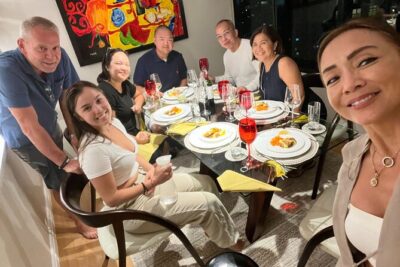
Private Filipino Cooking Class in the Heart of Manila,Makati City
Read our review →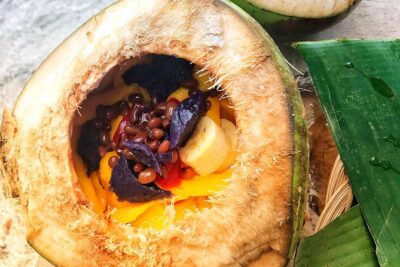
Browse the lists this tour appears in